
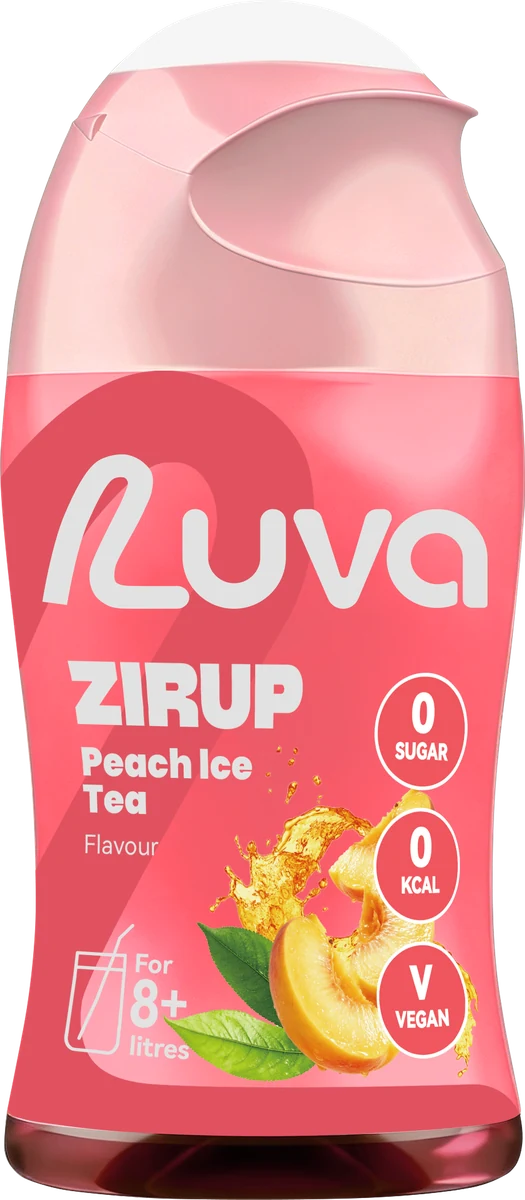
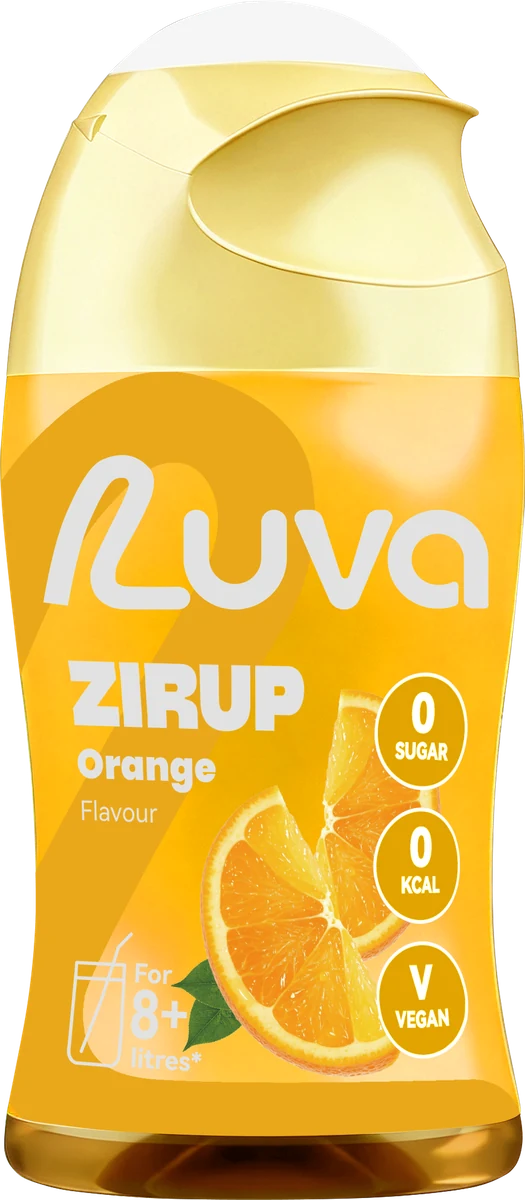
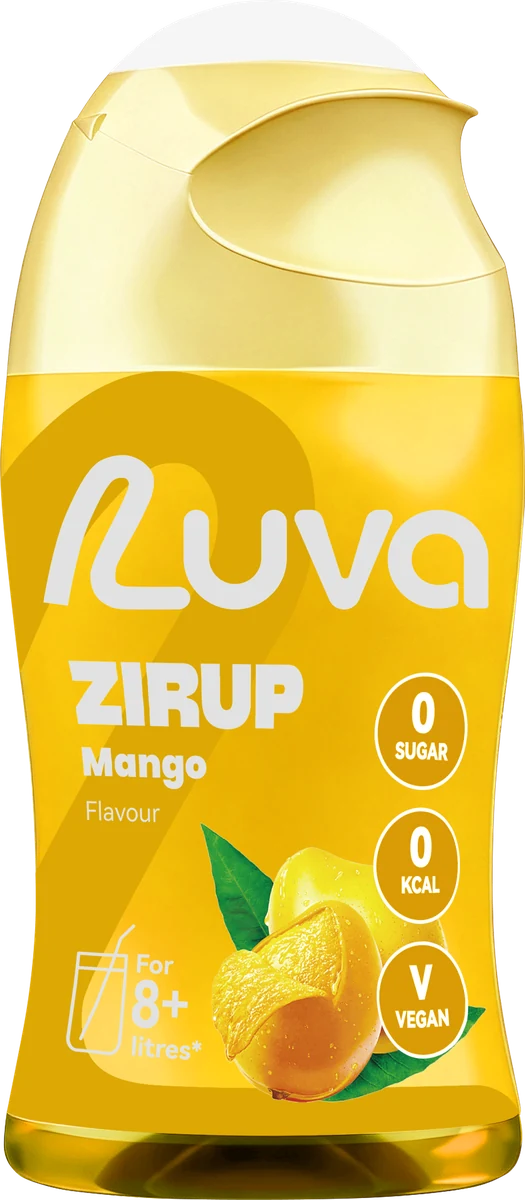
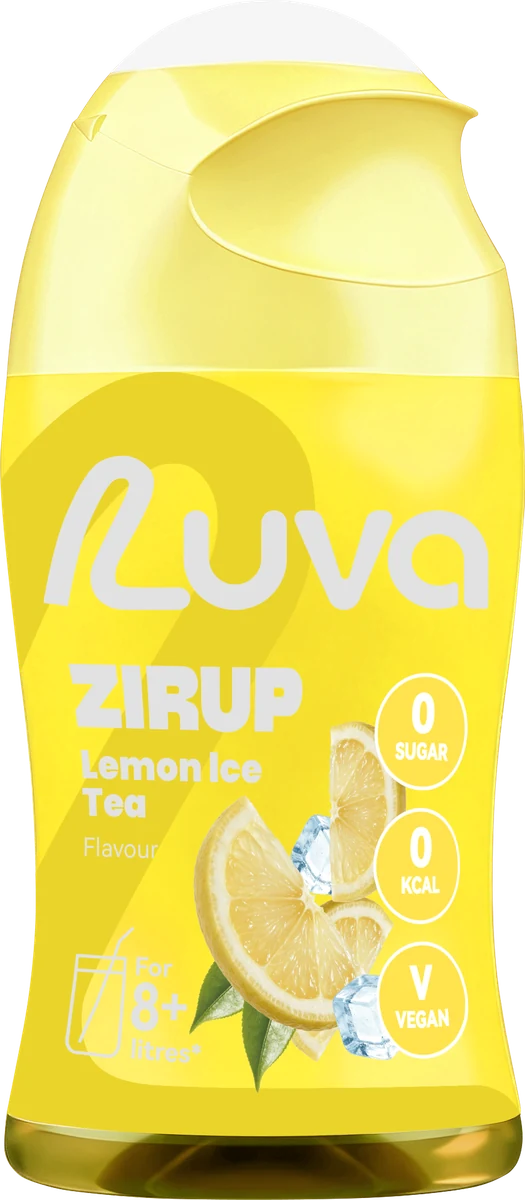




Quick answer: It depends on the kind of fast. During the Ramadan fast, all food and drink is avoided from dawn to sunset, so any drink, including water and sugar-free syrups, belongs to the hours between iftar and suhoor. For intermittent fasting such as 16:8, a drink with 0 g sugar and almost no calories contains negligible energy, and studies show sweetened low-calorie drinks affect blood sugar and insulin much like water; whether you allow them depends on the rules of your fasting approach.
"Does this break my fast?" is one of the most searched questions about any drink. The honest answer starts with another question: which fast? A religious fast and a time-restricted eating plan follow very different rules. Here's how to think about both.
Ramadan: a fast from all food and drink
During Ramadan, Muslims abstain from all food and drink, including water, from dawn (fajr) until sunset (maghrib). Calories are not the measure; taking anything by mouth is. That means zero-calorie drinks, sugar-free syrups and plain water are all for the evening and night.
The good news is that the hours between iftar and suhoor are exactly when hydration matters most, especially when Ramadan falls in warm months. In 2027, Ramadan is expected to begin around 8 February, subject to moon sighting.
Where sugar-free drinks help in Ramadan:
- At iftar, a flavoured, sugar-free drink can replace some of the very sweet juices and soft drinks that often appear on the table. The Dubai Health Authority advises avoiding soft drinks and sweetened juices during Ramadan.
- Between iftar and suhoor, flavour can make it easier to drink water steadily rather than in one go.
- At suhoor, a glass or two of water helps you start the fast well hydrated.
Our Ramadan hydration guide has a full evening plan and iftar drink ideas.
If you live with diabetes or another medical condition, speak to your doctor before Ramadan about whether and how to fast safely. The Dubai Health Authority publishes guidance on fasting with diabetes.
Intermittent fasting: it depends on your rules
Intermittent fasting (IF) covers several approaches: 16:8 time-restricted eating, 5:2, alternate-day fasting and more. There's no single rulebook, but three common positions exist:
| Approach | Zero-calorie drinks allowed? | Reasoning |
|---|---|---|
| "Calorie-free" fasting | Yes | No energy is taken in, so the fasting window is unchanged |
| "Clean" fasting | No, water, plain tea and black coffee only | Avoids any sweet taste, flavour or additive during the fast |
| Medically supervised fasting | Follow your clinician | Specific goals or conditions may require stricter rules |
What happens in the body?
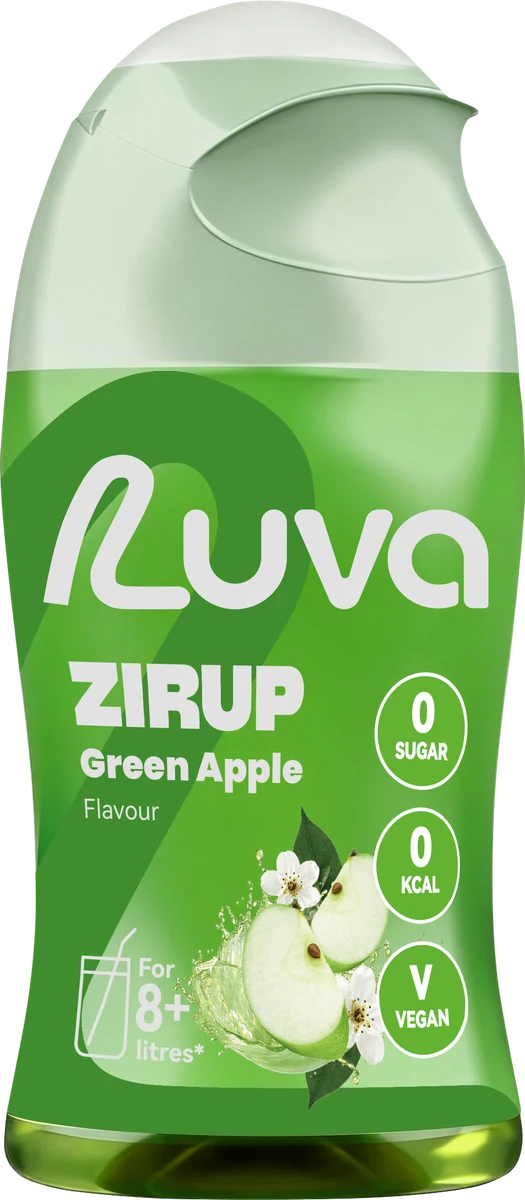
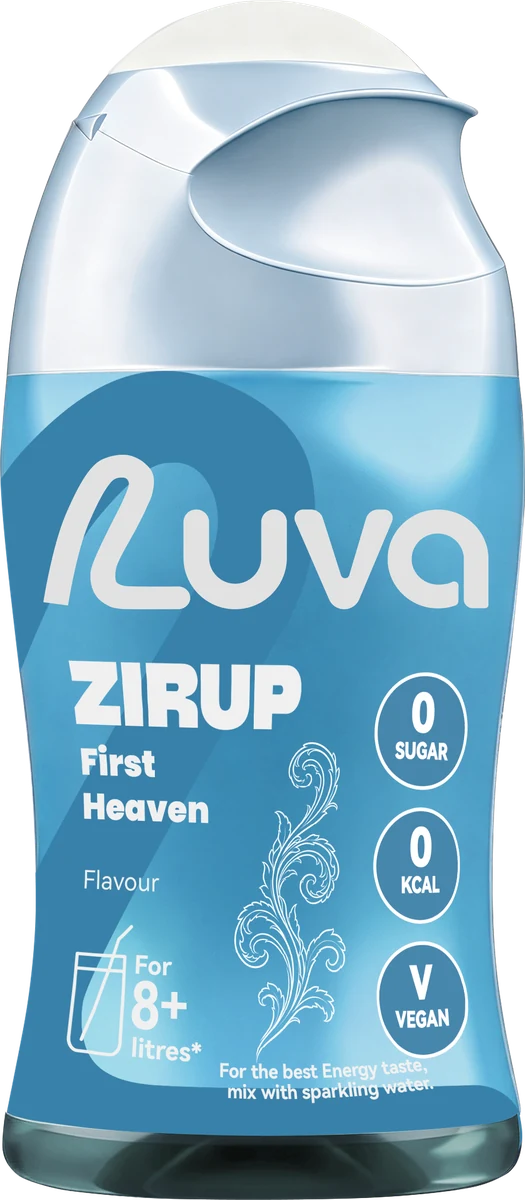
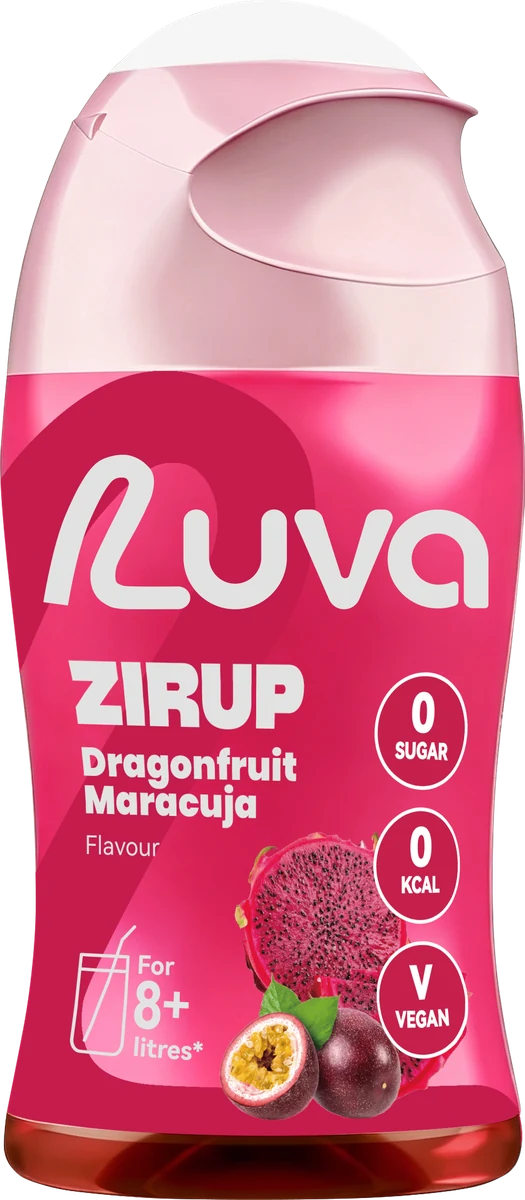
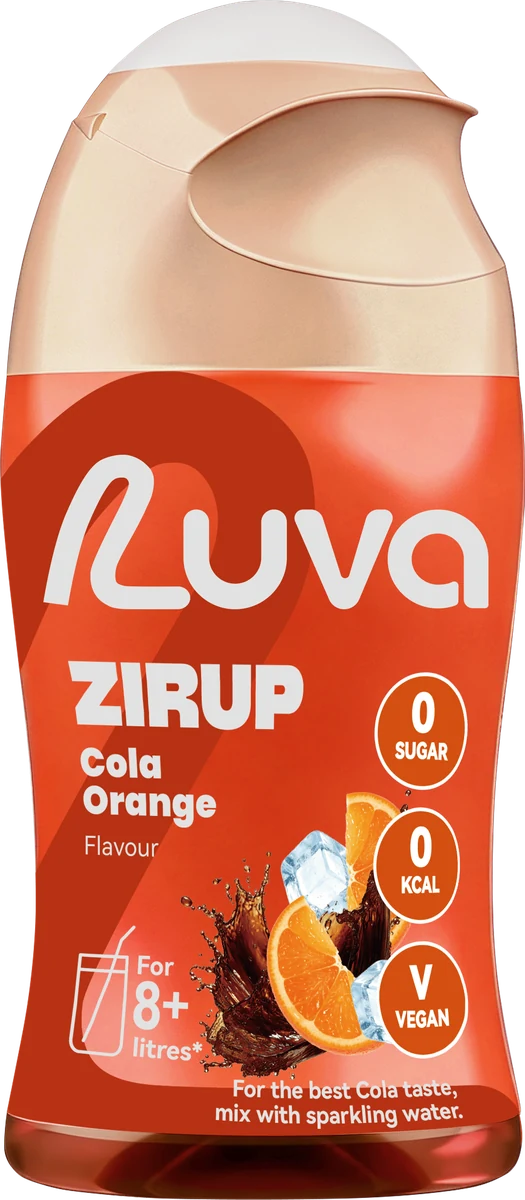
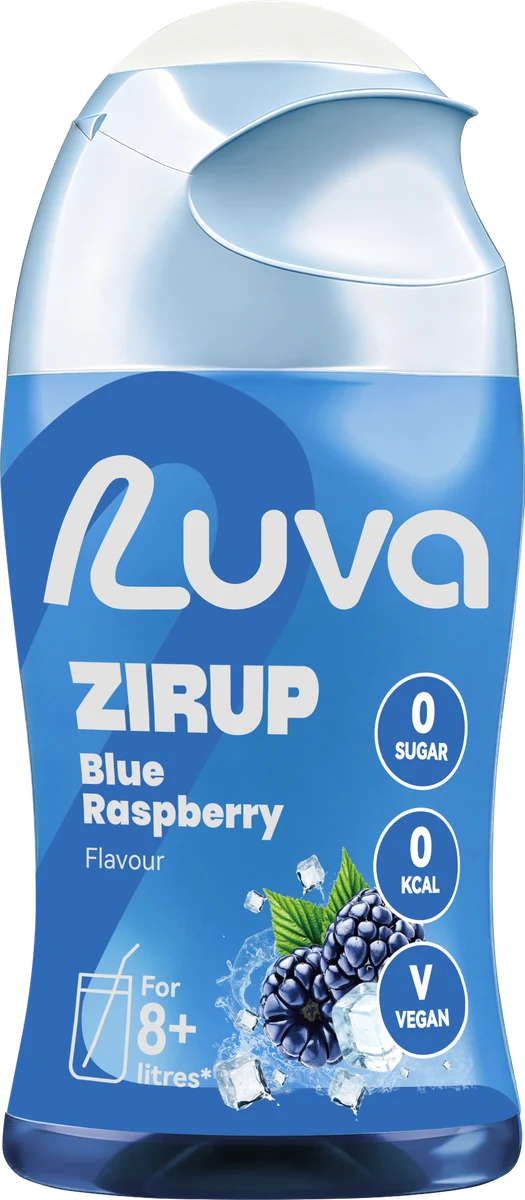
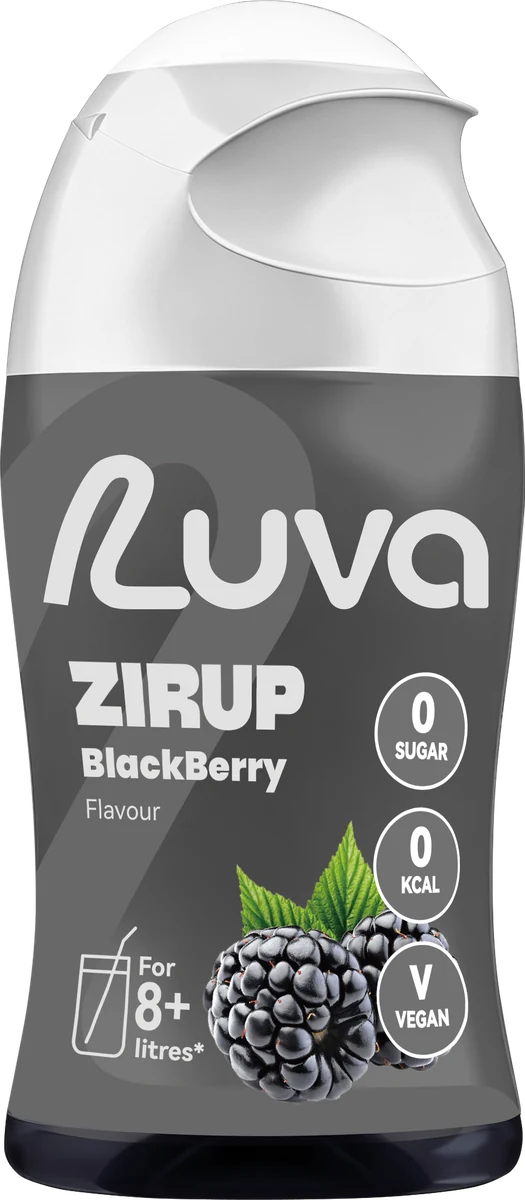
A prepared glass of ZERUP contains 0 g sugar and almost no calories (approx. 2–3 kcal per 100 ml prepared drink), so it provides negligible energy that would not meaningfully interrupt the fasted state.
The more interesting question is whether the sweet taste itself triggers an insulin response. Research is reassuring on the short term:
- A 2023 systematic review and network meta-analysis of randomised controlled trials found that drinks sweetened with non-nutritive sweeteners produced blood-glucose and insulin responses similar to water.
- Some studies suggest that combining a sweetener with carbohydrate may affect how the body responds to sugar. For example, a 2020 study in Cell Metabolism reported that sucralose consumed together with carbohydrate, but not on its own, changed insulin sensitivity over ten days. During a fasting window, there is no carbohydrate to combine with.
- Effects on longer-term outcomes, appetite or the gut microbiome are still being researched, and individual responses can vary.
A practical approach for 16:8
- Water and plain sparkling water first.
- If you find the fasting window hard, a 0 kcal flavoured drink can make it easier to stick to. That's a valid reason to use one.
- If your plan is "clean fasting", save flavoured drinks for your eating window.
- Watch what you pair it with: a sweet drink alongside a snack ends the fast because of the snack, not the drink.

What about other "zero" drinks?
| Drink | Calories | Notes for fasting windows |
|---|---|---|
| Water, still or sparkling | 0 | Always fine for IF |
| Black coffee, plain tea | about 0-5 | Accepted by most IF approaches |
| Sugar-free drink syrup (prepared) | almost no calories (approx. 2–3 kcal per 100 ml) | Fine for calorie-free IF; not for clean fasting |
| Diet or zero soft drinks | about 0-1 | Similar to above; check caffeine |
| Coffee with milk, sugar or sweetened creamer | varies | Calories from milk or sugar end a strict fast |
| Juice, smoothies, sweet iced tea | high | Not compatible with a fasting window |
| Sugar-free cough syrup or medicine | varies | Ask your pharmacist; never skip medicine without medical advice |

Hydration tips for any fast
- Front-load water at the start of your eating window and spread it out; don't try to drink two litres in an hour.
- Eat water-rich foods: soups, salads, fruit, yoghurt and laban.
- Go easy on salt and very salty foods before a fast; they increase thirst.
- Be careful in the heat. Long fasting windows plus outdoor activity in the UAE can be demanding. If you feel dizzy, confused or unwell, break your fast and seek help; your health comes first.
The bottom line
For Ramadan, every drink, including zero-calorie ones, belongs between iftar and suhoor, and that's where a sugar-free syrup can help you drink more and cut back on sugary iftar drinks. For intermittent fasting, a drink with 0 g sugar and almost no calories contains negligible energy, and short-term studies show little effect on blood sugar or insulin; whether you use one is up to the rules you choose.
Frequently asked questions
Does sugar-free syrup break a fast during Ramadan?
During the Ramadan fast, all food and drink is avoided from dawn to sunset, so sugar-free syrup, like water, is taken only between iftar and suhoor.
Can I drink zero-calorie drinks during intermittent fasting?
In calorie-free fasting approaches, yes, because a drink with almost no calories contains negligible energy. In "clean fasting", people stick to water, plain tea and black coffee. Choose the rules that suit your plan.
Do sweeteners spike insulin?
A 2023 meta-analysis of randomised trials found that drinks with non-nutritive sweeteners affect blood glucose and insulin similarly to water. Individual responses can vary.
Does flavoured water break a fast?
Flavoured water with 0 g sugar and almost no calories does not add meaningful energy. For Ramadan, all drinks are taken outside fasting hours. For intermittent fasting, it depends on whether your approach allows flavour.
What should I drink at suhoor?
Water is the priority. Spread a few glasses across the evening and suhoor, add water-rich foods, and limit very salty foods and large amounts of caffeine.
Find your iftar flavour in the ZERUP range
0 g sugar per glass · 8+ litres per bottle · Halal & vegan · Delivered within 12 hours across the UAE, free over AED 200
Keep reading
- Ramadan hydration and iftar drinks
- Keto drinks
- Sugar-free drinks and diabetes
- ZERUP sugar-free drink syrup
Sources
- Dubai Health Authority. Balanced healthy eating habits during Ramadan. www.dha.gov.ae
- Dubai Health Authority. Fasting, diabetes and its complications. dha.gov.ae
- Nutrients (2023). The Effect of Non-Nutritive Sweetened Beverages on Postprandial Glycemic and Endocrine Responses: A Systematic Review and Network Meta-Analysis. www.mdpi.com
- Dalenberg J.R. et al. (2020). Short-Term Consumption of Sucralose with, but Not without, Carbohydrate Impairs Neural and Metabolic Sensitivity to Sugar in Humans. Cell Metabolism. www.cell.com
- The National (2026). Expected Ramadan 2027 start date in the UAE. www.thenationalnews.com
This article is general information and does not replace advice from a doctor, dietitian or other qualified professional. Last reviewed: October 2026.