




Quick answer: Spread your water across the evening instead of drinking it all at iftar: for example, two glasses at iftar, two to three between iftar and Taraweeh, two later in the evening and one to two at suhoor. UAE health authorities advise eating water-rich foods, limiting salty and fried dishes, avoiding sugary soft drinks and juices, and not overdoing tea and coffee. A sugar-free drink can make the evening's water more enjoyable without adding sugar.
Ramadan changes everything about how and when we drink. With a long day without water, the hours between sunset and dawn have to do all the work. Here's a practical plan for hydration during Ramadan, plus eight sugar-free drink ideas for the iftar table.
What UAE health authorities advise
The Dubai Health Authority's Ramadan nutrition guidance recommends:
- Breaking the fast gently: a few dates and a glass of water or laban, then the main meal after a short pause.
- Drinking water slowly, at a comfortable temperature, rather than very cold water all at once.
- Increasing fluids to make up for what is lost through sweat.
- Avoiding salty, spicy, pickled and canned foods, which increase thirst.
- Avoiding soft drinks and sweetened juices, and not overdoing caffeinated drinks such as tea and coffee.
- Delaying suhoor, which helps reduce hunger and thirst during the day.
A simple iftar-to-suhoor water plan
Aim to spread at least 8 glasses of fluid through the evening and night, more if you are active or the weather is warm. One way to do it:
| Time | Drink |
|---|---|
| Iftar | 1 glass of water with dates, then 1 glass with the meal |
| After Maghrib to Taraweeh | 2 glasses, one plain, one flavoured |
| After Taraweeh | 1-2 glasses, plus water-rich fruit |
| Late evening | 1 glass |
| Suhoor | 1-2 glasses with a balanced meal |
Some people find it easiest to fill a 1.5 or 2 litre jug at iftar and finish it by suhoor.

Eat your water too
Water-rich foods make a real difference: soups (a classic iftar starter), salads, cucumber, tomatoes, watermelon, oranges, yoghurt and laban. At suhoor, choose foods that keep you full and don't make you thirsty: oats, eggs, whole grains, yoghurt and fruit, with salty cheese, pickles and very salty dishes kept small.
The sugar trap at iftar
Traditional iftar drinks are delicious but often very sweet: sweetened juices, rose and berry cordials, tamarind and apricot drinks and soft drinks. After a long day, the body is tempted by quick sugar, and a few glasses can add up to a lot. Check our teaspoon guide to sugar in drinks to see how fast it adds up.
You don't need to remove tradition from the table. Keep one special drink, and make the rest water or sugar-free alternatives that still feel festive.
8 sugar-free iftar drinks
All recipes make one 500 ml glass unless stated. For a jug, multiply by four (about 16 ml syrup per 2 litres). DHA advises water at a comfortable temperature at iftar, so go easy on ice for the first glass.
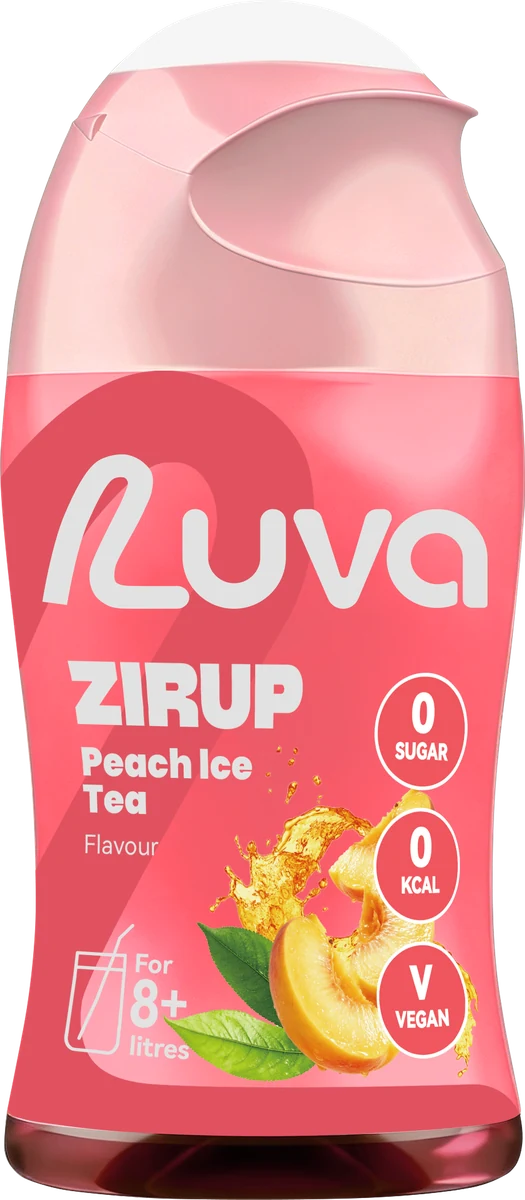
- Peach and mint iced tea: 4 ml ZERUP Peach Iced Tea, 500 ml still water, fresh mint leaves.
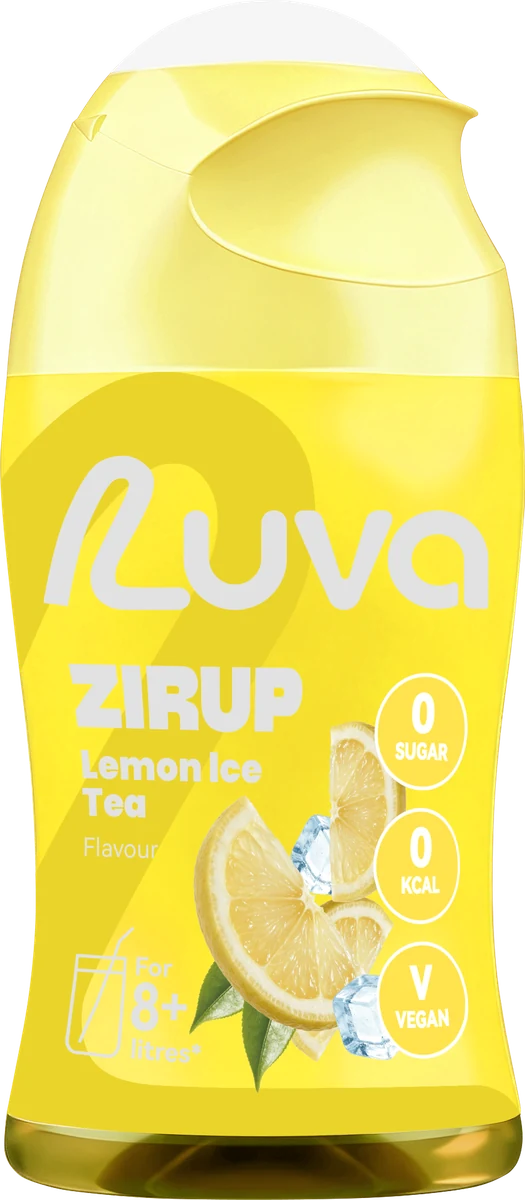
- Lemon mint cooler: 4 ml ZERUP Lemon Iced Tea, still water, mint and a slice of lemon. A sugar-free twist on lemon-mint, a regional favourite.
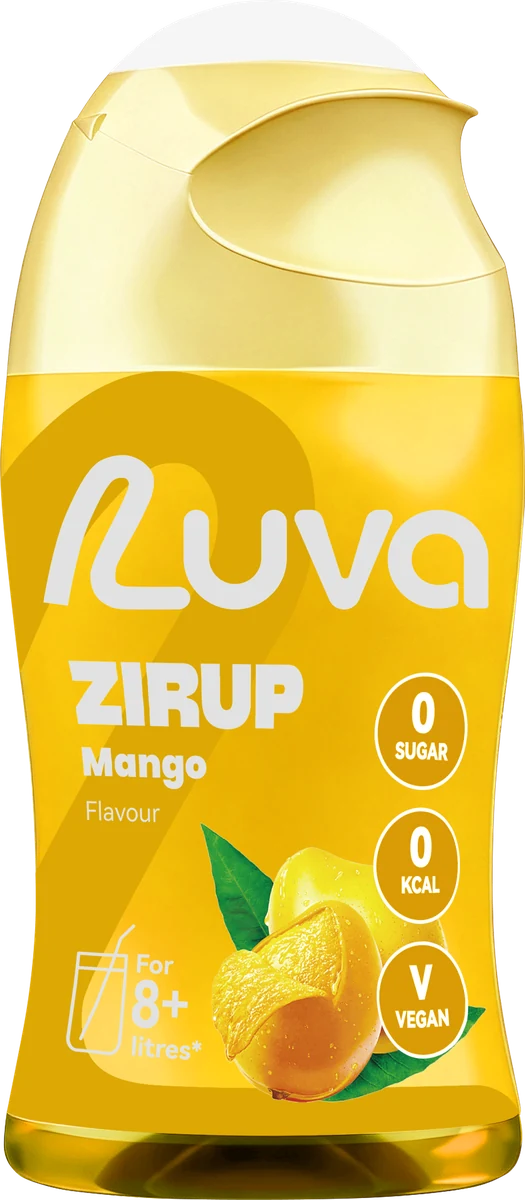
- Mango laban-style shake: 4 ml ZERUP Mango blended with 250 ml cold laban or plain yoghurt drink and a splash of water. (Contains the natural sugars of dairy.)
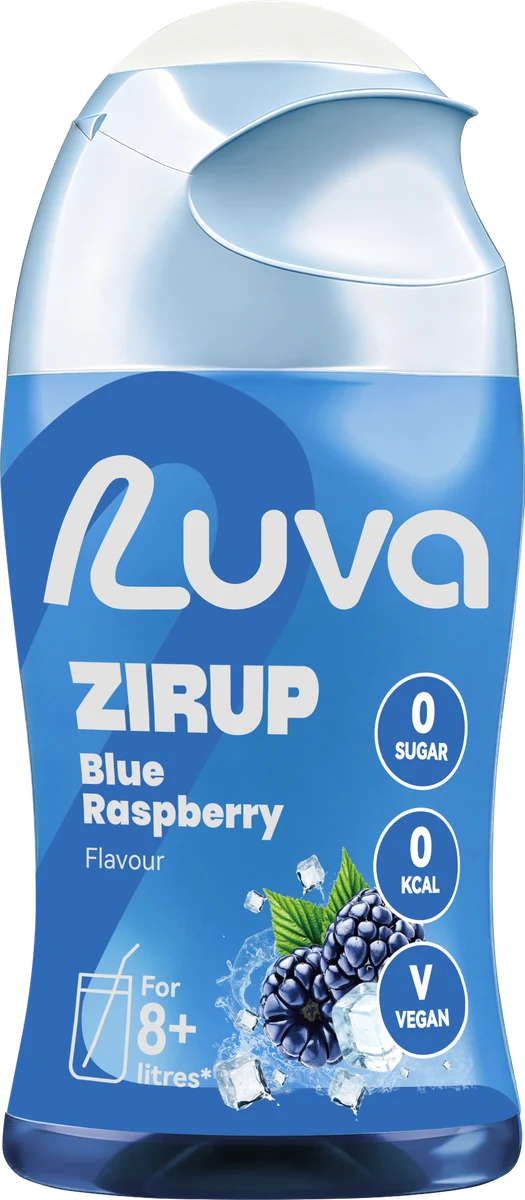
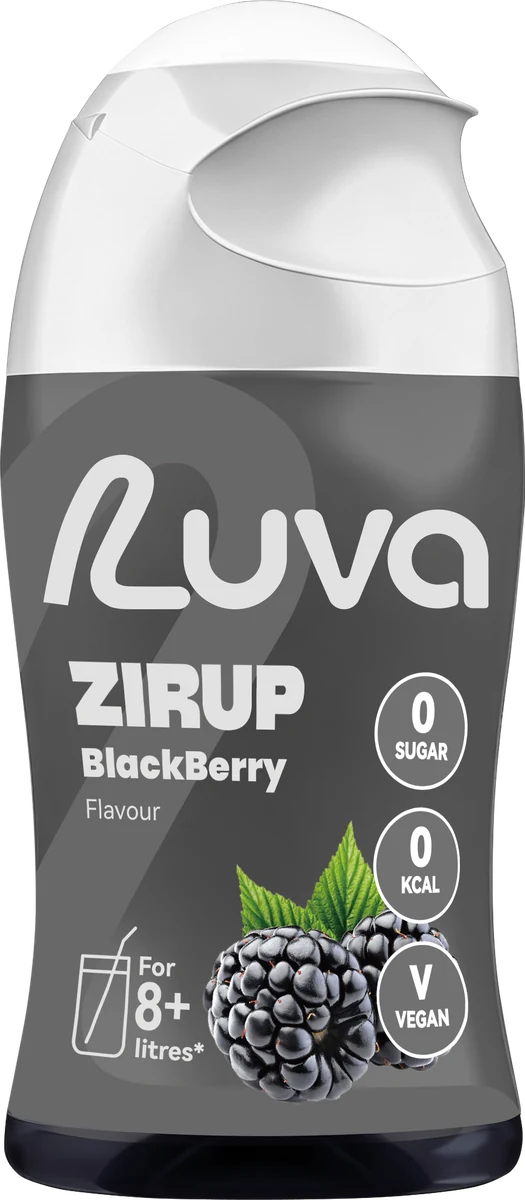
- Berry sparkle: 4 ml ZERUP Blackberry in sparkling water with a few frozen berries, a sugar-free nod to the berry cordials many families serve.
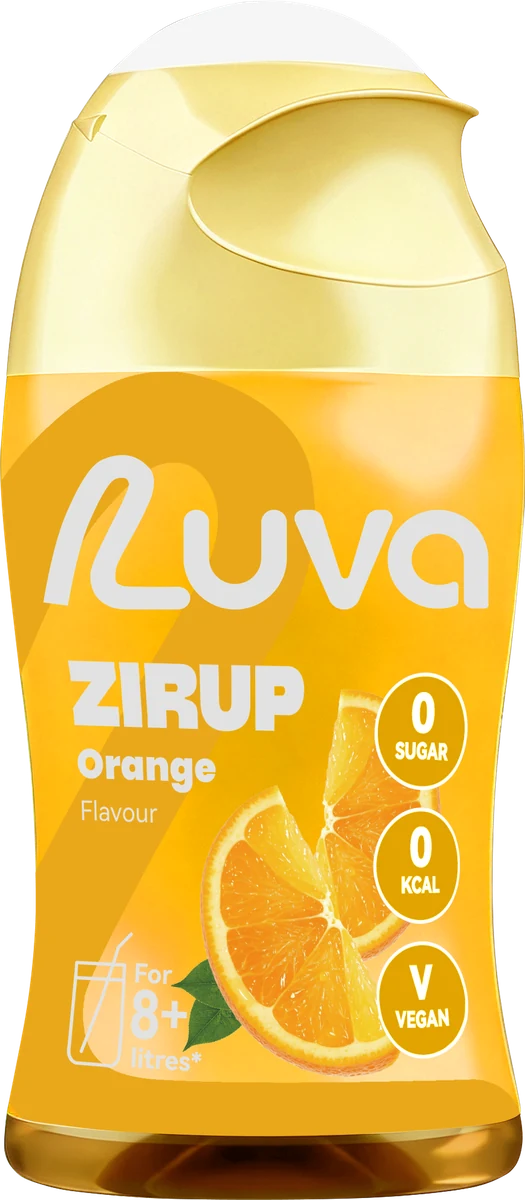
- Orange blossom fizz: 4 ml ZERUP Orange in sparkling water with two drops of orange blossom water.
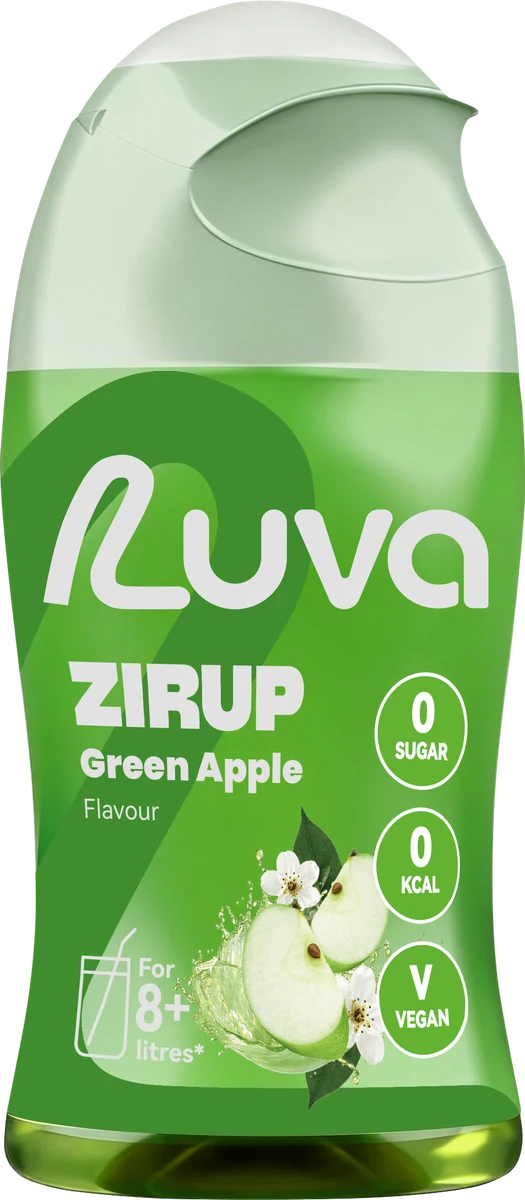
- Green apple and cucumber: 4 ml ZERUP Green Apple, still water and thin cucumber ribbons.
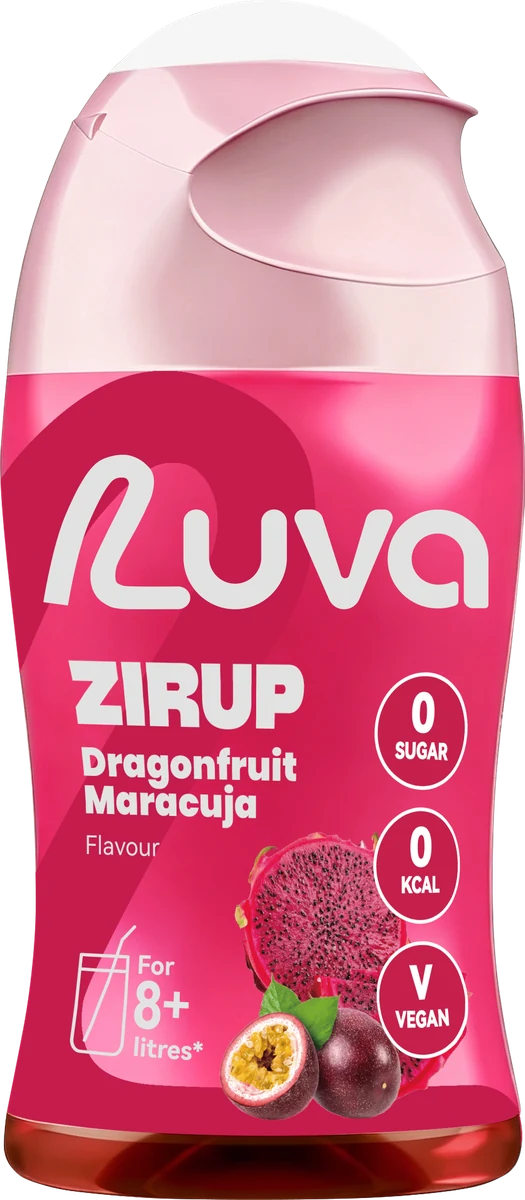
- Dragonfruit lime spritz: 4 ml ZERUP Dragonfruit Passionfruit in sparkling water with lime.
- Jug of the night: 16 ml ZERUP Lemon Iced Tea and 16 ml ZERUP Peach Iced Tea in 4 litres of water with lemon slices, for gatherings.
For more ideas, see our 10 sugar-free mocktails.

Caffeine during Ramadan
Many people rely on karak, Arabic coffee or tea in the evening. You don't need to give them up, but large amounts close to suhoor can make it harder to sleep, and DHA advises not to overdo caffeinated drinks. Alternate each cup with a glass of water.
Heat, work and Ramadan
When Ramadan falls in warmer months, outdoor work and exercise during the fast are demanding. Plan training for after iftar, keep daytime activity light and stay in the shade. If you feel dizzy, confused or faint while fasting, stop, cool down and seek medical help; Islamic teaching allows those who are ill to break the fast.
Medical conditions: If you have diabetes, kidney disease or another long-term condition, or are pregnant, speak to your doctor well before Ramadan. The Dubai Health Authority publishes specific guidance on fasting with diabetes.
The bottom line
Hydration in Ramadan is about rhythm: steady glasses from iftar to suhoor, water-rich foods and fewer salty dishes. Keep the traditions you love, and let sugar-free drinks take the place of most of the sweet ones, so you drink more and the sugar stays low.
Frequently asked questions
How much water should I drink between iftar and suhoor?
Aim for at least 8 glasses spread across the evening and night, more in warm weather or if you are active. Drinking steadily works better than drinking a lot at once.
What is the best drink to break the fast?
Dubai Health Authority guidance suggests breaking the fast with dates and a glass of water or laban, then waiting a little before the main meal.
Are sugar-free drinks good for iftar?
They can replace sweetened juices and soft drinks, which DHA advises limiting, and make it easier to drink more water. Plain water remains the foundation.
How do I avoid feeling thirsty while fasting?
Drink steadily from iftar to suhoor, delay suhoor, eat water-rich foods and limit salty, spicy and fried dishes.
Can I drink ZERUP during the fast?
No. During the Ramadan fast, all food and drink is avoided from dawn to sunset. Enjoy ZERUP between iftar and suhoor.
Stock up for Ramadan: any 3 ZERUP flavours for AED 49
0 g sugar per glass · 8+ litres per bottle · Halal & vegan · Delivered within 12 hours across the UAE, free over AED 200
Keep reading
Sources
- Dubai Health Authority. Balanced healthy eating habits during Ramadan. www.dha.gov.ae
- Dubai Health Authority. Fasting, diabetes and its complications. dha.gov.ae
- UAE Ministry of Health and Prevention. In Ramadan make sure that you eat fiber-rich foods. mohap.gov.ae
- The National (2026). Expected Ramadan 2027 start date in the UAE. www.thenationalnews.com
- NHS. Water, drinks and hydration. www.nhs.uk
This article is general information and does not replace advice from a doctor, dietitian or other qualified professional. Last reviewed: October 2026.