




Quick answer: As a starting point, the European Food Safety Authority (EFSA) sets an adequate total water intake of about 2.0 litres a day for women and 2.5 litres for men, from drinks and food together, under moderate temperatures and activity. In the UAE's heat, when you sweat more or exercise, you will usually need more. Pale-yellow urine and rarely feeling thirsty are simple everyday signs that you are drinking enough.
"Drink more water" is advice everyone in the UAE hears, especially between May and October. But how much is enough, and does the heat really change the answer? Here is what health authorities say, translated into a routine that works in Dubai, Abu Dhabi and the other Emirates.
The reference values
Different organisations express their advice in slightly different ways:
| Source | Recommendation | What it includes |
|---|---|---|
| EFSA (Europe) | Women about 2.0 L, men about 2.5 L total water per day | Drinks plus water from food, at moderate temperature and activity |
| EFSA (children 4-8 years) | About 1.6 L total water per day | Drinks plus food |
| NHS (UK) | 6 to 8 cups or glasses of fluid a day | Water, lower-fat milk and sugar-free drinks, including tea and coffee, all count |
Food usually provides around a fifth of total water intake, so EFSA's figures translate into roughly 1.6 litres of drinks a day for women and 2.0 litres for men in mild conditions. In a typical UAE summer, that is a minimum, not a target.

Why the UAE climate changes the maths
The reference values are set for moderate temperatures. The UAE is not moderate for much of the year. National Center of Meteorology statistics show mean maximum temperatures of around 41 to 43 °C in August, often with high humidity.
- Heat and humidity make you sweat more, even on short walks from the car park to the office or school.
- Air-conditioning dries the air and makes thirst easier to ignore, so many people drink less indoors than they need.
- Outdoor work and sport add significant losses. The UAE recognises this officially: the Ministry of Human Resources and Emiratisation (MoHRE) bans outdoor work in direct sunlight between 12:30 and 3:00 pm from 15 June to 15 September.
The Abu Dhabi Public Health Centre's "Safety in Heat" guidance puts it simply: drink enough water, avoid drinks with large amounts of sugar, and check your urine colour.
How to tell if you are drinking enough
You don't need an app to know. The simplest everyday checks are:
- Urine colour: pale straw-yellow is the goal; dark yellow or amber suggests you need more fluid.
- Thirst: feeling thirsty often, or a dry mouth and lips, are early signs.
- Energy and focus: headaches, tiredness and difficulty concentrating can be linked to not drinking enough.
The NHS lists the main signs of dehydration as feeling thirsty, dark yellow and strong-smelling urine, peeing less often, feeling dizzy or tired, and a dry mouth, lips and eyes.
When to get help: confusion, fainting, a very high body temperature, or no urine for many hours in the heat are warning signs of heat illness or serious dehydration. Move to a cool place and seek medical help immediately. In the UAE, call 998 for an ambulance.
A simple daily plan for the UAE
- Start the day with a glass. Drink 300 to 500 ml with breakfast, before the first coffee.
- Keep a 1-litre bottle at your desk and aim to refill it at least once before lunch and once after.
- Drink before you leave the air-conditioning, especially before driving, the school run or outdoor errands.
- Add 500 to 750 ml for every hour of exercise, more outdoors. Our guide to training in the UAE heat has details.
- Eat water-rich foods such as watermelon, cucumber, tomatoes, oranges, laban and yoghurt.
- Finish with a glass in the evening, but not so much that you are up all night.
Needs vary with body size, activity, pregnancy, breastfeeding, age and health. If you have heart or kidney conditions, or take medication that affects fluid balance, ask your doctor how much you should drink, because more is not always better.

Do coffee, tea and flavoured water count?
Yes. The NHS counts tea, coffee, lower-fat milk and sugar-free drinks towards your daily fluid intake. Caffeinated drinks have a mild diuretic effect at high doses, but in usual amounts they still contribute to hydration.
What matters more is sugar. A 330 ml can of regular cola contains about 35 g of sugar, close to nine teaspoons. If several of your daily glasses are soft drinks, sweet iced tea or juice drinks, you can drink plenty of fluid and still take in a lot of sugar. Health authorities in the UAE, including the Abu Dhabi Public Health Centre and the Dubai Health Authority, advise limiting sugary drinks for exactly this reason.
Make water easy to love
The best hydration plan is the one you actually follow. If plain water bores you:
- Keep it very cold and drink from a bottle you like.
- Add fresh mint, lemon, lime or cucumber.
- Alternate still and sparkling water.
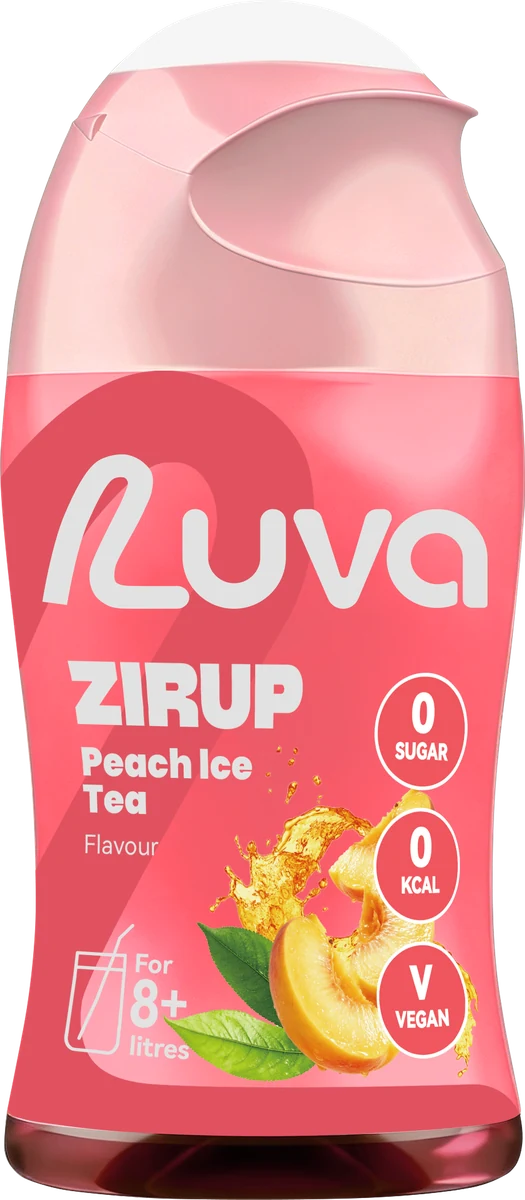
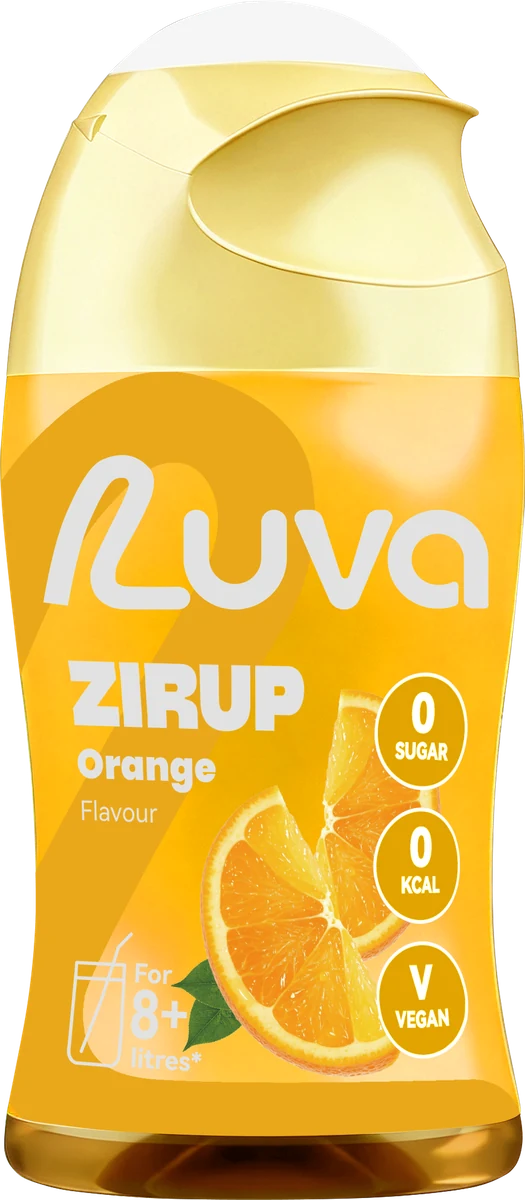
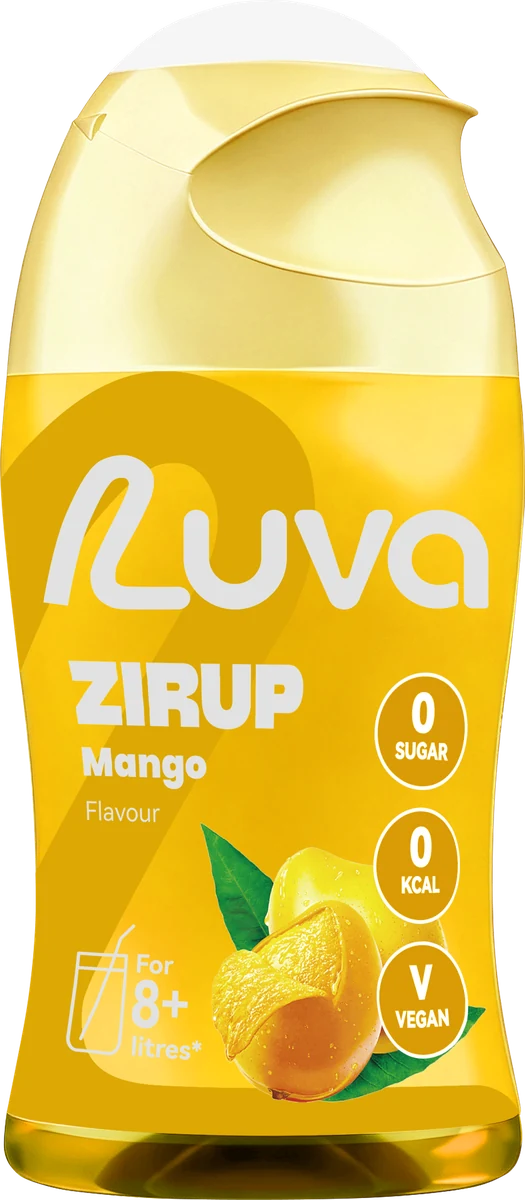
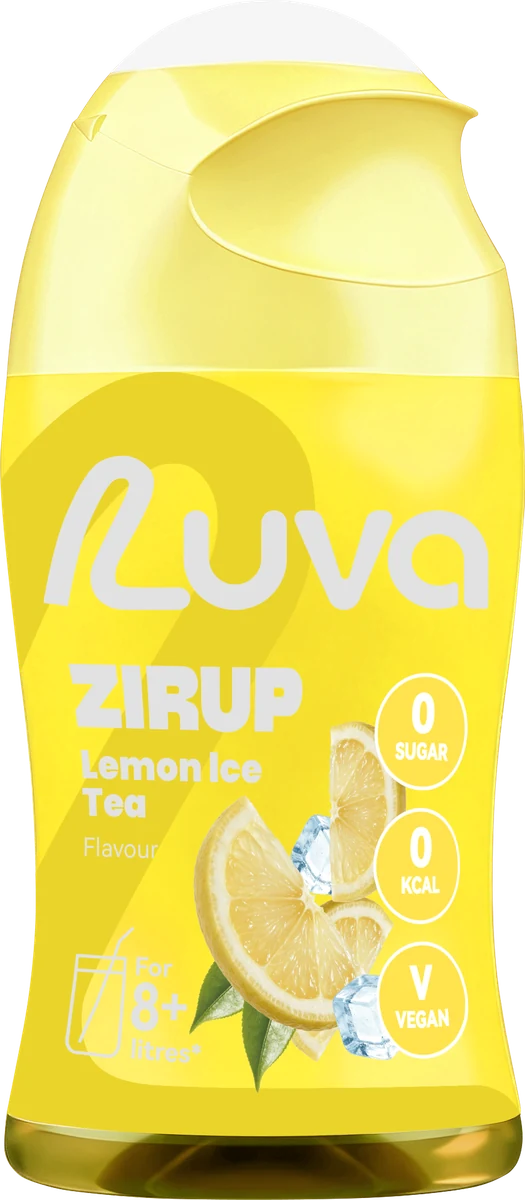
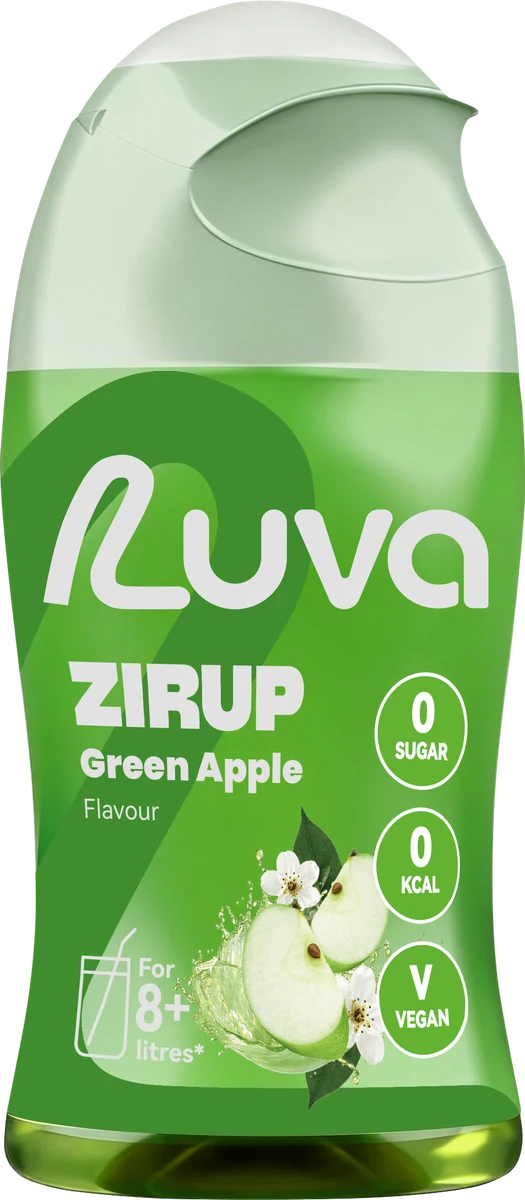
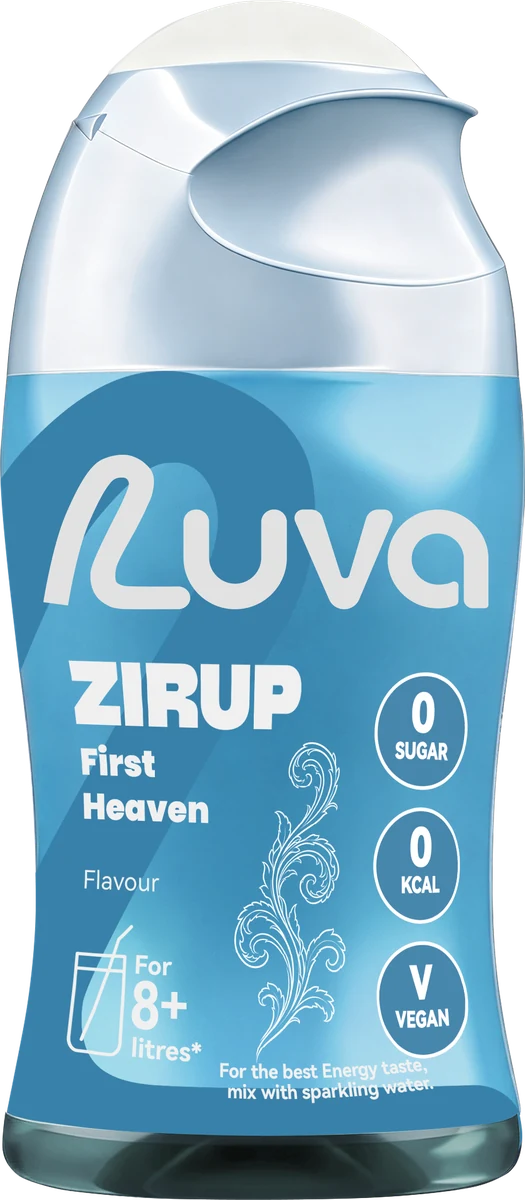
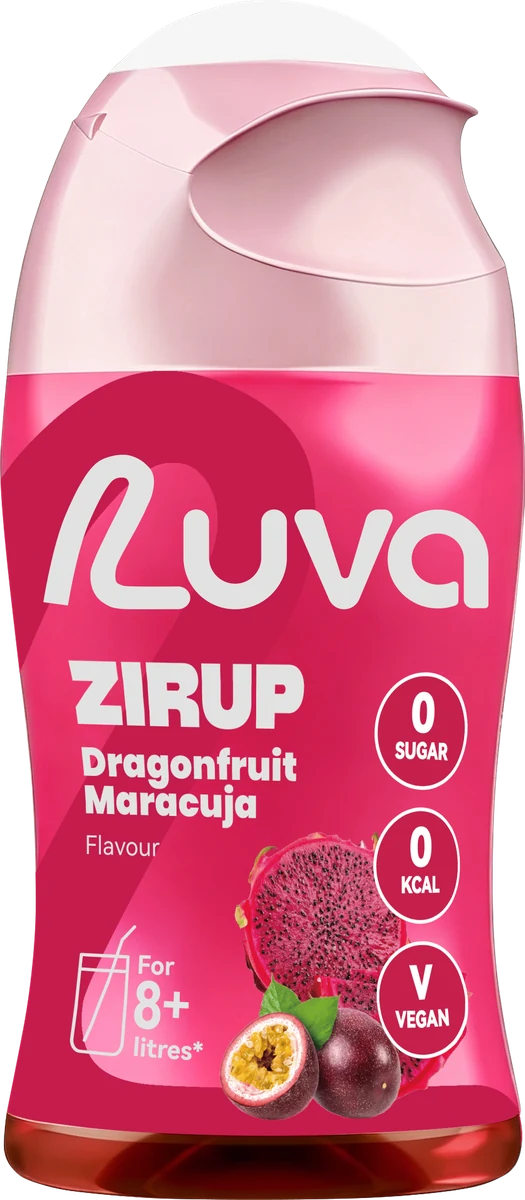
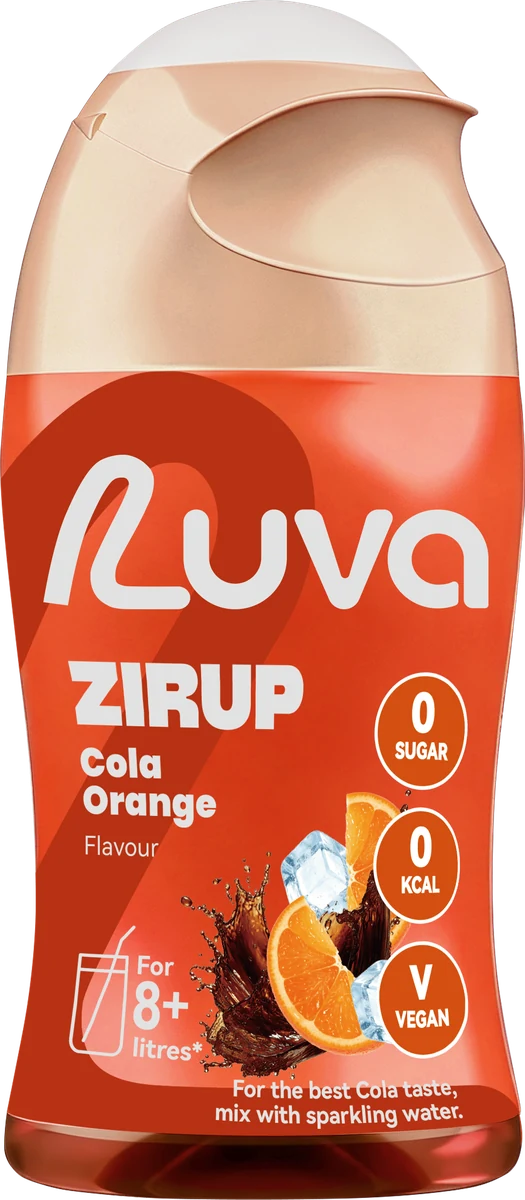
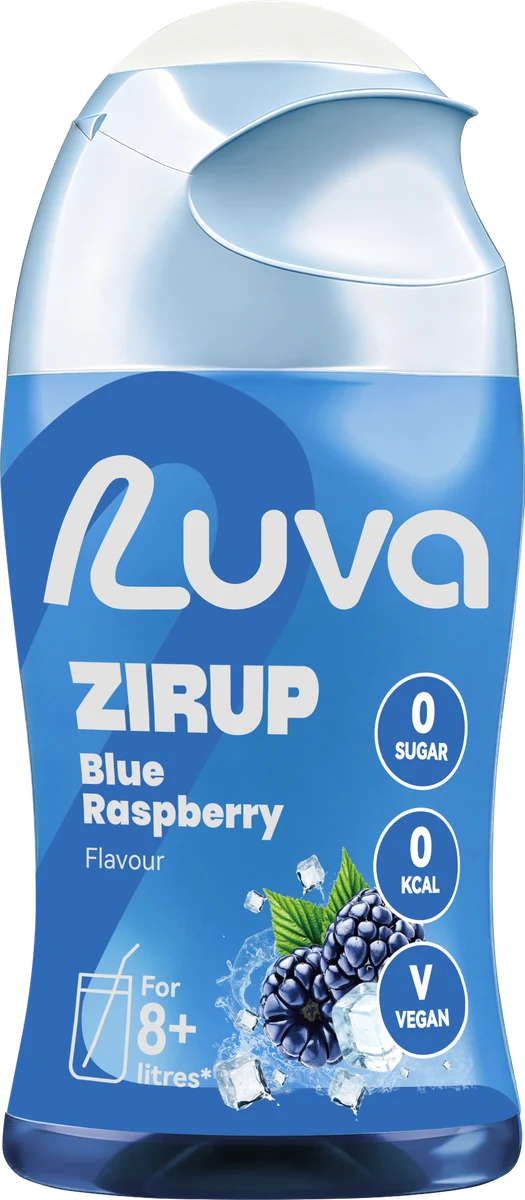
- Use a sugar-free drink syrup to turn water into iced tea, mango or orange soda without sugar. With ZERUP, about 4 ml makes a 500 ml glass with 0 g sugar and almost no calories, and one 65 ml bottle makes more than 8 litres.
For more ideas, read our 15 habits that help you drink more water.
The bottom line
In the UAE, think of 2 litres a day as a floor, not a ceiling, and listen to the signs: pale urine, rare thirst, steady energy. Drink before you go out into the heat, add more when you sweat, and keep sugary drinks as an exception. If flavour helps you drink more, choose one without sugar.
Frequently asked questions
How many litres of water should I drink a day in Dubai?
EFSA's adequate intake is about 2.0 litres of total water a day for women and 2.5 litres for men, including water from food, in moderate conditions. In Dubai's heat, or when you exercise, most people need more. Use pale-yellow urine as your everyday guide.
Does air-conditioning dehydrate you?
Air-conditioned rooms have dry air and make it easy to forget to drink. Keep a bottle within reach and drink regularly indoors, not just when you go outside.
Can I drink too much water?
Yes, it is possible, though rare in healthy people. Drinking very large amounts in a short time, for example during long endurance events, can lower blood sodium. Drink steadily rather than forcing large volumes, and ask your doctor if you have heart or kidney conditions.
Does flavoured water count as water intake?
Yes. Sugar-free flavoured water counts towards your daily fluid intake, as do tea, coffee and milk, according to the NHS.
Is tap water in Dubai safe to drink?
Dubai Electricity and Water Authority (DEWA) states that the water it supplies meets WHO drinking-water guidelines up to the meter. Water quality after that depends on your building's tanks and pipes, so many residents use filters or bottled water.
Try ZERUP Lemon Iced Tea, our most refreshing flavour
0 g sugar and almost no calories per glass · 8+ litres per bottle · Halal & vegan · Delivered within 12 hours across the UAE, free over AED 200
Keep reading
- Why water doesn’t quench thirst
- Electrolytes in the UAE
- Office hydration and air conditioning
- Does flavoured water count as water?
- 15 ways to drink more water
- Hydration for training in the heat
- Helping kids drink more water
- ZERUP syrup for water
Sources
- EFSA (2010). Scientific Opinion on Dietary Reference Values for water. EFSA Journal. efsa.onlinelibrary.wiley.com
- NHS. Water, drinks and hydration. www.nhs.uk
- NHS. Dehydration: symptoms and causes. www.nhs.uk
- Abu Dhabi Public Health Centre. Safety in Heat: important tips for preventing heat stress. www.adphc.gov.ae
- Emirates News Agency (WAM) (2026). MoHRE announces return of Occupational Heat Stress Prevention Policy. www.wam.ae
- Aletihad (2025). NCM forecasts rising temperatures in August (NCM climate statistics). en.aletihad.ae
- Coca-Cola UAE. Coca-Cola nutrition facts. www.coca-cola.com
- Gulf News. Dubai water is safe to drink: DEWA. gulfnews.com
- American Academy of Pediatrics. Exercise-related heat illness (fluid guidance during activity). www.aap.org
This article is general information and does not replace advice from a doctor, dietitian or other qualified professional. Last reviewed: October 2026.