




Quick answer: Start training already hydrated, sip regularly during exercise (paediatric and sports guidance commonly suggests small amounts every 15 to 20 minutes, adjusted to sweat rate), and replace fluids afterwards. In UAE heat, sessions over about an hour or very sweaty outdoor training may call for electrolytes as well as water. Stop and cool down at the first signs of heat illness.
Padel at 7 pm in August, a run along the corniche in May, CrossFit in a warehouse gym with tired air-conditioning: training in the UAE often means training in heat. That changes how much you sweat and how quickly you can run low on fluid. Here's a practical, non-medical guide to drinking around exercise.

Before training: start topped up
Arriving dehydrated is the most common mistake, especially after a day in a dry, air-conditioned office.
- Drink regularly through the day, not just in the hour before the session.
- The American College of Sports Medicine suggests about 5 to 7 ml per kg of body weight at least four hours before exercise, roughly 350 to 500 ml for a 70 kg adult, then a few sips just before you start.
- Check your urine: pale yellow means you're in a good place.
During training: sip, don't gulp
Fluid needs during exercise vary hugely with body size, intensity, clothing and heat. As a practical rule, guidance for young athletes from the American Academy of Pediatrics suggests drinking cool water or a sports drink every 15 to 20 minutes during activity. Adults training hard in heat can use the same rhythm.
- Short sessions under an hour indoors: water is usually enough.
- Long or very sweaty sessions, especially outdoors: electrolytes, particularly sodium, help replace what you lose in sweat. The Abu Dhabi Public Health Centre's heat-safety advice even suggests adding a little extra salt to food and drink to compensate for salt lost through sweating.
- Don't force it. Drinking far more than you sweat can, in rare cases, dilute blood sodium (hyponatraemia), mainly in long endurance events. Drink to a plan, not to the maximum.
Want to know your sweat rate?
Weigh yourself before and after an hour of training, without clothes and after using the bathroom. Each kilogram lost is roughly one litre of sweat not replaced. Use that number to plan your next session. The American College of Sports Medicine advises aiming to avoid losing more than about 2% of body weight through sweat during exercise.
After training: replace and recover
- Drink steadily over the next couple of hours until your urine is pale again.
- A meal or snack with some salt helps you hold on to the fluid you drink.
- If the session was long and outdoors, combine water with an electrolyte drink or salty food.
Water, sports drink or flavoured water?
| Option | Best for | Watch out for |
|---|---|---|
| Plain water | Most gym sessions under an hour | Can feel boring, so many people drink too little |
| Sugar-free flavoured water | Making it easier to drink enough, every day | Contains no electrolytes by itself |
| Electrolyte drink or tablet | Long, sweaty or outdoor sessions | Some contain a lot of sugar; check the label |
| Regular sports drink | Endurance sessions where you also need carbohydrate | Sugar you may not need for a 45-minute workout |
| Soft drinks and energy drinks | Not recommended for hydration | Sugar, acids and, for energy drinks, caffeine |
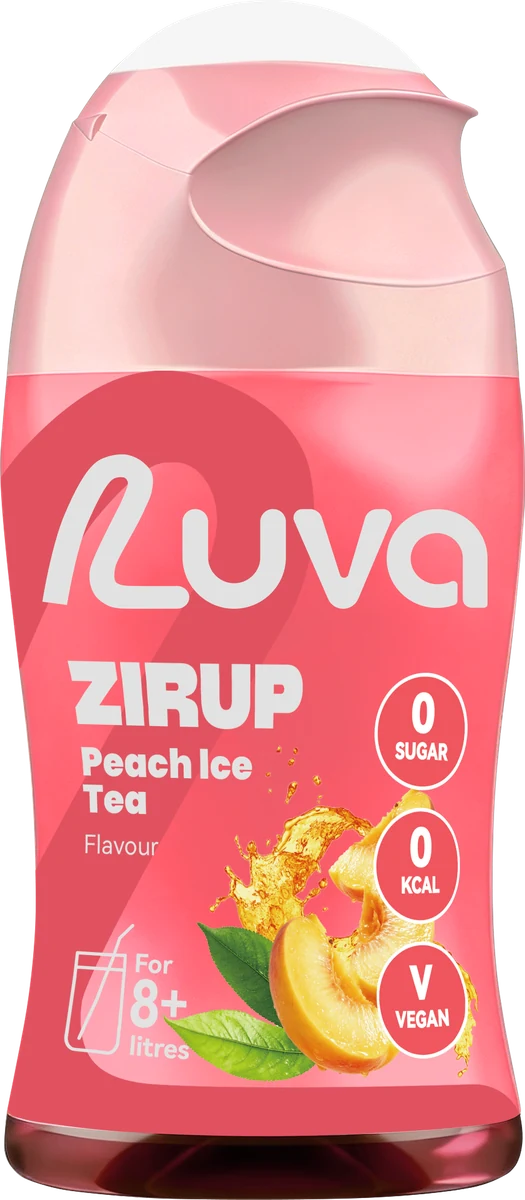
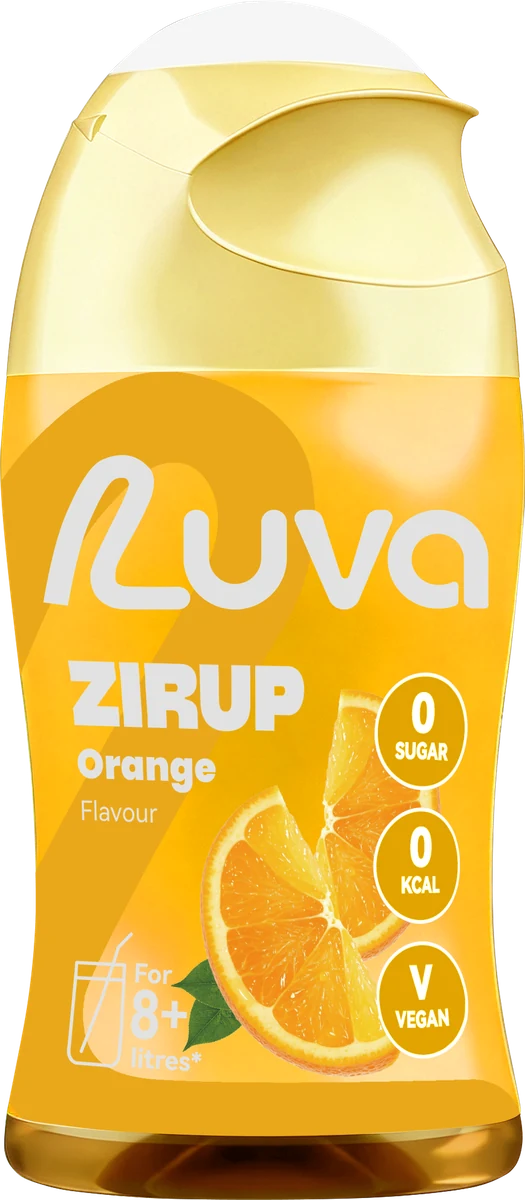
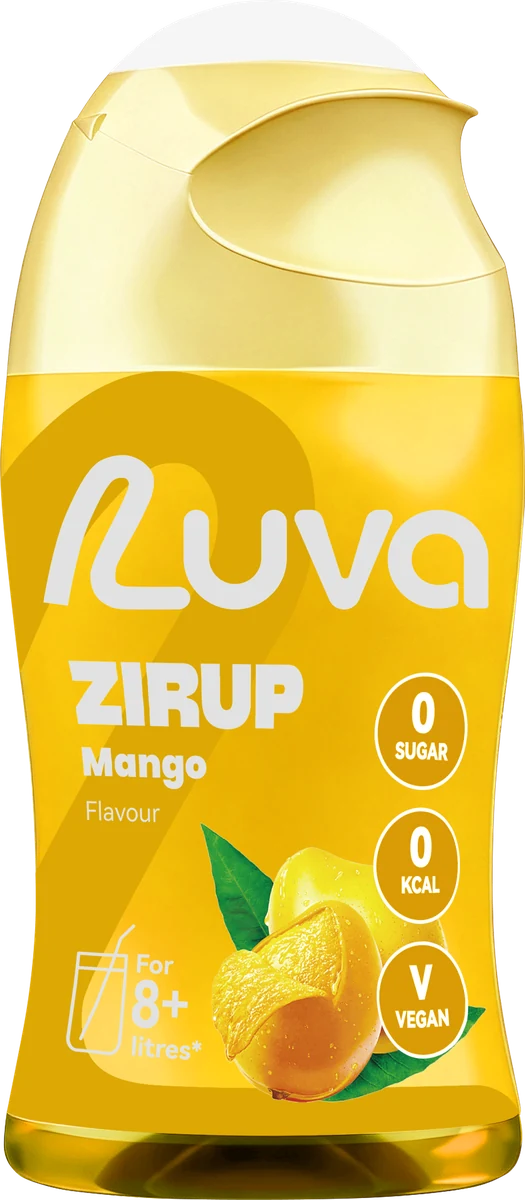
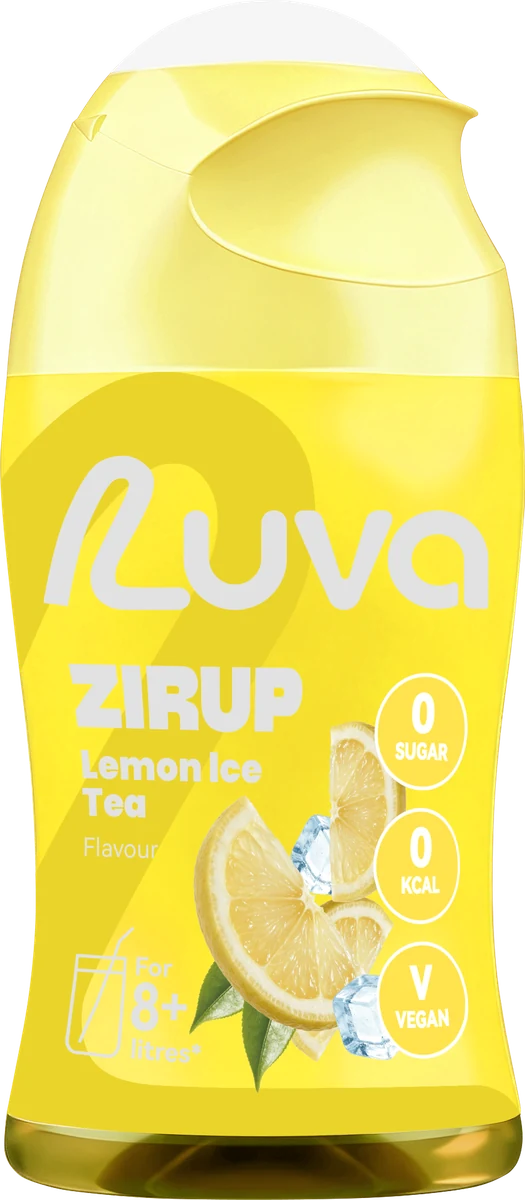
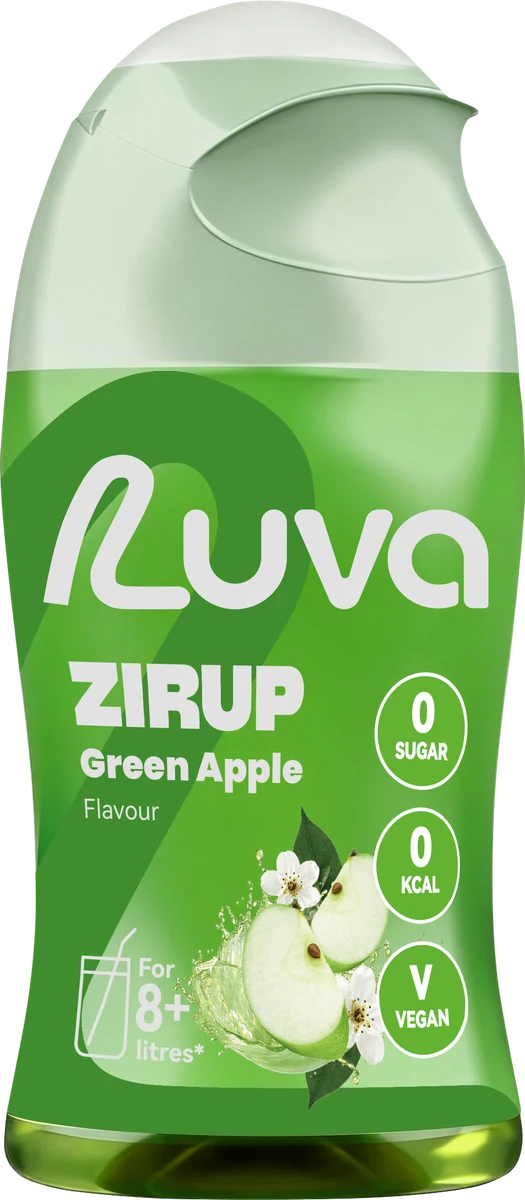
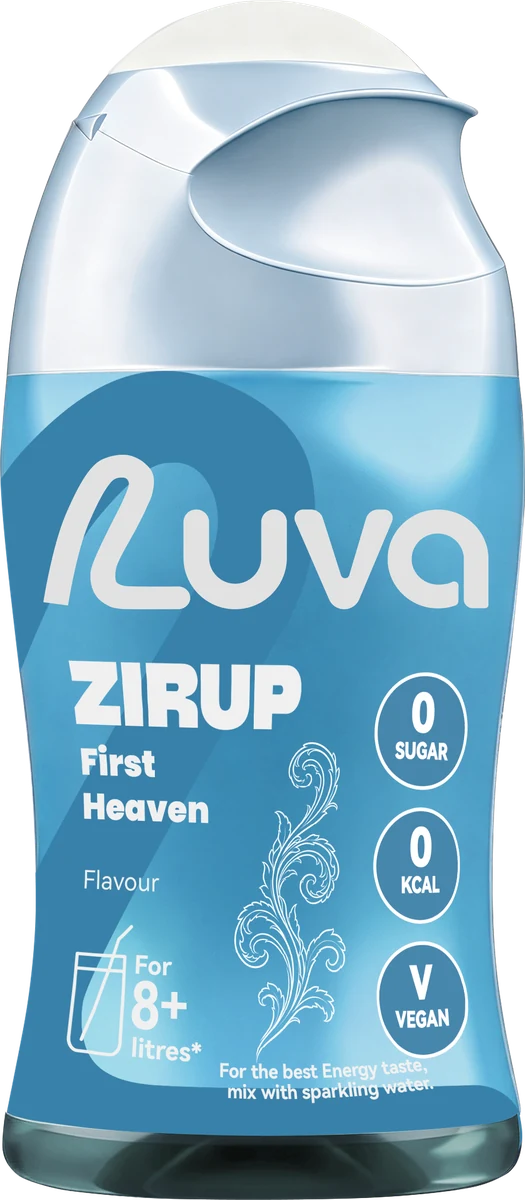
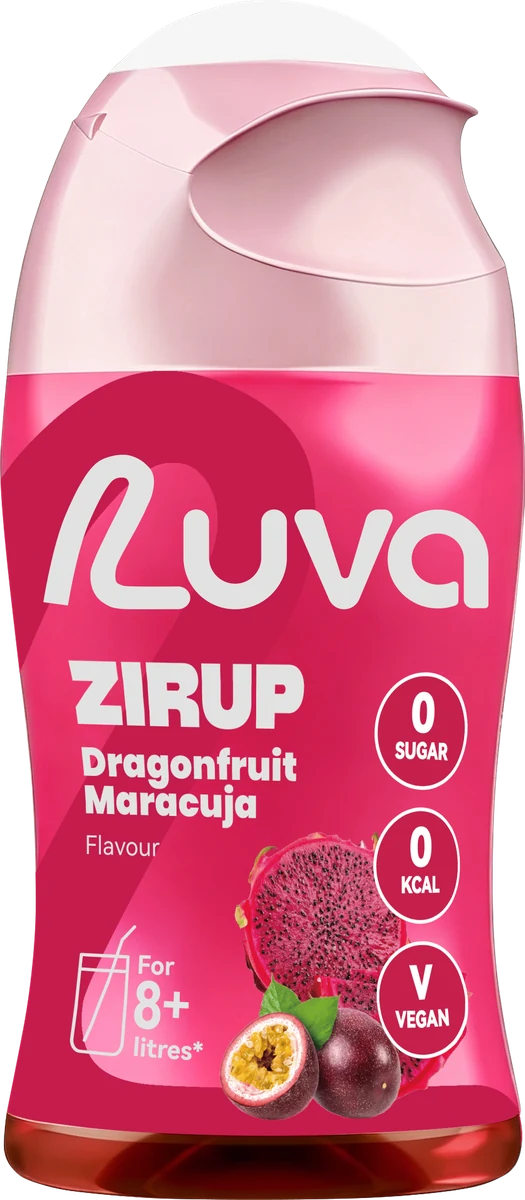
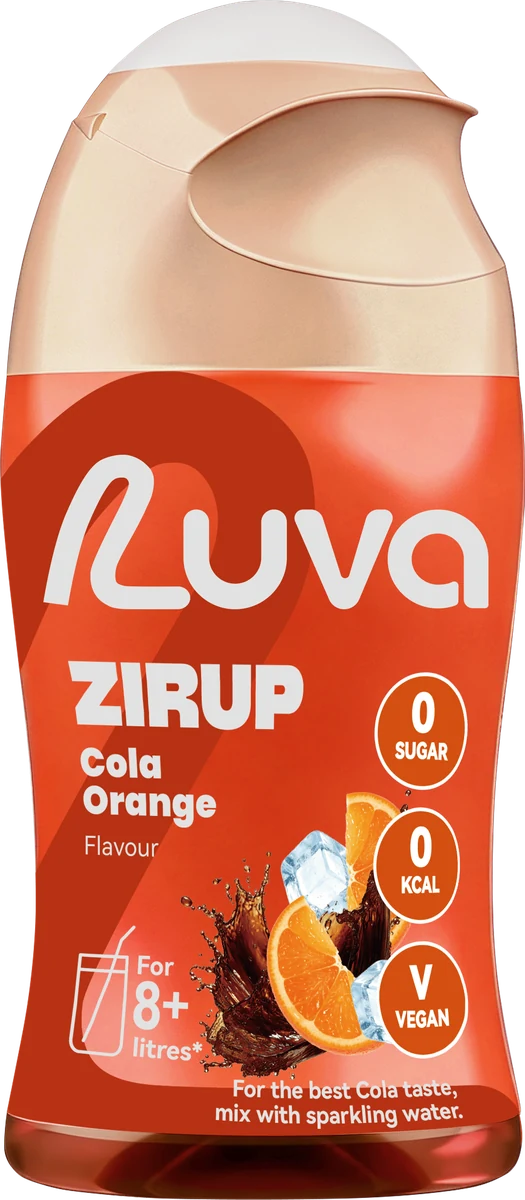
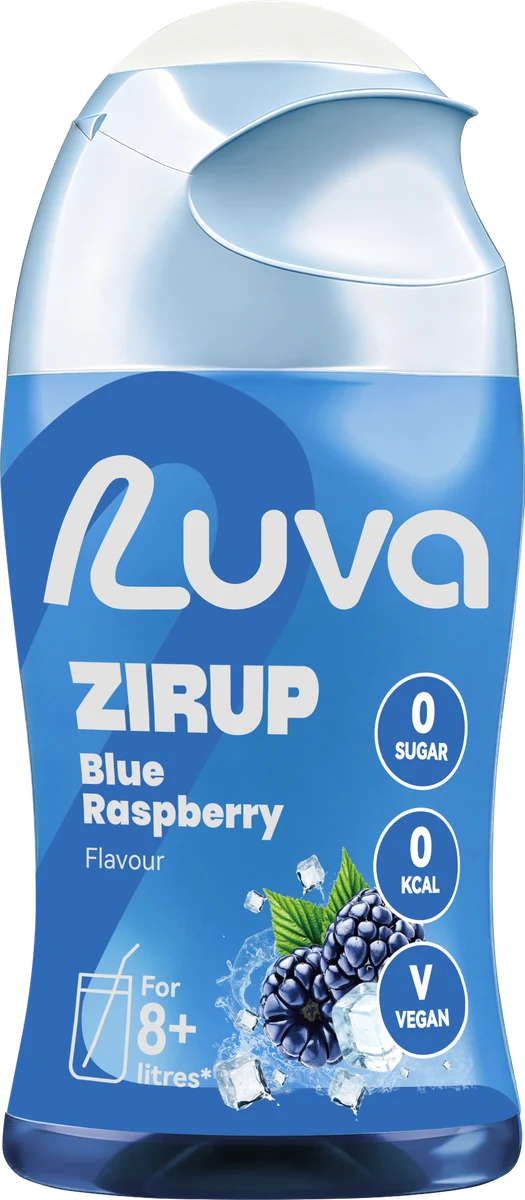
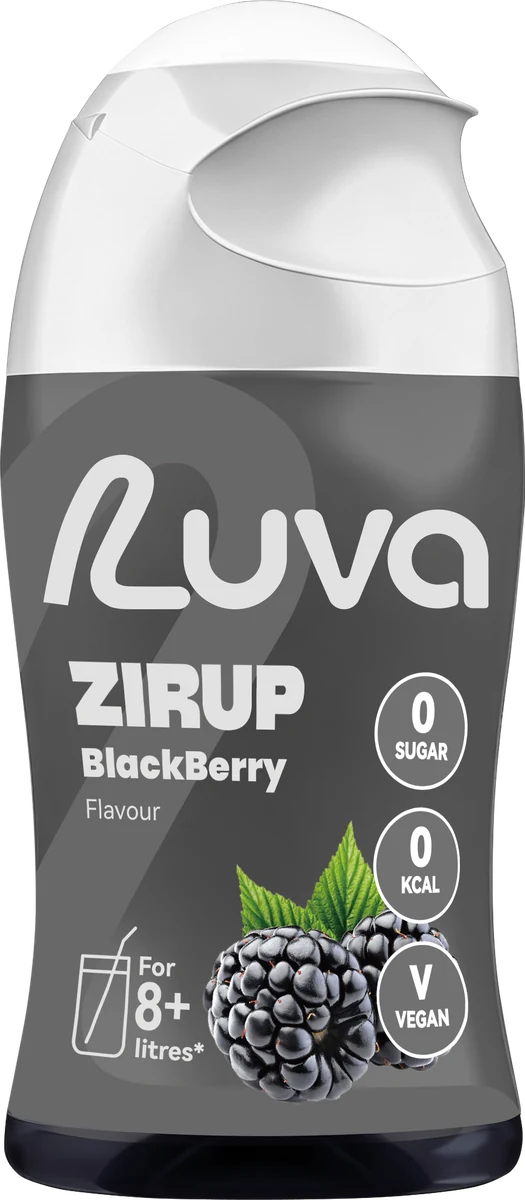
Most people training for an hour in a gym don't need sugar during their session. Making water taste good, so you actually drink it, often does more for hydration than any special formula. A squeeze of sugar-free syrup in your bottle (about 4 ml per 500 ml) gives you flavour with 0 g sugar.
Heat illness: know the signs
The US Centers for Disease Control and Prevention lists heat cramps, heavy sweating, dizziness, headache, nausea, weakness and confusion as signs of heat-related illness in athletes.
Stop training immediately if you feel dizzy, confused, very weak or nauseous, or if you stop sweating while still hot. Move into shade or air-conditioning, cool down with water and fans, and seek medical help. Confusion or collapse is an emergency: call 998.
Smart training habits for the UAE summer
- Train early or late. The UAE's outdoor work ban from 12:30 to 3:00 pm in summer shows how intense midday heat is. Outdoor sport is best before sunrise or after sunset.
- Acclimatise gradually when you arrive or after a summer away. Shorter, lighter sessions for the first week or two help your body adjust.
- Wear light, breathable clothing and a cap for outdoor sessions.
- Bring more than you think you need. A one-litre insulated bottle for an hour of padel is a sensible minimum in summer.
- Use the buddy system outdoors and agree to stop if one of you feels unwell.
Where creatine fits in
Creatine is one of the most researched sports supplements. Years ago it was rumoured to cause dehydration or cramps in the heat; the International Society of Sports Nutrition's review of common misconceptions found that research does not support this. Creatine does draw water into muscle cells, which is why some people notice a small weight increase at first. As always, drink normally and follow the label. Our guide to creatine for women answers the most common questions.
Your gym-bag hydration kit
- 1-litre insulated bottle
- A small bottle of sugar-free drink syrup for flavour
- Electrolyte tablets or sachets for long or outdoor sessions
- A salty snack for afterwards
- A small towel you can soak in cold water

Frequently asked questions
How much water should I drink during a workout?
It depends on your sweat rate, but a practical rhythm is a few sips every 15 to 20 minutes. Weigh yourself before and after training to learn how much you personally lose.
Do I need electrolytes for the gym?
For most indoor sessions under an hour, water is enough. For long, very sweaty or outdoor sessions in the heat, electrolytes, particularly sodium, help replace what you lose in sweat.
Is it safe to run outside in Dubai in summer?
It can be done with care: run before sunrise or after sunset, keep sessions shorter, drink regularly and stop at the first signs of heat illness. Avoid the middle of the day.
Does creatine dehydrate you?
Research summarised by the International Society of Sports Nutrition does not support the idea that creatine causes dehydration or cramping. Drink normally and follow the label.
Can I add sugar-free syrup to my gym water?
Yes. A sugar-free drink syrup adds flavour without sugar. It does not replace electrolytes, so add those separately for long or very sweaty sessions.
Pack a ZERUP for your gym bag
0 g sugar per glass · 8+ litres per bottle · Halal & vegan · Delivered within 12 hours across the UAE, free over AED 200
Keep reading
Sources
- American Academy of Pediatrics. Exercise-related heat illness. www.aap.org
- Sawka M.N. et al. (2007). American College of Sports Medicine position stand: Exercise and fluid replacement. Medicine & Science in Sports & Exercise. pubmed.ncbi.nlm.nih.gov
- CDC. Heat and athletes. www.cdc.gov
- Abu Dhabi Public Health Centre. Safety in Heat. www.adphc.gov.ae
- MoHRE. The Midday Break. www.mohre.gov.ae
- Antonio J. et al. (2021). Common questions and misconceptions about creatine supplementation. Journal of the International Society of Sports Nutrition. link.springer.com
- NHS. Water, drinks and hydration. www.nhs.uk
This article is general information and does not replace advice from a doctor, dietitian or other qualified professional. Last reviewed: October 2026.