




Quick answer: Yes, flavoured water counts as water. Your body absorbs the water whether it is plain, sparkling or flavoured with a sugar-free syrup, fruit or tea. What matters is what else comes with it—sugar, caffeine or acid—and how much you drink overall. In Dubai's heat, the European Food Safety Authority (EFSA) adequate intake of 2.0 litres per day for women and 2.5 litres for men (from all drinks and food) is a starting point; most people need more when it is hot or they are active.
If you find plain water boring or you simply do not like the taste, you are not alone. Many people in the UAE reach for flavoured drinks to meet their daily fluid needs. The good news: water with a sugar-free flavour—from a syrup, drops, fruit slices or tea—is still water to your body and counts toward your daily intake.
This guide explains what counts as water, what does not, and how to track your intake in Dubai's climate without overthinking it.
Does flavoured water count as water intake?
Yes. When you add a sugar-free syrup, a squeeze of lemon or a tea bag to water, you are still drinking water. Your body absorbs the fluid in the same way. The European Food Safety Authority (EFSA) defines adequate water intake as total water from all beverages and food: about 2.0 litres per day for adult women and 2.5 litres for adult men in moderate conditions. About 20 to 30 per cent of that typically comes from food; the rest from drinks.
What matters is what else comes with the flavour. Sugar, caffeine and acid can affect hydration, teeth and overall health, but they do not stop the water itself from counting. A glass of water flavoured with a sugar-free syrup delivers the same fluid as a glass of plain water, with almost no calories (approx. 2–3 kcal per 100 ml prepared drink) and no sugar.
In Dubai, Abu Dhabi and the rest of the UAE, where temperatures regularly exceed 40 °C in summer and air conditioning runs year-round, most adults need more than the EFSA baseline—often 3 to 4 litres or more, depending on activity and sweat loss. For a detailed breakdown, see our guide on how much water you need in Dubai.
What counts toward your daily water intake?
Not all drinks contribute equally. Here is a practical table of common beverages and how they count.
| Drink | Counts as water? | Notes |
|---|---|---|
| Plain water (still or sparkling) | Yes, fully | The gold standard. No sugar, no calories, no additives. |
| Water with sugar-free syrup (e.g. ZERUP) | Yes, fully | Almost no calories (approx. 2–3 kcal per 100 ml prepared drink). No sugar. Caffeine-free. |
| Fruit-infused water (lemon, cucumber, mint) | Yes, fully | Fresh fruit adds flavour and a trace of vitamins. No added sugar. |
| Herbal tea (unsweetened, caffeine-free) | Yes, fully | Chamomile, peppermint, rooibos. Counts as water. |
| Black or green tea (unsweetened) | Yes, mostly | Moderate caffeine (20–50 mg per cup). Still contributes to fluid; caffeine effect is mild at typical intakes. |
| Coffee (unsweetened) | Yes, mostly | Moderate caffeine (about 80–100 mg per cup). Research shows moderate coffee intake (up to about 400 mg caffeine per day) contributes to hydration. |
| Milk (dairy or fortified plant milk) | Yes, partly | Provides fluid plus protein, calcium and calories. Counts toward intake but is also food. |
| 100% fruit juice (unsweetened) | Yes, partly | High in natural sugar (about 10 g per 100 ml). Limit to one small glass per day. |
| Soft drinks and sweetened juice | Yes, but not ideal | High in sugar (often 10–11 g per 100 ml). Counts as fluid but adds empty calories and harms teeth. |
| Energy drinks | Yes, but not recommended | High caffeine (80–160 mg per can) and often high sugar. Can increase urine output; not a primary hydration source. |

Does sparkling water count as water?
Yes, sparkling water counts just as much as still water. The bubbles are carbon dioxide gas dissolved under pressure; they do not change the water's hydration value. Some people worry that carbonation is acidic and therefore dehydrating or harmful. The truth: sparkling water is mildly acidic (pH around 4–5 from carbonic acid), but that acidity is much weaker than soft drinks or juice, and research shows no negative effect on hydration or bone health.
If you prefer sparkling water, drink it freely. Many people in the UAE use a home sparkling-water maker and add a sugar-free syrup for flavour—a cost-effective way to enjoy fizzy drinks without sugar or single-use bottles. For mixing tips, see our sparkling water flavour ideas guide.
Do water enhancers and drink syrups count as water?
Yes, if they are sugar-free. A water enhancer—whether liquid drops, powder sachets or a syrup like ZERUP—adds flavour to water without changing the fact that you are drinking water. Your body absorbs the fluid; the flavour simply makes it easier to drink more.
Check the label for sugar and calories. Sugar-free syrups such as ZERUP contain almost no calories (approx. 2–3 kcal per 100 ml prepared drink) and 0 g sugar, so a 500 ml glass counts as 500 ml of water. Syrups or powders with added sugar (common in some imported squashes and cordials) still provide fluid, but the sugar adds calories and can affect blood glucose and dental health.
For a comparison of syrup types and how to choose, read our guide on drink syrup vs squash vs water enhancers.

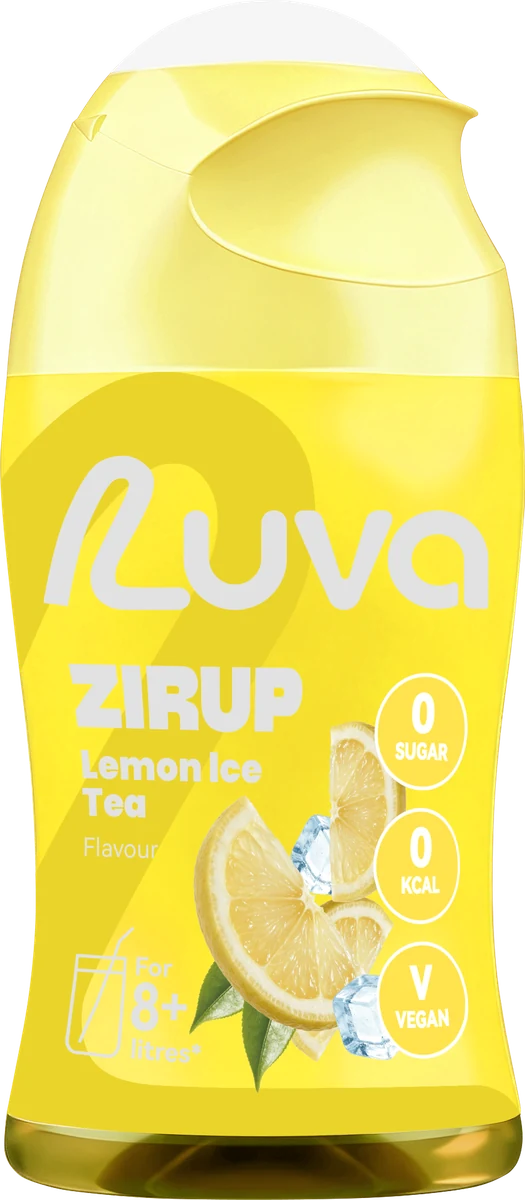
ZERUP Lemon Iced Tea
Sugar-free syrup for water · 65 ml makes about 16 glasses · halal · AED 19
Common myths about what counts as water
Myth: Only plain water counts toward hydration. False. All fluids contribute, including tea, coffee, milk, soup and even high-water foods such as cucumber and watermelon. Plain water is the simplest and healthiest choice, but it is not the only one.
Myth: Sparkling water dehydrates you. False. Sparkling water hydrates just as well as still water. The bubbles do not reduce fluid absorption.
Myth: Coffee and tea dehydrate you. Outdated. While caffeine is a mild diuretic (it increases urine production slightly), the fluid in the drink more than offsets the effect. Studies show that moderate coffee and tea intake (up to about 400 mg caffeine per day, roughly four cups of coffee) contributes to daily fluid intake. Very high caffeine intake can increase fluid loss, but typical amounts are fine.
Myth: You must drink eight glasses of plain water a day. Misleading. The "eight glasses" rule is a rough guideline (about 2 litres) and does not account for climate, activity, body size or fluid from food. In the UAE's heat, most adults need more than 2 litres, and it can come from any hydrating drink. For personalised advice, see our how much water in Dubai guide.
Is flavoured water bad for your teeth?
It depends on the ingredients. Plain water and water with a sugar-free syrup (no fruit juice, no added acid) are not harmful to teeth. Sugar-free sweeteners such as sucralose and acesulfame K do not feed the bacteria that cause decay.
Fruit-infused water (lemon, lime, berries) and unsweetened tea can be mildly acidic, and frequent sipping of acidic drinks can soften tooth enamel over time. To protect your teeth: drink flavoured water with meals rather than sipping all day, rinse your mouth with plain water afterward, and wait at least 30 minutes before brushing (brushing immediately after acid exposure can damage softened enamel). Avoid flavoured drinks with added sugar or citric acid as a preservative if you are concerned about dental health.
If you are switching from sugary soft drinks to sugar-free flavoured water, your teeth will benefit enormously. For context on sugar in drinks, read sugar in drinks: teaspoons.

Should I still drink some plain water?
You do not have to, but many people find it helpful. Plain water is the simplest, cheapest and most tooth-friendly option, and it is always available. If you drink only flavoured water, tea or coffee, you are still hydrating—but plain water is a good baseline, especially first thing in the morning or after exercise.
A practical approach: aim for at least half your daily fluid as plain or lightly flavoured water, and enjoy tea, coffee or other drinks for the rest. If plain water tastes boring to you, read our guide on why water tastes boring and what to drink if you don't like water.
How to track your water intake in Dubai
Counting every millilitre is unnecessary. A simple bottle method works well: fill a 1-litre reusable bottle in the morning and aim to finish it twice during the day (once by lunch, once by evening). That gives you 2 litres from water alone, plus fluid from food, tea or coffee.
In hot weather or after the gym, you will need more. Signs you are drinking enough: pale yellow urine, no persistent thirst, no headache or dizziness. Dark urine or feeling thirsty most of the day means you need to drink more. For hydration around exercise, see our gym hydration in UAE heat guide.
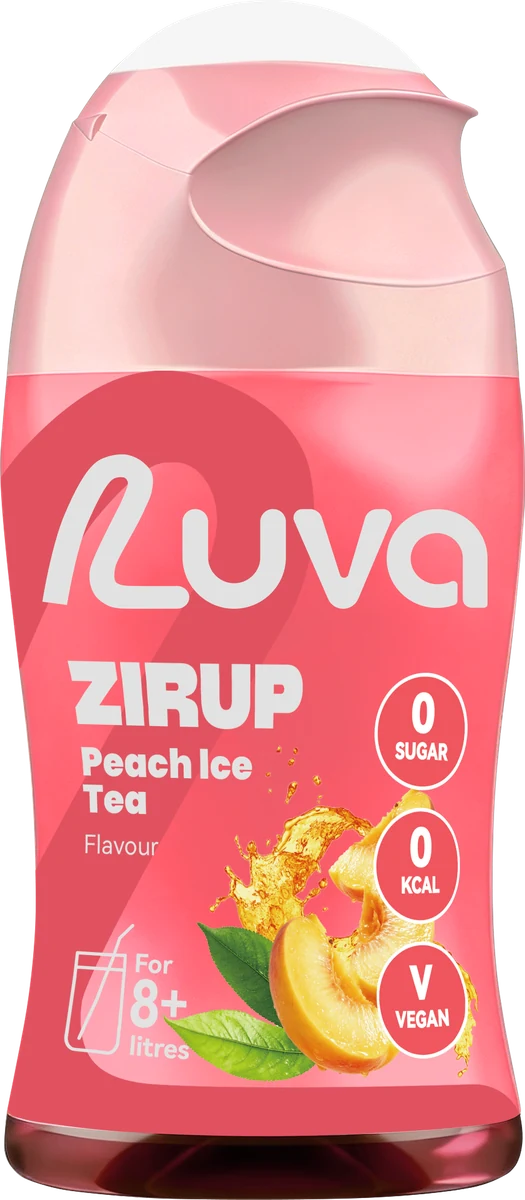
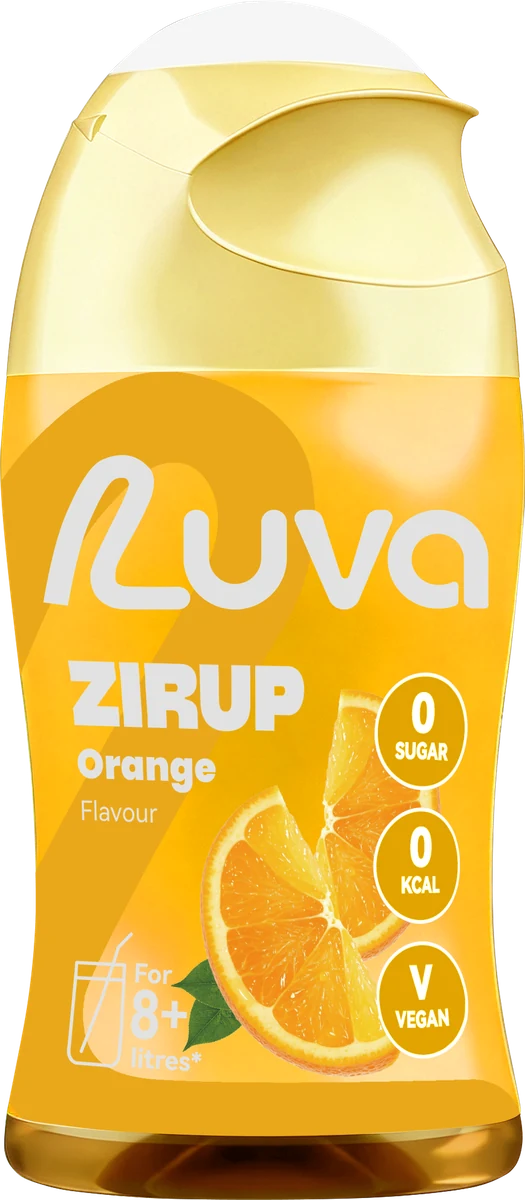
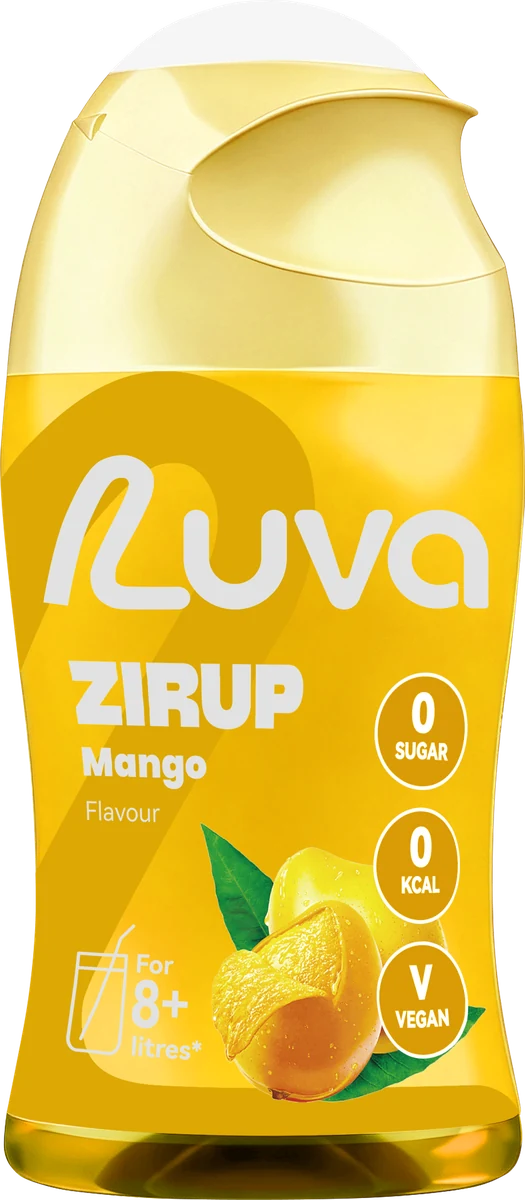
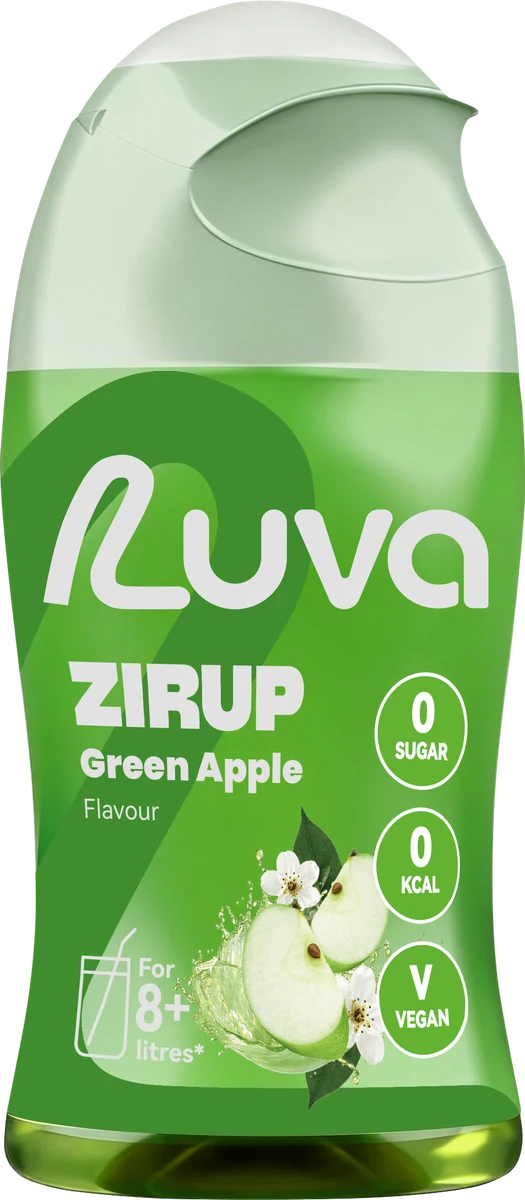
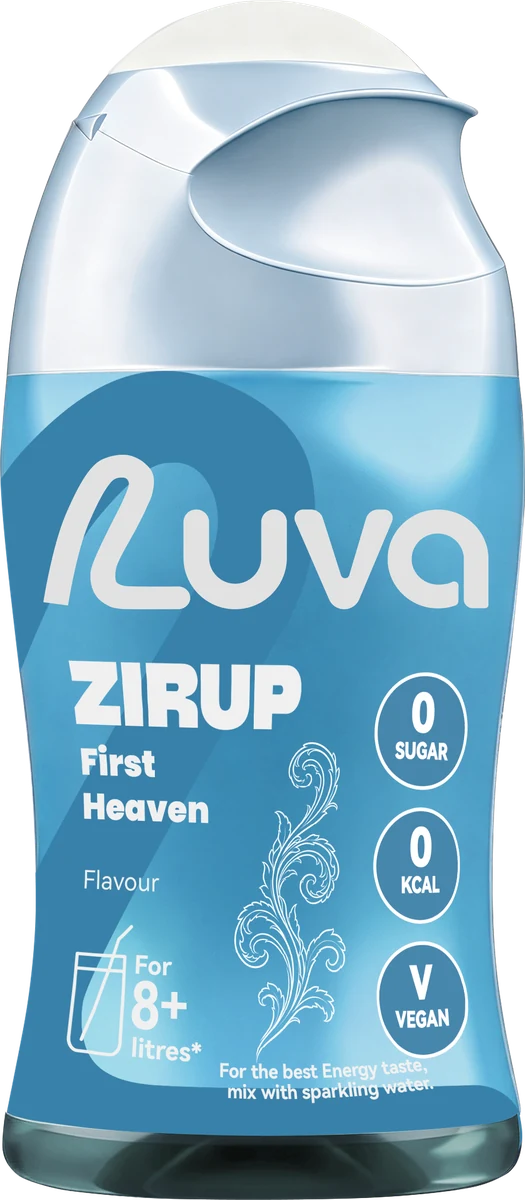
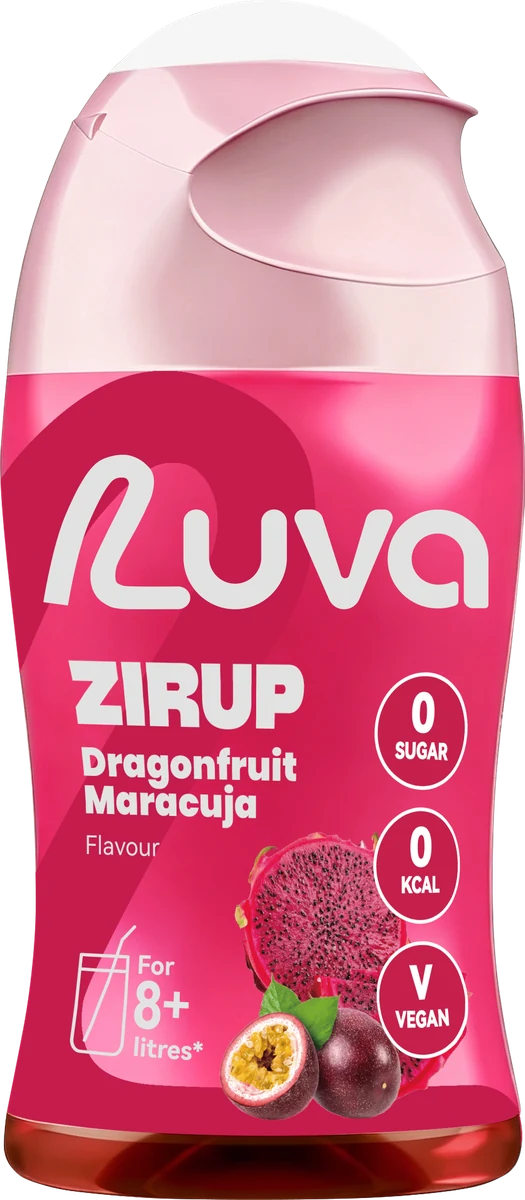
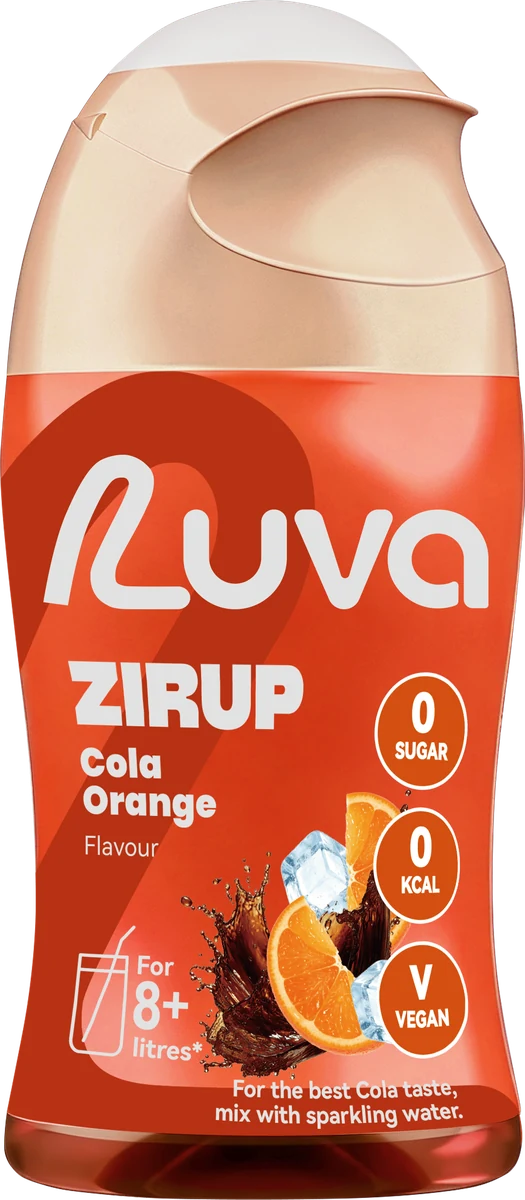
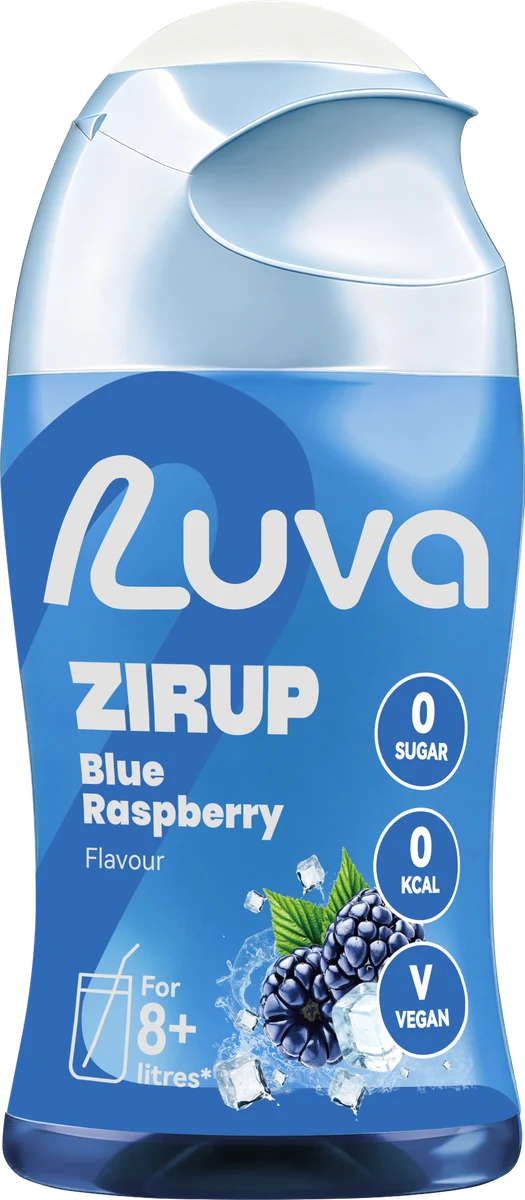
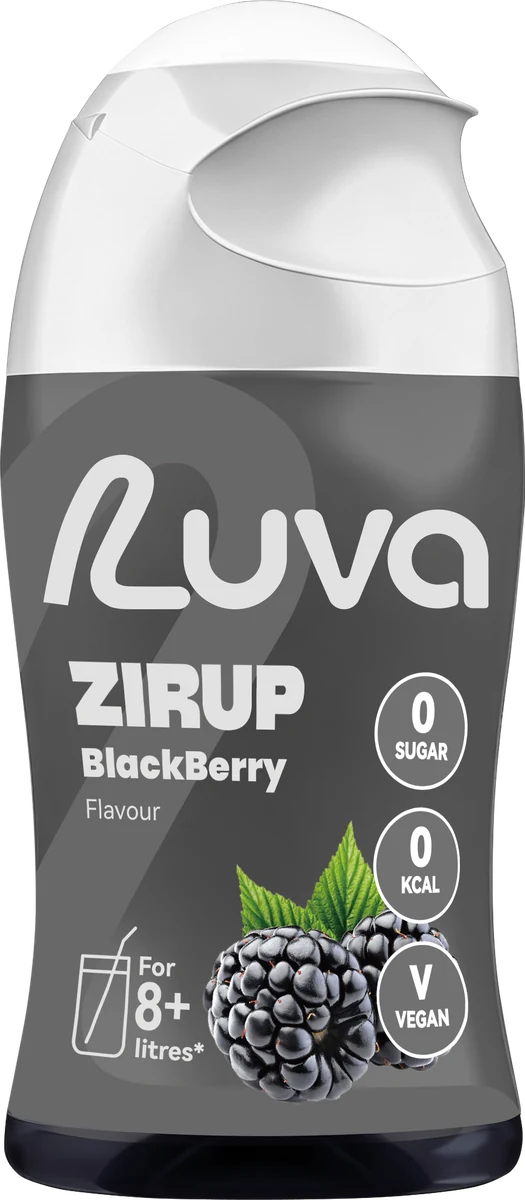
If you find plain water hard to drink, a sugar-free syrup can make the difference. One 65 ml bottle of ZERUP makes about 16 glasses (8+ litres) of flavoured water for AED 19, or three bottles for AED 49 (mix and match, about AED 2.04 per litre). Choose from ten flavours, including Peach Iced Tea, Lemon Iced Tea, Mango and Dragonfruit Passionfruit. All are caffeine-free, halal certified and contain 0 g sugar and almost no calories.

ZERUP by LUVA: 10 sugar-free flavours
Syrup for cold still or sparkling water · 65 ml makes 8+ litres · AED 19, any 3 for AED 49
A note on sweeteners in flavoured water
Sugar-free flavoured water is sweetened with approved low-calorie or no-calorie sweeteners such as sucralose, acesulfame K, stevia or aspartame. These are considered safe by food-safety authorities worldwide, including the European Food Safety Authority (EFSA) and the US Food and Drug Administration (FDA), when consumed within the acceptable daily intake (ADI).
In 2023, the World Health Organization (WHO) issued a conditional recommendation suggesting that non-sugar sweeteners should not be used as a means of weight control, based on observational studies. The WHO did not say sweeteners are unsafe; it said the evidence for long-term weight-loss benefits is weak. For most people, replacing sugary drinks with sugar-free options reduces calorie and sugar intake, which benefits dental and metabolic health. For a detailed look at the evidence, read our guide on are sweeteners safe.
What about children?
The same principles apply: flavoured water counts as water for children, too. Plain water is the best everyday drink for kids, but a sugar-free flavoured option can help if they refuse plain water or are used to sugary juice and soft drinks. Avoid giving children drinks with caffeine (including some teas and energy drinks).
Teach children to drink water with meals and throughout the day, especially after playing outside in the UAE heat. For practical tips, see our guide on how to help kids drink more water.
The bottom line
Flavoured water counts as water. Whether you add a sugar-free syrup, a slice of lemon or a tea bag, your body absorbs the fluid and it contributes to your daily intake. What matters is what else is in the drink: choose sugar-free options, watch for high caffeine or acid if you sip all day, and aim for at least 2 to 3 litres of total fluid per day in the UAE (more in heat or with activity). If plain water bores you, a sugar-free syrup such as ZERUP makes it easy to stay hydrated without sugar, calories or compromise.
Frequently asked questions
Does flavoured water count as water intake?
Yes, water with a sugar-free flavour (syrup, fruit, tea) counts fully toward your daily fluid intake. Your body absorbs the water; the flavour does not change that. What matters is avoiding added sugar and excessive caffeine.
Does sparkling water count as water?
Yes, sparkling water counts just as much as still water. The carbon dioxide bubbles do not reduce hydration. Drink sparkling water freely if you prefer it.
Do water enhancers and drink syrups count as water?
Yes, if they are sugar-free. A sugar-free syrup or powder adds flavour without changing the fact that you are drinking water. Check the label for sugar and calories.
Is flavoured water bad for your teeth?
Sugar-free flavoured water is not harmful. Fruit-infused water and tea can be mildly acidic; drink them with meals and rinse with plain water afterward to protect enamel. Avoid drinks with added sugar.
Should I still drink some plain water every day?
You do not have to, but plain water is simple, cheap and always available. Many people find it helpful to drink at least half their daily fluid as plain or lightly flavoured water, with tea or coffee for the rest.
How much water should I drink in Dubai?
The EFSA adequate intake is 2.0 litres per day for women and 2.5 litres for men in moderate conditions, but most adults in the UAE need 3 to 4 litres or more due to heat and air conditioning. Pale yellow urine and no persistent thirst are good signs you are drinking enough.
Can I drink only flavoured water and no plain water?
Yes, you can. As long as the flavoured water is sugar-free and you drink enough total fluid, you are hydrating properly. Plain water is convenient and tooth-friendly, but it is not mandatory.
Are sweeteners in flavoured water safe?
Yes, approved sweeteners such as sucralose and acesulfame K are safe when consumed within the acceptable daily intake (ADI) set by EFSA and other authorities. The WHO's 2023 guideline questioned their role in weight control, not their safety.
Shop sugar-free ZERUP
Sugar-free · Halal · AED 19, any 3 for AED 49 · Delivered within 12 hours across the UAE, free over AED 200
Keep reading
- I don’t like water: what to drink
- How much water in Dubai
- Flavoured water without sugar
- Are sweeteners safe?
- Water tastes boring?
Sources
- EFSA Panel on Dietetic Products, Nutrition and Allergies (2010). Scientific Opinion on Dietary Reference Values for water. EFSA Journal www.efsa.europa.eu
- Killer SC, Blannin AK, Jeukendrup AE (2014). No evidence of dehydration with moderate daily coffee intake: a counterbalanced cross-over study in a free-living population. PLoS One www.ncbi.nlm.nih.gov
- World Health Organization (2023). Use of non-sugar sweeteners: WHO guideline. WHO www.who.int
- NHS. Water, drinks and your health www.nhs.uk
- Cuomo R, Grasso R, Sarnelli G et al. (2002). Effects of carbonated water on functional dyspepsia and constipation. European Journal of Gastroenterology & Hepatology pubmed.ncbi.nlm.nih.gov
This article is general information and does not replace advice from a doctor, dietitian or other qualified professional. Last reviewed: October 2026.