




Quick answer: Carbonate plain cold water in your soda maker first, then add about 4 ml of sugar-free syrup per 500 ml and tilt the bottle gently to mix. Adding syrup before carbonating will cause foam and overflow—most soda-maker manuals say to carbonate water only. ZERUP by LUVA offers ten flavours that work brilliantly in sparkling water, from Cola Orange and First Heaven to fruity options like Blackberry and Dragonfruit Passionfruit, with almost no calories and no sugar.
If you own a home carbonator in the UAE, you've probably wondered how to add flavour without the sugar and calories of shop-bought soft drinks. Sugar-free syrup for sparkling water is the answer: a few drops turn plain fizzy water into a refreshing drink that tastes like soda but costs a fraction and contains almost no calories. Below you'll find the technique, ten flavour ideas with exact ratios, and answers to the questions people ask most.
Why carbonate first, then add syrup
The golden rule for any soda maker is carbonate plain water only, then add flavour. If you squeeze syrup into the bottle before carbonating, the dissolved sugars, sweeteners or acids act as nucleation sites—tiny spots where CO₂ bubbles form instantly. The result is a volcano of foam that overflows the bottle, wastes syrup and makes a sticky mess. Most soda-maker manuals say the same thing: flavour the water after carbonating.
The correct method is simple. Fill the bottle with very cold still water to the marked line, screw it onto the machine and carbonate to your preferred level of fizz. Remove the bottle, then slowly add about 4 ml of ZERUP sugar-free syrup per 500 ml (a short squeeze, a little less than a teaspoon). Tilt the bottle gently to mix rather than shaking it—shaking releases CO₂ and flattens the drink. Close the cap straight away to trap the bubbles, and your sparkling flavoured water is ready.
Very cold water holds more dissolved CO₂, so chill your water in the fridge or add ice to the glass after carbonating. Drink flavoured sparkling water the same day for the best fizz; it will stay bubbly longer if you keep the bottle tightly closed in the fridge.

Best sugar-free syrup flavours for sparkling water
Not every flavour suits fizz equally. Fruit and citrus notes shine in carbonated water, while some tea or tropical flavours can taste sharper when bubbly. Based on feedback from soda-maker users in Dubai and Abu Dhabi, here are the ZERUP flavours that work especially well sparkling:
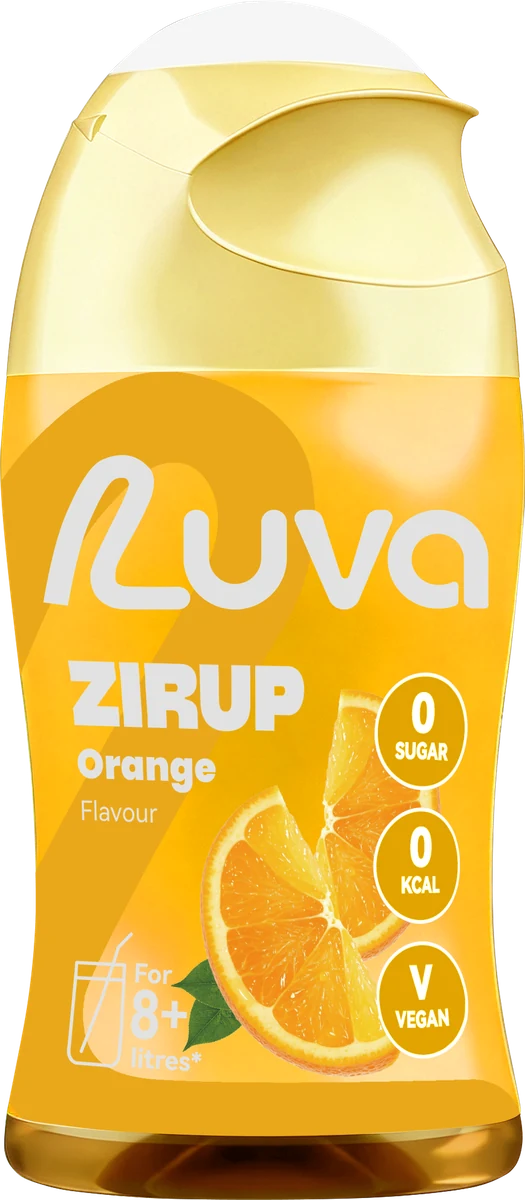
Orange – bright, zesty and reminiscent of classic orange soda. A squeeze in cold sparkling water tastes like orange fizz without the sugar.
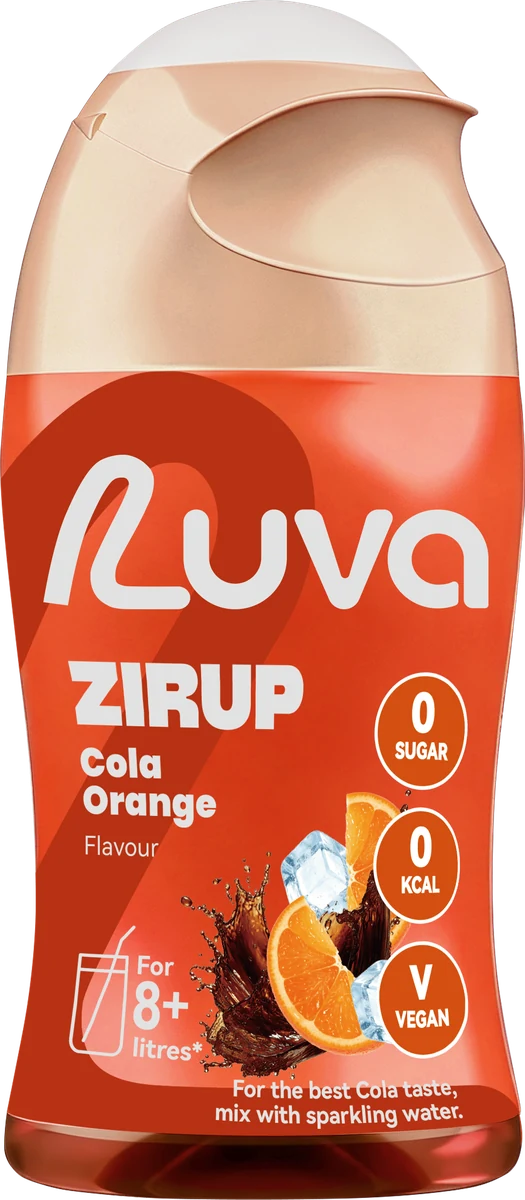
Cola Orange – a twist on traditional cola with a hint of orange. It delivers that familiar fizzy-cola experience, caffeine-free and almost no calories.
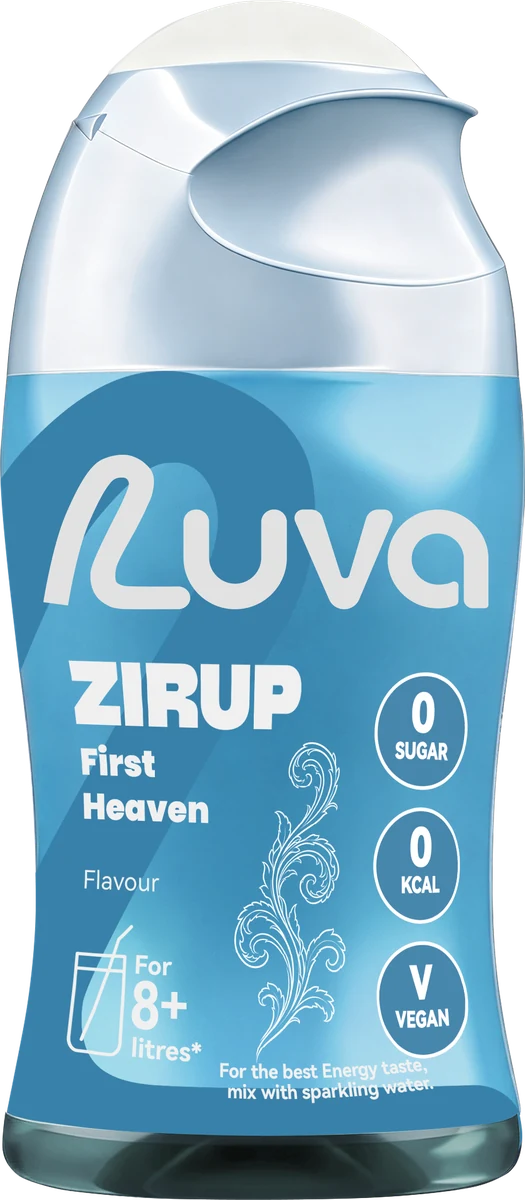
First Heaven – an energy-drink-style taste but with no caffeine, no sugar and almost no calories. Popular with gym-goers who want the taste without the stimulants.
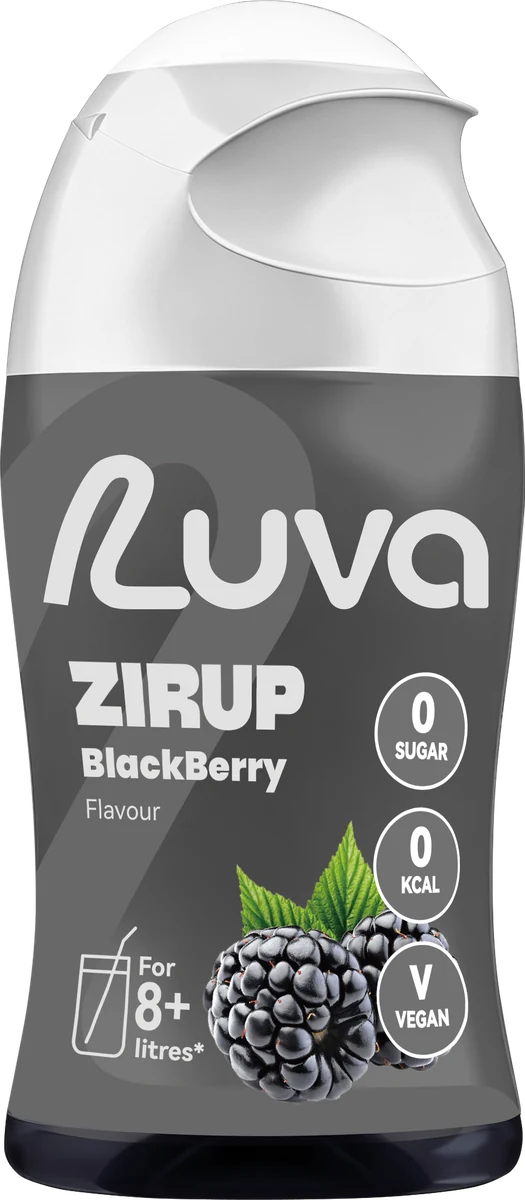
Blackberry – deep berry flavour that balances sweet and tart. A squeeze of lime juice takes it to the next level.
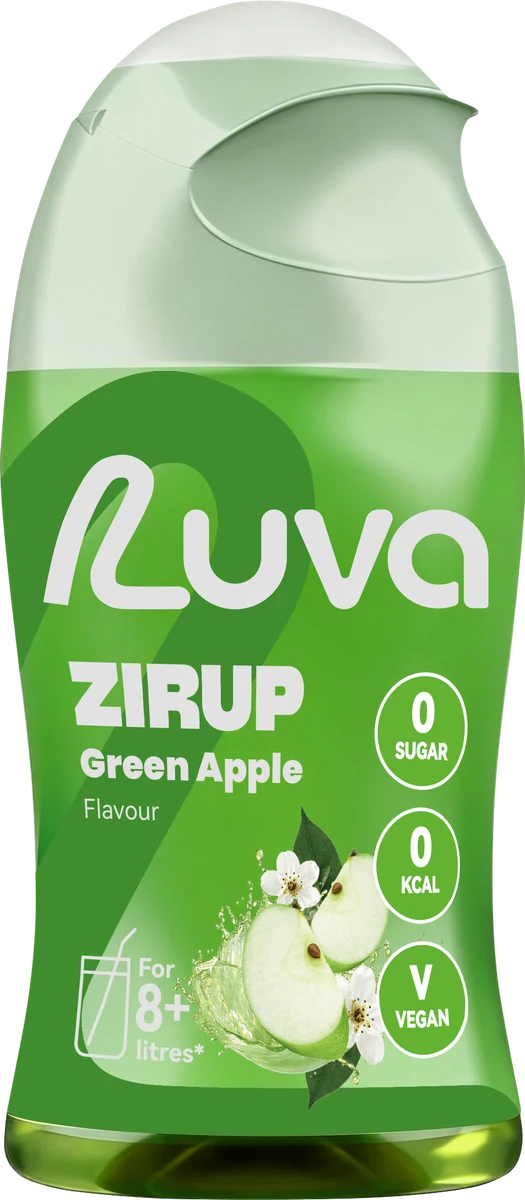
Green Apple – crisp and refreshing, like biting into a Granny Smith. Pairs beautifully with fresh mint for a sparkling mojito vibe (alcohol-free).
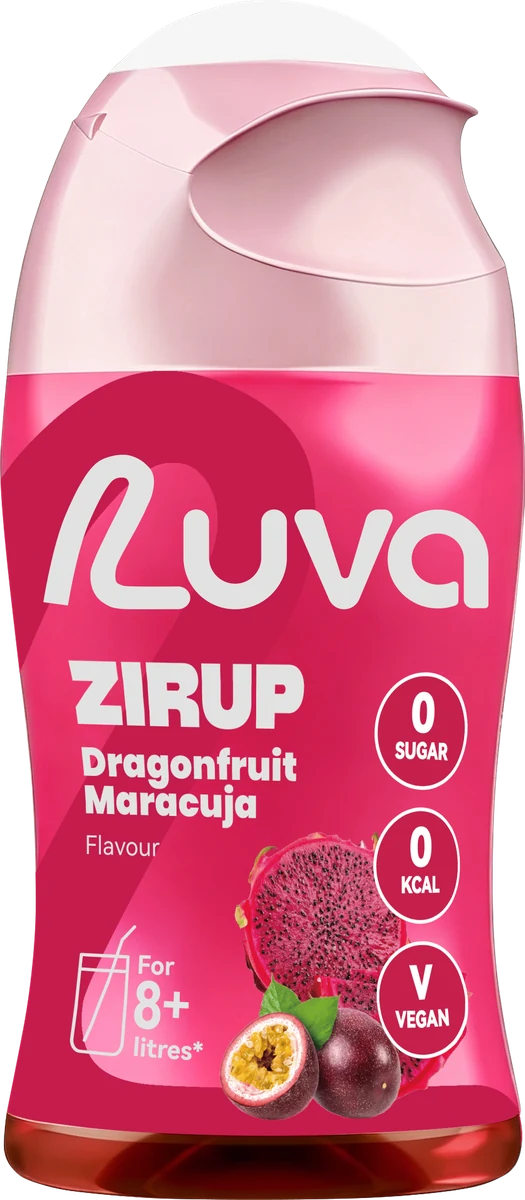
Dragonfruit Passionfruit – exotic, tropical and slightly tangy. A wedge of lemon or lime brings out the passionfruit.
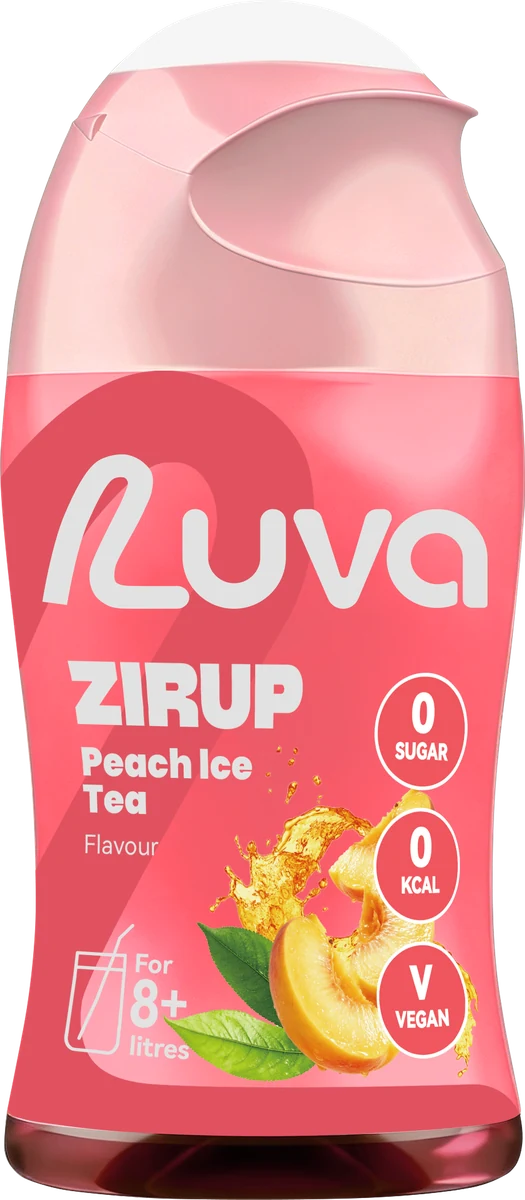
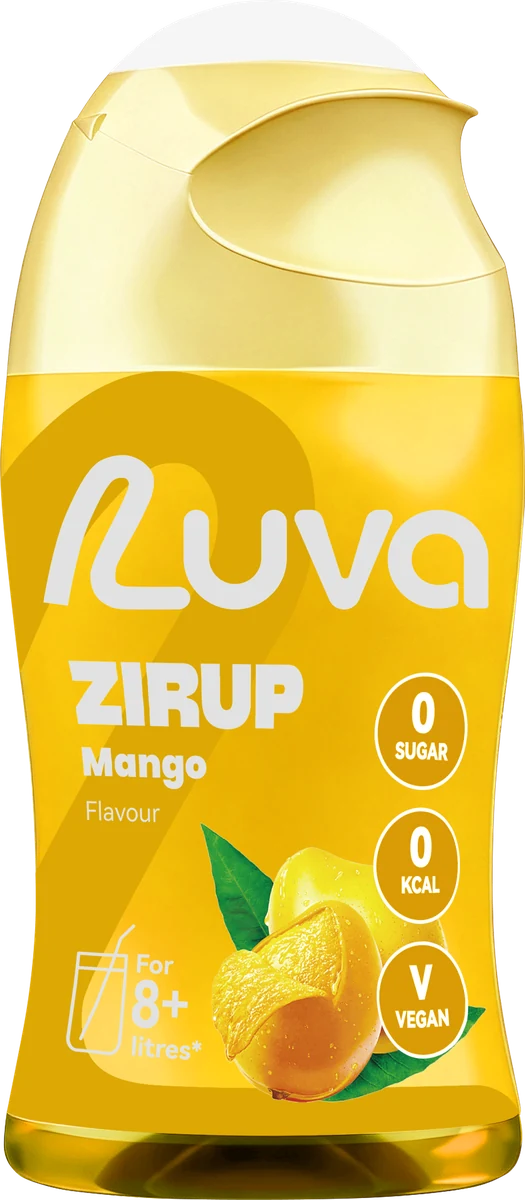
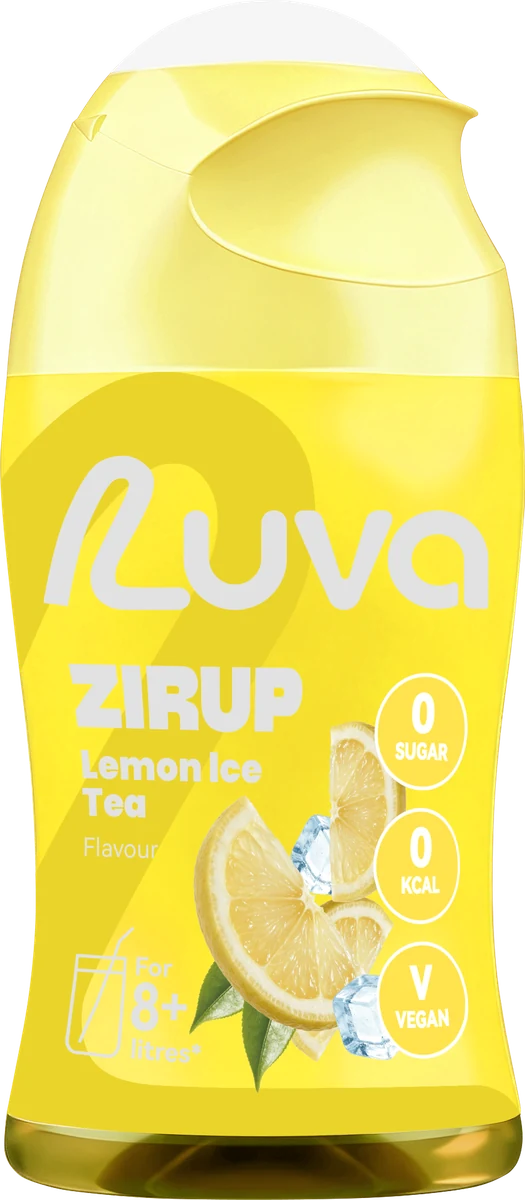
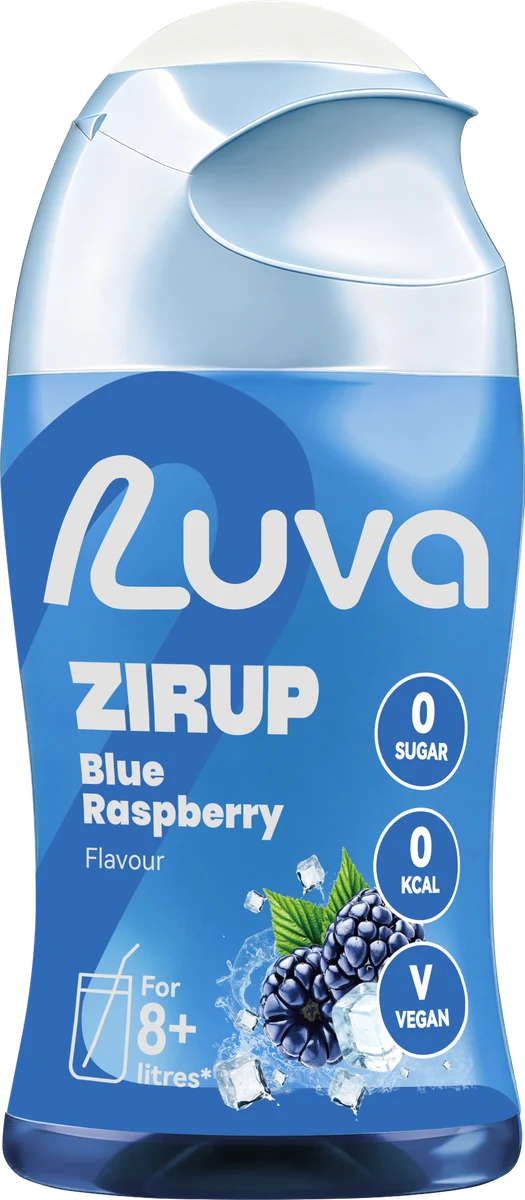
The iced-tea flavours (Peach, Lemon) and Mango also work sparkling, though some people prefer them still. Blue Raspberry is fun and kid-friendly in fizzy water. Try a few and see which you reach for most—everyone's taste is different.

ZERUP Cola Orange
Sugar-free syrup for water · 65 ml makes about 16 glasses · halal · AED 19
Ten sparkling-water flavour ideas (with ratios)
Here are ten numbered recipes to try at home. Each starts with 500 ml of freshly carbonated cold water. Adjust the syrup to taste—some like it subtle, others prefer a bolder flavour.
- Classic Cola Orange spritz – 4 ml Cola Orange ZERUP, squeeze of fresh lime, lime wedge in the glass. Tastes like a sugar-free cola with a citrus twist.
- Orange soda with zest – 4 ml Orange ZERUP, twist of fresh orange peel over the glass to release the oils, optional orange slice. Bright, sunny and very close to shop-bought orange fizz.
- First Heaven energy soda – 4 ml First Heaven ZERUP in ice-cold sparkling water. The carbonation amplifies the energy-drink flavour. Serve over ice, no caffeine crash.
- Blackberry lime fizz – 4 ml Blackberry ZERUP, juice of half a lime, lime wheel. Deep purple colour (from the syrup), tart-sweet balance, very Instagram-friendly.
- Sparkling apple mojito (alcohol-free) – 4 ml Green Apple ZERUP, 4-5 fresh mint leaves (slap them between your palms first to release the oils), lime wedge. Muddle the mint gently in the glass, add ice, pour the sparkling water and syrup, stir. Refreshing and perfect for a Dubai afternoon.
- Dragonfruit passionfruit sparkler – 4 ml Dragonfruit Passionfruit ZERUP, squeeze of lemon, lemon slice. Tropical, tangy and exotic.
- Mango sparkling limeade – 4 ml Mango ZERUP, juice of half a lime, lime wheel. Sweet mango with a citrus kick, like a sugar-free version of a mango soda.
- Blue Raspberry lemon pop – 4 ml Blue Raspberry ZERUP, thin lemon slice. Fun electric-blue colour, sweet-tart flavour, kids love it.
- Lemon iced tea soda – 4 ml Lemon Iced Tea ZERUP in sparkling water, lemon wedge. Tastes like a fizzy iced tea and lemonade mix but with almost no calories. Some prefer this still, but it's worth trying bubbly.
- Peach-apple fusion – 2 ml Peach Iced Tea ZERUP + 2 ml Green Apple ZERUP in 500 ml sparkling water. Mixing two flavours opens up endless combinations; this one is fruity, crisp and slightly floral.
For a 1-litre bottle, double the syrup (about 8 ml total). For a big jug to share—say 2 litres—use about 16 ml. Always add the syrup after carbonating and mix gently.

Cost comparison: homemade vs shop-bought soft drinks
One 65 ml bottle of ZERUP makes about 8 litres of flavoured drink (16 glasses of 500 ml). At AED 19 per bottle, that's roughly AED 2.40 per litre, or about AED 1.20 per 500 ml glass. If you buy any three bottles for AED 49 (mix and match), the cost drops to about AED 2.04 per litre, or just over AED 1 per glass.
Compare that to a 330 ml can of soft drink, which typically costs AED 2–3 in a Dubai supermarket (more in a café or petrol station). Per litre, canned soft drinks work out to AED 6–9 or higher, and they come with 30–40 g of sugar per can. A 1.5 L bottle of branded soda costs AED 5–8, so about AED 3.30–5.30 per litre—still more than homemade, and you're left with a large plastic bottle to recycle.
With a soda maker and ZERUP, you control the flavour strength, the fizz level and the ingredients. You also cut down on single-use cans and bottles. Over a month, a family that drinks a litre of soft drinks a day will save AED 100–200 by switching to homemade sparkling water with sugar-free syrup. The soda maker pays for itself within a few months, and the only running cost is CO₂ canisters (widely available in the UAE) and syrup.
For more ideas on kicking the soft-drink habit, see our guide on how to quit soft drinks.

ZERUP Blackberry
Sugar-free syrup for water · 65 ml makes about 16 glasses · halal · AED 19
A note on teeth and acidity
Sparkling water is slightly more acidic than still water because dissolved CO₂ forms weak carbonic acid (pH around 5, compared to neutral pH 7 for still water). This is much less acidic than cola (pH 2.5) or orange juice (pH 3.5), and research suggests that plain sparkling water poses minimal risk to tooth enamel when consumed as part of a normal diet.
Adding a sugar-free syrup like ZERUP does not add sugar—the main culprit in tooth decay—but some fruit flavours contain citric or malic acid for tartness, which can lower the pH slightly. To protect your teeth, drink flavoured sparkling water with meals rather than sipping it all day, and rinse your mouth with plain water afterwards. Avoid brushing immediately after acidic drinks (wait 30–60 minutes), because enamel is temporarily softer. If you have concerns about enamel erosion or sensitive teeth, ask your dentist.
The good news: switching from sugary fizzy drinks to sugar-free sparkling water is a huge win for your teeth. No sugar means no fuel for the bacteria that cause cavities, and the acidity of sparkling water is far gentler than that of soft drinks or fruit juice.
Technique tips for the best fizz and flavour
Use very cold water. CO₂ dissolves better in cold liquid, so chill your water in the fridge before carbonating. Some people even add ice to the glass after carbonating (never put ice in the soda-maker bottle).
Fill to the line. Overfilling leaves no headspace for CO₂ and can cause leaks or weak carbonation. Underfilling wastes gas. Follow the bottle's fill line.
Carbonate to taste. Most machines let you press the button multiple times. Two or three buzzes give a gentle fizz; four or five make it very bubbly. Experiment to find your sweet spot.
Add syrup slowly. Pour the syrup down the inside of the bottle or into the glass, not straight into the centre of the liquid, to avoid a sudden release of bubbles.
Tilt, don't shake. Tilt the bottle back and forth a few times to mix. Shaking releases CO₂ and flattens the drink.
Close the cap immediately. CO₂ escapes quickly from an open bottle. If you're making a jug, cover it or transfer to a bottle with a tight seal.
Drink fresh. Flavoured sparkling water tastes best within a few hours. It will stay fizzy for a day or two in the fridge if tightly closed, but the bubbles fade faster once syrup is added (compared to plain sparkling water).
For step-by-step mixing instructions and flavour-strength tips, see how to use zero syrup.
Mixing flavours and adding garnishes
One of the joys of homemade sparkling water is experimenting. Try mixing two ZERUP flavours—about 2 ml of each in 500 ml of water. Combinations to try include Peach Iced Tea + Green Apple (recipe 10 above), Mango + Dragonfruit Passionfruit, or Lemon Iced Tea + Blackberry.
Fresh garnishes make a big difference. A wedge of lime, lemon or orange adds natural citrus oils and looks appealing. Fresh mint, basil or rosemary bring herbal notes (muddle gently or just drop a sprig in the glass). A few frozen berries act as edible ice cubes and release flavour as they thaw. Cucumber slices, a twist of grapefruit peel or a few pomegranate seeds all work beautifully.
For inspiration on alcohol-free drinks with garnishes, browse our sugar-free mocktails guide. Many of those recipes start with sparkling water and ZERUP.
Does flavoured sparkling water count towards your daily water intake?
Yes. Plain sparkling water hydrates just as well as still water—the bubbles don't change that. Adding a few millilitres of sugar-free syrup (which is mostly water and glycerin, with flavourings and sweeteners) doesn't alter the hydration benefit in any meaningful way. A 500 ml glass of ZERUP-flavoured sparkling water contributes 500 ml to your daily fluid intake.
The caffeine-free guarantee matters here: all ten ZERUP flavours, including the iced teas and First Heaven, contain no caffeine, so they won't have a diuretic effect. (Caffeine in large amounts can increase urine output slightly, though moderate caffeine intake still contributes to hydration overall.)
If sparkling water helps you drink more fluids—because you find it more interesting than plain still water—that's a win. Many people in the UAE struggle to drink enough in the heat and dry air-conditioned offices; flavoured fizzy water can be the nudge you need. For more on daily water needs in Dubai and Abu Dhabi, see how much water should you drink in Dubai? and does flavoured water count as water?.
Where to buy sugar-free syrup for soda makers in the UAE
ZERUP by LUVA is a UAE brand from Dubai, with ten flavours designed for the Gulf market. Each 65 ml bottle costs AED 19, or choose any three for AED 49 (mix and match, saving AED 8). One bottle makes about 8 litres—roughly 16 glasses of 500 ml—so the cost per glass is about AED 1.20, or just over AED 1 with the three-bottle offer.
LUVA delivers to all seven Emirates (Dubai, Abu Dhabi, Sharjah, Ajman, Umm Al Quwain, Ras Al Khaimah, Fujairah) within 12 hours, with free delivery on orders over AED 200. Prices include 5 % VAT. Every bottle is halal certified and vegan, with 0 g sugar and almost no calories (approximately 2–3 kcal per 100 ml prepared drink). The syrups use glycerin as a carrier and are sweetened with acesulfame K and sucralose—no aspartame, no xylitol or erythritol.
You can also explore the ZERUP flavour guide to read tasting notes and find your favourites, or try the LUVA Starter Bundle (all ten ZERUP flavours plus both tins of Creatine Gummies, AED 382.20 instead of AED 588).
For German speakers searching "sirup für wassersprudler ohne zucker," ZERUP by LUVA is the local answer—no waiting for imports, no guessing about shipping, and flavours chosen with the UAE climate and tastes in mind.
The bottom line
Homemade sparkling water with sugar-free syrup is cheaper, healthier and more flexible than buying canned soft drinks. Carbonate plain cold water first, then add about 4 ml of ZERUP per 500 ml and mix gently—never add syrup before carbonating. Try the ten flavour ideas above, experiment with garnishes and two-flavour mixes, and enjoy fizzy drinks that cost about AED 1 per glass, contain almost no calories and taste exactly how you like them.
Frequently asked questions
Can I put syrup in the soda-maker bottle before carbonating?
No. Always carbonate plain water first, then add syrup. Adding syrup before carbonating causes foam and overflow because the sweeteners and acids create nucleation sites for CO₂ bubbles. Every soda-maker manual says to carbonate water only, then flavour it afterwards.
Which ZERUP flavours are best for sparkling water?
Orange, Cola Orange, First Heaven, Blackberry, Green Apple and Dragonfruit Passionfruit work especially well in sparkling water. Mango, Blue Raspberry and the iced-tea flavours also work well. Try a few to find your favourites—taste is personal.
How much syrup per litre of sparkling water?
About 8 ml of ZERUP per litre (roughly 4 ml per 500 ml glass). Start with a short squeeze and adjust to taste. One 65 ml bottle makes about 8 litres, so you'll get 16 glasses of 500 ml from a single bottle.
Does sparkling water count as water for hydration?
Yes. Sparkling water hydrates just as well as still water. Adding a few millilitres of sugar-free syrup doesn't change that. All ZERUP flavours are caffeine-free, so they contribute fully to your daily fluid intake.
Can I make a sugar-free cola at home with a soda maker?
Yes. Carbonate cold water, then add about 4 ml of Cola Orange ZERUP per 500 ml. It tastes like a classic cola with a hint of orange, contains almost no calories, no sugar and no caffeine. Serve over ice with a lime wedge for the full experience.
How long does flavoured sparkling water keep its fizz?
Best drunk the same day. Carbonation fades faster once syrup is added, especially if the bottle is opened and closed repeatedly. Keep the bottle tightly sealed in the fridge to preserve bubbles for up to a day or two, but expect some loss of fizz.
Is sparkling water bad for your teeth?
Plain sparkling water is slightly acidic (pH around 5) but much less so than cola or juice, and research suggests minimal risk to enamel. Sugar-free syrup adds no sugar (the main cause of cavities), though some fruit flavours contain citric acid. Drink with meals, rinse with plain water afterwards and wait 30–60 minutes before brushing.
Can I mix two ZERUP flavours in sparkling water?
Absolutely. Use about 2 ml of each flavour in 500 ml of sparkling water. Mixes to try include Peach Iced Tea + Green Apple, Mango + Dragonfruit Passionfruit, or Lemon Iced Tea + Blackberry. Experiment and find your own signature blend.
Pick your sparkling favourites
Pick your sparkling favourites
Sugar-free · Halal · AED 19, any 3 for AED 49 · Delivered within 12 hours across the UAE, free over AED 200
Keep reading
- How to use zero syrup
- Sugar-free mocktails
- How to quit soft drinks
- ZERUP flavour guide
- Drinks too sweet?
Sources
- Parry J, Shaw L, Arnaud MJ, Smith AJ. (2001). Investigation of mineral waters and soft drinks in relation to dental erosion. Journal of Oral Rehabilitation, 28(8):766-72 pubmed.ncbi.nlm.nih.gov
- European Food Safety Authority (EFSA). Sweeteners: safety assessments and re-evaluations, including acesulfame K and sucralose www.efsa.europa.eu
- NHS. Water, drinks and your health www.nhs.uk
This article is general information and does not replace advice from a doctor, dietitian or other qualified professional. Last reviewed: October 2026.