




Quick answer: If drinks taste too sweet, you're not alone—many ready-made soft drinks, juices and flavoured waters contain very high levels of sugar or intense sweeteners. The fix is to control the dose: dilute the drink, add ice or sparkling water, choose tea-based or tart flavours, or use a concentrate where you set the strength yourself. Research suggests that taste buds adapt over time, so a gradual step-down makes less-sweet drinks enjoyable within weeks.
Sweetness sells, and manufacturers know it. Walk into any supermarket in Dubai or Abu Dhabi and the shelves are stacked with drinks engineered to taste very sweet—often far sweeter than most people would choose if they mixed the drink themselves. Whether it's sugar or sweeteners, the result is the same: a cloying taste that leaves you thirsty rather than refreshed, especially in the UAE heat.
The good news is that you can retrain your palate and enjoy flavour without the sugar rush or the artificial aftertaste. This guide explains why drinks taste too sweet, how your taste buds adapt, and practical ways to dial down the sweetness in everything from bottled soft drinks to homemade flavoured water.
Why do so many drinks taste too sweet?
Commercial soft drinks, energy drinks, iced teas and flavoured waters are formulated to appeal to the widest audience, and decades of market research have shown that most consumers—especially in Western and Gulf markets—prefer a sweet taste. A standard 330 ml can of cola contains about 35 g of sugar (roughly nine teaspoons), and many fruit drinks and sweetened iced teas contain even more. Even "light" or sugar-free versions use intense sweeteners at levels that deliver a very sweet taste.
Sweetness masks other flavours and creates a sense of satisfaction, so brands push the level high to stand out on the shelf. But that doesn't mean it suits everyone. Many people—particularly those who grew up with less sweet diets, who have cut back on sugar, or who simply prefer savoury or tart flavours—find modern soft drinks unpleasantly sweet.
Your taste buds are also highly adaptable. If you've been drinking very sweet drinks for years, your threshold shifts upward; if you cut back, the threshold drops again within weeks. A controlled trial by Wise and colleagues (2016, published in the American Journal of Clinical Nutrition) found that after several months on a lower-sugar diet, participants rated desserts as significantly sweeter than they had at the start—evidence that reducing sugar intake recalibrates your perception of sweetness.

How your taste buds adapt to less sugar
Taste adaptation is real and surprisingly fast. When you consistently consume less sugar or fewer intense sweeteners, the sweet-taste receptors on your tongue become more sensitive. Within two to four weeks, foods and drinks that once tasted bland will taste pleasantly sweet, and drinks that once seemed normal will taste cloying.
This adaptation works in both directions. If you go back to high-sugar drinks after a break, they often taste shockingly sweet—a sign that your palate has reset. The key is to make the change gradually rather than all at once, so you don't feel deprived. A step-down plan (see the table below) lets your taste buds adjust week by week.
Children's palates adapt even faster than adults', which is why starting kids on lightly flavoured water rather than sugary juice boxes sets them up for a lifetime of healthier preferences. For more on helping children drink water, see our guide on how to get kids to drink more water.

ZERUP Lemon Iced Tea
Sugar-free syrup for water · 65 ml makes about 16 glasses · halal · AED 19
Four-week step-down plan to enjoy less-sweet drinks
If you currently drink very sweet soft drinks or use a full dose of syrup or squash, try this gradual reduction. Each week you'll cut the sweetness by about a quarter, giving your taste buds time to adjust.
| Week | Change | Example (500 ml glass) |
|---|---|---|
| 1 | Baseline: your usual drink | 4 ml ZERUP or 250 ml soft drink + 250 ml water |
| 2 | Reduce by 25% | 3 ml ZERUP or 200 ml soft drink + 300 ml water |
| 3 | Reduce by another 25% | 2.5 ml ZERUP or 150 ml soft drink + 350 ml water |
| 4 | Reduce by another 25% | 2 ml ZERUP or 100 ml soft drink + 400 ml water |
By week four, most people find that the lighter mix tastes perfectly flavoured—and the old full-strength version tastes far too sweet. You can stay at week-four levels or continue to plain water with just a hint of flavour (1–2 ml per 500 ml). The same principle works for café drinks: ask for half the usual pump of syrup, then quarter, then none.
Which ZERUP flavours taste less sweet?
All ZERUP flavours use the same sweetener blend (acesulfame K and sucralose) at similar levels, but some flavours read as less sweet because of their tartness, bitterness or tea notes. If you find drinks too sweet, start with these:
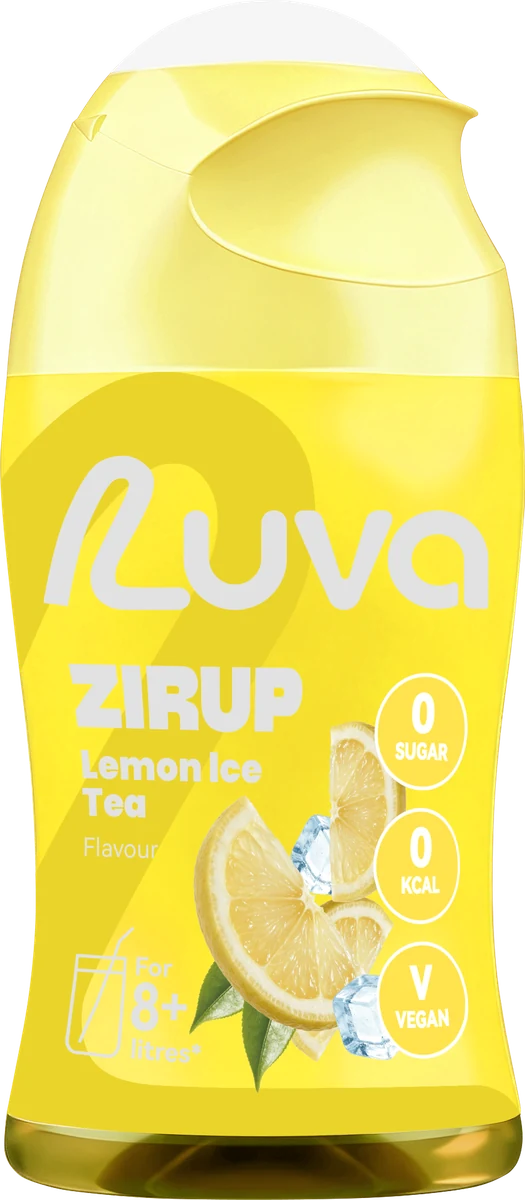
- Lemon Iced Tea: black-tea tannins and lemon acidity balance the sweetness; tastes like unsweetened iced tea with a light lemon note when mixed at 2–3 ml per 500 ml.
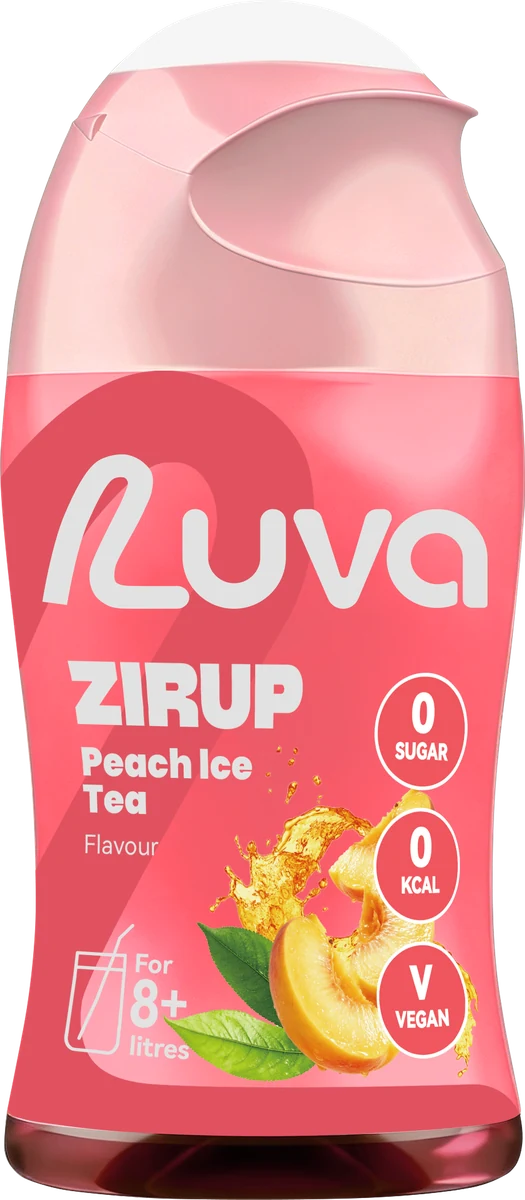
- Peach Iced Tea: similar tea base, softer fruit; still less cloying than pure-fruit flavours.
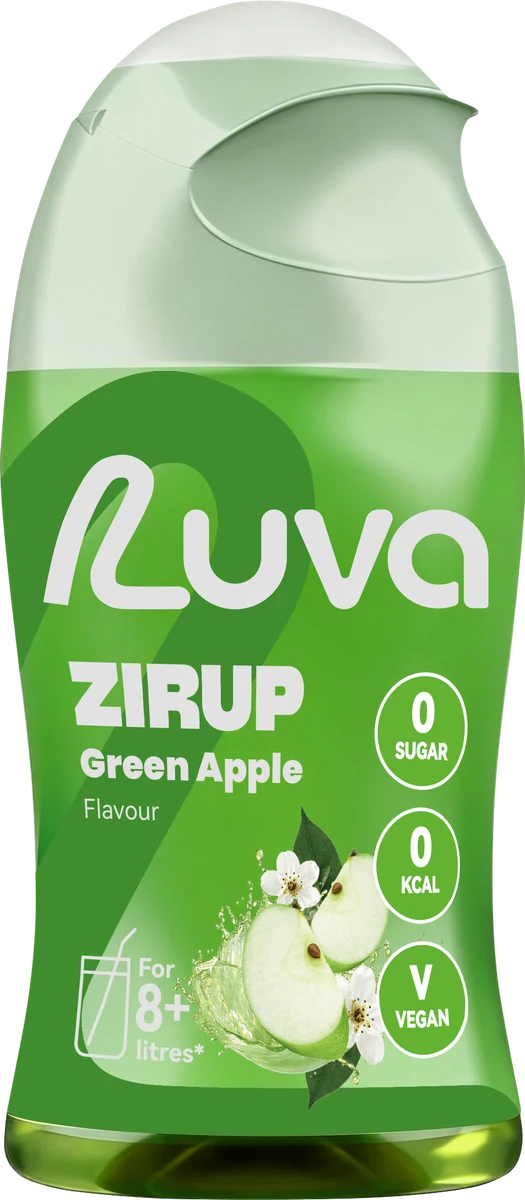
- Green Apple: tart Granny Smith apple flavour with a crisp, slightly sour finish.
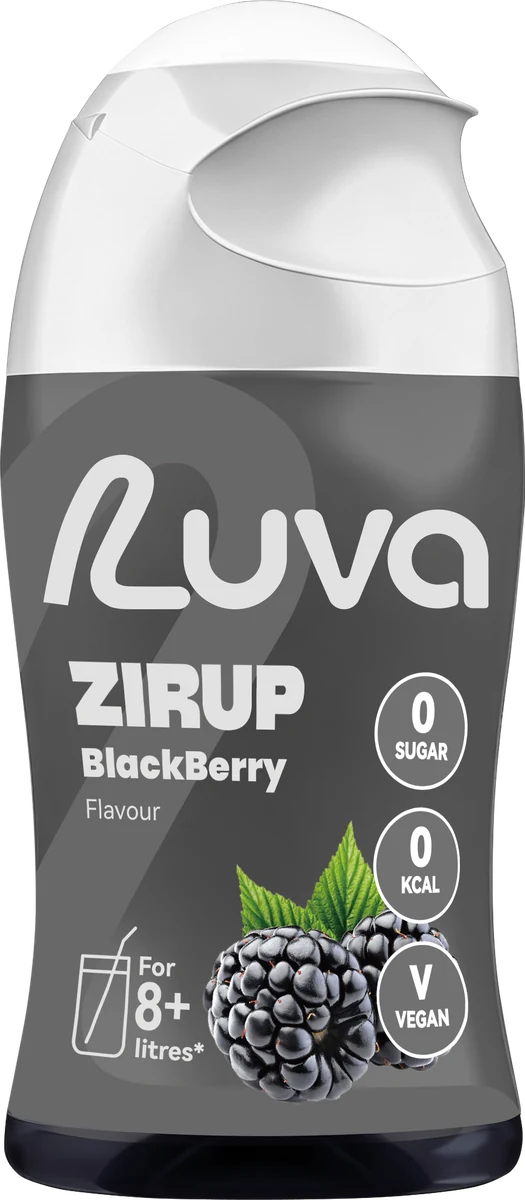
- Blackberry: berry sweetness with a tart, jammy edge; works well in sparkling water.
For a very light taste, try 2 ml per 500 ml instead of the standard 4 ml squeeze. You'll get flavour and aroma without a sweet punch. Mixing two flavours—say, 1 ml Lemon Iced Tea and 1 ml Green Apple—also creates complexity that distracts from pure sweetness.
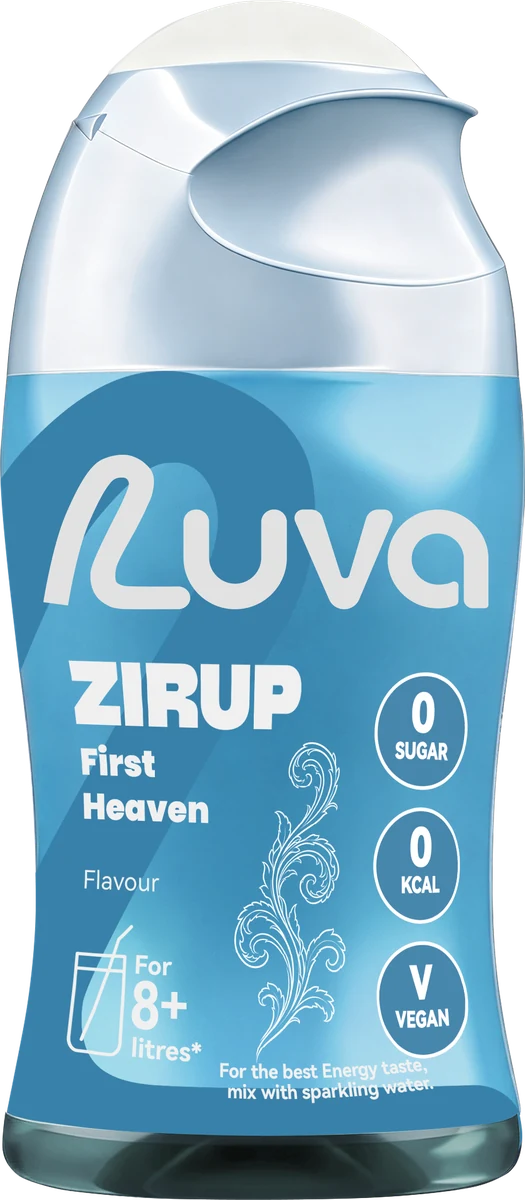
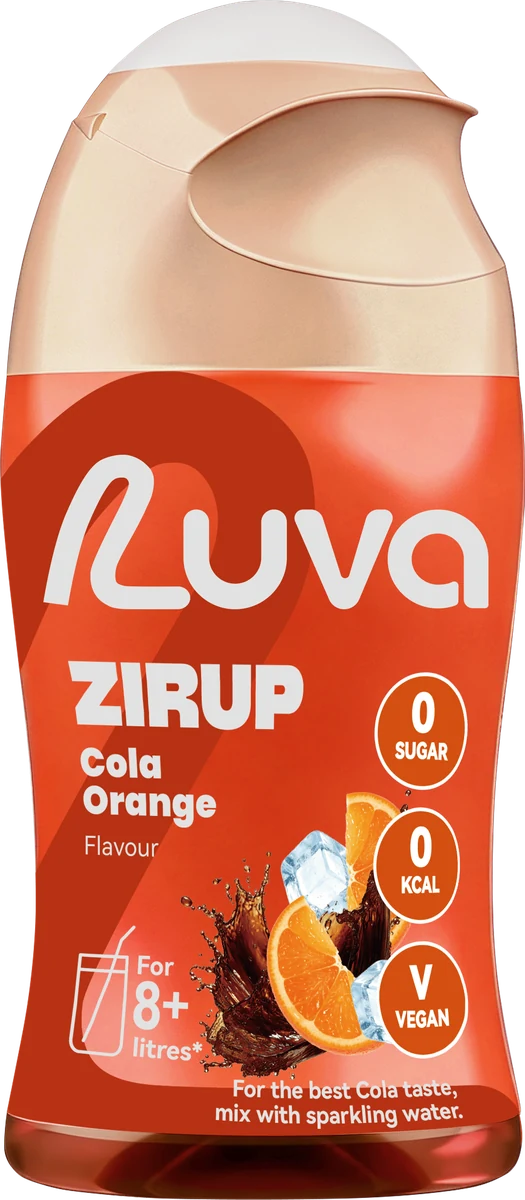
The Cola Orange and First Heaven flavours are designed to mimic soft drinks, so they taste sweeter even at the same dose. If you love cola but find it too sweet, try Cola Orange at 2 ml per 500 ml with plenty of ice and a squeeze of fresh lime.

Practical ways to make any drink less sweet
Whether you're using a syrup, a ready-made soft drink or a café order, these techniques dial down the sweetness without losing flavour:
Dilute with water or ice. The simplest fix: add more cold water or a handful of ice cubes. For bottled soft drinks, pour half into a glass, top up with still or sparkling water, and add ice. The flavour stays recognisable but the sweetness drops by half. In the UAE heat, ice melts fast—use it to your advantage.
Add sparkling water. Carbonation lifts flavour and makes drinks taste more refreshing, so you need less sweetness to feel satisfied. Mix ZERUP or any syrup with chilled sparkling water instead of still. If you have a home carbonation machine, carbonate the water first, then add the syrup gently to avoid overflow.
Add citrus or herbs. A squeeze of fresh lime, lemon or grapefruit adds acidity that balances sweetness. Mint, basil or rosemary add aromatic complexity. Try Peach Iced Tea with a sprig of mint and a lime wedge, or Blackberry with a slice of orange—the drink tastes more sophisticated and less one-note sweet.
Choose tea-based or bitter flavours. Iced tea (black, green or herbal) has natural tannins that cut sweetness. If you're buying ready-made iced tea in Dubai, look for unsweetened versions and add your own light dose of syrup or honey. Coffee-based drinks also taste less sweet than fruit sodas; ask for an Americano with a splash of flavoured syrup rather than a blended coffee drink.
Use less syrup or squash. If you mix your own drinks, simply use half or a quarter of the recommended dose. ZERUP's standard mix is about 4 ml per 500 ml (a short squeeze), but 2 ml still gives clear flavour—you'll taste peach or lemon without the syrupy sweetness. One 65 ml bottle will then make 16 litres instead of 8, saving money as well.
For more ideas on making water interesting without overdoing sweetness, see our guide on what to do when water tastes boring.

ZERUP Blackberry
Sugar-free syrup for water · 65 ml makes about 16 glasses · halal · AED 19
Café and restaurant tips in Dubai and Abu Dhabi
Ordering less-sweet drinks in UAE cafés is straightforward once you know the phrases:
- "Half syrup, please" or "one pump instead of two": baristas are used to this request. Most flavoured lattes and iced drinks use two to four pumps of syrup; cutting it in half still gives flavour but far less sweetness.
- "Less sugar" or "light sugar": for fresh juices, smoothies and traditional drinks like karak chai. The staff will use less condensed milk or sugar syrup.
- "Unsweetened iced tea": many chains offer unsweetened black or green iced tea; add your own sweetener if needed, or drink it plain with lemon.
- "No syrup, extra shot": for coffee lovers, an extra espresso shot adds flavour and body without sweetness.
If you're hosting at home and want to offer guests drinks that are not too sweet, set out a jug of lightly flavoured water (2 ml ZERUP per litre, plenty of ice, citrus slices) alongside a small bottle of syrup so guests can add more if they wish. Most will be pleasantly surprised by the lighter taste.
Less-sweet drinks for children
Children's taste buds are even more sensitive to sweetness than adults', yet many kids' drinks—juice boxes, flavoured milk, squash—are formulated to be very sweet. Starting children on lightly flavoured water helps them develop a preference for less-sweet drinks and reduces the risk of tooth decay and excessive sugar intake.
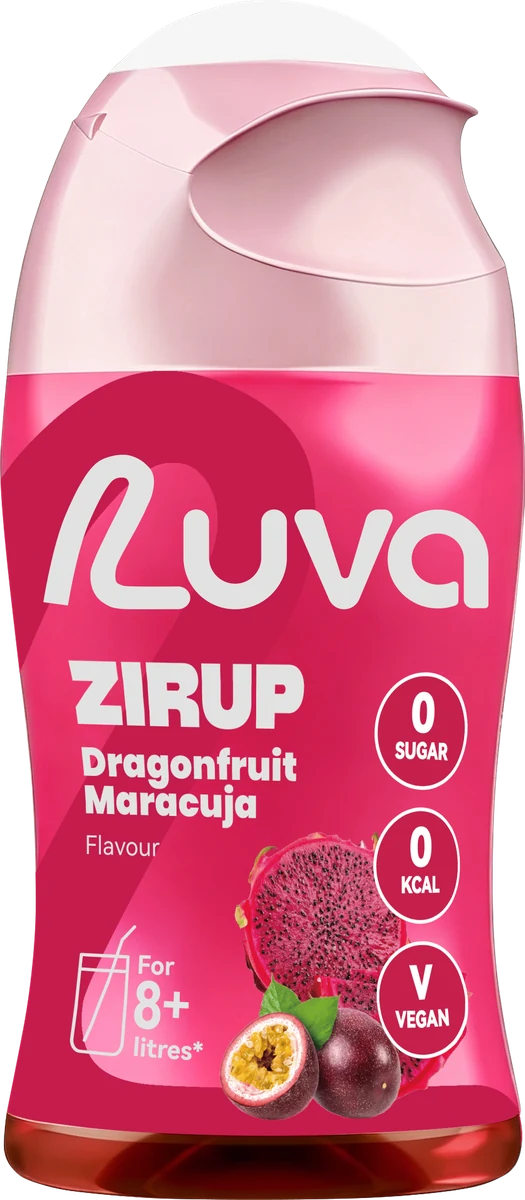
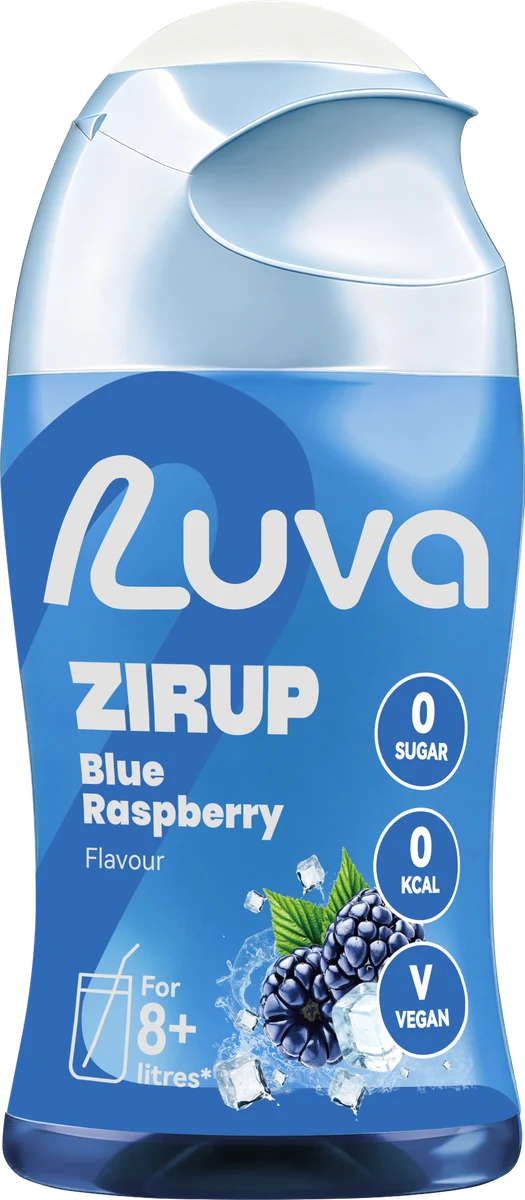
Mix ZERUP at half strength (2 ml per 500 ml) for children's water bottles. Let them choose the flavour—Mango, Blue Raspberry and Dragonfruit Passionfruit are good starting points—but keep the dose low. Over a few weeks, they'll accept and even prefer the lighter taste. Avoid giving children full-strength soft drinks or energy drinks; the sugar content is far too high and the sweetness sets a problematic baseline.
For more strategies, see our guide on getting kids to drink more water.
Are sweeteners sweeter than sugar?
Yes, artificial sweeteners are far sweeter than sugar gram for gram, which is why they're used in such tiny amounts. Sucralose is about 600 times sweeter than sugar; acesulfame K is about 200 times sweeter. That means a fraction of a gram delivers the same sweetness as a teaspoon of sugar—and why dose control matters.
ZERUP uses glycerin as a carrier and is sweetened with acesulfame K and sucralose, with no aspartame and no sugar alcohols like xylitol or erythritol. Because the sweeteners are so intense, even a small squeeze (about 4 ml) in 500 ml of water tastes distinctly sweet. If that's too much for you, use 2–3 ml instead. You'll still get the peach, lemon or berry flavour, but the sweetness will be much lighter.
For a detailed look at how much sugar is in common drinks, see our guide on sugar in drinks measured in teaspoons. For the science on sweetener safety, see our guide on whether sweeteners are safe.
Sparkling water and flavour ideas
Sparkling water is one of the best bases for less-sweet drinks. The bubbles add a tingling sensation and lift the aroma of any flavour, so you perceive more taste with less sweetness. In the UAE, chilled sparkling water is widely available in supermarkets, and home carbonation machines are popular.
Try these combinations for drinks that are refreshing but not too sweet:
- Lemon Iced Tea + sparkling water + fresh mint: 2 ml ZERUP in 500 ml sparkling water, a handful of mint leaves, lots of ice.
- Green Apple + lime + sparkling water: 2 ml ZERUP, juice of half a lime, 500 ml sparkling water.
- Blackberry + orange slice + sparkling water: 2 ml ZERUP, a thin orange slice, 500 ml sparkling water.
- Peach Iced Tea + basil + sparkling water: 2 ml ZERUP, two basil leaves, 500 ml sparkling water.
For more sparkling-water inspiration, see our guide on sparkling water flavour ideas.
Switching from sugary soft drinks
If you currently drink several cans of regular cola, lemonade or energy drinks each day, the total sugar intake can exceed 100 g (25 teaspoons)—far above the World Health Organization's recommendation of less than 25 g of free sugars per day for adults. Cutting back reduces your risk of tooth decay, weight gain and metabolic issues, and it recalibrates your taste buds so that less-sweet drinks become enjoyable.
The step-down plan above works well for soft-drink habits. Start by diluting each can 50:50 with sparkling water, or switch to a sugar-free version and dilute that. After two weeks, replace one can per day with flavoured water made from ZERUP at half strength. By week four, you may find that a full-strength soft drink tastes unpleasantly syrupy—a sign that your palate has adapted.
For a complete strategy, see our guide on how to quit soft drinks. For context on the UAE's sugar tax and why it was introduced, see our guide on the UAE sugar tax explained.
The bottom line
If drinks taste too sweet, you have more control than you think. Dilute ready-made drinks, use less syrup, add ice and citrus, or choose tea-based and tart flavours that balance sweetness with acidity and bitterness. Your taste buds adapt within weeks, so a gradual step-down plan makes the transition easy. With ZERUP, you set the dose yourself—start at 2–3 ml per 500 ml for a lighter, more refreshing taste that lets the flavour shine without the sugar rush.
Frequently asked questions
Why do drinks taste too sweet to me?
Many commercial soft drinks, juices and flavoured waters are formulated with high levels of sugar or intense sweeteners to appeal to a broad market. If you've cut back on sugar, grown up with a less-sweet diet, or simply prefer savoury or tart flavours, these drinks can taste cloying. Your taste buds are also highly individual—what tastes normal to one person may taste too sweet to another.
Can taste buds get used to less sugar?
Yes, taste adaptation is well documented. Research by Wise and colleagues (2016, American Journal of Clinical Nutrition) found that after several months on a lower-sugar diet, participants rated desserts as significantly sweeter than before. Most people notice a change within two to four weeks of reducing sugar or sweetener intake, and foods that once tasted bland become pleasantly sweet.
Which drinks are not too sweet?
Unsweetened iced tea (black, green or herbal), sparkling water with a squeeze of citrus, and lightly flavoured water made with a low dose of syrup or concentrate all taste refreshing without cloying sweetness. ZERUP's Lemon Iced Tea, Green Apple and Blackberry flavours have tart or tea notes that balance sweetness, especially when mixed at 2–3 ml per 500 ml instead of the standard 4 ml.
How do I make a drink less sweet?
Dilute it with more water or ice, add sparkling water for lift, squeeze in fresh lime or lemon, or add herbs like mint or basil. If you're mixing your own flavoured water, simply use half the usual dose of syrup or squash. For café drinks, ask for half the pumps of syrup or request unsweetened iced tea and add your own light sweetener if needed.
Are sweeteners sweeter than sugar?
Yes, far sweeter per gram. Sucralose is about 600 times sweeter than sugar, and acesulfame K is about 200 times sweeter, which is why they're used in tiny amounts. A small squeeze of ZERUP (about 4 ml) delivers a sweet taste in 500 ml of water; if that's too much, use 2–3 ml for a lighter flavour.
How much ZERUP should I use for a lighter taste?
The standard mix is about 4 ml per 500 ml of water (a short squeeze, just under a teaspoon). For a less-sweet drink, try 2–3 ml per 500 ml. You'll still get clear peach, lemon or berry flavour, but the sweetness will be much lighter. One 65 ml bottle will then make 16 litres or more instead of the usual 8+ litres.
Do less-sweet drinks still taste good?
Absolutely. Many people find that lightly flavoured water tastes more refreshing and thirst-quenching than very sweet drinks, especially in hot weather. Once your taste buds adapt (usually within two to four weeks), less-sweet drinks become the new normal and full-strength soft drinks taste overpoweringly sweet.
Can I train my children to prefer less-sweet drinks?
Yes, and it's easier with children than adults because their palates adapt quickly. Start by mixing flavoured water at half the usual strength (2 ml ZERUP per 500 ml) and avoid giving them full-strength soft drinks or juice boxes. Within a few weeks, they'll accept and even prefer the lighter taste, which sets them up for healthier habits and better dental health.
Choose your own sweetness with ZERUP
Choose your own sweetness with ZERUP
Sugar-free · Halal · AED 19, any 3 for AED 49 · Delivered within 12 hours across the UAE, free over AED 200
Keep reading
- Sugar in drinks in teaspoons
- How to quit soft drinks
- Sugar-free iced tea
- Water tastes boring?
- UAE sugar tax explained
Sources
- Wise PM, Nattress L, Flammer LJ, Beauchamp GK (2016). Reduced dietary intake of simple sugars alters perceived sweet taste intensity but not perceived pleasantness. American Journal of Clinical Nutrition 103(1):50–60 academic.oup.com
- World Health Organization (2015). Guideline: Sugars intake for adults and children www.who.int
- Mattes RD, Popkin BM (2009). Nonnutritive sweetener consumption in humans: effects on appetite and food intake and their putative mechanisms. American Journal of Clinical Nutrition 89(1):1–14 academic.oup.com
- Drewnowski A, Mennella JA, Johnson SL, Bellisle F (2012). Sweetness and food preference. Journal of Nutrition 142(6):1142S–1148S academic.oup.com
This article is general information and does not replace advice from a doctor, dietitian or other qualified professional. Last reviewed: October 2026.