




Quick answer: To convert any drink label into teaspoons, multiply the grams of sugar per 100 ml by the volume in millilitres, divide by 100, then divide by 4 (one teaspoon of sugar is about 4 g). A 330 ml can of regular cola with 10.6 g sugar per 100 ml contains about 35 g, roughly 9 teaspoons. WHO recommends keeping free sugars below 10% of daily energy, ideally below 5%, which is about 25 g or 6 teaspoons a day for an average adult.
Most of us don't eat nine teaspoons of sugar from the bowl, but we drink it without noticing. Sugary drinks are one of the largest sources of free sugars in many diets, which is why health authorities and the UAE's tax system now focus on them. Here's how to see the sugar in any drink, and how to keep the taste without it.
What WHO recommends
WHO's guideline on sugars applies to adults and children:
- Keep free sugars below 10% of total energy intake.
- Further reducing to below 5%, about 25 g or 6 teaspoons a day for an adult on around 2,000 kcal, brings additional benefits.
"Free sugars" means sugars added by manufacturers, cooks or consumers, plus sugars naturally present in honey, syrups, fruit juices and fruit juice concentrates. Sugars in whole fresh fruit, vegetables and milk are not counted.
For children, the American Heart Association recommends less than 25 g of added sugar a day from age 2 to 18, and none for children under 2.
The 10-second label trick
- Find "sugars" per 100 ml on the nutrition panel.
- Multiply by the bottle or can size in ml, then divide by 100.
- Divide by 4 to get teaspoons.
Example: a 330 ml can with 10.6 g sugar per 100 ml contains 10.6 × 3.3 = 35 g of sugar. Divided by 4, that is close to 9 teaspoons.
Try it on the drinks in your fridge. Bottled iced teas, juice drinks, flavoured milk, energy drinks and "vitamin" waters are worth checking in particular, because their labels often look healthier than their sugar content.

The UAE's sugar bands, in teaspoons
Since 1 January 2026, the UAE's excise tax on sweetened drinks is based on sugar per 100 ml. Those official thresholds are a handy yardstick for any drink:
| Band (per 100 ml) | Sugar in a 330 ml can | About | Excise tax |
|---|---|---|---|
| 8 g or more ("high sugar") | 26 g or more | 6.5+ teaspoons | AED 1.09 per litre |
| 5 g to under 8 g ("moderate") | 16.5 to 26 g | 4 to 6.5 teaspoons | AED 0.79 per litre |
| Under 5 g ("low") | under 16.5 g | under 4 teaspoons | AED 0 |
| Only non-sugar sweeteners, or sweeteners with under 5 g sugar | under 16.5 g | under 4 teaspoons | AED 0 |
A single can in the "high sugar" band already uses up most or all of WHO's ideal daily limit. Learn more in our guide to the UAE sugar tax.

How sugar adds up over a day
Imagine a typical busy UAE day: a sweetened iced coffee on the way to work, a bottled iced tea at lunch, a juice in the afternoon and a soft drink with dinner. Check each label using the trick above and add them up. For many people, the total from drinks alone is several times WHO's ideal limit, before any food.
The good news: because drinks are such a concentrated source, swapping them is one of the easiest ways to cut sugar without changing what you eat.
"No added sugar", "sugar-free", "zero": what's the difference?
| Label term | What it usually means | Watch out for |
|---|---|---|
| Sugar-free / 0 g sugar | Very little or no sugar per serving; often sweetened with non-sugar sweeteners | Check acids if you sip all day |
| No added sugar | No sugar added, but natural sugars may be present | Juices and smoothies can still be high in free sugars |
| Reduced sugar / light | Less sugar than the standard version | Can still sit in the moderate band |
| Zero / diet | Typically sweetened with non-sugar sweeteners | Check caffeine in colas and energy drinks |
Exact definitions are set by GSO and UAE labelling standards, so the nutrition panel is always the final word.
Swaps that keep the flavour
| Instead of | Try |
|---|---|
| Regular cola | Sparkling water with a sugar-free cola-style syrup, or a zero-sugar cola |
| Bottled sweet iced tea | Cold-brewed tea, or still water with a sugar-free iced tea syrup |
| Juice drinks | Whole fruit plus water, or water with a sugar-free fruit flavour |
| Orange soda | Sparkling water with a sugar-free orange syrup and a slice of orange |
| Sweetened lemonade | Sparkling water, fresh lemon, mint and a little sugar-free syrup |
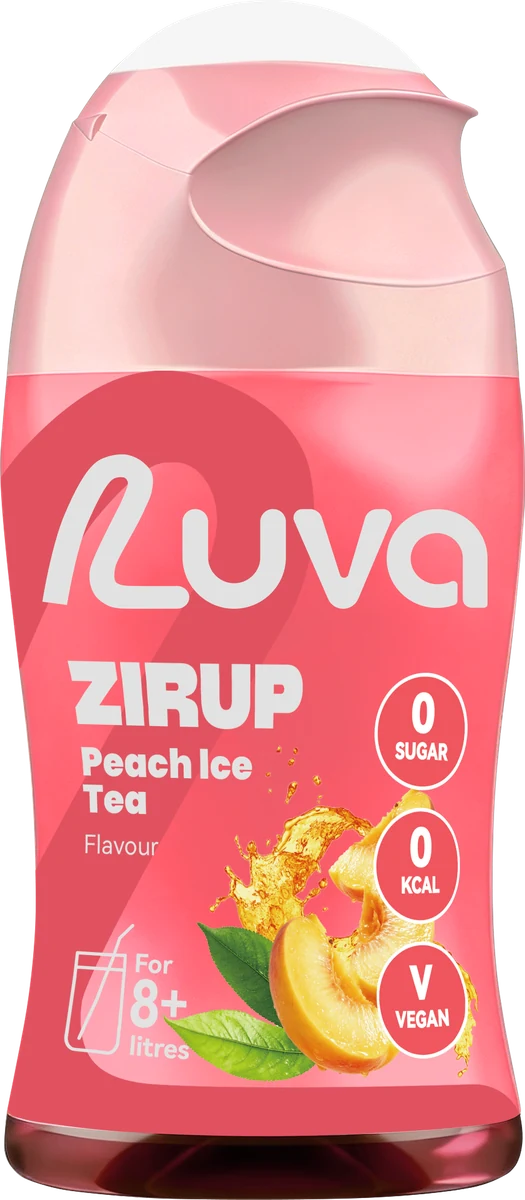
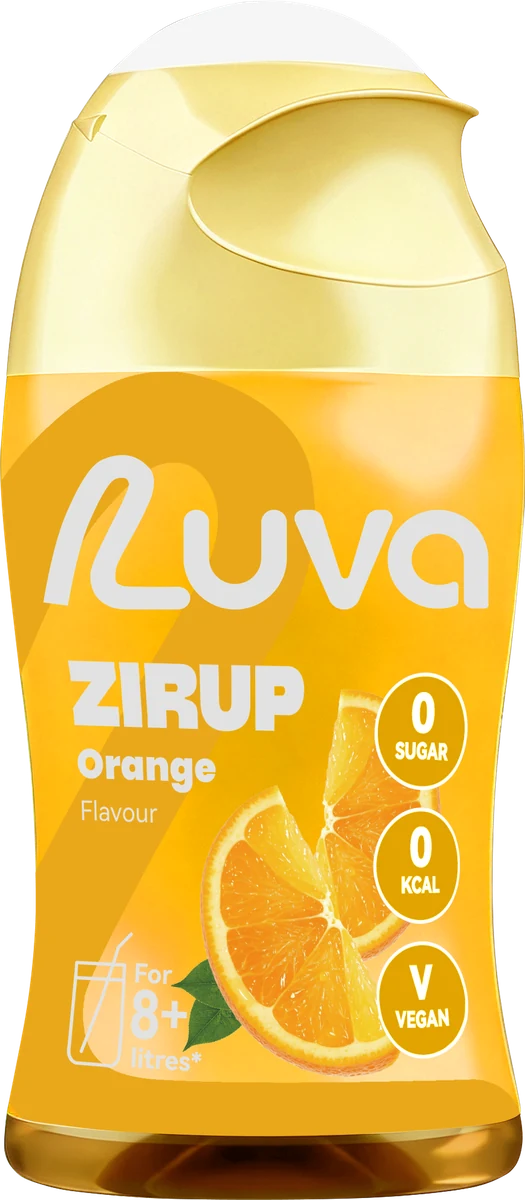
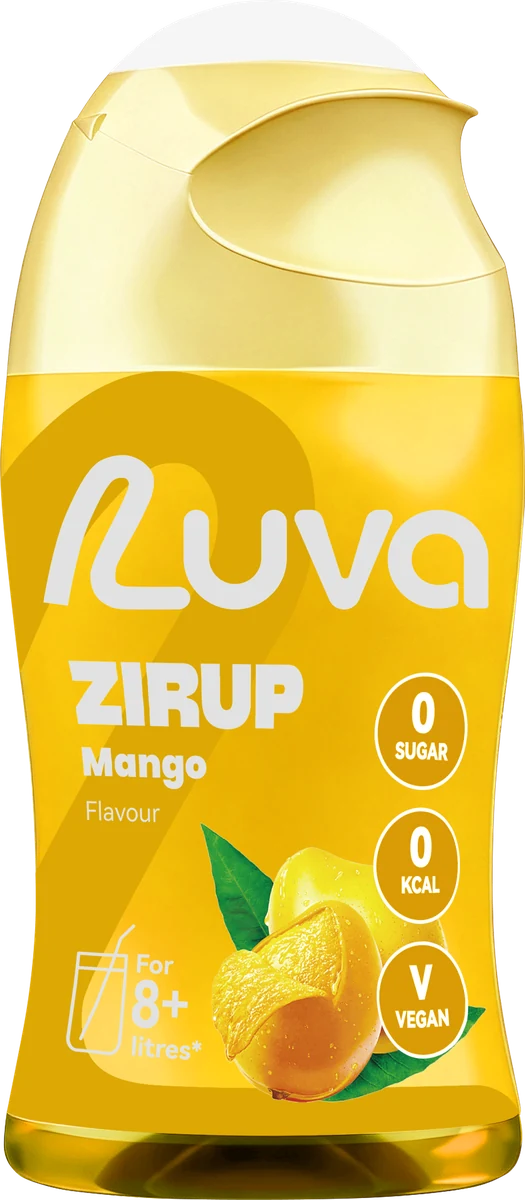
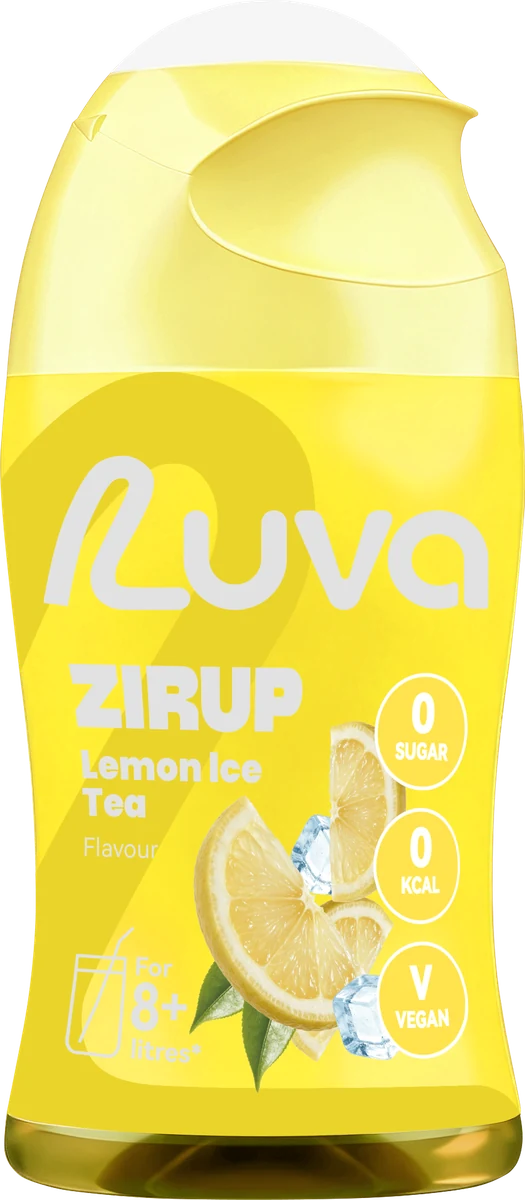
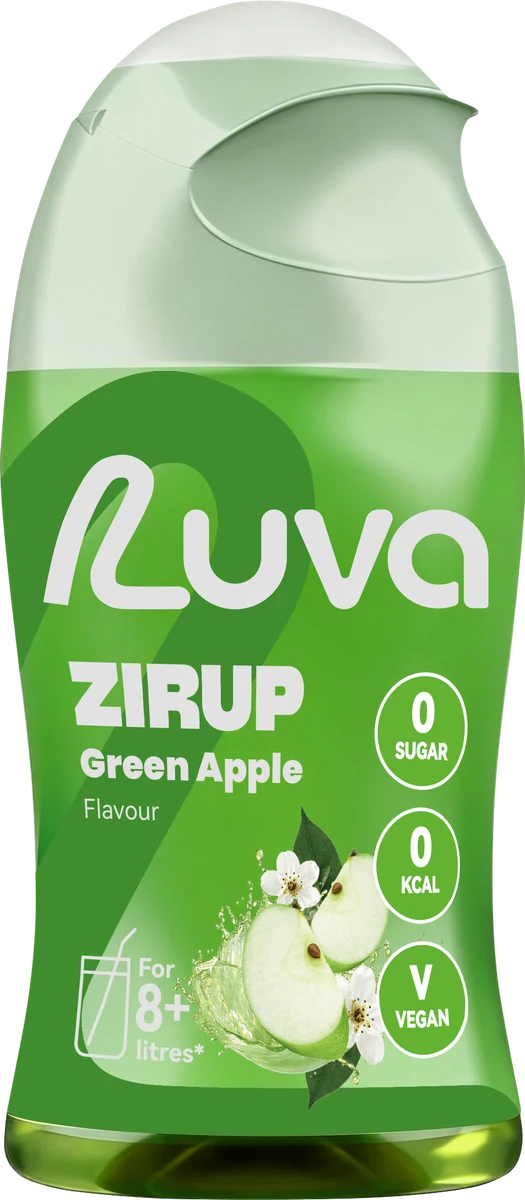
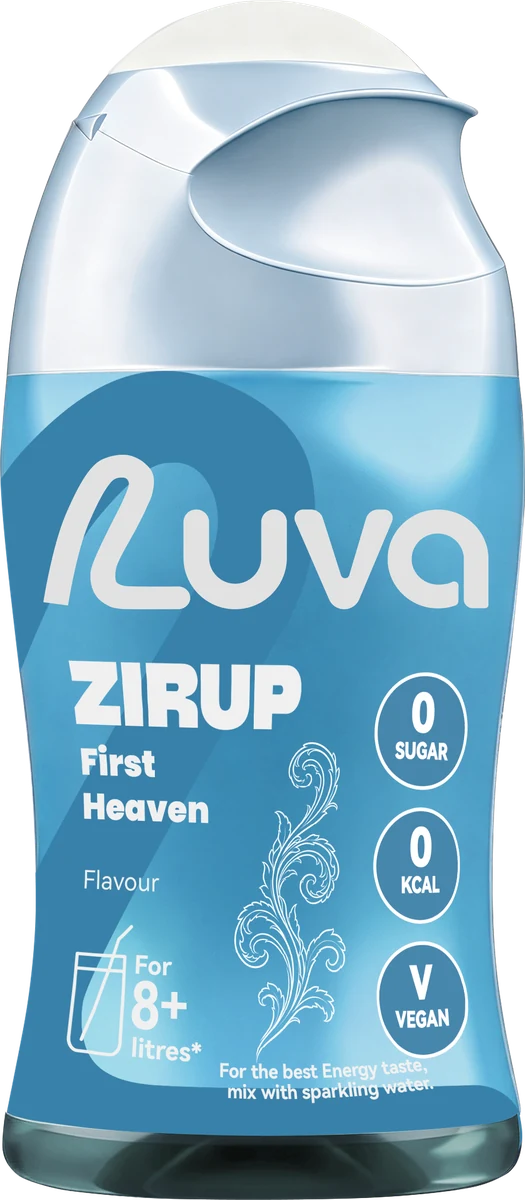
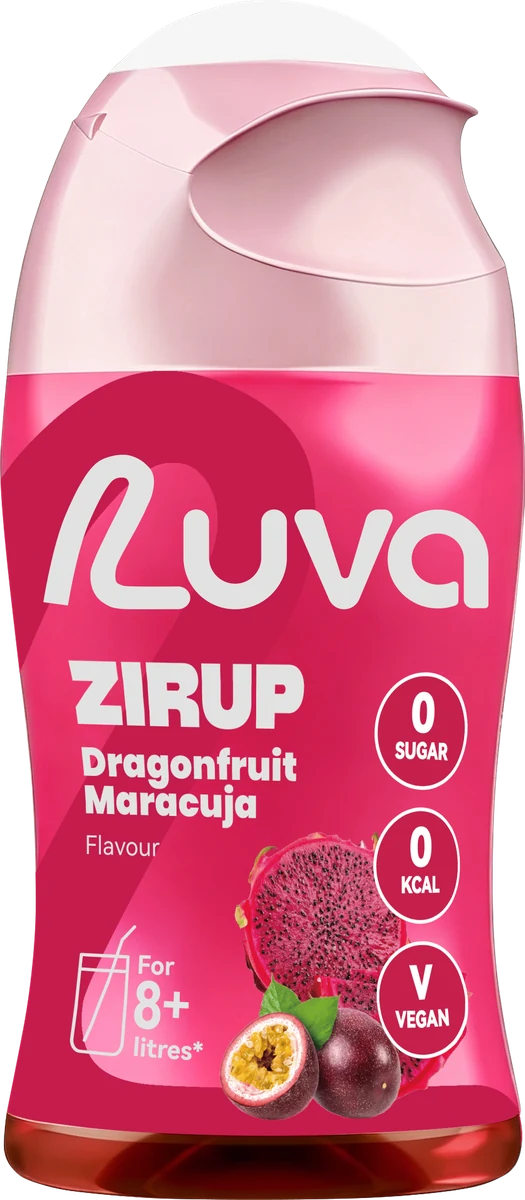
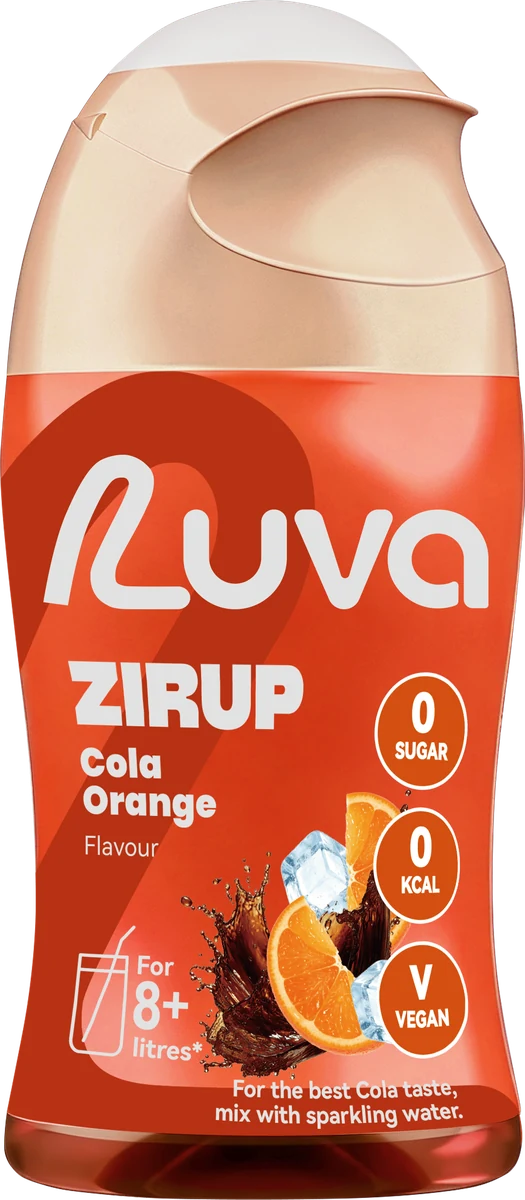
With ZERUP, each of those swaps is about 4 ml of syrup in 500 ml of water: 0 g sugar and almost no calories per glass, and around AED 2.40 per litre.
Tips that make cutting sugar easier
- Swap one drink at a time. One daily can replaced is roughly 35 g less sugar a day.
- Keep the ritual. If you love a cold fizzy drink at 4 pm, keep the moment and change the glass.
- Go a little less sweet each week. With a syrup, you control the strength; many people find their taste adjusts.
- Water first. Use flavoured drinks to make water easier, not to replace it entirely.
- Watch the "healthy halo". Fresh juice is still a source of free sugars; WHO counts it as such.
The bottom line
Drinks are where hidden sugar hides best, and where it's easiest to cut. Learn the label trick, use the UAE's sugar bands as a quick guide and swap your daily sugary drinks for water or 0 g sugar alternatives you actually enjoy.
Frequently asked questions
How many teaspoons of sugar are in a can of cola?
A 330 ml can of regular cola with 10.6 g sugar per 100 ml contains about 35 g of sugar, roughly 9 teaspoons.
How much sugar per day is recommended?
WHO recommends keeping free sugars below 10% of daily energy and ideally below 5%, about 25 g or 6 teaspoons a day for an average adult. The American Heart Association recommends under 25 g of added sugar a day for children aged 2 to 18.
Is fruit juice counted as sugar?
Yes. WHO counts sugars in fruit juices and juice concentrates as free sugars. Sugars in whole fresh fruit are not counted.
How do I calculate sugar from a label?
Multiply grams of sugar per 100 ml by the volume in ml, divide by 100 for total grams, then divide by 4 for teaspoons.
Does sugar-free syrup contain sugar?
A prepared glass of ZERUP contains 0 g sugar and almost no calories (approx. 2–3 kcal per 100 ml prepared drink). ZERUP uses glycerin as carrier and is sweetened with acesulfame K and sucralose.
Swap your can for ZERUP Cola Orange
0 g sugar per glass · 8+ litres per bottle · Halal & vegan · Delivered within 12 hours across the UAE, free over AED 200
Keep reading
- UAE sugar tax explained
- Kids and sugar
- Sugar-free drink options compared
- ZERUP sugar-free syrup in the UAE
Sources
- WHO (2015). Guideline: Sugars intake for adults and children. www.ncbi.nlm.nih.gov
- WHO (2015). WHO calls on countries to reduce sugars intake among adults and children. www.who.int
- Vos M.B. et al. (2017). Added Sugars and Cardiovascular Disease Risk in Children. Circulation. www.ahajournals.org
- UAE Cabinet Decision No. 197 of 2025 on Excise Goods and tax rates (Federal Tax Authority). tax.gov.ae
- UAE Ministry of Finance. Tiered volumetric model on sweetened beverages. mof.gov.ae
- Coca-Cola UAE. Coca-Cola nutrition facts. www.coca-cola.com
This article is general information and does not replace advice from a doctor, dietitian or other qualified professional. Last reviewed: October 2026.