




Quick answer: Water and milk should be children's main drinks. EFSA's adequate intake of total water is about 1.3 litres a day at 2-3 years, 1.6 litres at 4-8 years and 1.9-2.1 litres at 9-13 years, more in the heat. Bottles they like, fixed drinking moments, water-rich foods and fun ideas such as fruit ice cubes help reluctant drinkers. UK advisers recommend no sweetened drinks, with sugar or sweeteners, for pre-school children; for older children, a light sugar-free flavour can help as a step towards plain water, not as a replacement for it.
Few things are as frustrating as a full water bottle coming home from school at 3 pm. In the UAE, where children move between hot playgrounds and cool classrooms all day, getting enough to drink matters even more. Here's what children need, what really helps and an honest look at flavoured and sugar-free drinks.
How much water do children need?
EFSA's adequate intakes include water from both drinks and food, at moderate temperatures and activity:
| Age | Total water per day (EFSA) |
|---|---|
| 2-3 years | about 1.3 L |
| 4-8 years | about 1.6 L |
| 9-13 years, girls | about 1.9 L |
| 9-13 years, boys | about 2.1 L |
| 14 years and older | adult values: about 2.0 L (girls) and 2.5 L (boys) |
Roughly 70 to 80% usually comes from drinks. In UAE heat, during sport or when a child is unwell, needs go up. Simple everyday signs that a child is drinking enough are pale urine, regular toilet trips and steady energy. Signs of dehydration include dark urine, fewer wet nappies or toilet trips, tiredness, headache and a dry mouth. A baby or young child who is drowsy, has sunken eyes or hasn't passed urine for many hours needs medical attention quickly.

Why kids don't drink enough
- They don't notice thirst until they are already quite dry, especially while playing.
- School routines limit when they can drink.
- Taste competition: compared with juice and soft drinks, plain water can seem dull.
- Air-conditioning hides how much they sweat outdoors.
12 tricks for reluctant drinkers
- Let them choose the bottle. A favourite colour or character makes a surprising difference.
- Use a bottle with time markers or stickers to "beat" by break time.
- Make it cold. Freeze a half-full bottle overnight and top up in the morning.
- Build drinking moments into the day: a glass at breakfast, after school, before sports and at dinner.
- Be the role model. Children copy what they see adults drink.
- Put a jug on the table at every meal.
- Offer water-rich snacks: watermelon, cucumber, oranges, grapes (cut for small children), yoghurt and laban.
- Fruit ice cubes: freeze berries, mint or orange pieces in ice-cube trays.
- Use a straw or a fun cup at home.
- Make it a game: a sticker chart for younger children, a simple tracking app for older ones.
- Pack an extra bottle for sport days, and a frozen one for hot outdoor activities.
- Add a hint of flavour for older children who really refuse water (see below).
What about sugary drinks?
Sugar is the main reason health authorities steer children away from juice drinks, soft drinks and sweetened iced tea. The American Heart Association recommends that children aged 2 to 18 have less than 25 g (about 6 teaspoons) of added sugar a day, and none before age 2. A single 330 ml can of regular cola contains about 35 g of sugar, already more than that limit. Read how much sugar is in popular drinks to learn how to check any label in seconds.
Flavoured water and sweeteners: an age-by-age guide
This is where parents get mixed messages, so here's what expert bodies actually say.
Babies and pre-school children (under 5)
- The NHS advises that babies and young children drink breast milk or formula, then water and milk. It says diet or reduced-sugar drinks are not recommended for babies and young children, because even no-added-sugar drinks can encourage a sweet tooth.
- In 2025, the UK Scientific Advisory Committee on Nutrition (SACN) recommended that pre-school children should not be given drinks sweetened with either sugar or non-sugar sweeteners, so they get used to water.
- The American Academy of Pediatrics notes there is no research to guide sweetener use under age 2.
Our recommendation: we don't recommend ZERUP or other sweetened drinks for babies and pre-school children. Water and milk are the right drinks at this age.
School-age children
Approved sweeteners are considered safe within their acceptable daily intake (ADI), which applies to children too. Because the ADI is calculated per kilogram of body weight, children reach it at lower amounts than adults. SACN noted that sweeteners may help older children reduce sugar. A sensible approach:
- Water and milk stay the main drinks.
- Use flavour as a bridge, not the default. If your child refuses water, a light sugar-free flavour can help them drink more, especially in heat. Research supports the idea that flavour helps: in a 2025 study, children aged 8 to 10 walking in the heat drank considerably more of a low-sugar flavoured drink than of plain water.
- Go lighter than for adults. With a concentrated syrup, about 2 ml in 500 ml of water is usually plenty for children.
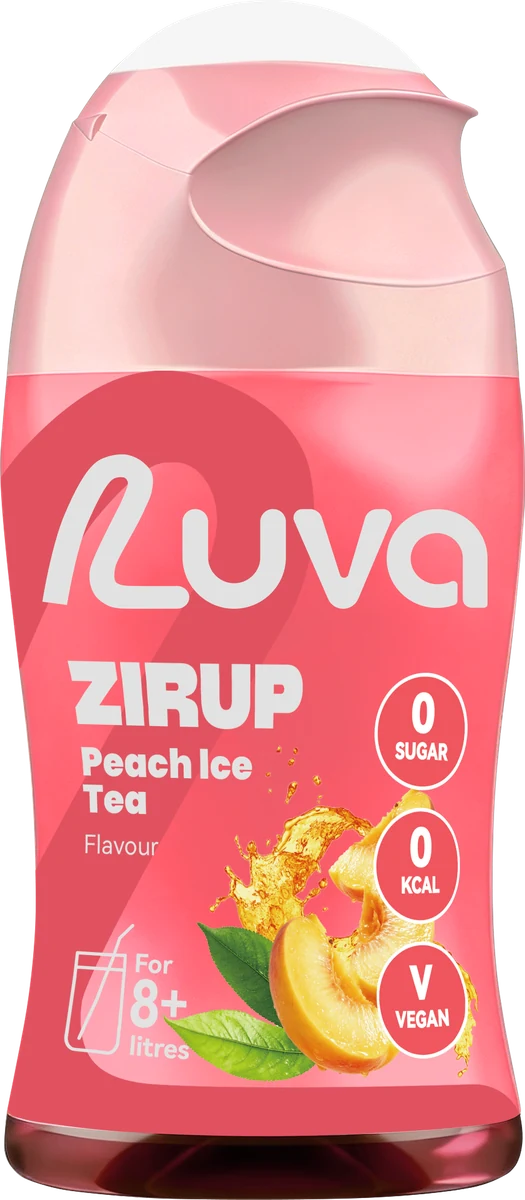
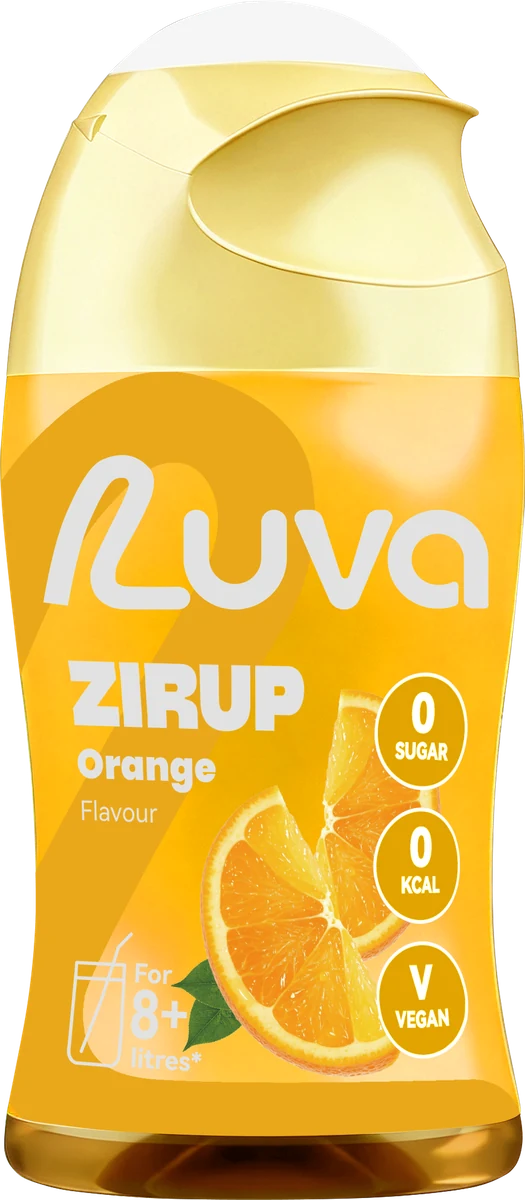
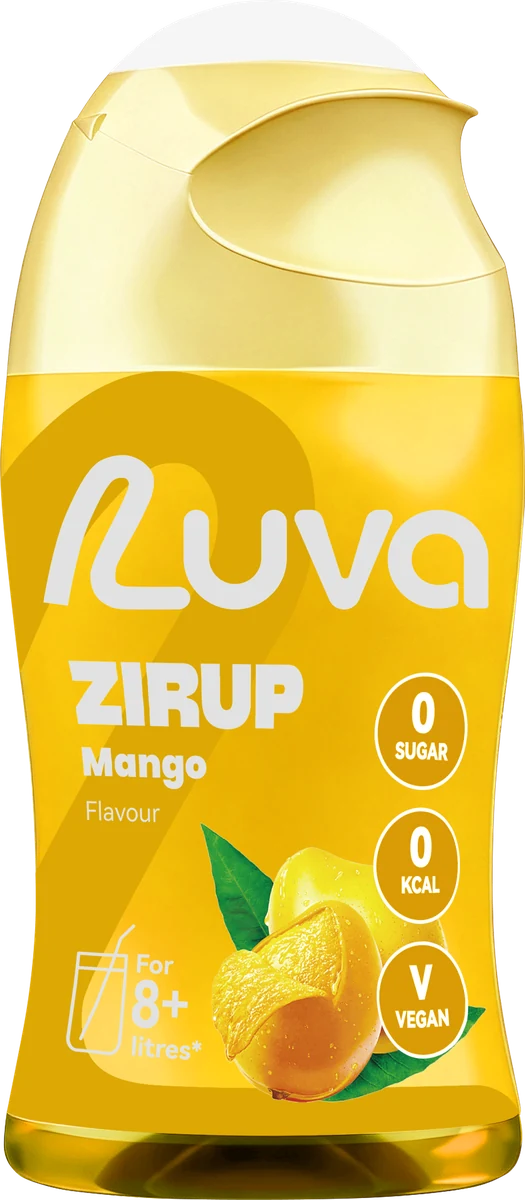
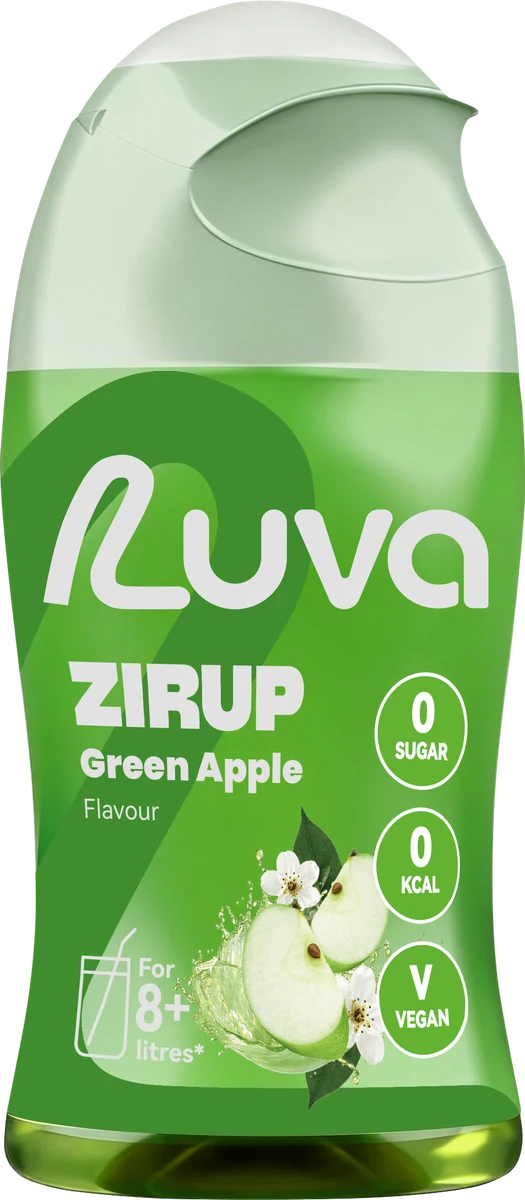
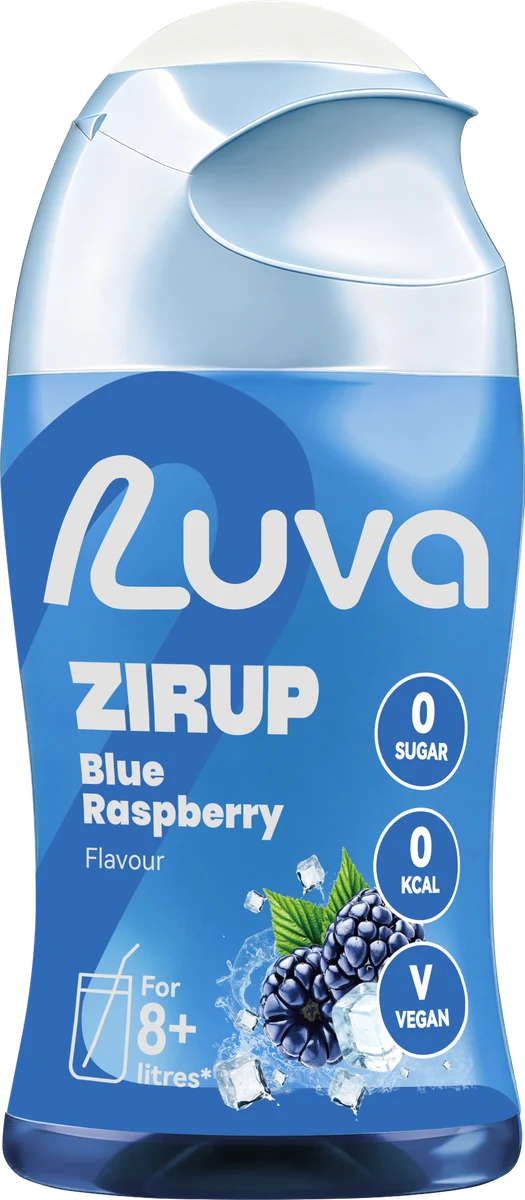
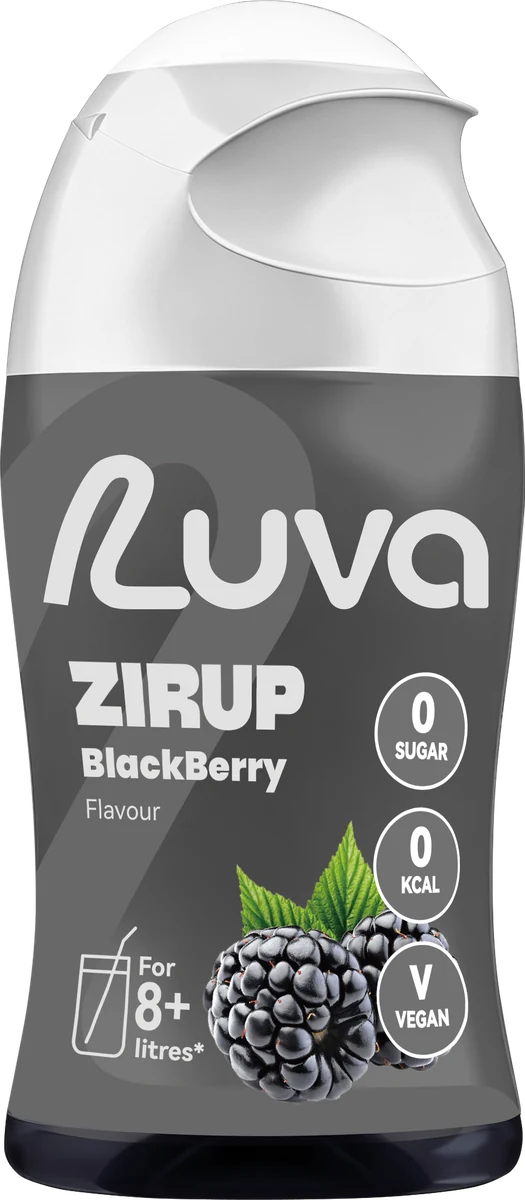
- Choose fruit flavours such as Mango, Orange, Green Apple or Blackberry. All ZERUP flavours are caffeine-free, but fruit flavours are the most natural fit for children, rather than the cola or energy-drink-style tastes.
- Wean down over time: a little less flavour each week, alternating with plain-water bottles.
- Mind their teeth: flavoured drinks with fruit acids are best with meals, followed by a sip of plain water.
If your child has a medical condition, is on a special diet or you have questions about sweeteners, talk to your paediatrician.

Parties, playdates and hot days out
Children's parties in the UAE often mean lots of juice and soft drinks. Easy alternatives:
- A big jug of water with orange slices and mint
- Sparkling water "mocktails" with frozen berries for older kids
- Fruit ice lollies made from blended fruit
For more ideas for grown-ups and older children, see our 10 sugar-free mocktails.
The bottom line
Children need regular drinks, especially in UAE heat, and water and milk should be the main ones. Make water fun, cold and always available. For pre-school children, skip sweetened drinks entirely. For older children who struggle with plain water, a light sugar-free flavour can help them drink more and cut sugar, as long as it's a bridge to water, not a replacement for it.
Frequently asked questions
How much water should a child drink per day?
EFSA's adequate total water intake is about 1.3 litres a day for children aged 2-3, 1.6 litres for ages 4-8 and 1.9-2.1 litres for ages 9-13, including water from food. Children need more in the heat or when active.
Is flavoured water OK for kids?
For pre-school children, UK advisers recommend no sweetened drinks, with sugar or sweeteners; water and milk are best. For older children, a light sugar-free flavour can help reluctant drinkers drink more, with plain water and milk remaining the main drinks.
Are sweeteners safe for children?
Approved sweeteners have acceptable daily intakes that apply to all ages, but children reach them at lower amounts because ADIs are per kilogram of body weight. Many experts advise keeping sweetness low in children's diets overall.
Can my child drink ZERUP?
We don't recommend ZERUP for babies and pre-school children. For school-age children, use a light mix (about 2 ml per 500 ml), choose fruit flavours, and keep water and milk as their main drinks. Ask your paediatrician if you have questions.
What are signs of dehydration in children?
Dark urine, fewer toilet trips or wet nappies, tiredness, headache and a dry mouth. Drowsiness, sunken eyes or no urine for many hours need prompt medical attention.
Try ZERUP Mango, a family favourite
0 g sugar per glass · 8+ litres per bottle · Halal & vegan · Delivered within 12 hours across the UAE, free over AED 200
Keep reading
- How much sugar is in your drink
- Are sweeteners safe
- How much water adults need
- ZERUP sugar-free syrup
Sources
- EFSA (2010). Scientific Opinion on Dietary Reference Values for water. efsa.onlinelibrary.wiley.com
- NHS. Drinks and cups for babies and young children. www.nhs.uk
- SACN (2025). SACN statement on the WHO guideline on non-sugar sweeteners: summary. GOV.UK. www.gov.uk
- Baker-Smith C.M. et al., American Academy of Pediatrics (2019). The Use of Nonnutritive Sweeteners in Children. Pediatrics. publications.aap.org
- Vos M.B. et al. (2017). Added Sugars and Cardiovascular Disease Risk in Children: A Scientific Statement From the American Heart Association. Circulation. www.ahajournals.org
- A Low-Sugar Flavored Beverage Improves Fluid Intake in Children During Exercise in the Heat (2025). PMC. pmc.ncbi.nlm.nih.gov
- NHS. Dehydration. www.nhs.uk
- Coca-Cola UAE. Coca-Cola nutrition facts. www.coca-cola.com
This article is general information and does not replace advice from a doctor, dietitian or other qualified professional. Last reviewed: October 2026.