




Quick answer: The sweeteners used in drinks, such as sucralose, acesulfame K, steviol glycosides and aspartame, are approved food additives. Food-safety regulators, including the European Food Safety Authority (EFSA), the US Food and Drug Administration (FDA) and the FAO/WHO expert committee JECFA, have each set an acceptable daily intake (ADI) and consider them safe when people stay within it. The World Health Organization separately advises against relying on sweeteners for weight control. Both statements are true, and they answer different questions.
Sweeteners are probably the most discussed ingredient on any "zero sugar" label. One headline says they are perfectly safe; the next says they are a problem. If you are swapping sugary drinks for sugar-free ones, it is worth understanding where those headlines come from. This guide explains how sweeteners are approved, what the main ones are, what the latest reviews found and how to read a label with confidence.
What are sweeteners?
Sweeteners, often called non-sugar sweeteners or high-intensity sweeteners, are substances that taste many times sweeter than sugar. Because so little is needed, they add sweetness with almost no calories. That is why a sugar-free drink syrup can make a full glass taste sweet while adding 0 g sugar.
They are different from sugar alcohols (polyols) such as erythritol or xylitol, which are used in larger amounts, mainly in sweets and chewing gum. Check the ingredient list to see what a product contains.

How sweeteners are approved
No sweetener can be used in food simply because a manufacturer wants to. Regulators review toxicology studies, human data and expected intake, then set an acceptable daily intake (ADI). The ADI is the amount, per kilogram of body weight, that a person can consume every day over a lifetime without appreciable health risk. It is built with a large safety margin, typically around 100 times below the highest amount that caused no effect in long-term animal studies.
In the UAE, which sweeteners may be used in which foods is governed by GSO food additive standards, and products must be labelled accordingly. Internationally, the most cited assessments come from:
- EFSA, which is re-evaluating every sweetener approved in the EU before 2009 and has published new opinions on several of them since 2023.
- The FDA in the United States, which lists an ADI for each approved high-intensity sweetener.
- JECFA, the joint FAO/WHO expert committee that advises Codex Alimentarius and many national regulators.
The main sweeteners at a glance
| Sweetener | E number | Sweetness vs sugar | ADI (mg per kg body weight per day) |
|---|---|---|---|
| Sucralose | E 955 | about 600 times | 15 (EFSA, confirmed 2026); 5 (FDA) |
| Acesulfame K | E 950 | about 200 times | 15 (EFSA, raised from 9 in 2025); 15 (FDA) |
| Steviol glycosides | E 960 | about 200-400 times | 4 as steviol equivalents (JECFA, FDA) |
| Aspartame | E 951 | about 200 times | 40 (EFSA, JECFA); 50 (FDA) |
Different regulators sometimes set different numbers because they use different studies or safety factors. What matters for you is that typical consumption sits well below all of them.
Sucralose
Sucralose is made from sugar but is not digested as sugar. In early 2026, EFSA completed its full re-evaluation and concluded that sucralose remains safe at its currently authorised uses, keeping the ADI of 15 mg/kg body weight. It also noted that estimated intakes in all population groups were below this level. EFSA did not approve a proposed extension to baked goods because of uncertainties about compounds that may form during prolonged baking at high temperatures, a question that concerns industrial baking, not cold drinks.
You may also have seen headlines about sucralose-6-acetate, a compound examined in a 2023 laboratory study. EFSA's 2026 review assessed sucralose, its impurities and degradation products and found no genotoxicity concern. Research continues, and it is fair to say that science never closes the book on any ingredient.
Acesulfame K
Acesulfame K (also Ace-K) is often paired with sucralose because together they give a rounder taste. In April 2025, EFSA published its re-evaluation and increased the ADI from 9 to 15 mg/kg body weight per day, concluding that there was no safety concern at current intakes.
Steviol glycosides (stevia)
Steviol glycosides are extracted from the stevia plant and purified. "Natural origin" does not automatically make an ingredient better or worse; steviol glycosides are assessed and given an ADI just like any other sweetener.
Aspartame
In 2023, the WHO's cancer research agency IARC classified aspartame as "possibly carcinogenic to humans" (Group 2B), a hazard category based on limited evidence. At the same time, JECFA reviewed the risk and kept the ADI at 40 mg/kg body weight. Hazard and risk are different: a hazard classification says whether something could cause harm under some circumstances; a risk assessment asks how likely that is at real-world intake. People with the inherited condition phenylketonuria (PKU) must avoid aspartame, which is why products containing it carry a warning.
What does the ADI mean in real life?
Take sucralose. An adult weighing 70 kg would reach the EFSA ADI at about 1,050 mg per day. Drink syrups use only tiny amounts per glass, so most people come nowhere near that level. Because the ADI is calculated per kilogram, children reach it sooner than adults, which is one reason child-specific advice exists (see our guide to helping kids drink more water).

And what about the WHO guideline?
In May 2023, WHO issued a conditional recommendation that non-sugar sweeteners should not be used as a means of achieving weight control or reducing the risk of noncommunicable diseases. WHO said the evidence certainty was low and that some observed associations could be explained by other factors. The guideline is about long-term weight control, not about whether sweeteners are toxic, and it does not apply to people with pre-existing diabetes. Read our plain-English explanation of the WHO sweetener guideline for the details.
Gut, blood sugar and appetite: what research is still exploring
- Gut microbiome: A 2022 study in the journal Cell gave 120 adults sweeteners for two weeks and found that saccharin and sucralose changed glucose-tolerance responses in some people, with individual differences linked to gut bacteria. It was short and small, but it is a good reason for the research to continue.
- Blood sugar and insulin: A 2023 network meta-analysis of randomised trials found that drinks with non-nutritive sweeteners had effects on blood glucose and insulin similar to water.
- Teeth: Sweeteners do not feed the bacteria that cause tooth decay the way sugar does, but many soft drinks, sugar-free or not, are acidic. See the tips below.
How to read a sugar-free label
- Check the ingredient list. Sweeteners must be named, for example "sweeteners (sucralose, acesulfame K)" or by E number.
- Look at sugar per prepared serving, not only per 100 ml of concentrate.
- Look for a PKU warning if aspartame is used.
- Notice acids such as citric acid if you sip all day; it matters for teeth.
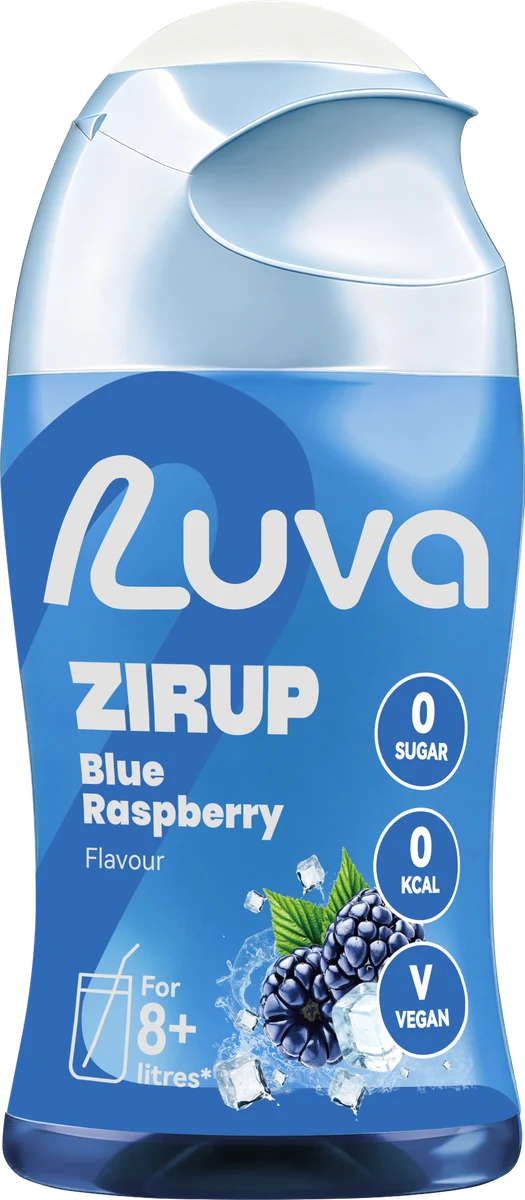
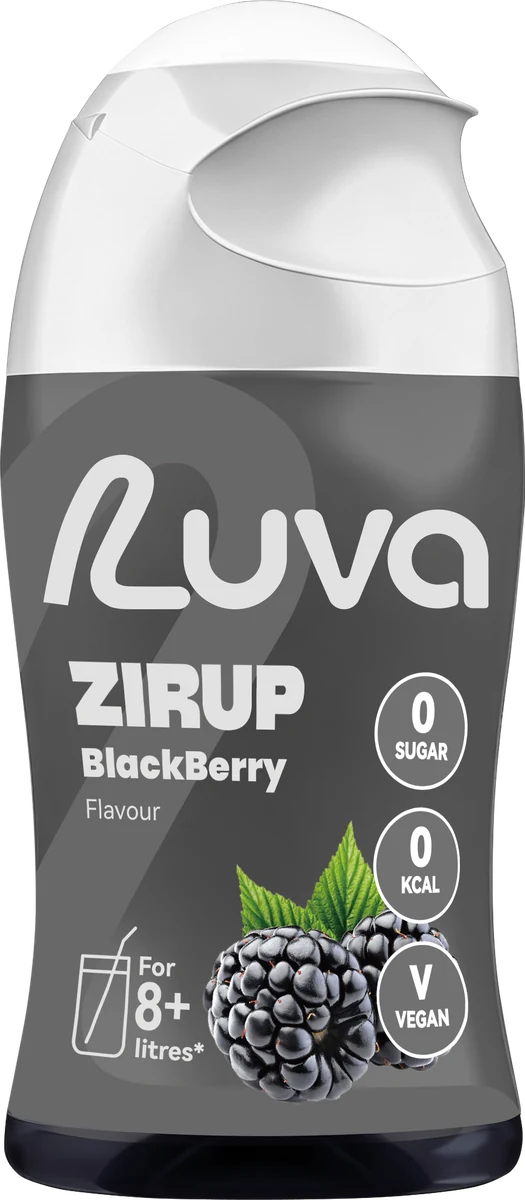
At LUVA, every ZERUP product page and bottle lists the full ingredients, including the exact sweeteners in each flavour.
Smart habits for sugar-free drinks
- Keep plain water as your base and use flavour to make it easier to drink more.
- Sip acidic drinks with meals rather than all day, and rinse with plain water afterwards.
- Vary what you drink: water, unsweetened tea, milk or laban and sugar-free flavoured water can all have a place.
- If you have a medical condition, are pregnant or are planning a diet for a child, ask your doctor or a registered dietitian.
The bottom line
Approved sweeteners have been assessed many times, and the latest EFSA reviews of sucralose and acesulfame K confirmed their safety at current intakes. They are a practical way to enjoy sweetness without sugar. They are not a magic tool for weight loss, which is the point WHO makes. If a sugar-free drink helps you replace sugary soft drinks and drink more water, it is a sensible swap.
Frequently asked questions
Is sucralose safe to drink every day?
EFSA's 2026 re-evaluation concluded that sucralose is safe at its currently authorised uses and kept the acceptable daily intake at 15 mg per kg of body weight per day. Typical intakes from drinks are well below that level.
Is acesulfame K bad for you?
EFSA re-evaluated acesulfame K in 2025, found no safety concern at current intakes and raised its acceptable daily intake from 9 to 15 mg per kg of body weight per day.
Are sweeteners worse than sugar?
They answer different concerns. WHO advises limiting free sugars, and regulators consider approved sweeteners safe within their ADI. WHO also advises against relying on sweeteners for long-term weight control. Many people use sugar-free drinks to replace sugary ones rather than as a diet tool.
Is stevia healthier than sucralose?
Both are approved sweeteners with their own acceptable daily intake. "Natural origin" does not automatically mean healthier; choose the taste you prefer and stay within normal amounts.
Do sweeteners raise blood sugar?
Reviews of randomised trials show that drinks with non-nutritive sweeteners affect blood glucose and insulin much like water. Individual responses can vary, so people with diabetes should follow their care team's advice.
Which sweeteners are in ZERUP?
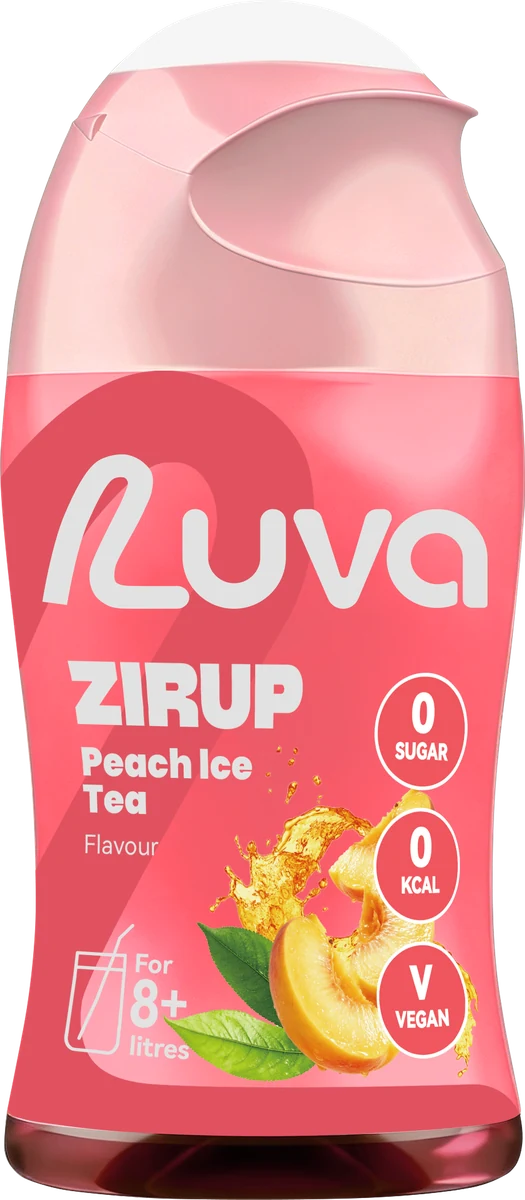
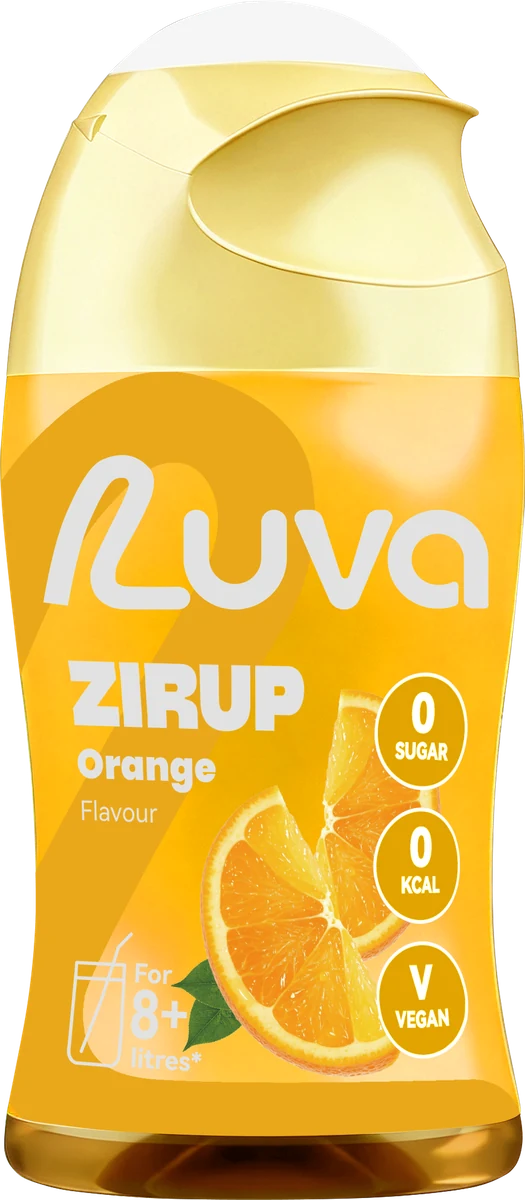
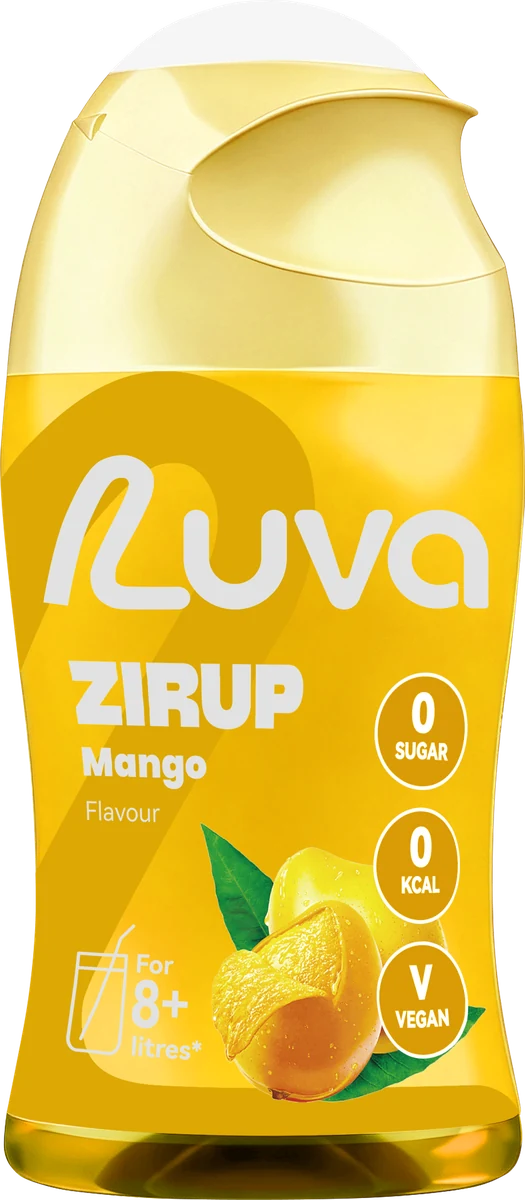
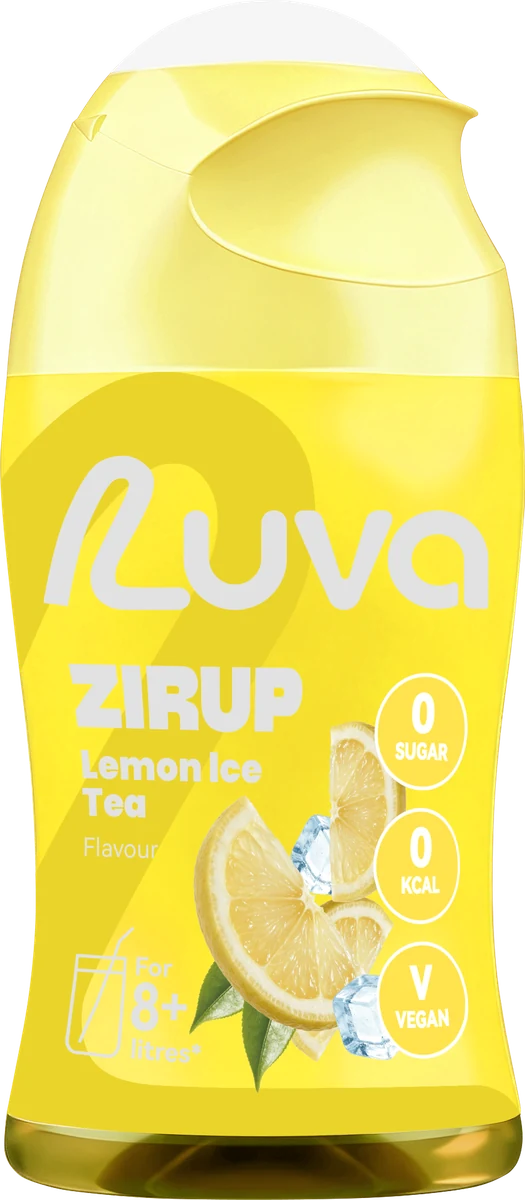
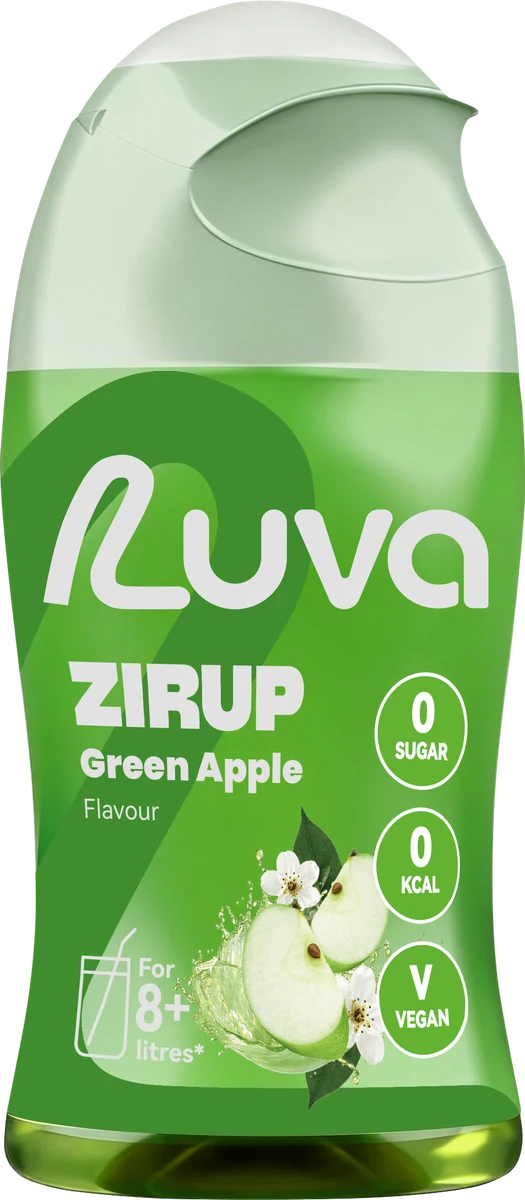
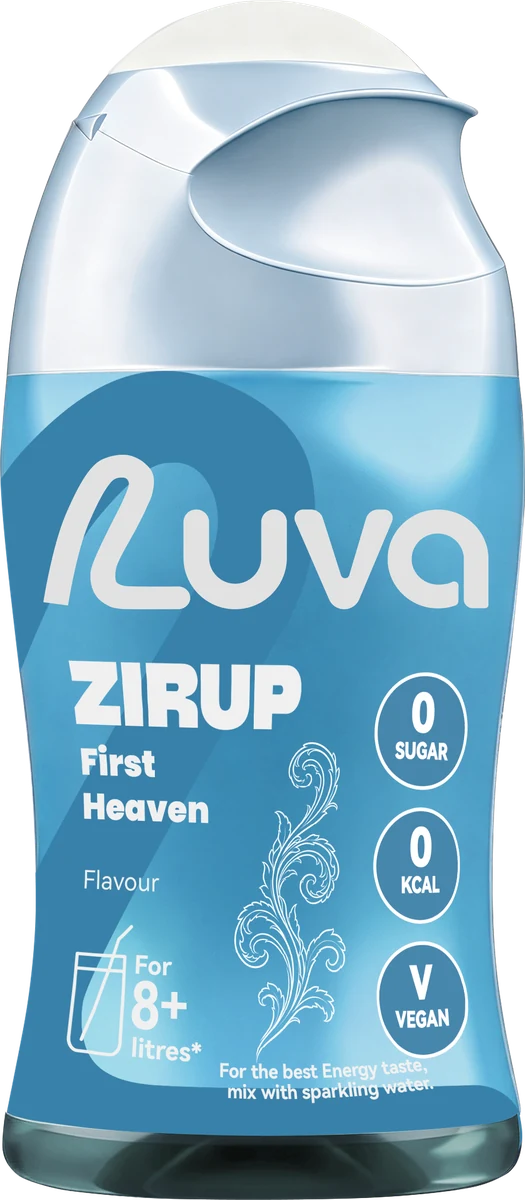
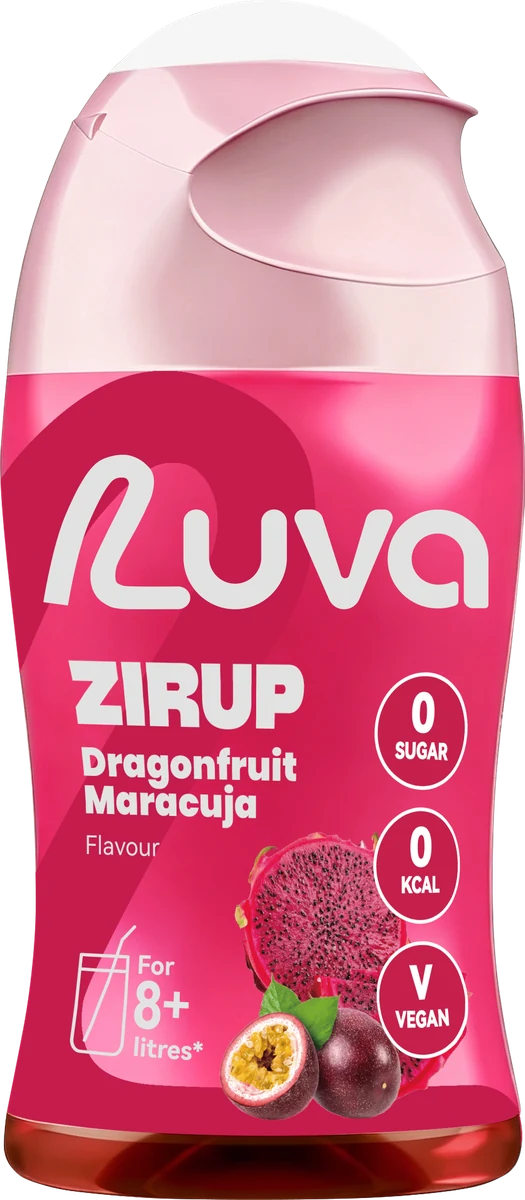
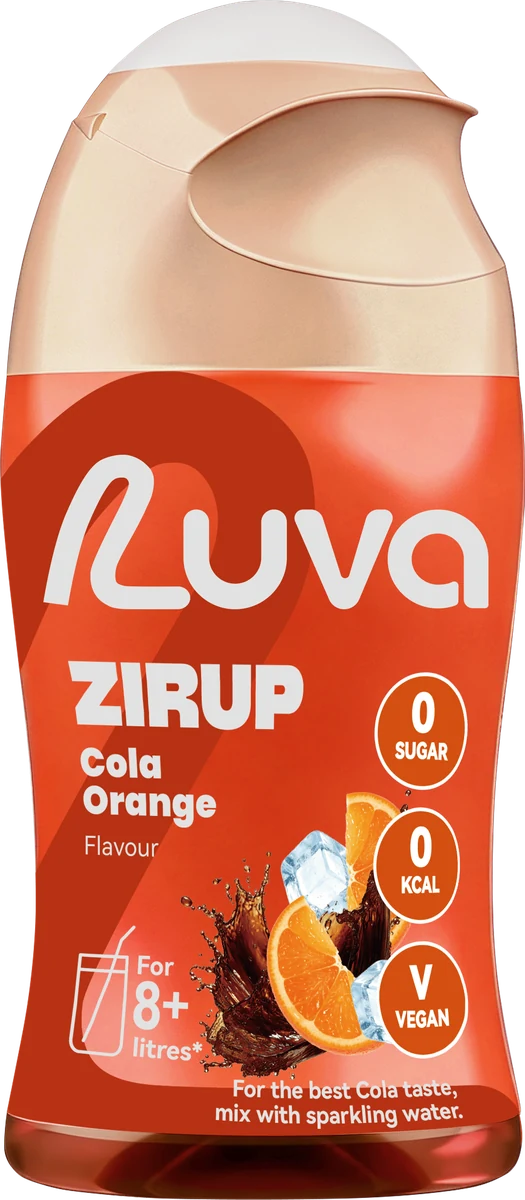
ZERUP uses glycerin as carrier and is sweetened with acesulfame K and sucralose. A prepared glass contains 0 g sugar and almost no calories. The full ingredient list is on every ZERUP bottle and product page.
Explore all 10 ZERUP flavours
0 g sugar per glass · 8+ litres per bottle · Halal & vegan · Delivered within 12 hours across the UAE, free over AED 200
Keep reading
- The WHO sweetener guideline explained
- Drink syrup vs squash vs water enhancers
- How much sugar is in your drink
- ZERUP sugar-free drink syrup
Sources
- EFSA (2026). Re-evaluation of sucralose (E 955) as a food additive. EFSA Journal. efsa.onlinelibrary.wiley.com
- EFSA (2026). News: EFSA finds sucralose safe when used as currently authorised. www.efsa.europa.eu
- EFSA (2025). Re-evaluation of acesulfame K (E 950) as food additive. EFSA Journal. efsa.onlinelibrary.wiley.com
- U.S. FDA. Aspartame and Other Sweeteners in Food (ADI table). www.fda.gov
- WHO (2023). Aspartame hazard and risk assessment results released (IARC & JECFA). www.who.int
- WHO (2023). WHO advises not to use non-sugar sweeteners for weight control. www.who.int
- Suez J. et al. (2022). Personalized microbiome-driven effects of non-nutritive sweeteners on human glucose tolerance. Cell. pubmed.ncbi.nlm.nih.gov
- Nutrients (2023). The Effect of Non-Nutritive Sweetened Beverages on Postprandial Glycemic and Endocrine Responses: A Systematic Review and Network Meta-Analysis. Nutrients. www.mdpi.com
- American Dental Association, MouthHealthy. Dietary acids and your teeth. www.mouthhealthy.org
This article is general information and does not replace advice from a doctor, dietitian or other qualified professional. Last reviewed: October 2026.