




Quick answer: In May 2023 the World Health Organization advised that non-sugar sweeteners should not be used as a means of achieving weight control or reducing the risk of diseases such as type 2 diabetes and heart disease. It is a conditional recommendation based on low-certainty evidence. It does not say sweeteners are unsafe to consume, it does not apply to people with pre-existing diabetes, and it sits alongside WHO's long-standing advice to cut free sugars.
When the WHO guideline was published, headlines ranged from "WHO warns against sweeteners" to "Diet drinks don't help you lose weight". Both simplify something more nuanced. If you enjoy sugar-free drinks, here is what the guideline actually says, in plain English.
What the guideline recommends
The core recommendation reads, in WHO's own words: "WHO suggests that non-sugar sweeteners not be used as a means of achieving weight control or reducing the risk of noncommunicable diseases (conditional recommendation)."
Three phrases matter:
- "As a means of achieving weight control": the guideline is about using sweeteners as a weight-loss or weight-management tool.
- "Reducing the risk of noncommunicable diseases": it looks at long-term outcomes such as type 2 diabetes, cardiovascular disease and mortality.
- "Conditional": WHO uses this label when it is less certain that the benefits of following the advice clearly outweigh the downsides in all settings, and when policy needs discussion in each country's context.
Why WHO reached this view
WHO commissioned a systematic review of randomised trials and observational studies.
- Short-term trials showed that replacing sugar with sweeteners led to small reductions in body weight and BMI.
- Longer observational studies, which follow people over years, linked higher sweetener intake with higher risks of type 2 diabetes, cardiovascular disease and mortality.
WHO judged that the lack of evidence for a long-term benefit, together with these possible long-term associations, outweighed the short-term weight effect. Importantly, WHO itself noted that the observational findings could be influenced by reverse causation: people who already have weight or health concerns are more likely to switch to diet drinks, which can make sweeteners look like the cause of problems that started earlier. That uncertainty is the main reason the recommendation is conditional.
Who it applies to and who it doesn't
The recommendation applies to adults and children, including pregnant and breastfeeding women, except people with pre-existing diabetes. Diabetes management was outside the scope of the guideline, and studies only in people with diabetes were excluded from the review. If you live with diabetes, follow the advice of your care team; our article on sugar-free drinks and diabetes summarises what diabetes organisations say.
The guideline covers all synthetic and naturally derived non-sugar sweeteners, including acesulfame K, aspartame, cyclamates, saccharin, sucralose and stevia. It does not cover sugar alcohols (polyols such as xylitol or erythritol) or low-calorie sugars.
What the guideline does not say
- It is not a toxicity assessment. WHO states that the guideline is based on sweetener use at levels already considered safe (within the acceptable daily intake) and is not intended to update or replace guidance on safe levels of intake. Those safety assessments are carried out by bodies such as JECFA and EFSA.
- It does not change acceptable daily intakes. Since 2023, EFSA has re-evaluated several sweeteners. It raised the ADI of acesulfame K in 2025 and confirmed the ADI of sucralose in 2026. Read more in our guide to sweetener safety.
- It does not tell people to go back to sugar. WHO's advice to keep free sugars below 10% of daily energy, and ideally below 5%, still stands. WHO suggests reducing sweetness in the diet overall, for example by choosing water, unsweetened drinks and whole fruit.

How other expert bodies have responded
National advisers have read the same evidence in slightly different ways, which shows how open the question still is:
- The UK's Scientific Advisory Committee on Nutrition (SACN) reviewed the guideline in 2025. It agreed that sweeteners are not essential and that people should be encouraged towards less sweet diets overall. It noted that sweeteners may help reduce weight gain in the short to medium term, recommended that pre-school children should not be given drinks sweetened with sugar or sweeteners, and called for better data on intake.
- The American Diabetes Association advises people with diabetes to choose water over both sugary and sweetened drinks, while stating that sweeteners can be an acceptable short-term substitute for sugar when used in moderation.
What this means for your glass of flavoured water
A sensible reading of the guideline for everyday life looks like this:
- Water first. Plain water is the reference drink for everyone.
- Swap, don't add. If you drink sugary soft drinks, juice drinks or sweet iced tea, replacing them with a 0 g sugar alternative cuts free sugars. That is a different use from adding sweetened products on top of your diet in the hope of losing weight.
- Use flavour as a bridge. Many people simply drink more when water tastes of something. A sugar-free drink syrup can make that easier on a hot UAE day.
- Turn the sweetness down over time. With a concentrated syrup, you control the strength. Many people find they prefer a lighter mix after a few weeks.
- Don't rely on any single product for weight control. WHO's point is that long-term weight management depends on your overall diet, activity and lifestyle.

How we talk about ZERUP
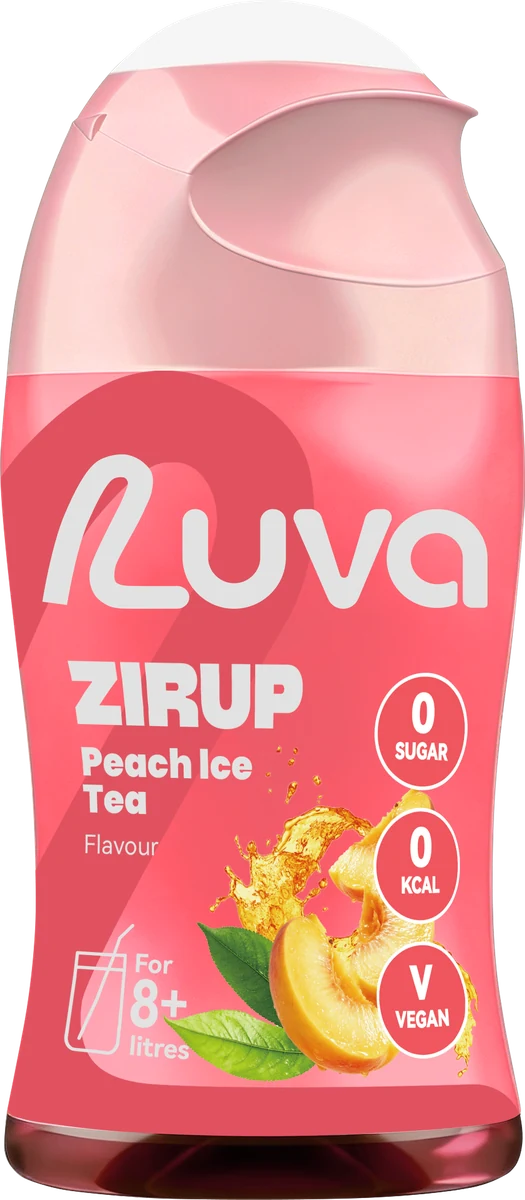
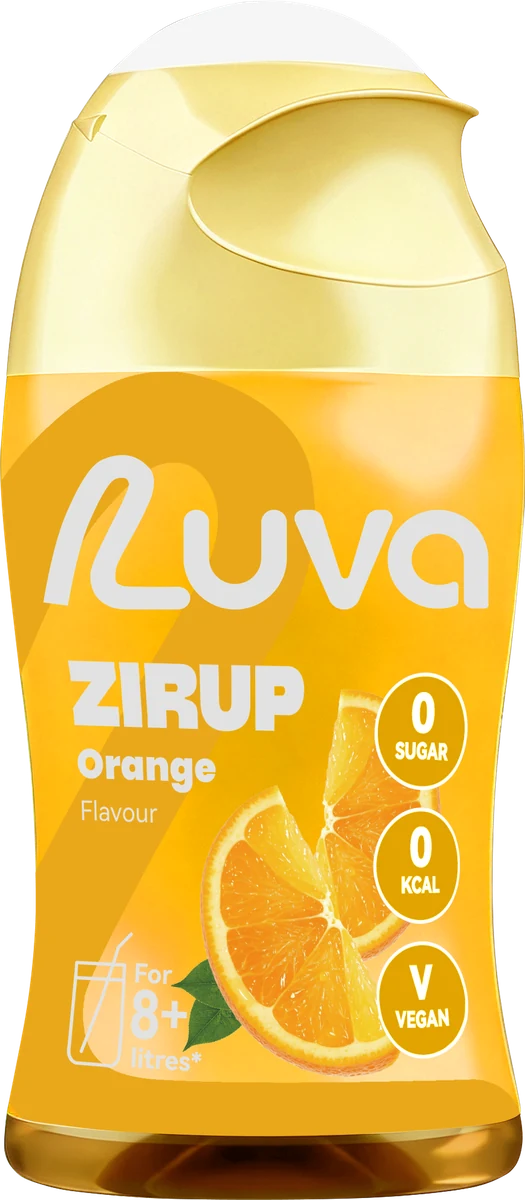
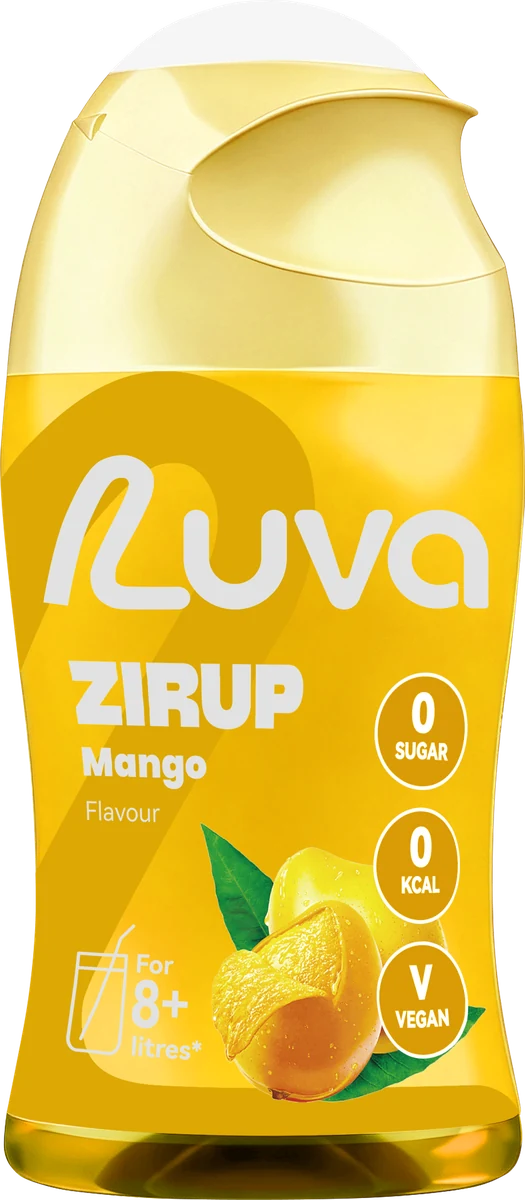
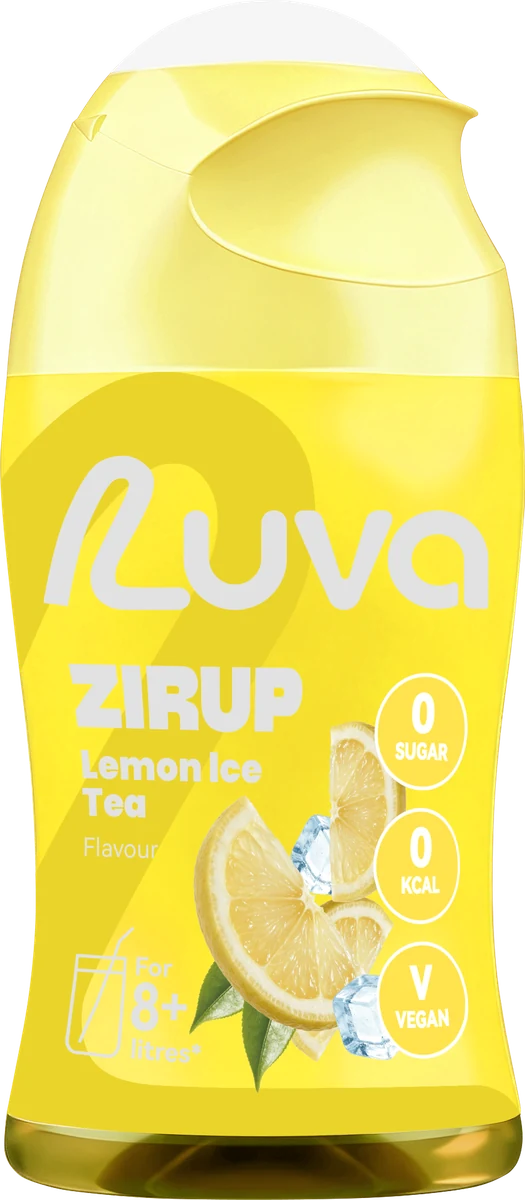
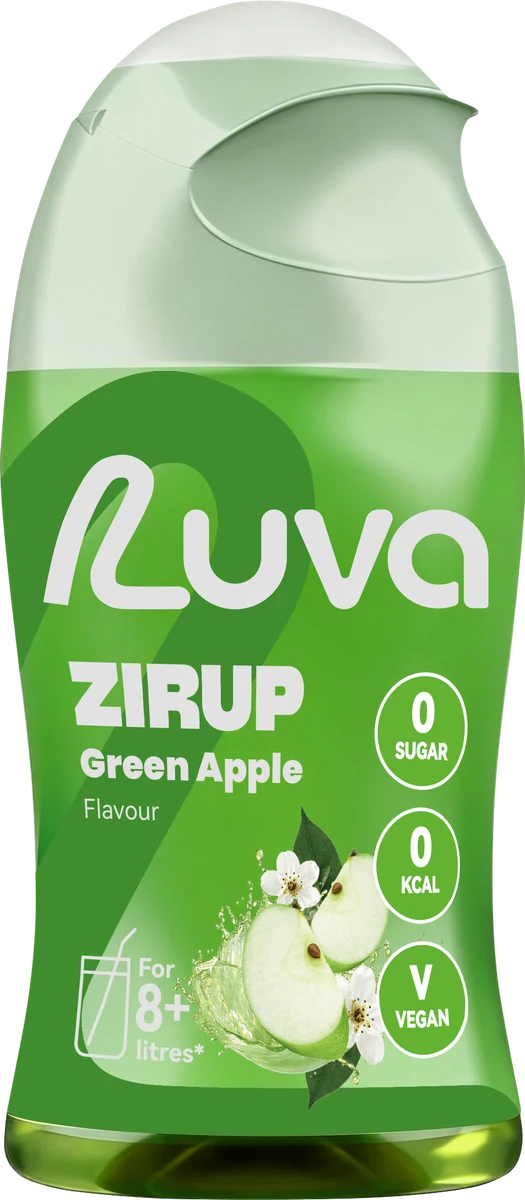
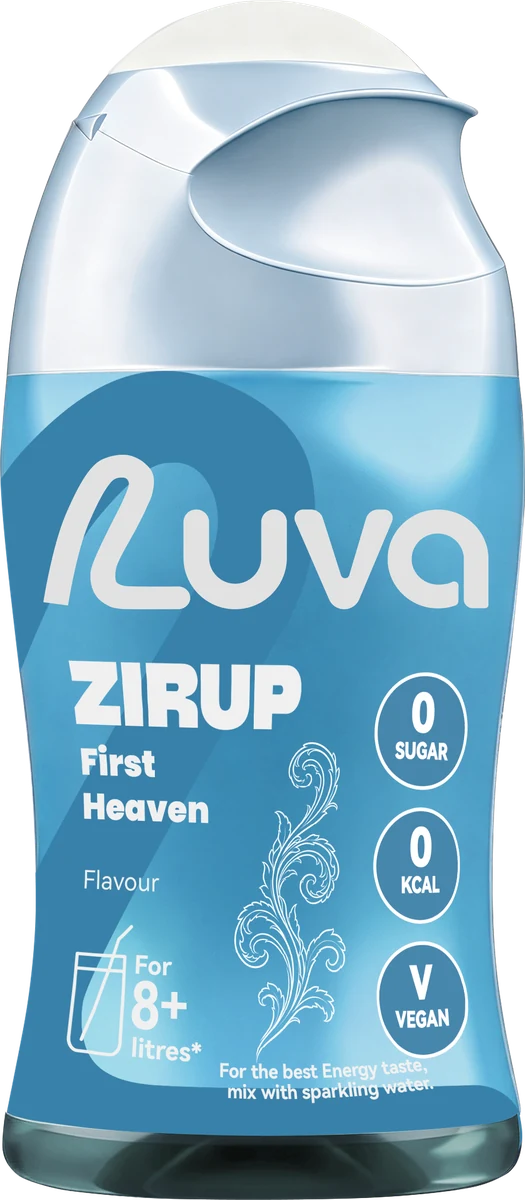
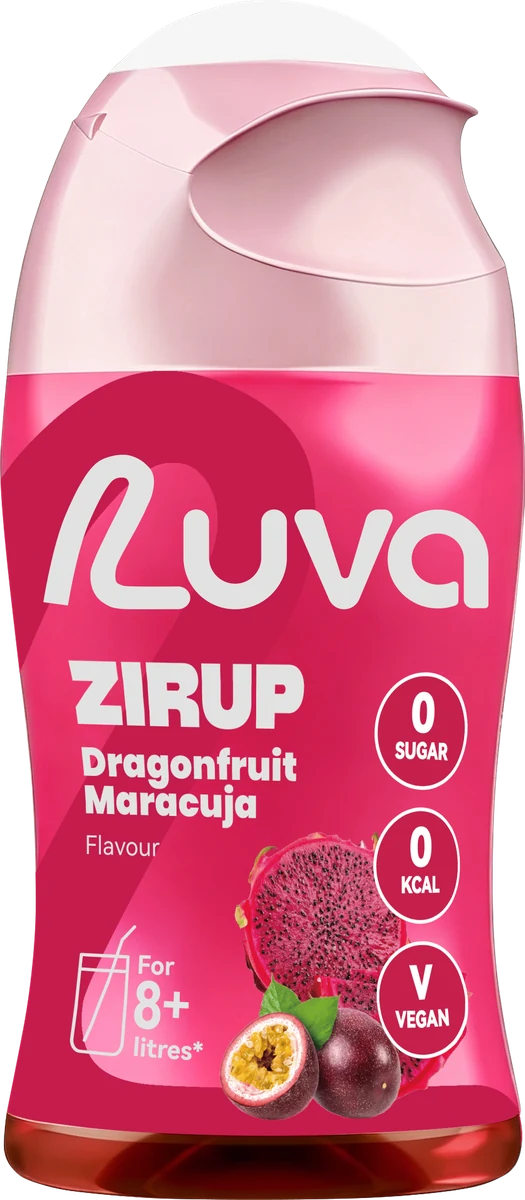
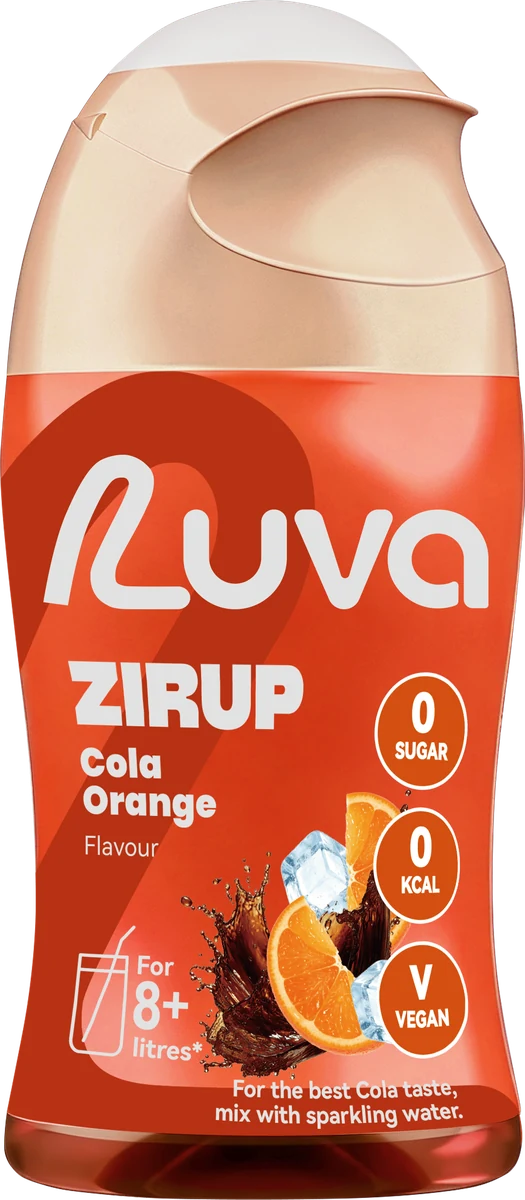
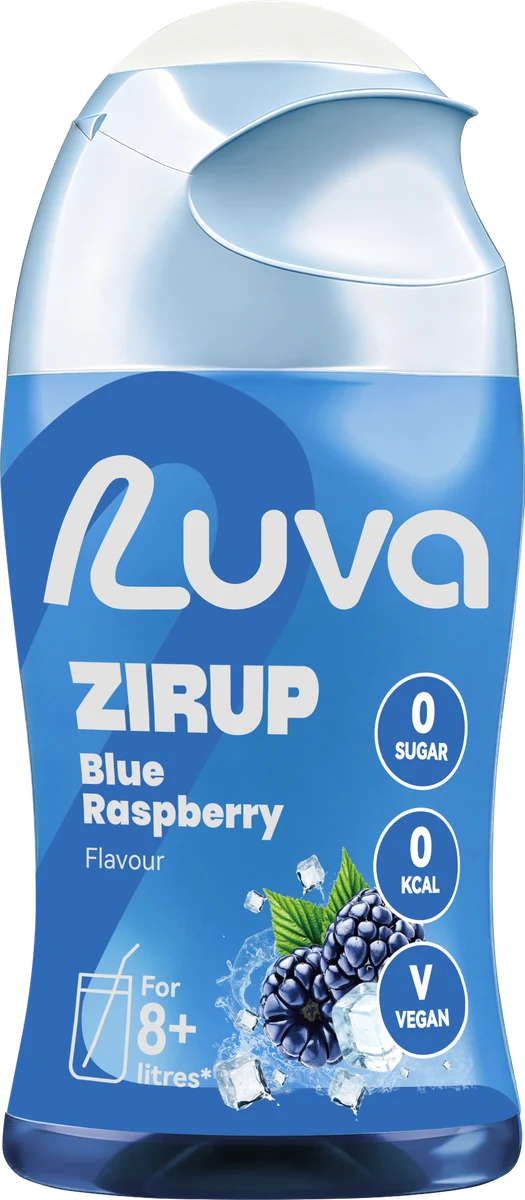
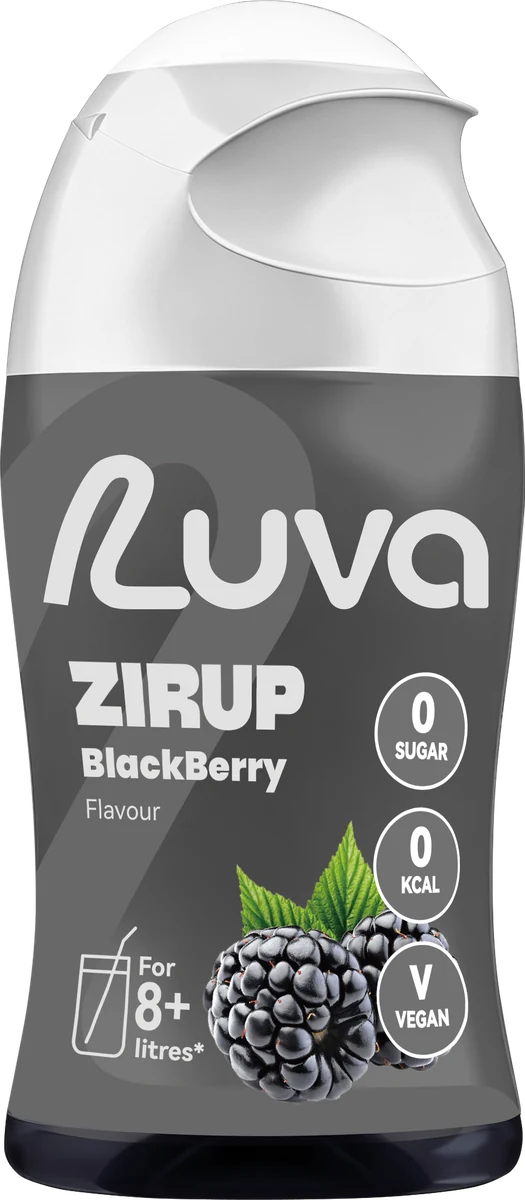
We make ZERUP for people who want a drink that tastes good, without sugar. We don't promote it as a weight-loss product or a health treatment, and we never will. Its job is simple: 0 g sugar per glass, almost no calories, a flavour you look forward to, and a reason to reach for water more often.
The bottom line
The WHO guideline is a cautious, conditional piece of advice about long-term weight control, not a ban and not a safety warning. Regulators continue to consider approved sweeteners safe within their acceptable daily intakes. If a sugar-free drink helps you replace sugary ones and drink more water, it can be a practical part of a varied diet, as long as plain water stays at the centre.
Frequently asked questions
Did WHO say sweeteners are dangerous?
No. WHO advised against using non-sugar sweeteners as a tool for weight control or reducing disease risk. WHO states that the guideline is based on intakes already considered safe and does not replace the safety assessments made by bodies such as JECFA and EFSA.
Why is the WHO recommendation called "conditional"?
Because the evidence certainty was low and the balance of benefits and downsides was uncertain. WHO noted that some associations in observational studies may be due to reverse causation.
Does the WHO guideline apply to people with diabetes?
No. It does not apply to people with pre-existing diabetes, because diabetes management was outside its scope.
Should I switch back to sugar then?
WHO still recommends keeping free sugars below 10% of daily energy, and ideally below 5%. The guideline encourages less sweetness overall, with water as the main drink.
Can I still drink sugar-free syrup?
Approved sweeteners are considered safe within their acceptable daily intake. Many people use a sugar-free syrup to replace sugary drinks and to drink more water, with plain water still their main drink.
Discover ZERUP: 0 g sugar per glass, almost no calories
0 g sugar per glass · Almost no calories · 8+ litres per bottle · Halal & vegan · Delivered within 12 hours across the UAE, free over AED 200
Keep reading
- Are sweeteners safe
- How much sugar is in your drink
- Sugar-free drinks and diabetes
- ZERUP sugar-free drink syrup
Sources
- WHO (2023). Use of non-sugar sweeteners: WHO guideline (NCBI Bookshelf). www.ncbi.nlm.nih.gov
- WHO (2023). WHO advises not to use non-sugar sweeteners for weight control in newly released guideline. www.who.int
- WHO (2015). Guideline: Sugars intake for adults and children. www.ncbi.nlm.nih.gov
- SACN (2025). SACN statement on the WHO guideline on non-sugar sweeteners: summary. GOV.UK. www.gov.uk
- American Diabetes Association (2025). Standards of Care in Diabetes, Section 5. Diabetes Care. diabetesjournals.org
- EFSA (2025). Re-evaluation of acesulfame K (E 950). www.efsa.europa.eu
- EFSA (2026). Re-evaluation of sucralose (E 955). www.efsa.europa.eu
This article is general information and does not replace advice from a doctor, dietitian or other qualified professional. Last reviewed: October 2026.