




Quick answer: Since 1 January 2026, the UAE taxes sweetened drinks by how much sugar they contain, instead of a flat 50% of the price. Drinks with 8 g or more of sugar and other sweeteners per 100 ml pay AED 1.09 per litre, drinks with 5 g to under 8 g pay AED 0.79 per litre, and drinks with under 5 g, or sweetened only with artificial sweeteners, are taxed at AED 0. Energy drinks remain taxed at 100%.
The UAE introduced excise tax on sweetened drinks in December 2019. In 2026, the system changed fundamentally, and if you buy soft drinks, iced teas or juice drinks, it affects what you pay and what manufacturers put into their recipes. Here's a clear summary, based on the official Cabinet Decision and Federal Tax Authority (FTA) guidance.
From a flat 50% to a "tiered volumetric model"
From 1 December 2019 to 31 December 2025, sweetened drinks in the UAE were taxed at 50% of their price, regardless of how much sugar they contained. A drink with a little sugar and a drink with a lot paid the same rate.
Cabinet Decision No. 197 of 2025 replaced this with a tiered volumetric model, effective 1 January 2026. The tax is now:
- Volumetric: charged per litre, not as a percentage of price.
- Tiered: the amount depends on the sugar band the drink falls into.

The 2026 rates
| Category | Sugar and other sweeteners per 100 ml | Excise tax |
|---|---|---|
| High sugar | 8 g or more | AED 1.09 per litre |
| Moderate sugar | 5 g to under 8 g | AED 0.79 per litre |
| Low sugar | under 5 g | AED 0 per litre |
| Artificially sweetened | only artificial sweeteners, or artificial sweeteners plus under 5 g of sugar and other sweeteners | AED 0 per litre |
| Energy drinks (separate category) | n/a | 100% |
For a 330 ml can in the high-sugar band, AED 1.09 per litre works out at about AED 0.36 per can in excise.

What counts as sugar?
According to the FTA, the calculation uses the total sugar and other sweeteners in the drink, including naturally occurring sugars as well as added ones. So a drink that contains juice and added sugar is assessed on its total. Drinks sweetened only with artificial sweeteners fall into the AED 0 band, as do drinks combining artificial sweeteners with less than 5 g of sugar and other sweeteners per 100 ml.
The FTA notes that drinks in the low-sugar and artificially sweetened bands still count as "sweetened drinks" for registration and reporting; they are simply taxed at AED 0.
What about syrups, powders and concentrates?
The rules cover concentrates, powders, gels and extracts that are used to make sweetened drinks. For these, the sugar content is calculated in the final, prepared drink, according to the producer's mixing instructions. If instructions are missing or proven inaccurate, the FTA applies its own calculation method. Producers and importers must back their category with a laboratory report; without one, a drink is taxed in the highest category.
Why the UAE changed the system
The Ministry of Finance presented the change as a way to link the tax directly to sugar content. A tiered model rewards manufacturers who reduce sugar, because reformulating a drink below 8 g or 5 g per 100 ml lowers its tax. Similar tiered sugar levies exist elsewhere, for example the UK Soft Drinks Industry Levy, which has used sugar bands of 5 g and 8 g per 100 ml since 2018.
What it means for you as a shopper
- Some sugary drinks may cost more, some less. Under the old system, cheaper drinks paid less tax because 50% of a low price is small. Under the new system, a high-sugar drink pays the same per litre whatever its price. Actual shelf prices depend on retailers and brands.
- Expect more reformulated drinks. Brands have a clear incentive to bring recipes below the 8 g and 5 g thresholds, often by combining less sugar with sweeteners.
- Labels matter more than ever. The bands give you a quick way to judge any drink: 8 g or more per 100 ml is "high sugar" by the UAE's own definition.
Use the bands as your personal guide
You don't need to be a tax expert to use the new system to your advantage. When you pick up a drink:
- Look at "sugars" per 100 ml.
- 8 g or more? That's the UAE's high-sugar band. A 330 ml can holds at least 26 g, more than WHO's ideal daily limit for free sugars of about 25 g.
- 5-8 g? Moderate. Still a lot if you drink several a day.
- Under 5 g, or 0 g? Low or sugar-free.
Our teaspoon guide to sugar in drinks shows how to convert any label in ten seconds.
Where sugar-free drink syrup fits in
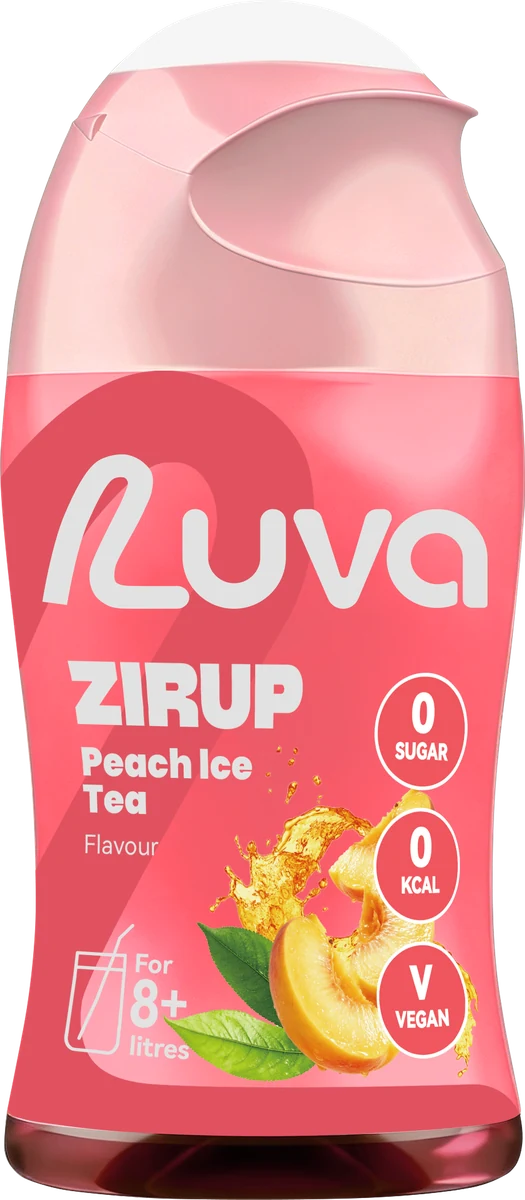
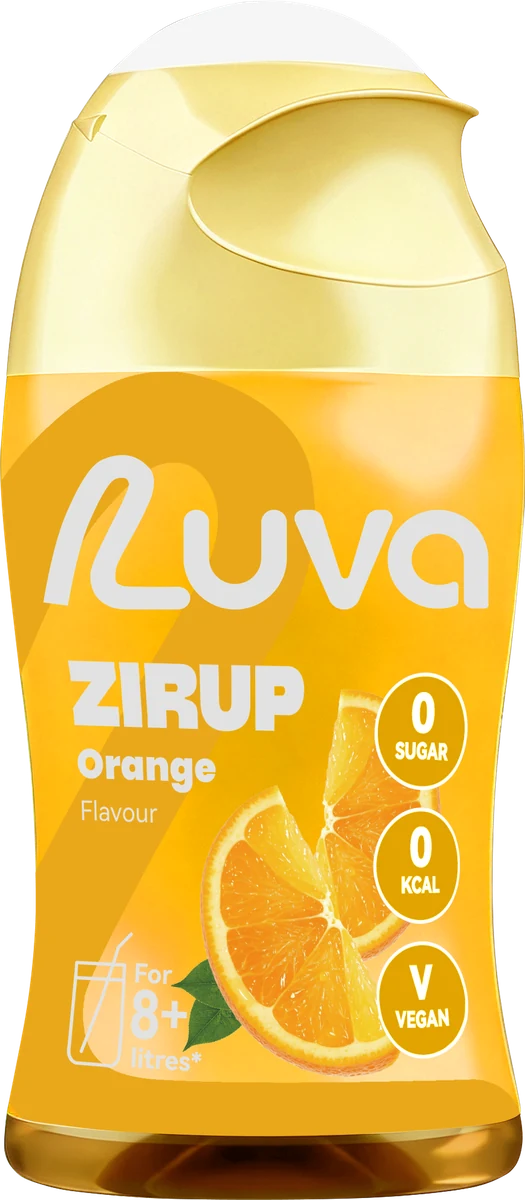
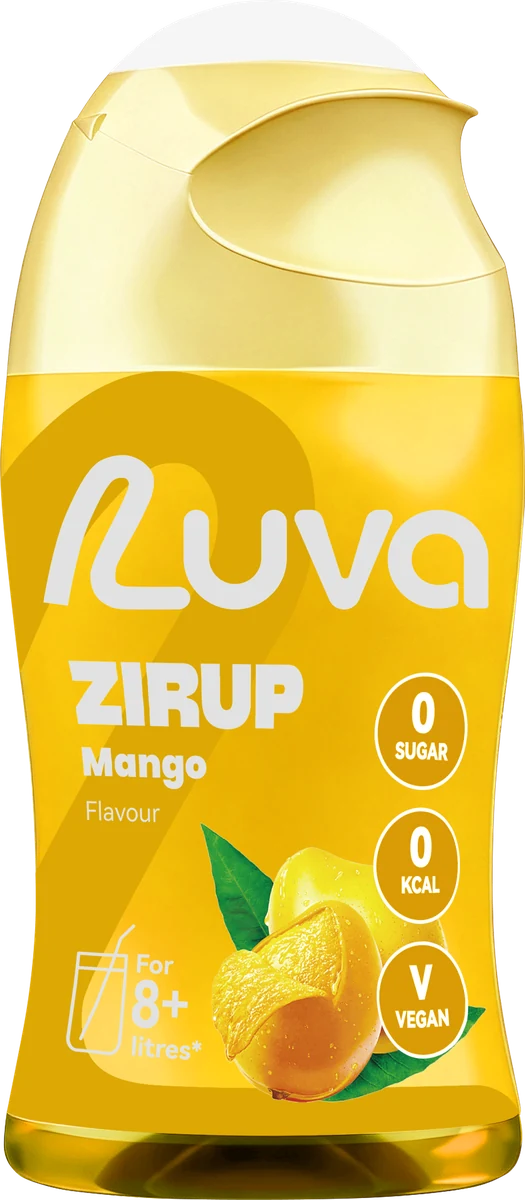
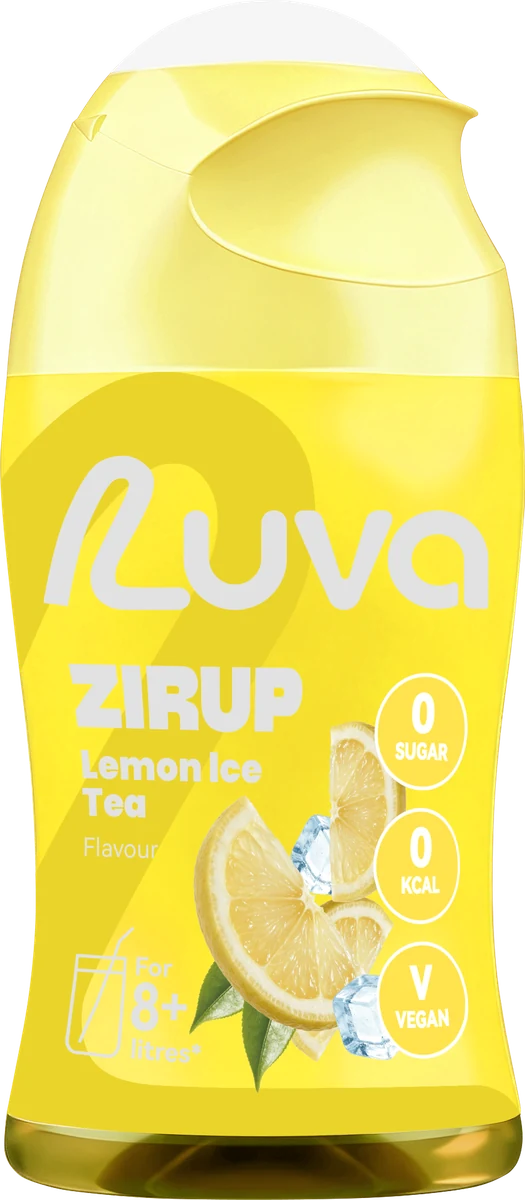
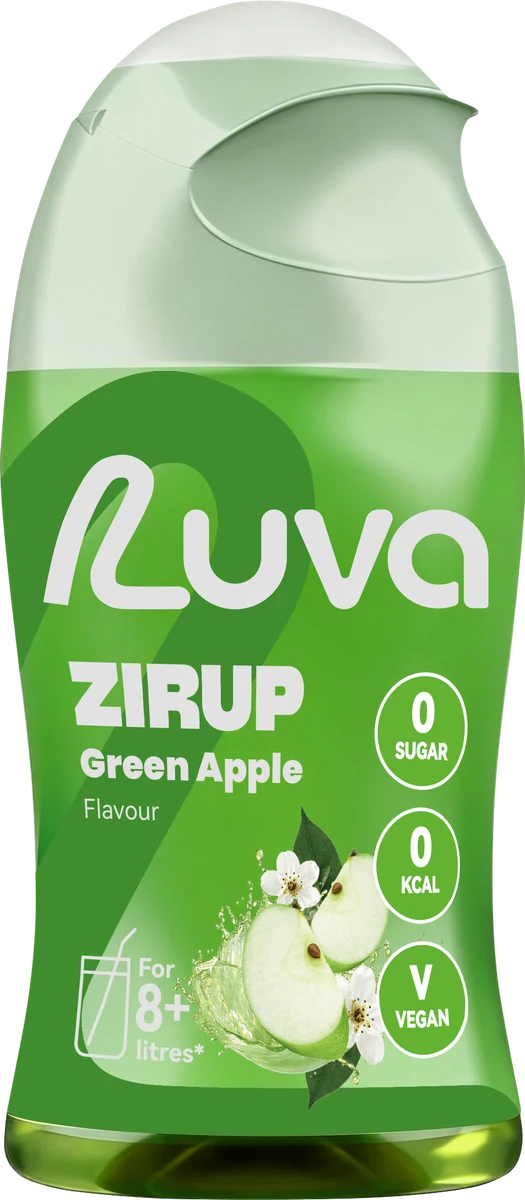
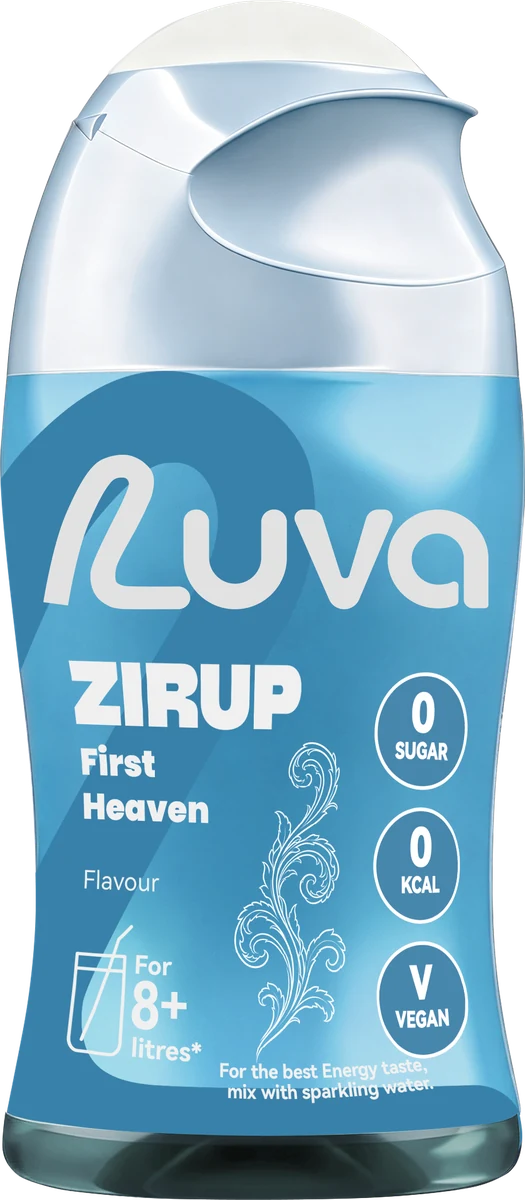
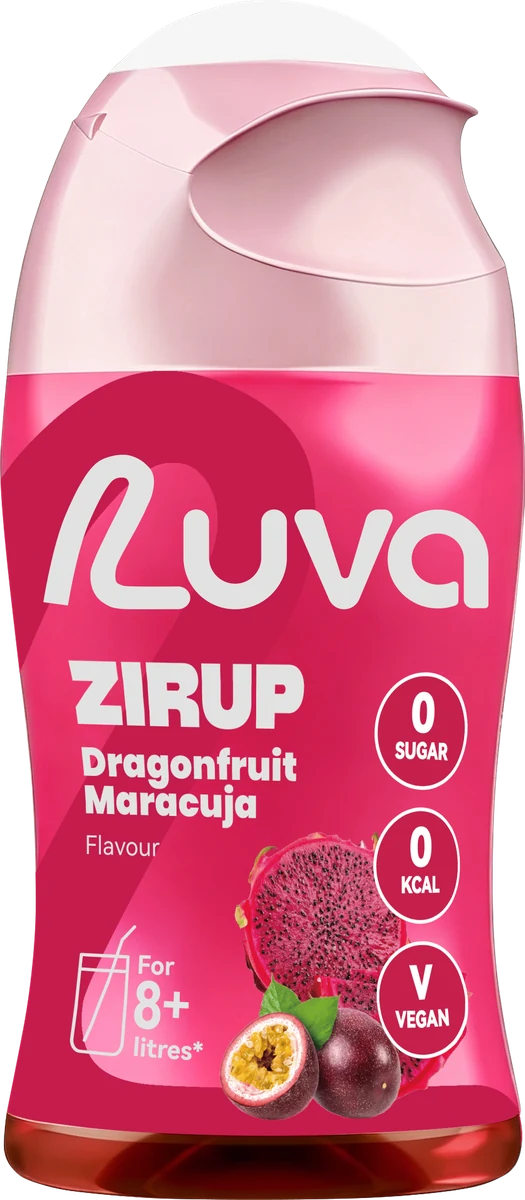
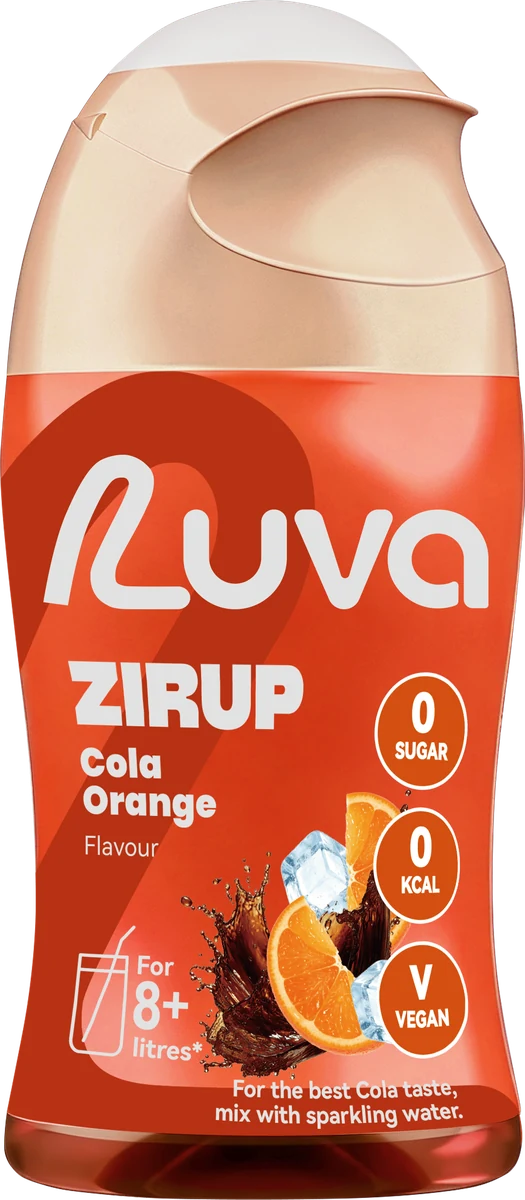
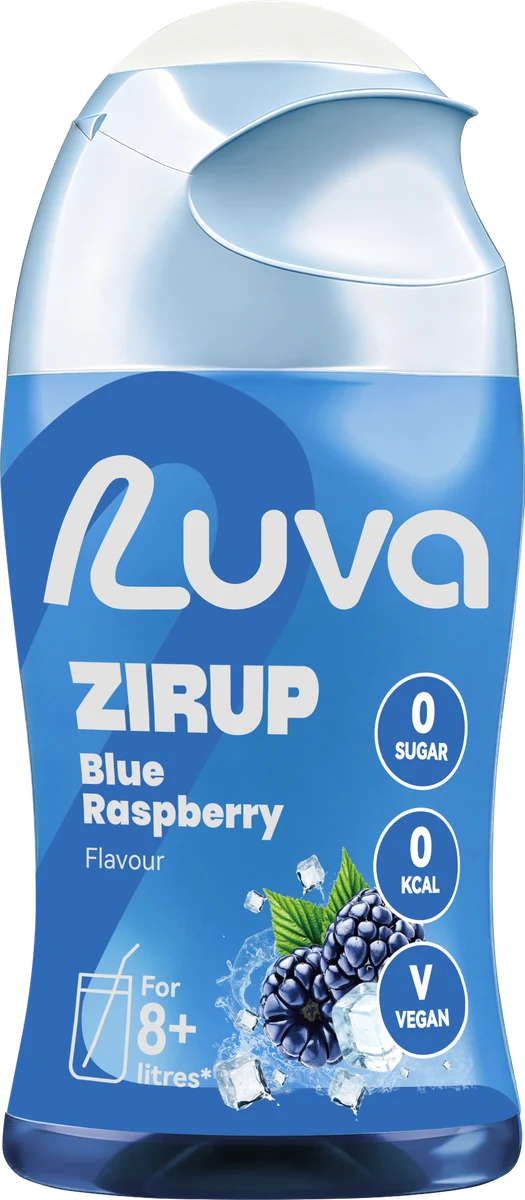
A sugar-free drink syrup such as ZERUP gives you a prepared glass with 0 g sugar. Because you mix it yourself from a concentrated 65 ml bottle that makes 8+ litres, the cost per litre stays low, around AED 2.40, and you replace crates of cans and plastic bottles with one small bottle. It's a simple way to keep the flavours you like while staying in the sugar-free zone. For the full comparison of formats, see drink syrup vs squash vs water enhancers.
This article is general consumer information, not tax advice. Businesses should refer to the Federal Tax Authority's guides and public clarifications or a tax adviser.
Frequently asked questions
What is the sugar tax in the UAE in 2026?
Since 1 January 2026, sweetened drinks are taxed per litre by sugar content: AED 1.09 per litre for 8 g or more of sugar and other sweeteners per 100 ml, AED 0.79 for 5 g to under 8 g, and AED 0 for under 5 g or drinks sweetened only with artificial sweeteners.
Are diet and zero-sugar drinks taxed in the UAE?
Drinks sweetened only with artificial sweeteners, or with artificial sweeteners and under 5 g of sugar and other sweeteners per 100 ml, are in the AED 0 band. They are still registered as sweetened drinks.
Are energy drinks taxed differently?
Yes. Energy drinks remain a separate excise category, taxed at 100%.
Does the sugar tax apply to syrups and powders?
Concentrates, powders, gels and extracts that make sweetened drinks are covered. Their sugar content is assessed in the prepared drink, based on the producer's mixing instructions.
When did the UAE introduce the sugar tax?
Excise on sweetened drinks started on 1 December 2019 at 50%. The tiered volumetric model replaced it on 1 January 2026.
Discover ZERUP: 0 g sugar per glass
0 g sugar per glass · 8+ litres per bottle · Halal & vegan · Delivered within 12 hours across the UAE, free over AED 200
Keep reading
- How much sugar is in your drink
- Sugar-free drink formats compared
- Are sweeteners safe
- ZERUP sugar-free syrup
Sources
- UAE Cabinet Decision No. 197 of 2025 on Excise Goods, Tax Rates or Amounts (Federal Tax Authority). tax.gov.ae
- Federal Tax Authority. Public Clarification EXTP013: Tiered-volumetric model for sweetened drinks. tax.gov.ae
- Federal Tax Authority. Taxable Persons Guide (Excise Goods), 2026. tax.gov.ae
- UAE Ministry of Finance. New amendments to the Excise Tax for the "Tiered Volumetric Model". mof.gov.ae
- GOV.UK. Soft Drinks Industry Levy: check if your drink is liable. www.gov.uk
- WHO (2015). Guideline: Sugars intake for adults and children. www.ncbi.nlm.nih.gov
This article is general information and does not replace advice from a doctor, dietitian or other qualified professional. Last reviewed: October 2026.