




Quick answer: To stop drinking soda, track your current intake, swap one can at a time with sparkling water flavoured with a sugar-free syrup like ZERUP, keep the fizz and the cold, and step down sweetness over four weeks. If you drink cola daily, taper caffeine gradually to avoid headaches—ZERUP is caffeine-free. A 330 ml can of regular cola has about 35 g of sugar (about 9 teaspoons), and swapping to almost-no-calorie alternatives saves both sugar and money.
Quitting soft drinks feels hard because you're not just giving up a drink—you're changing a habit tied to meals, breaks and routines. But you don't need willpower alone; you need a plan that keeps what you enjoy (the fizz, the cold, the flavour) and removes what you don't need (the sugar and the cost). This four-week plan works because it changes one thing at a time.
Why you should stop drinking soda
A 330 ml can of regular cola contains about 35 g of sugar—roughly 9 teaspoons. The World Health Organization recommends keeping free sugars below 10 % of your daily energy intake, and ideally below 5 %, which is about 25 g a day for most adults. One can already exceeds that. In the UAE, sweetened soft drinks carry a 50 % excise tax, so you're paying extra for the sugar; the UAE sugar tax was introduced in 2017 to reduce consumption.
Beyond the sugar, daily soft drinks can become an expensive habit. If you drink two cans a day at about AED 2–3 each, that's AED 120–180 a month. Switching to a sugar-free syrup like ZERUP costs about AED 2.40 per litre (or about AED 2.04 per litre with the 3-for-49 offer), so a month's worth of flavoured water runs about AED 15–20.

The 4-week plan to quit soft drinks
This plan doesn't ask you to go cold turkey. Each week you replace one moment, step down sweetness and build new habits. By week four, soft drinks are the exception, not the rule.
| Week | Goal | Action | What to drink |
|---|---|---|---|
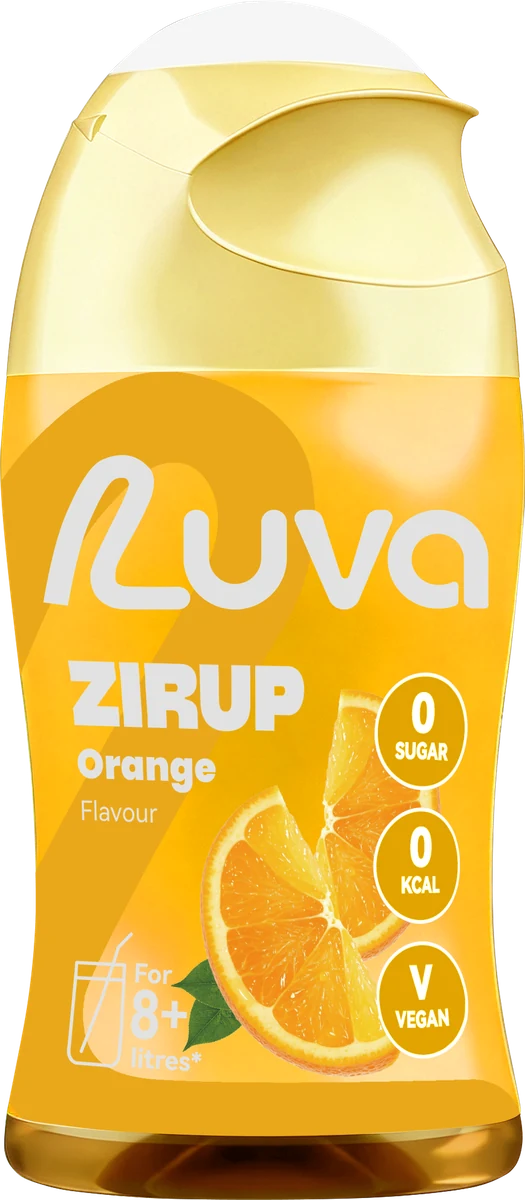
| 1 | Track and swap one moment | Count how many cans you drink and when; swap one specific time (e.g. lunch) with sparkling water + ZERUP | ZERUP Cola Orange or Orange in sparkling water |
| 2 | Replace half your cans | Swap every other soft drink; keep the fizz and the cold | Sparkling water with ZERUP (any flavour); rotate to avoid boredom |
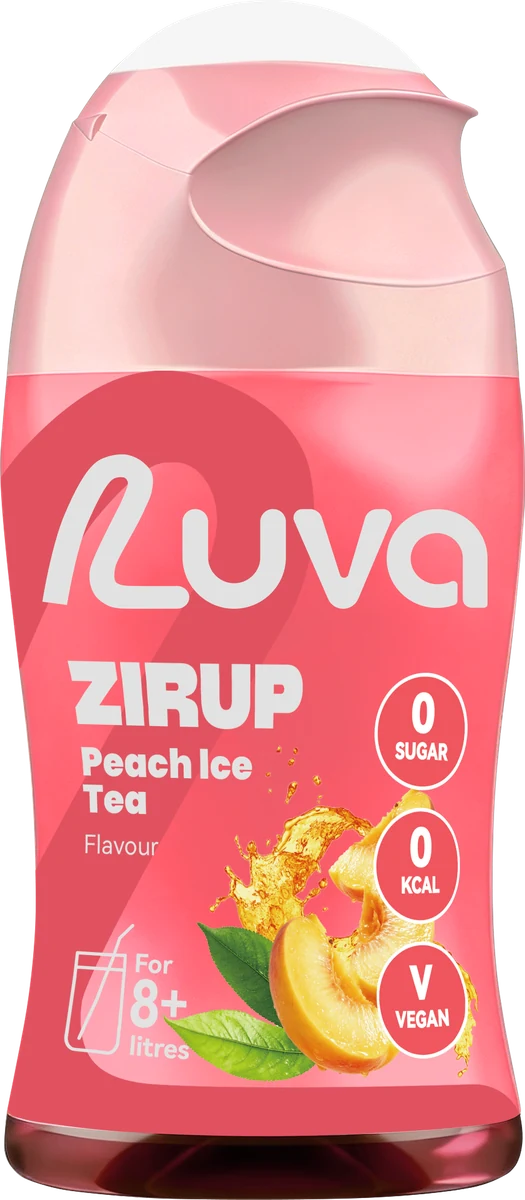
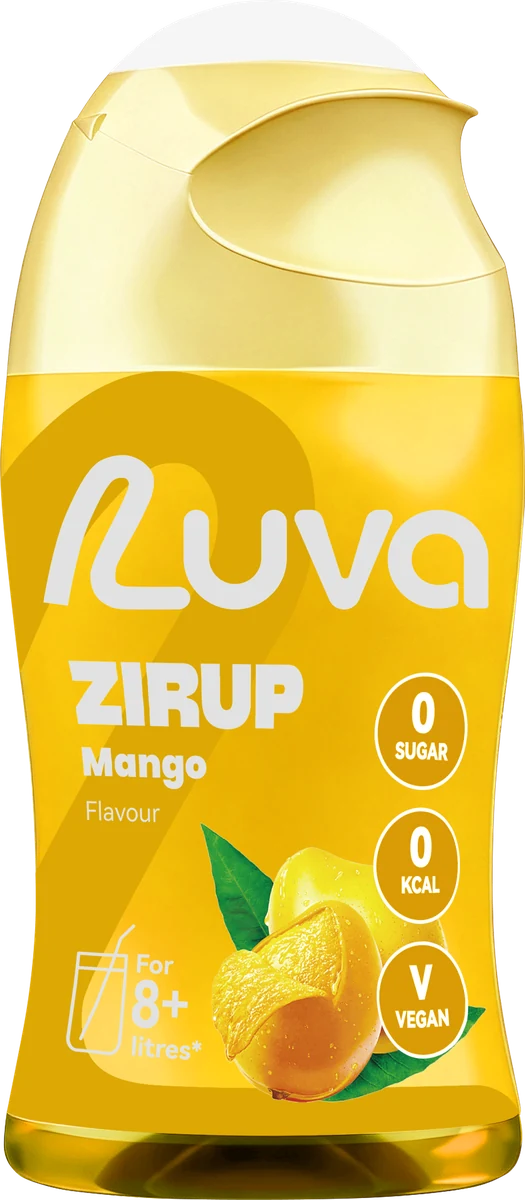
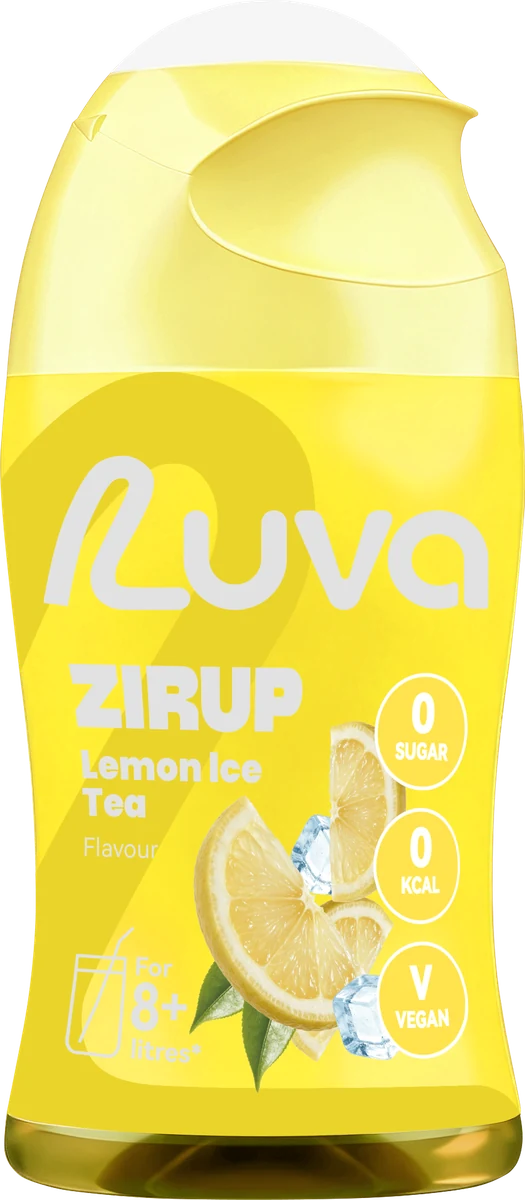
| 3 | Add variety at meals | Replace lunch or dinner soft drink with iced tea or flavoured still water | ZERUP Lemon or Peach Iced Tea in cold still water; try Mango or Dragonfruit Passionfruit |
| 4 | Maintenance and triggers | Identify triggers (fast food, cinema, stress) and plan your swap in advance | Sparkling water with ZERUP in a reusable bottle; order "no drink" in combos and bring your own |
Week 1 is about awareness. Write down every can: breakfast, lunch, afternoon, dinner, gaming. You'll see patterns. Then pick the easiest moment—often lunch at home—and swap it for sparkling water with a few squeezes of ZERUP Cola Orange. You keep the fizz and the cold; you lose the sugar.
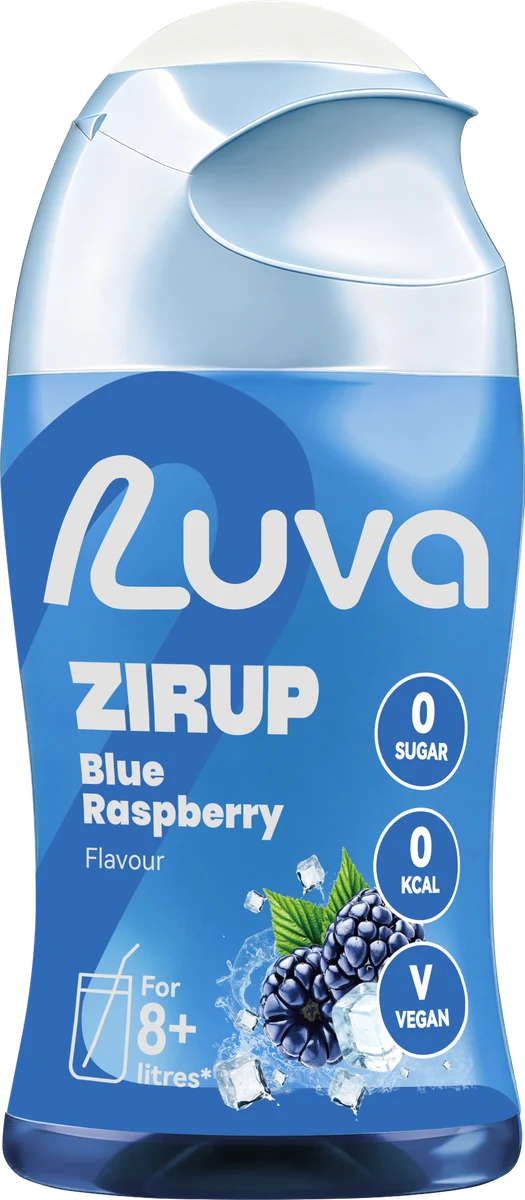
Week 2, you go to every other can. If you drank four a day, now it's two cans and two glasses of ZERUP sparkling water. Rotate flavours so you don't get bored—try Blue Raspberry one day, Green Apple the next. The variety helps more than willpower.
Week 3, add still-water options. ZERUP Lemon Iced Tea or Peach Iced Tea in cold still water tastes like the bottled teas but with almost no calories (approx. 2–3 kcal per 100 ml prepared drink) and no added sugar. By now you're down to one can a day or less.
Week 4 is maintenance. You've broken the daily habit; now you handle triggers. Fast-food combos, the cinema, the 3 p.m. slump at work—each has a script. We'll cover those next.
How to handle caffeine when you quit cola
Regular cola contains about 30–40 mg of caffeine per 330 ml can. If you drink three cans a day, that's about 100 mg, roughly one cup of coffee. All ZERUP flavours are caffeine-free, including the iced teas and Cola Orange. If you've been drinking cola for the caffeine, quitting suddenly can cause headaches, fatigue and irritability for two to four days.
Taper instead. In week 1, keep one can of regular cola in the morning and swap the rest. In week 2, switch to a smaller can or half a can, or add a cup of tea or coffee if you need the caffeine. By week 3, your body has adjusted and you can drop the cola entirely. If you don't normally drink coffee, you probably don't need to replace the caffeine—most people feel better without the sugar crash.
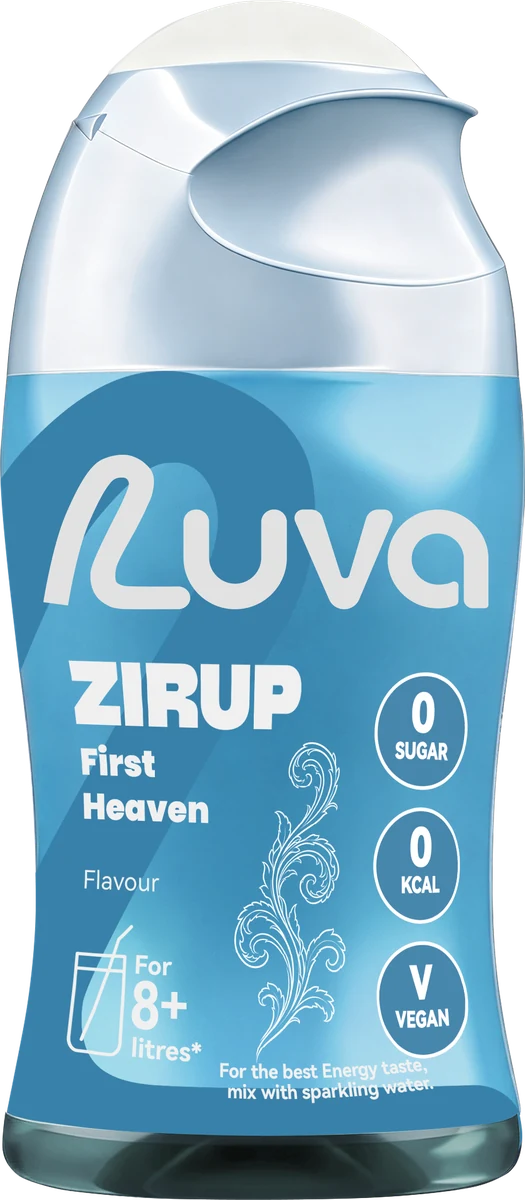
ZERUP's First Heaven flavour tastes like an energy drink but contains no caffeine, so it's a good swap for the flavour without the stimulant.

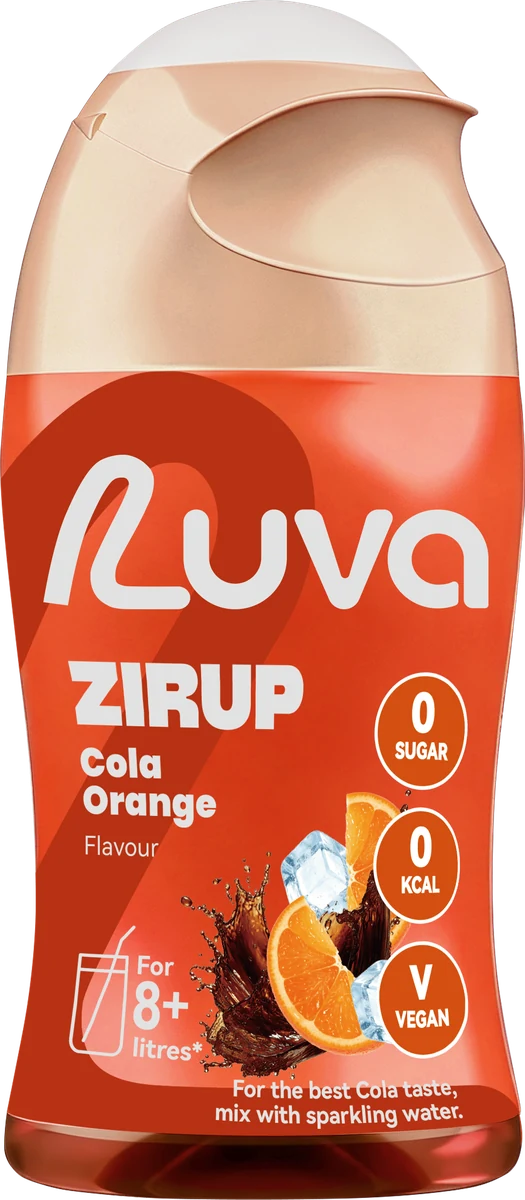
ZERUP Cola Orange
Sugar-free syrup for water · 65 ml makes about 16 glasses · halal · AED 19
Soft drink alternatives that actually taste good
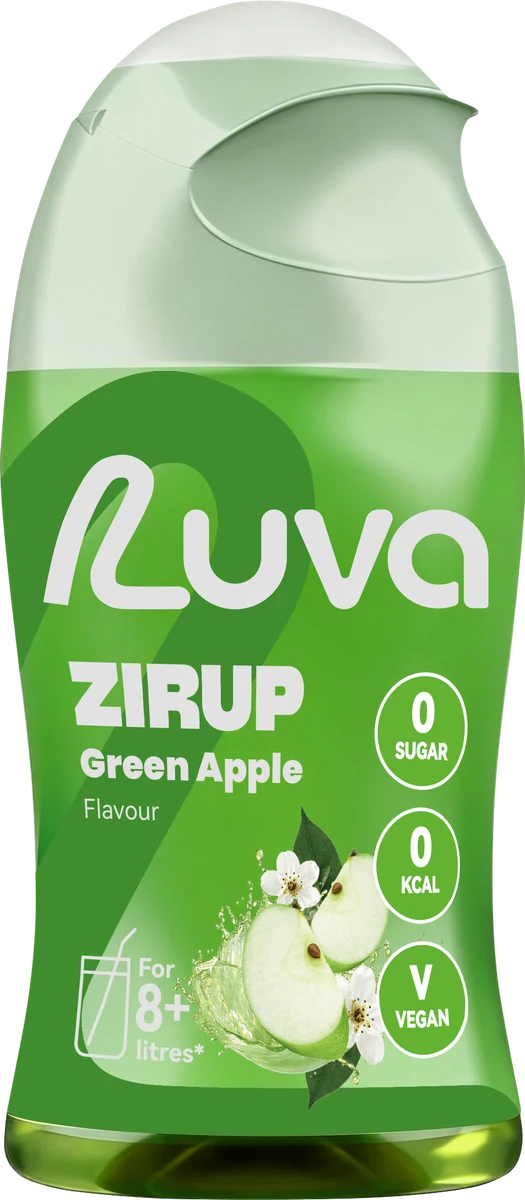
The best alternative keeps what you like—fizz, cold, flavour—and removes the sugar. Sparkling water with a sugar-free syrup is the closest swap. ZERUP uses glycerin as a carrier and is sweetened with acesulfame K and sucralose (no aspartame, no xylitol or erythritol). One 65 ml bottle makes about 8 litres of flavoured water, so one bottle lasts two weeks if you drink a glass a day.
For variety, try these swaps:
- Cola craving: ZERUP Cola Orange in sparkling water (orange-cola taste, no caffeine, almost no calories).
- Lemon-lime soda: ZERUP Lemon Iced Tea or Green Apple in sparkling water.
- Orange soda: ZERUP Orange in sparkling water; tastes like orange soda but with almost no calories.
- Iced tea: ZERUP Peach or Lemon Iced Tea in cold still water; no caffeine, almost no calories.
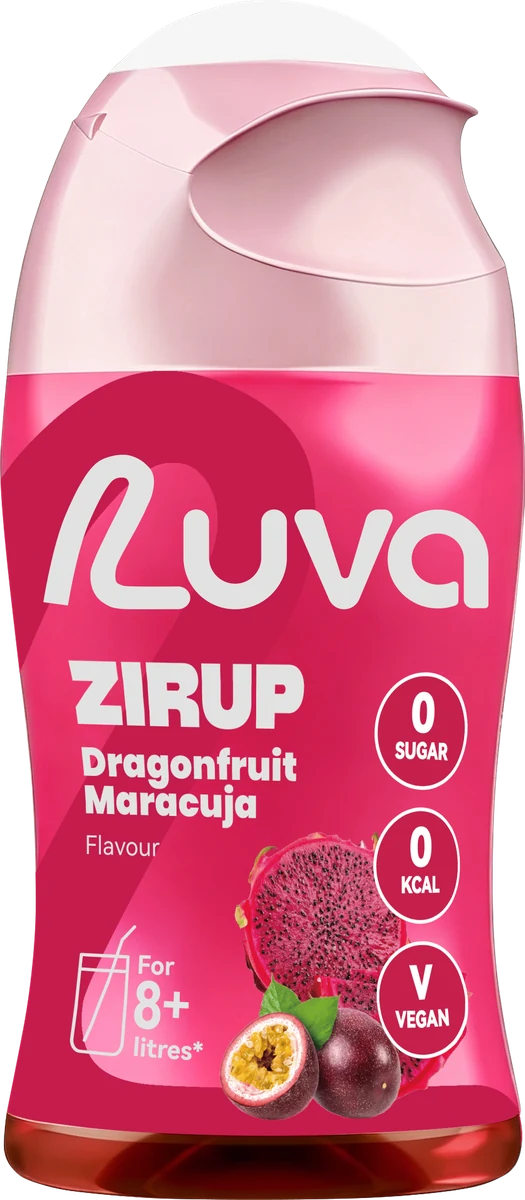
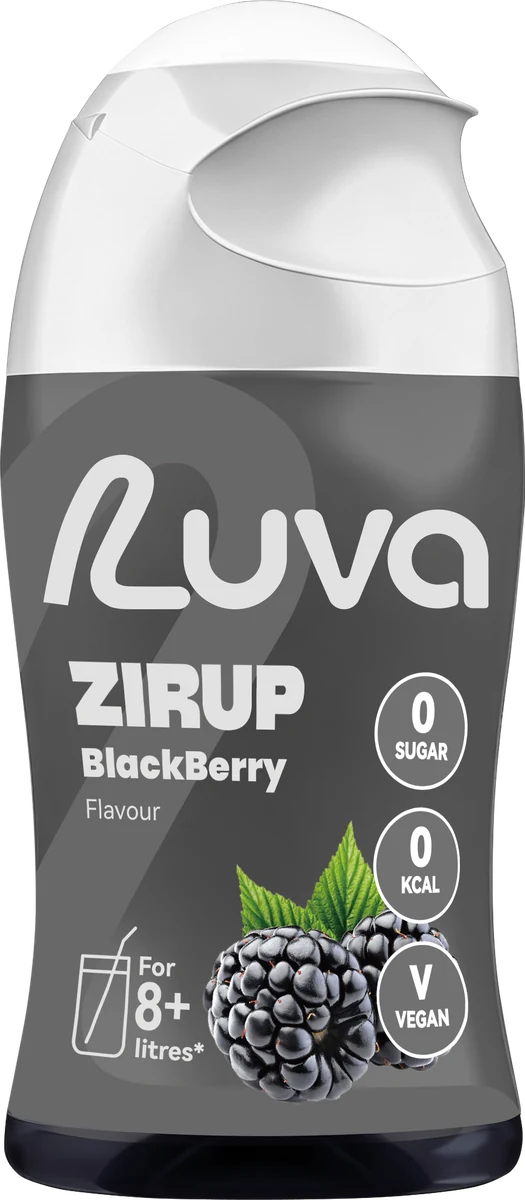
- Fruity fizz: ZERUP Mango, Blackberry or Dragonfruit Passionfruit in sparkling water.
If you find drinks too sweet at first, use less syrup—about 2–3 ml in 500 ml instead of 4 ml—and increase slowly. Your taste buds adapt in about two weeks. For more ideas, see our guide to sparkling water flavour ideas.

Common triggers and how to beat them
Triggers are the moments when you reach for a can without thinking. Identifying them in week 1 and planning a swap in advance makes week 4 easier.
Fast-food combos: The meal deal includes a soft drink, so you feel you're wasting money if you don't take it. Order the burger and fries separately, or ask for "no drink" and bring a bottle of ZERUP sparkling water in your bag. You'll save money and sugar.
Cinema: The large cup is part of the experience. Buy a small bottle of sparkling water at the kiosk, or bring a reusable bottle with ZERUP already mixed (about 16 ml in 2 litres, poured into a 500 ml bottle). Most UAE cinemas allow sealed water bottles.
Afternoon slump at work: You're tired at 3 p.m. and the vending machine is right there. Keep a bottle of ZERUP and a 1.5 L bottle of sparkling water at your desk. Mix a glass when the craving hits. The fizz and the cold wake you up as much as the sugar used to. If you need caffeine, have a coffee or tea instead—it's more effective and you control the amount.
Gaming or streaming: You drink a can without noticing because your hands are busy. Pour ZERUP sparkling water into a large glass with ice before you start. One glass lasts as long as a can, and you won't reach for a second.
Work stress: A cold can feels like a reward after a hard call or meeting. Swap the ritual, not the reward: pour a glass of ZERUP Blackberry or Blue Raspberry over ice in a nice glass. The pause and the cold drink still mark the moment, but without 35 g of sugar.
Is diet soda a good stepping stone?
Diet or zero-sugar soft drinks use sweeteners (usually aspartame, acesulfame K or sucralose) instead of sugar, so they have almost no calories. They can be a useful stepping stone in week 1 or 2 if you're not ready to give up the exact taste of your favourite cola. Research suggests that switching from sugar-sweetened to artificially sweetened drinks reduces sugar intake and may help some people cut calories, though the evidence on long-term weight outcomes is mixed.
The honest trade-off: diet soda still contains caffeine (if it's cola), it's still expensive, and it keeps you used to very sweet tastes. If you drink diet cola every day, your palate stays tuned to intense sweetness, so plain water or lightly flavoured water tastes boring. Using diet soda as a bridge for a week or two is fine, but the goal is to step down to something less sweet and less caffeinated. ZERUP lets you control the sweetness (use less syrup) and has no caffeine, so it's a better long-term swap.
For more on sweeteners and safety, see our guides on whether sweeteners are safe and the WHO sweetener guideline explained.

How long do soda cravings last?
Most people find that intense cravings for soft drinks fade within 7–14 days. The first three days are the hardest, especially if you're also cutting caffeine. You might feel irritable, tired or get headaches. By day four or five, the physical withdrawal is over and what's left is habit—the automatic reach for a can at lunch or in the car.
Breaking the habit takes about three weeks, which is why the plan runs four. By week 3, you'll notice that you don't think about soft drinks as much. By week 4, a can tastes too sweet and you prefer your ZERUP sparkling water. Your taste buds genuinely change: studies show that reducing sugar and intense sweeteners makes you more sensitive to sweetness, so foods and drinks you used to enjoy start tasting cloying.
If a craving hits, drink a large glass of cold sparkling water with ZERUP first, then wait 10 minutes. Most cravings pass. The fizz and the cold satisfy the same sensory need as a can.
The budget: cans vs ZERUP
Let's say you drink two cans of soft drink a day at AED 2.50 each (a typical supermarket price after the excise tax). That's AED 5 a day, AED 150 a month, AED 1,800 a year. A 65 ml bottle of ZERUP costs AED 19 and makes about 8 litres—16 glasses of 500 ml. If you drink two glasses a day, one bottle lasts eight days, so you need about four bottles a month: AED 76 at single-bottle price, or AED 65 a month if you buy three bottles for AED 49 and rotate stock.
You save about AED 85 a month, over AED 1,000 a year. You also save the sugar: two cans a day is about 70 g of sugar (17 teaspoons), which you've replaced with almost no calories. The LUVA Starter Bundle includes all 10 ZERUP flavours plus two tins of creatine gummies for AED 382.20 (35 % off), enough ZERUP for about two months if you drink two glasses a day.
What happens when you stop drinking soda?
In the first week, you'll lose some water weight (sugar holds water in your body) and you might feel less bloated. If you were drinking caffeinated cola, you may get mild headaches for two to four days as your body adjusts. By week two, your energy levels stabilise—no more sugar crashes at 4 p.m.—and you'll probably sleep a bit better. By week three, your taste buds start to change: sweet things taste sweeter, and you'll notice flavours in food you didn't before.
Long-term, cutting 70 g of sugar a day (two cans) removes about 280 kcal from your daily intake, which over time can make a noticeable difference if you don't replace those calories elsewhere. Research also suggests that reducing free sugars supports better dental health and may reduce the risk of metabolic issues, though individual results vary. You'll also save money and spend less time at the dentist.
Many people report that they feel more in control. Soft drinks are designed to be crave-able—the sugar, the caffeine, the fizz, the cold—and breaking that cycle feels like getting your choice back.
The bottom line
Quitting soft drinks works when you swap the moment, not just the drink: keep the fizz and the cold, step down sweetness over four weeks, and handle caffeine separately if you drink cola. A 330 ml can of regular cola has about 35 g of sugar (9 teaspoons), and swapping to sparkling water with a sugar-free syrup like ZERUP saves both sugar and money—about AED 1,000 a year. Track your cans in week 1, replace half in week 2, add variety in week 3, and by week 4 soft drinks are the exception, not the rule.
Frequently asked questions
What happens when you stop drinking soda?
In the first week you may lose some water weight and feel less bloated; if you drank caffeinated cola, mild headaches can last two to four days. By week three your taste buds adapt so sweet things taste sweeter. Long-term, cutting two cans a day removes about 70 g of sugar and 280 kcal daily.
How long do soda cravings last?
Intense cravings usually fade within 7–14 days, with the first three days being the hardest, especially if you're also cutting caffeine. By day four or five the physical withdrawal is over and what remains is habit—the automatic reach for a can at certain times. Breaking the habit takes about three weeks; by week four most people find that a can tastes too sweet and they prefer their sparkling water with ZERUP.
Is diet soda better than regular soda?
Diet or zero-sugar soft drinks have almost no calories and no sugar, so they remove the 35 g of sugar per can, which is a clear benefit. However, they still contain caffeine (if cola), they're still expensive, and they keep your palate used to very sweet tastes. Research suggests switching from sugar-sweetened to artificially sweetened drinks can help reduce sugar intake, but diet soda is best used as a short-term stepping stone, not a permanent swap—stepping down to lightly flavoured water lets your taste buds adjust and removes the caffeine.
What is the best soda alternative in the UAE?
The best alternative keeps the fizz, the cold and the flavour but removes the sugar: sparkling water with a sugar-free syrup like ZERUP. One 65 ml bottle of ZERUP makes about 8 litres (16 glasses of 500 ml) and costs AED 19, or three bottles for AED 49, so about AED 2.04–2.40 per litre. ZERUP is caffeine-free, halal certified, has almost no calories (approx. 2–3 kcal per 100 ml prepared drink), and comes in 10 flavours including Cola Orange, Lemon Iced Tea, Peach Iced Tea, Mango and Orange—delivered within 12 hours anywhere in the UAE.
Does sparkling water hurt your teeth?
Plain sparkling water is slightly more acidic than still water (pH around 5, compared to 7 for still), but research suggests it poses low risk to tooth enamel when consumed normally. Flavoured sparkling water with added citric acid or other acids is more acidic, so it's best enjoyed with meals rather than sipped all day. Rinsing your mouth with plain water after drinking and waiting 30 minutes before brushing helps protect enamel; the main risk to teeth comes from sugar and frequent acid exposure, not the carbonation itself.
Is ZERUP caffeine-free?
Yes, all ZERUP flavours are caffeine-free, including the iced teas (Lemon Iced Tea, Peach Iced Tea), Cola Orange and First Heaven (which tastes like an energy drink but contains no caffeine). If you've been drinking caffeinated cola daily and want to avoid withdrawal headaches, taper your caffeine separately—keep one can of regular cola or add a cup of tea or coffee in week 1, then reduce in week 2—while you swap the other cans for ZERUP sparkling water.
How much ZERUP do I use to replace a can of soft drink?
Use about 4 ml of ZERUP (a short squeeze, a little less than a teaspoon) in 500 ml of cold sparkling water—about the same volume as a standard can. One 65 ml bottle makes about 8 litres, so about 16 glasses of 500 ml. If you find the taste too sweet at first, start with 2–3 ml per 500 ml and increase slowly; your taste buds adapt in about two weeks and you'll prefer the lighter sweetness.
Can I mix ZERUP flavours to make my own soda?
Yes, mixing two ZERUP flavours works well: use about 2 ml of each flavour in 500 ml of sparkling water. Try Cola Orange + Lemon Iced Tea for a citrus cola, or Mango + Peach Iced Tea for a tropical iced tea. Experiment with small amounts first to find your favourite combinations; the ZERUP flavour guide has more pairing ideas.
Try ZERUP Cola Orange
Sugar-free · Halal · AED 19, any 3 for AED 49 · Delivered within 12 hours across the UAE, free over AED 200
Keep reading
- Sugar in drinks in teaspoons
- UAE sugar tax explained
- Drinks too sweet?
- Sparkling water flavour ideas
- Sugar-free drinks in the UAE
Sources
- World Health Organization (2015). Guideline: Sugars intake for adults and children. www.who.int
- Rogers PJ et al. (2016). Does low-energy sweetener consumption affect energy intake and body weight? A systematic review. International Journal of Obesity, 40(3), 381–394. pubmed.ncbi.nlm.nih.gov
- Parry J et al. (2001). Investigation of mineral waters and soft drinks in relation to dental erosion. Journal of Oral Rehabilitation, 28(8), 766–772. pubmed.ncbi.nlm.nih.gov
- Lally P et al. (2010). How are habits formed: Modelling habit formation in the real world. European Journal of Social Psychology, 40(6), 998–1009. doi.org
This article is general information and does not replace advice from a doctor, dietitian or other qualified professional. Last reviewed: October 2026.