




Quick answer: If water tastes boring, make it ice-cold, add bubbles, infuse it with citrus or herbs, or use a small amount of sugar-free syrup like ZERUP. All of these methods keep water sugar-free and still count towards your daily fluid intake. Temperature, carbonation and natural aromas can completely change the sensory experience without adding sugar.
You know you should drink more water, but plain water tastes… well, like nothing. That flat, neutral flavour can feel like a chore, especially in Dubai's heat when you need two to three litres a day. The good news: you can make water taste interesting without reaching for sugary drinks or juice.
Why does water taste boring?
Plain water has almost no taste by design—it's a blank canvas. Our brains are wired to seek flavour, sweetness and variety, so a glass of plain water offers little sensory reward. Germans even have a phrase for this: Wasser schmeckt nicht—water doesn't taste (of anything). That lack of flavour can make hydration feel like a task rather than a pleasure.
Temperature and texture also matter. Room-temperature still water can feel heavy or stale, especially if your tap water carries a hint of chlorine or minerals. Cold water, bubbles and aromas all trigger different sensory pathways, making the same H₂O far more appealing.
The solution is not to add sugar—most flavoured drinks and squashes contain four to six teaspoons per glass—but to change the sensory experience. Below are twelve practical ways to make water taste better naturally or with zero-sugar options.

12 ways to make water taste better without sugar
1. Serve it ice-cold with lots of ice
Why it works: Cold water feels more refreshing and slightly dulls your taste buds, so any off-flavours (chlorine, minerals) become less noticeable. Ice also adds a satisfying crunch and keeps the drink cold longer in warm weather.
Try this: Fill your glass or bottle halfway with ice cubes, then top up with water. In the UAE heat, the ice melts slowly and you get a consistently cold drink. Keep a jug of water in the fridge so it's always ready.
2. Switch to sparkling water
Why it works: Carbonation adds texture and a slight tingle on your tongue, making water feel less flat. The bubbles create a sensory event with every sip, which many people find more interesting than still water.
Try this: Use a home sparkling-water maker to carbonate tap or filtered water on demand. You control the fizz level and save on buying bottled sparkling water. For flavour ideas, see our guide to sparkling water flavour ideas.
3. Add citrus slices or zest
Why it works: Lemon, lime, orange or grapefruit release natural oils and a hint of acidity into the water. The aroma reaches your nose as you drink, adding perceived flavour without sugar or calories.
Try this: Slice half a lemon or lime into a litre jug of cold water and let it sit for 30 minutes in the fridge. For a stronger hit, add a strip of zest (the coloured peel, not the white pith). Squeeze the fruit lightly to release more oils.
4. Infuse with cucumber and mint
Why it works: Cucumber adds a clean, slightly sweet aroma; mint brings a cooling sensation. Together they make water taste spa-like and refreshing, especially in hot weather.
Try this: Slice half a cucumber and add a handful of fresh mint leaves to a jug of cold water. Leave it in the fridge for an hour. The longer it sits, the stronger the flavour. Muddle the mint gently with a spoon to release more oils.

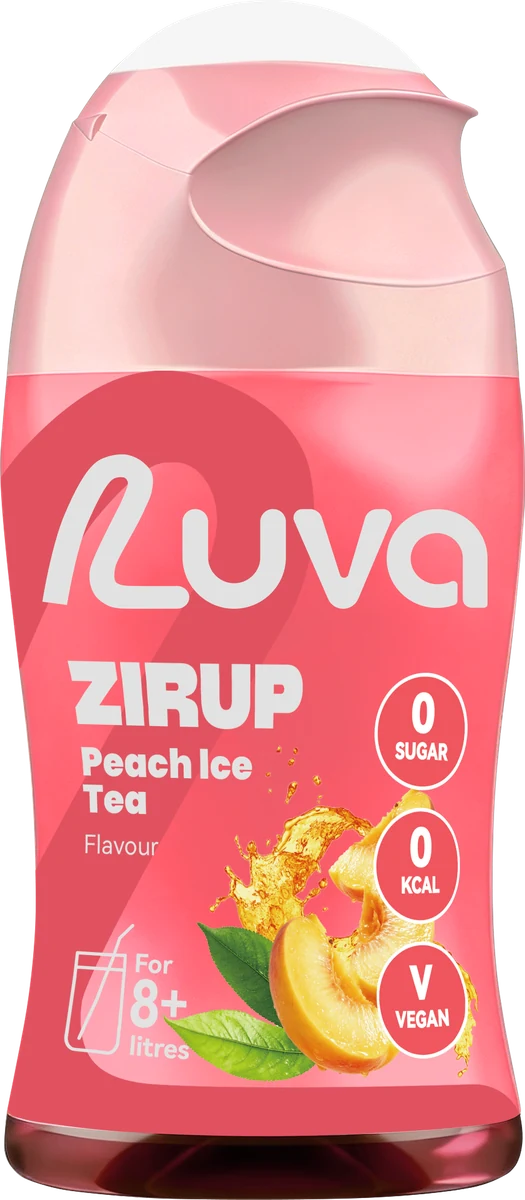
ZERUP Peach Iced Tea
Sugar-free syrup for water · 65 ml makes about 16 glasses · halal · AED 19
5. Freeze fruit as ice cubes
Why it works: Frozen berries, melon cubes or citrus slices act as edible ice cubes. As they melt, they release a hint of natural fruit flavour and colour into the water, and you get a small snack at the end.
Try this: Drop a handful of frozen raspberries, blueberries or mango chunks into your glass. Watermelon cubes and frozen orange slices also work well. The fruit stays cold and adds visual appeal.
6. Cold-brew herbal or green tea
Why it works: Steeping tea bags in cold water overnight extracts flavour and antioxidants without bitterness. Herbal teas (mint, hibiscus, chamomile) and green tea add taste and aroma with zero sugar and almost no calories.
Try this: Put two or three tea bags in a litre of cold water in the fridge before bed. By morning you have a lightly flavoured, ready-to-drink tea. Remove the bags after 8–12 hours to avoid any bitterness.
7. Use a nicer bottle, glass or straw
Why it works: Sensory psychology matters. Drinking from a bottle you like, a pretty glass or a reusable straw can make the act of drinking more enjoyable and help you sip more often. It sounds simple, but it works.
Try this: Invest in an insulated water bottle that keeps drinks cold for hours, or use a large glass tumbler with a lid and straw. Some people find that a straw makes drinking feel effortless. Choose what feels good to you.
8. Filter your water if it tastes of chlorine or metal
Why it works: Tap water in Dubai and Abu Dhabi is safe but can taste of chlorine, especially in summer, or carry a metallic note from pipes. A simple filter removes these off-flavours and makes water taste cleaner and more neutral.
Try this: Use a jug filter or fit an under-sink or tap-mounted filter. Change cartridges as recommended. For more on why tap water can taste unpleasant, read our guide why does water taste bad.

9. Make flavoured ice cubes with ZERUP
Why it works: Freeze diluted sugar-free syrup into ice cubes. As they melt in plain water, they release flavour gradually, so your drink gets more interesting as you go. It's a fun way to control intensity and try different flavours.
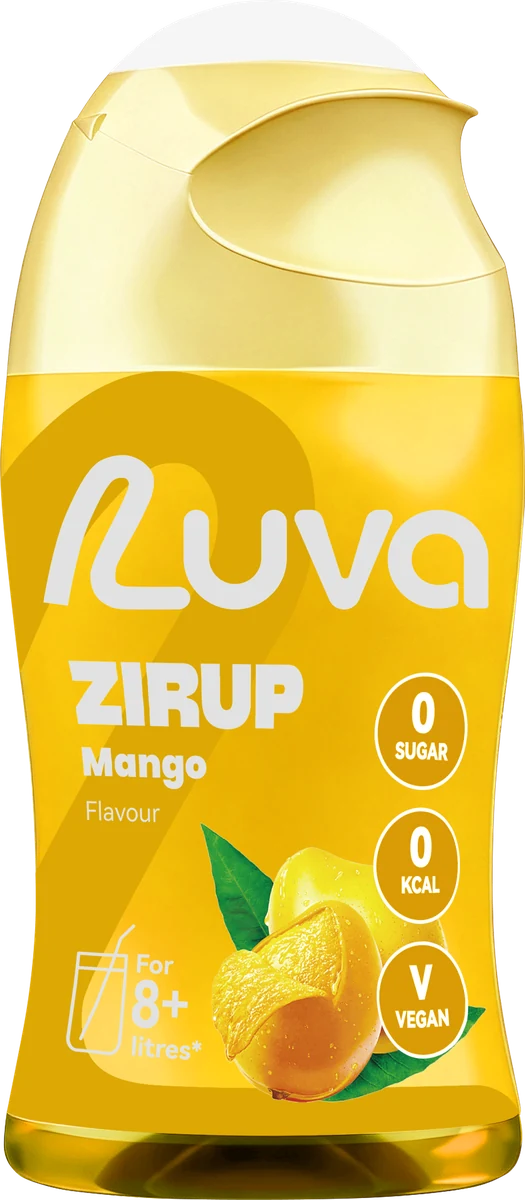
Try this: Mix about 10 ml of ZERUP (any flavour—Peach Iced Tea, Mango, Blue Raspberry) into 500 ml of water, pour into an ice-cube tray and freeze. Drop two or three cubes into a glass of plain or sparkling water. Each cube adds a gentle burst of flavour with almost no calories (approx. 2–3 kcal per 100 ml prepared drink).
10. Add a squeeze of sugar-free syrup
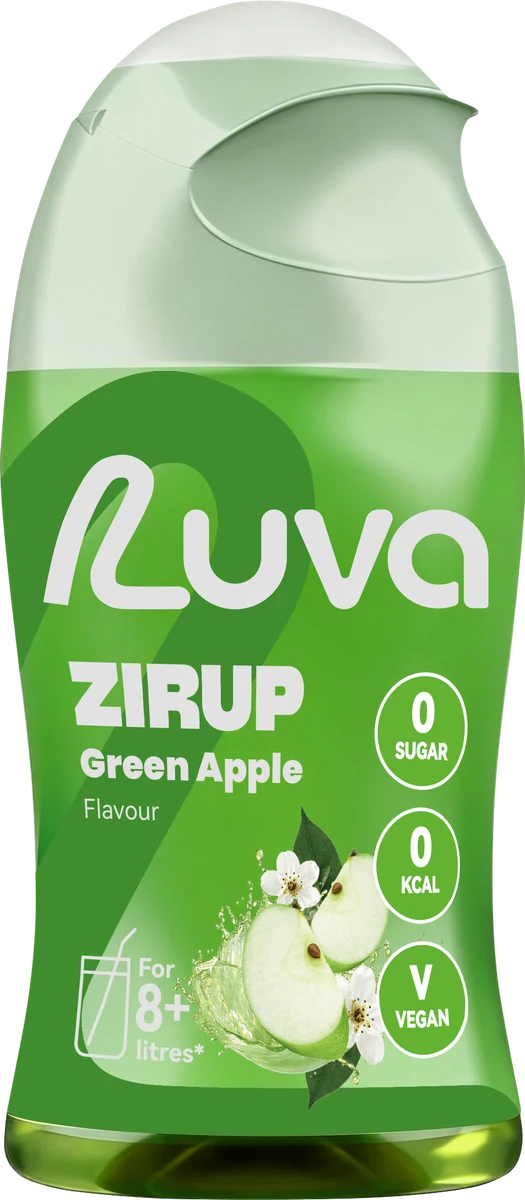
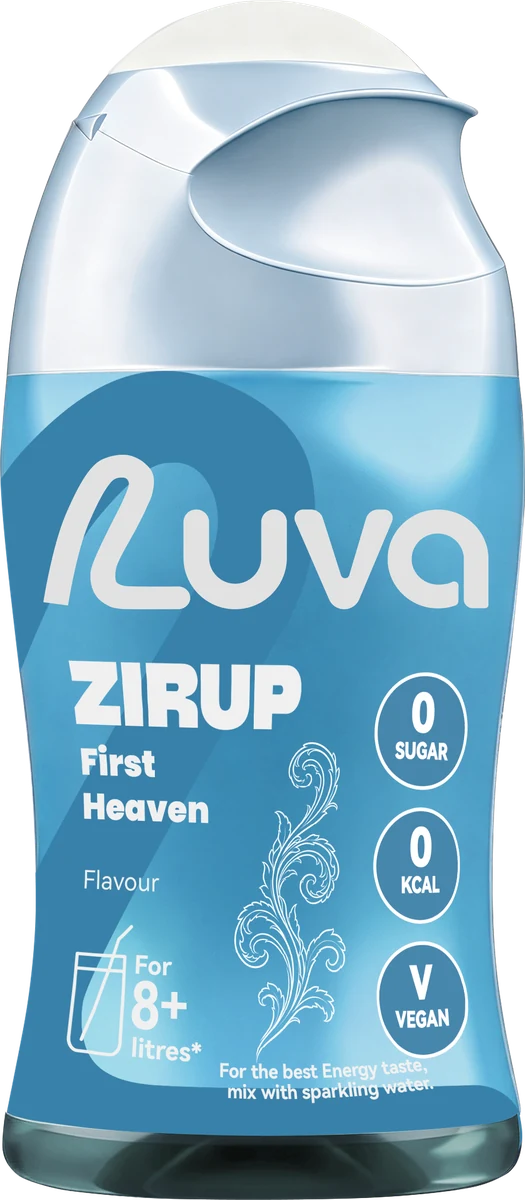
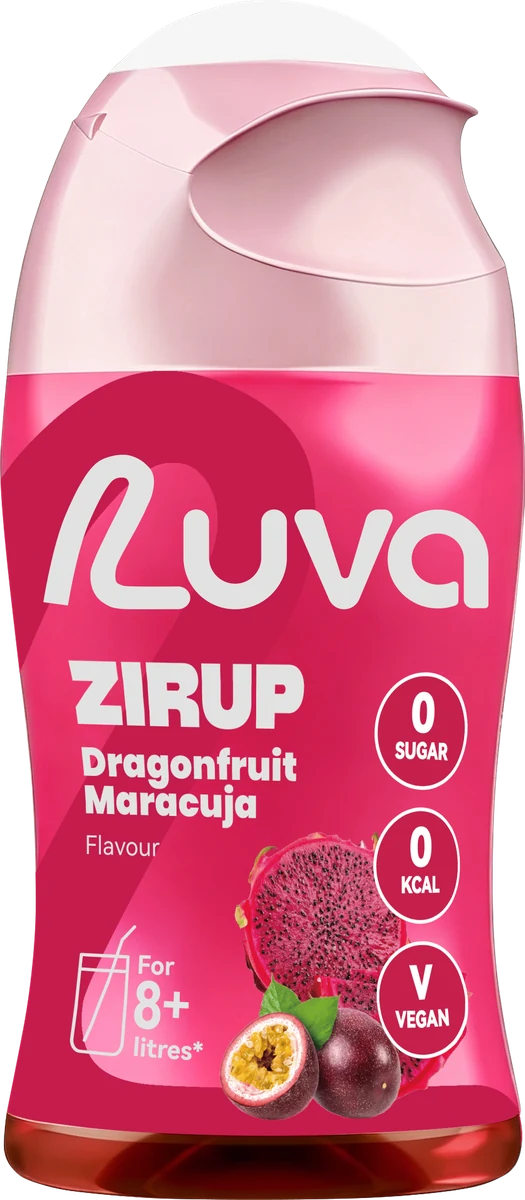
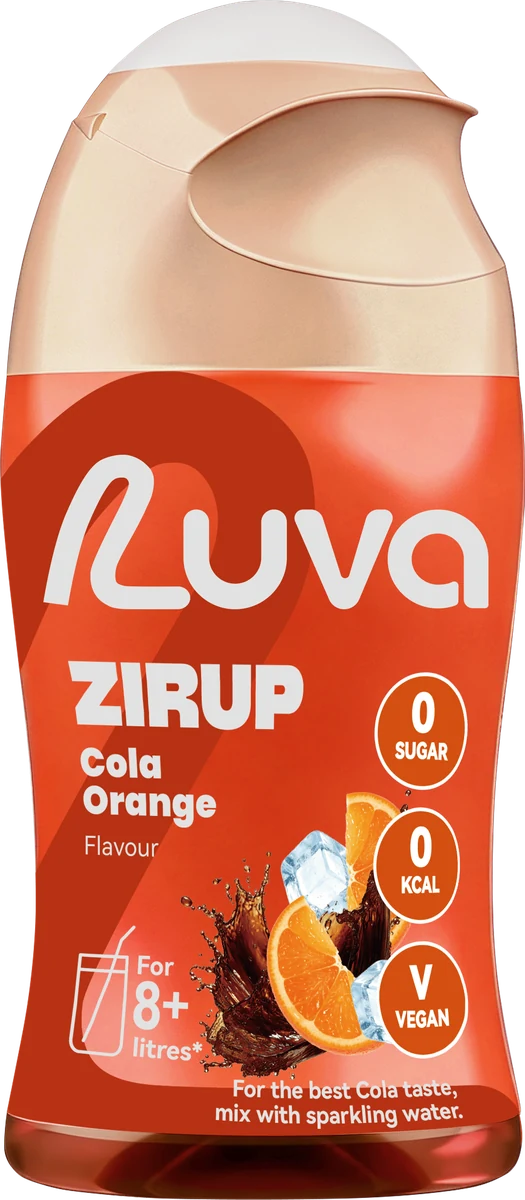
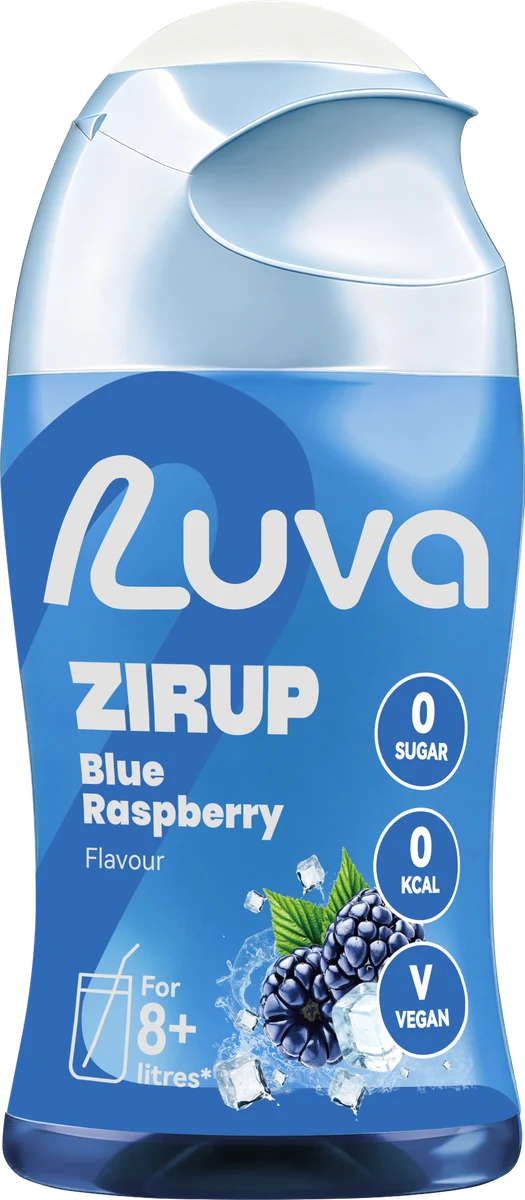
Why it works: A small amount of sugar-free drink syrup like ZERUP gives you bold, consistent flavour with 0 g sugar and almost no calories (approx. 2–3 kcal per 100 ml prepared drink). One 65 ml bottle makes 8+ litres, so it's practical and affordable—about AED 2.40 per litre, or AED 2.04 per litre with the 3-for-49 bundle.
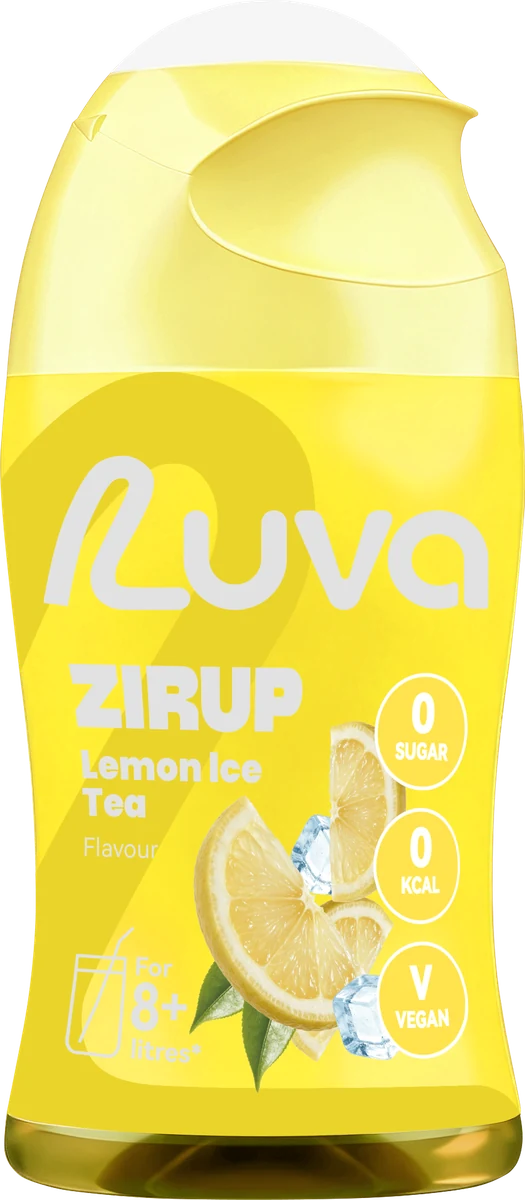
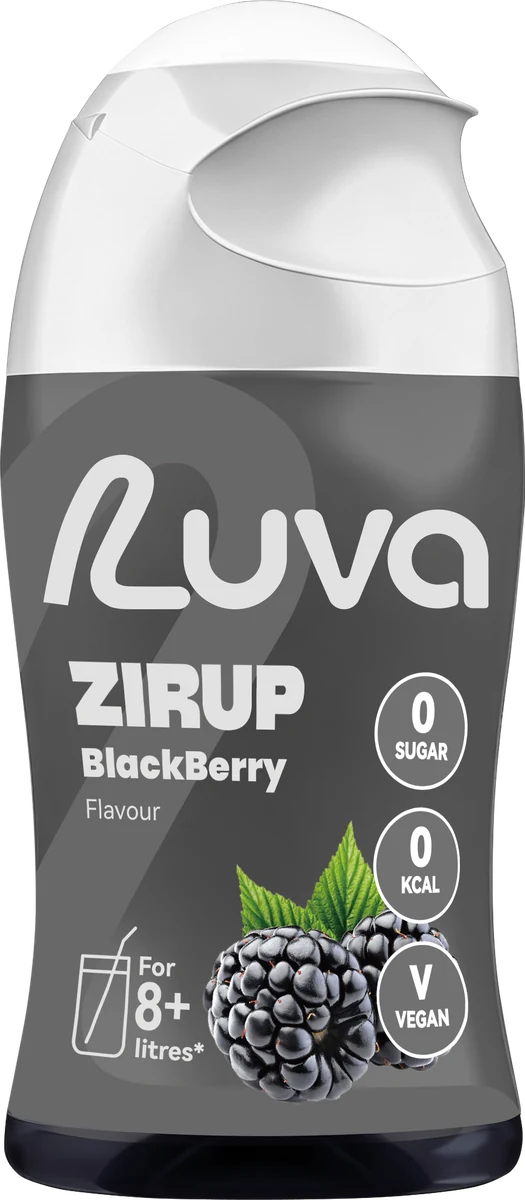
Try this: Squeeze about 4 ml (a short squeeze, less than a teaspoon) of ZERUP into 500 ml of cold still or sparkling water. Stir or shake gently. Ten flavours to choose from—try Lemon Iced Tea, Dragonfruit Passionfruit or Blackberry. Mix two flavours (about 2 ml each) for a custom taste. All ZERUP flavours are halal certified, vegan and caffeine-free.

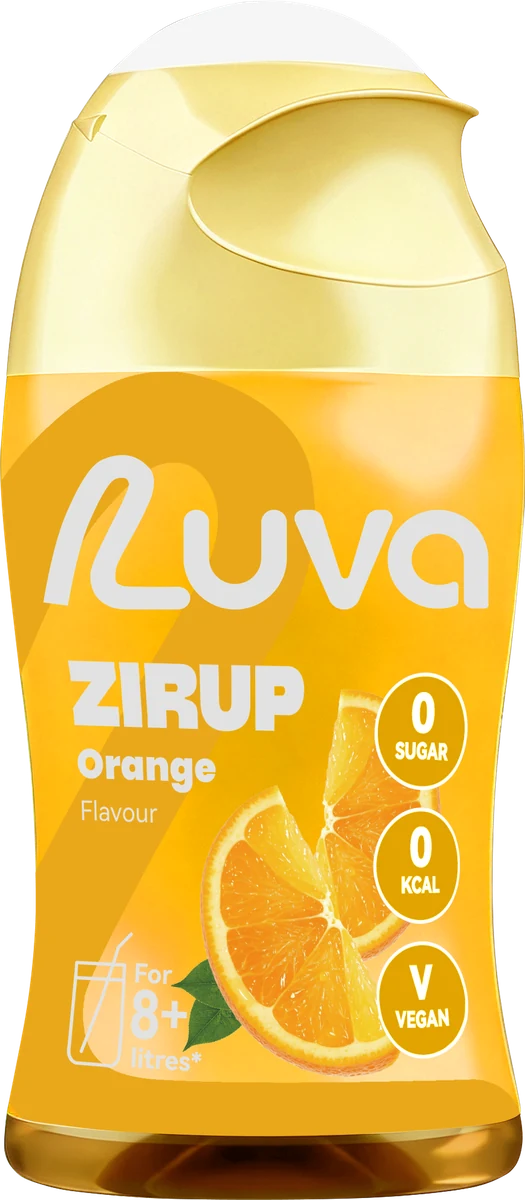
ZERUP by LUVA: 10 sugar-free flavours
Syrup for cold still or sparkling water · 65 ml makes 8+ litres · AED 19, any 3 for AED 49
11. Rotate flavours to avoid sensory boredom
Why it works: Psychologists call it sensory-specific satiety: we get tired of the same taste if we have it too often. Switching flavours—lemon one day, mint the next, sparkling the day after—keeps your brain interested.
Try this: Keep three or four options on rotation. Monday: cold-brew mint tea. Tuesday: sparkling water with lime. Wednesday: still water with a squeeze of Mango ZERUP. Thursday: cucumber and mint infusion. Variety makes hydration easier.
12. Tie drinking to daily routines
Why it works: Habit stacking—linking water to an existing routine—removes the need for willpower. If drinking happens automatically at certain times, you're less likely to notice or mind the taste.
Try this: Drink a full glass when you wake up, another mid-morning with your coffee break, one before lunch, one mid-afternoon, one before dinner. Set phone reminders or use a water-tracking app. For more habit tips, see our guide how to drink more water.
How to make water taste better: method comparison
| Method | Sugar | Effort | Flavour strength |
|---|---|---|---|
| Ice-cold with ice | 0 g | Low | Neutral |
| Sparkling water | 0 g | Low (with maker) | Neutral + texture |
| Citrus slices | 0 g | Low | Light |
| Cucumber & mint | 0 g | Low | Light |
| Frozen fruit cubes | 0 g | Low | Light |
| Cold-brew tea | 0 g | Medium (overnight) | Light to medium |
| Filtered water | 0 g | Low (after setup) | Neutral (cleaner) |
| Flavoured ice cubes (ZERUP) | 0 g | Medium (freeze ahead) | Medium |
| Sugar-free syrup (ZERUP) | 0 g | Very low | Medium to strong |
| Rotate flavours | 0 g | Low | Varies |
| Routine/habit | 0 g | Low | N/A |
Note: Fruit juice, cordials and regular squash can add 4–6 teaspoons of sugar per glass. For the numbers, see our guide sugar in drinks (teaspoons).
Does flavoured water still count as water?
Yes. Water infused with fruit, herbs, tea, bubbles or a sugar-free syrup still counts towards your daily fluid intake. The base is water, and the additions don't change that. Even if you add a squeeze of lemon or a few millilitres of ZERUP, you're drinking water with flavour, not a different beverage.
The only exception: if you add so much fruit juice or sugary squash that the drink becomes a significant source of calories or sugar, it's better counted as a soft drink. But all the methods above keep water as water. For more detail, read does flavoured water count as water?
Are sweeteners in water safe?
Yes, when used as intended. ZERUP is sweetened with acesulfame K and sucralose, both approved by food-safety authorities worldwide (EFSA in Europe, FDA in the US, UAE authorities). At the tiny amounts in a glass of flavoured water (about 4 ml syrup in 500 ml), intake is well below safety limits.
If you prefer to avoid sweeteners altogether, stick to the natural methods: citrus, herbs, cold-brew tea, sparkling water and ice. For a detailed look at sweetener safety and the WHO guideline, see our guides are sweeteners safe? and WHO sweetener guideline explained.
What if I really don't like water at all?
Some people find plain water genuinely unpleasant, not just boring. If that's you, focus on the methods that add the most flavour—sugar-free syrup, cold-brew tea, sparkling water with citrus—and consider whether your tap water tastes off (filtering can help). You can also get fluids from herbal teas, sugar-free iced tea and water-rich foods (cucumber, watermelon, soups).
For a full discussion and alternatives, read our guide I don't like water: what to drink instead.
The bottom line
Water doesn't have to taste boring. Small changes—temperature, bubbles, natural infusions or a squeeze of sugar-free syrup—can make hydration enjoyable without adding sugar or calories. Try a few of the twelve methods above, rotate them to keep things interesting, and find what works for your taste and routine. Flavoured water still counts as water, so you stay hydrated and happy in Dubai's heat.
Frequently asked questions
Why does water taste boring?
Plain water has almost no flavour, so it offers little sensory reward compared to sweet or flavoured drinks. Room-temperature still water can also taste flat or carry hints of chlorine or minerals, making it feel like a chore to drink. Cold water, bubbles and added aromas (citrus, mint, sugar-free syrup) change the sensory experience and make water far more appealing.
What can I add to water to make it taste better without sugar?
Add citrus slices (lemon, lime, orange), cucumber and mint, frozen berries, cold-brew herbal or green tea, or a small amount of sugar-free drink syrup like ZERUP. All of these options add flavour with 0 g sugar and almost no calories (approx. 2–3 kcal per 100 ml prepared drink for ZERUP), and the water still counts towards your daily fluid intake.
Is flavoured water as good as plain water for hydration?
Yes. Water infused with fruit, herbs, tea, carbonation or sugar-free syrup is still water and counts fully towards your hydration. The additions don't change the fact that the base is H₂O, so you get the same fluid benefit as plain water.
Are sweeteners like acesulfame K and sucralose OK to use in water every day?
Yes, when used as intended. Both sweeteners are approved by food-safety authorities worldwide (EFSA, FDA, UAE) and are safe at the tiny amounts found in a glass of flavoured water (about 4 ml of ZERUP in 500 ml). If you prefer to avoid sweeteners, stick to natural methods like citrus, mint or cold-brew tea.
Does lemon water count as water?
Yes. Adding a slice or squeeze of lemon to water does not change the fact that you're drinking water. The lemon adds flavour and a small amount of vitamin C, but the fluid content is the same. Lemon water counts fully towards your daily hydration goal.
How do I drink more water if I hate the taste of plain water?
Focus on the methods that add the most flavour: use sparkling water, add a squeeze of sugar-free syrup (ZERUP), cold-brew herbal tea overnight, or infuse water with citrus and mint. Serve it ice-cold and use a bottle or glass you enjoy drinking from. Rotating flavours and tying drinking to daily routines (wake up, mid-morning, lunch, etc.) also helps you drink more without thinking about the taste.
Can I use fruit juice to flavour water instead of syrup?
You can, but be aware that fruit juice adds sugar and calories—often as much as a soft drink. A 50 ml splash of orange juice in 500 ml of water adds about two teaspoons of sugar. If you want flavour without sugar, citrus slices, herbs or a sugar-free syrup like ZERUP are better choices.
What is the easiest way to make water taste better?
The easiest method is to make it ice-cold (fill your glass with ice) or switch to sparkling water. Both require almost no effort and make a big difference to how water feels and tastes. If you want more flavour, a quick squeeze of sugar-free syrup (about 4 ml in 500 ml) takes seconds and gives you consistent, bold taste with 0 g sugar.
Make water taste good with ZERUP
Make water taste good with ZERUP
Sugar-free · Halal · AED 19, any 3 for AED 49 · Delivered within 12 hours across the UAE, free over AED 200
Keep reading
- I don’t like water: what to drink instead
- Flavoured water without sugar
- How to drink more water
- Does flavoured water count as water?
- Sparkling water flavour ideas
Sources
- European Food Safety Authority (EFSA). Sweeteners: safety assessments and re-evaluations, including acesulfame K and sucralose www.efsa.europa.eu
- Rolls, B. J. (1986). Sensory-specific satiety. Nutrition Reviews, 44(3), 93–101 pubmed.ncbi.nlm.nih.gov
- NHS. Water, drinks and your health www.nhs.uk
- World Health Organization (2023). Use of non-sugar sweeteners: WHO guideline. WHO www.who.int
This article is general information and does not replace advice from a doctor, dietitian or other qualified professional. Last reviewed: October 2026.