




Quick answer: If you don't like water, you can stay hydrated with flavoured water (no added sugar), sparkling water, unsweetened tea or coffee in moderation, milk or plain laban, and water-rich foods like cucumber and watermelon. Most drinks count toward your daily fluid intake, but limit sugary soft drinks, juices and energy drinks because they add calories and can spike blood sugar. The key is finding drinks you'll actually consume throughout the day.
You're not alone—many people in Dubai and across the UAE find plain water boring, tasteless or even unpleasant. The good news is that you don't have to force down eight glasses of plain tap water to stay hydrated. Research shows that a wide range of drinks and even some foods contribute to your daily fluid needs, and choosing options you enjoy makes it far easier to meet your hydration goals in the Gulf heat.
Why some people don't like water
Disliking water is more common than you might think. Tap water in Dubai and Abu Dhabi comes from desalinated seawater and often tastes slightly different from spring water—some people describe a faint mineral or chlorine note. Others find plain water too bland, especially if they grew up drinking flavoured drinks. Temperature matters too: room-temperature water can feel unappealing when you're used to cold, fizzy sodas.
Sensory preferences play a role. If you're sensitive to taste or texture, the "flatness" of still water might genuinely bother you. Habit is another factor: if you've relied on sweetened drinks for years, plain water can seem dull by comparison. None of this means you're fussy—it just means you need a hydration strategy that works for your palate.

What counts as hydration (and what doesn't)
Almost every drink you consume contributes to your total fluid intake. The European Food Safety Authority (EFSA) sets adequate total water intake at about 2.0 litres per day for women and 2.5 litres for men in temperate climates, including fluids from food. In the UAE's heat and humidity, you'll need more—often an extra litre or two depending on activity and air conditioning exposure.
Here's a quick breakdown of common drinks and how they fit into a hydration plan:
| Drink | Counts as fluid? | Sugar | Notes |
|---|---|---|---|
| Plain water | Yes | 0 g | Gold standard; no calories |
| Sparkling water | Yes | 0 g | Just as hydrating as still |
| Flavoured water (ZERUP) | Yes | 0 g | Almost no calories, wide choice of flavours |
| Herbal tea (unsweetened) | Yes | 0 g | Caffeine-free; counts fully |
| Black or green tea | Yes | 0 g | Moderate caffeine; still hydrating |
| Coffee | Yes | 0 g | Moderate amounts don't dehydrate |
| Milk or plain laban | Yes | Natural lactose | Protein and electrolytes; very hydrating |
| Coconut water | Yes | Natural sugars | Electrolytes; check for added sugar |
| Fruit juice (100%) | Yes | High (natural) | Vitamins but high in sugar; limit to small servings |
| Soft drinks (soda) | Yes | Very high (or artificial sweeteners) | Hydrates but adds empty calories or sweeteners |
| Energy drinks | Yes | Very high (or artificial sweeteners) | Caffeine and sugar; not ideal for daily hydration |
| Sports drinks | Yes | Moderate to high | Useful for intense exercise; otherwise unnecessary sugar |
The Beverage Hydration Index study by Maughan and colleagues (2016, published in the American Journal of Clinical Nutrition) compared how well different drinks were retained in the body over four hours. Milk and oral rehydration solutions were retained at least as well as water, while tea and coffee in normal amounts performed similarly to water. Even drinks with moderate caffeine didn't cause significant fluid loss in habitual consumers.
Best drinks if you hate water
If plain water leaves you cold, these options will keep you hydrated without the sugar crash or calorie overload.
Flavoured water with zero-sugar syrup
Adding a sugar-free syrup like ZERUP transforms plain or sparkling water into a drink you'll actually look forward to. A short squeeze (about 4 ml) in 500 ml of cold water gives you a full-flavoured drink with almost no calories—about 2–3 kcal per 100 ml prepared. One 65 ml bottle makes over eight litres, so it's also far cheaper than buying bottled flavoured water or soft drinks.
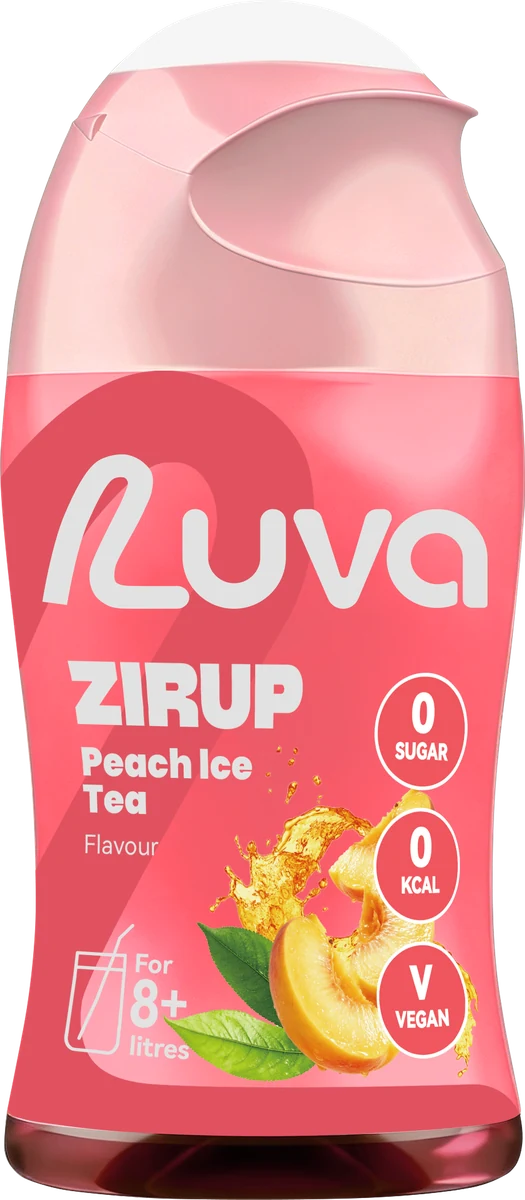
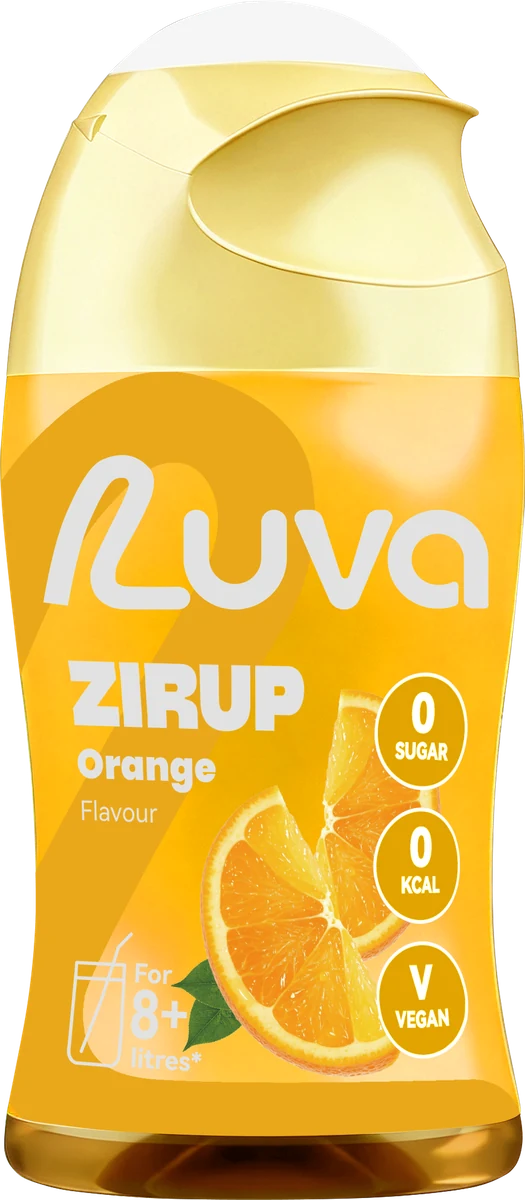
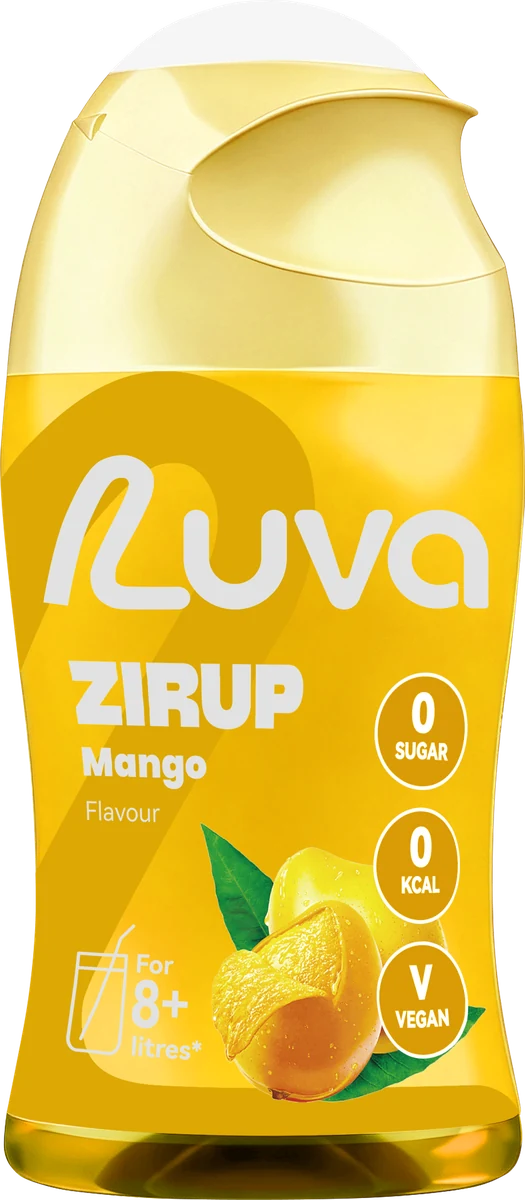
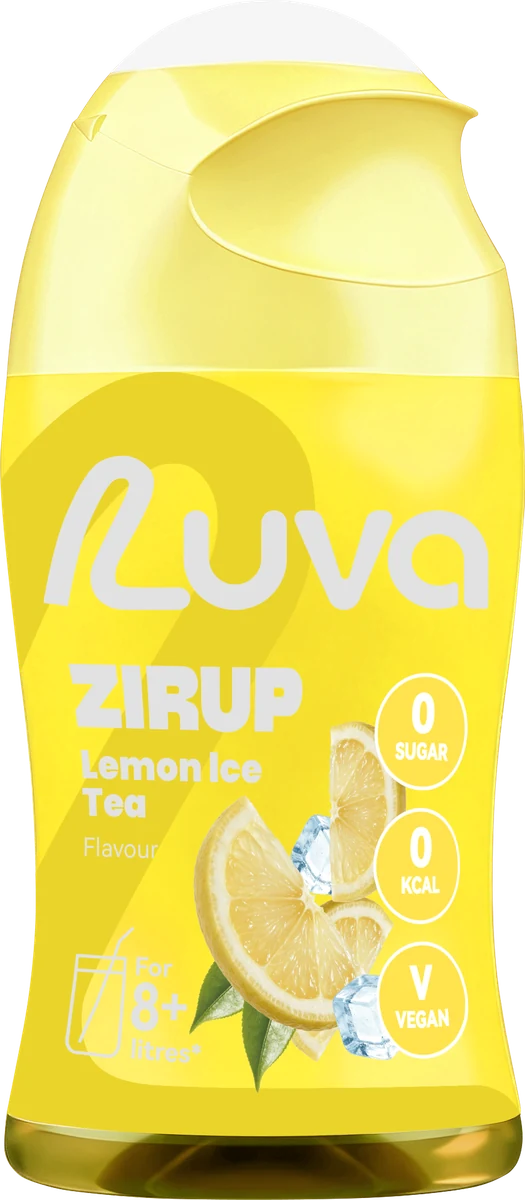
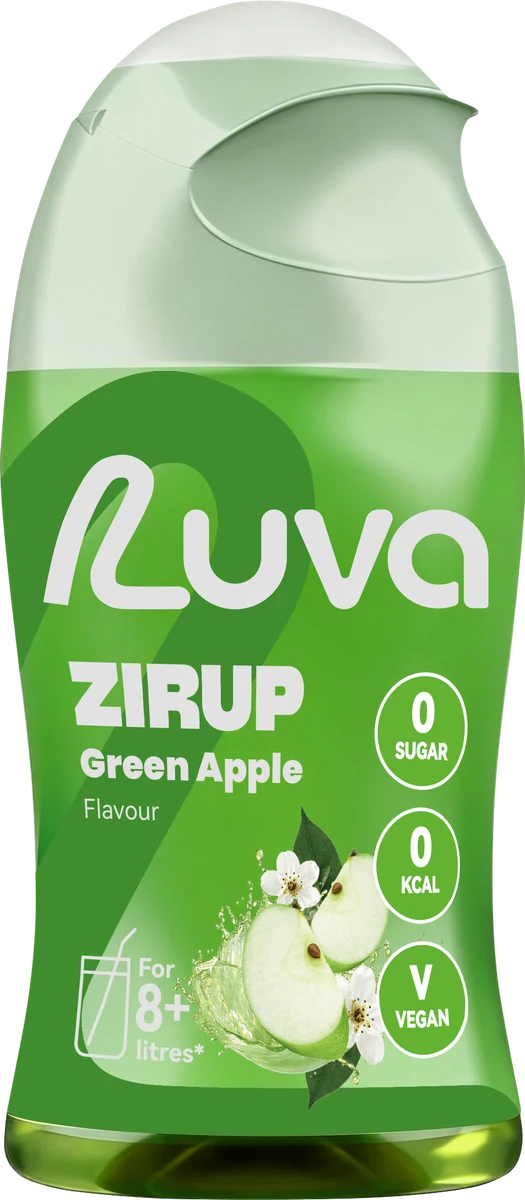
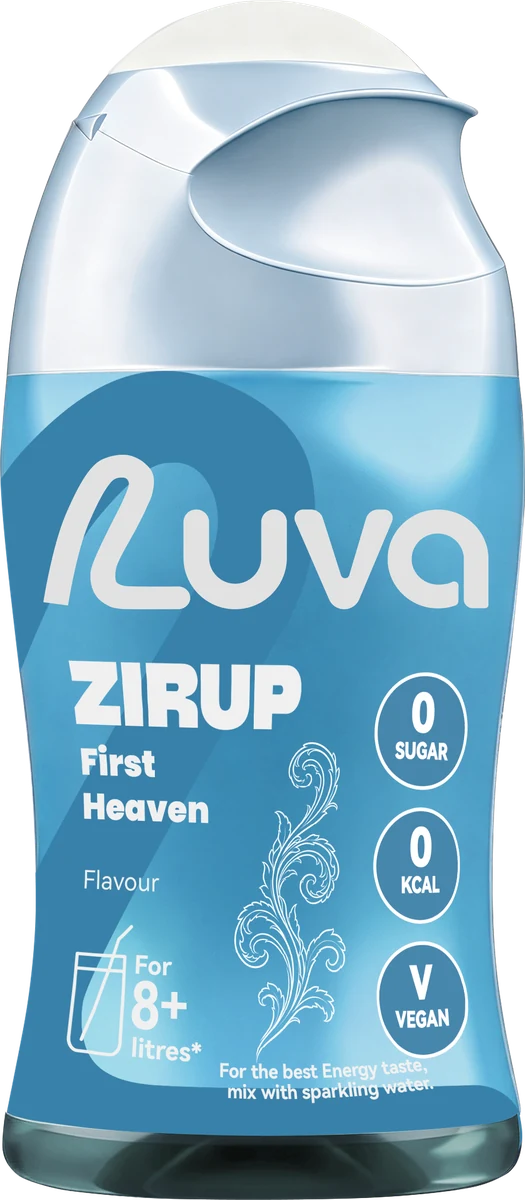
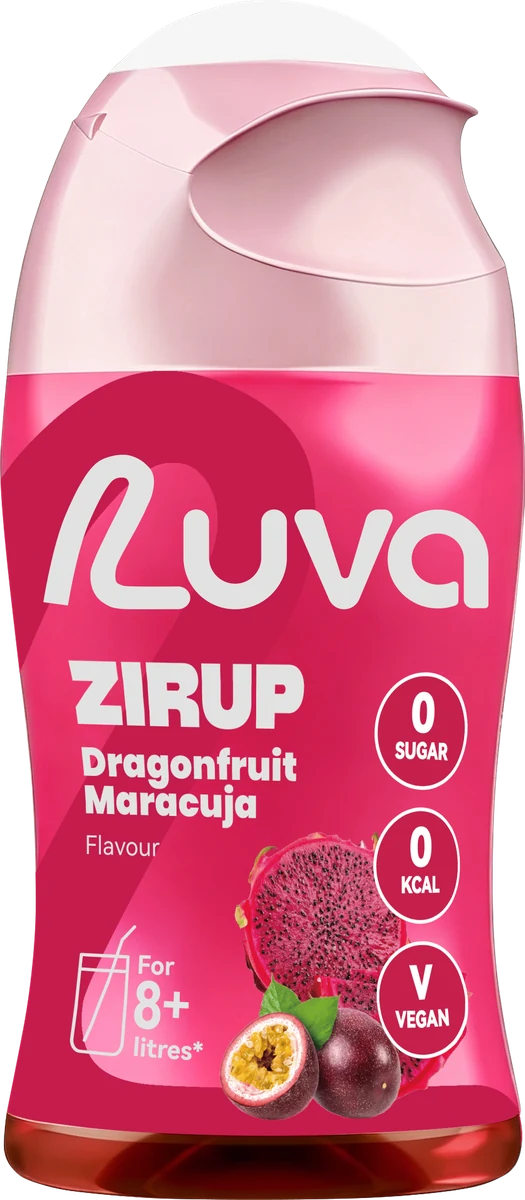
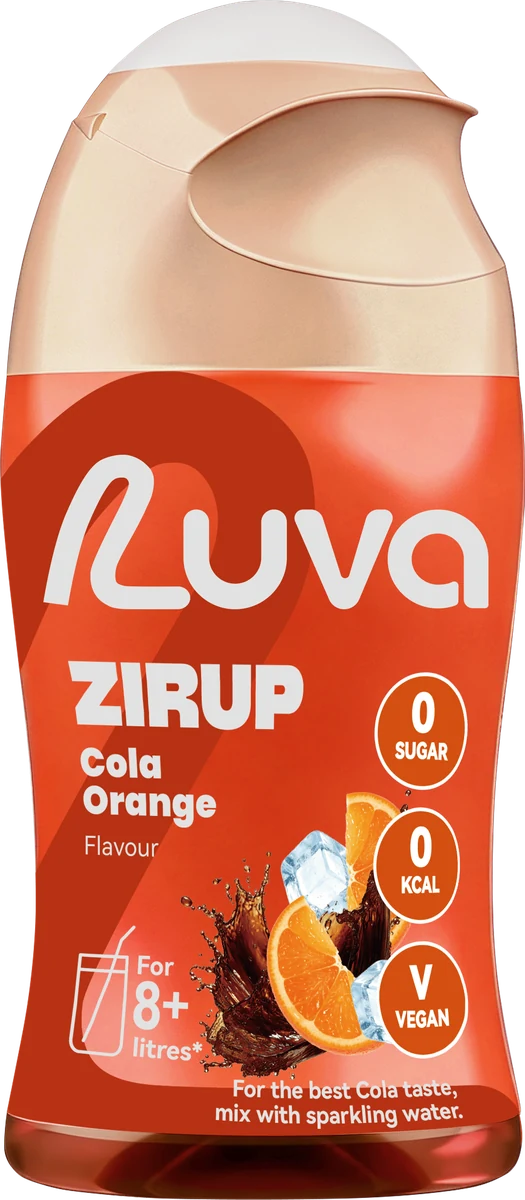
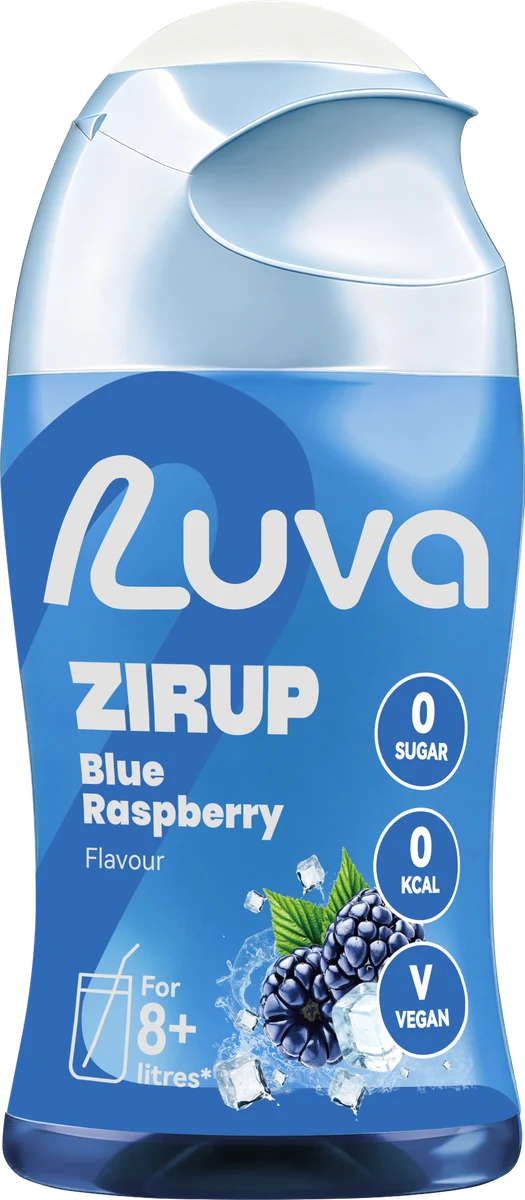
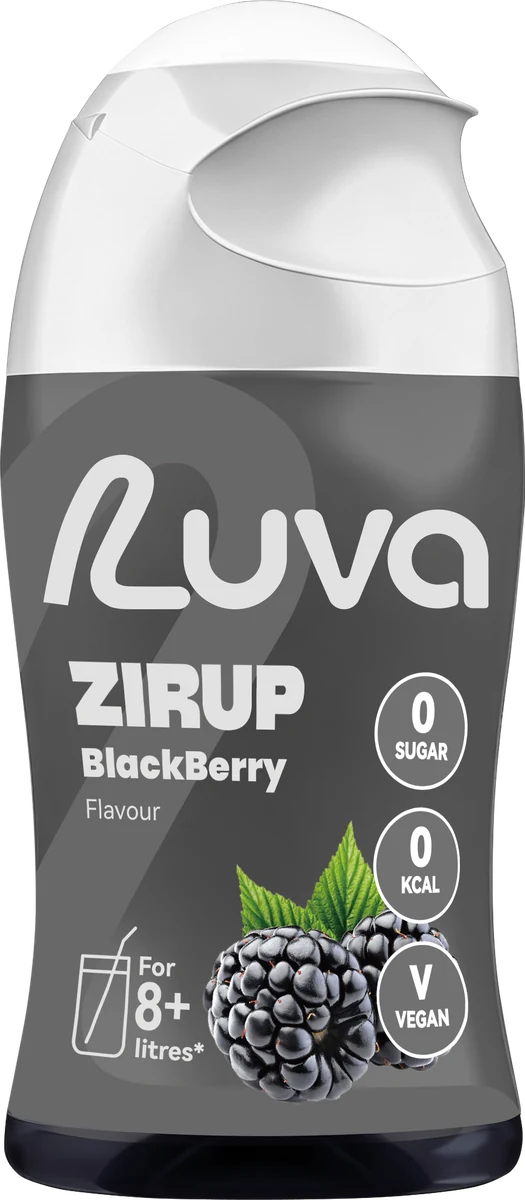
ZERUP comes in ten flavours, from Peach Iced Tea and Lemon Iced Tea to Mango, Blue Raspberry and Dragonfruit Passionfruit. All are halal certified, vegan, caffeine-free and sweetened with acesulfame K and sucralose (no aspartame). You can mix two flavours for variety or add syrup to sparkling water for a homemade soda. For more ideas, see our flavoured water without sugar guide.

Sparkling water
If you miss the fizz of soft drinks, sparkling water is a perfect swap. It hydrates just as well as still water and the carbonation can make it feel more satisfying. You can drink it plain or flavour it with a squeeze of ZERUP. If you have a home sparkling-water maker, carbonate the water first, then add syrup—never carbonate a drink that already contains syrup or juice.
Unsweetened tea (hot or iced)
Black tea, green tea and herbal teas all count toward your fluid intake. Despite the caffeine in black and green tea, research shows they don't dehydrate you when consumed in normal amounts (up to about four cups a day). Herbal teas like peppermint, chamomile or hibiscus are caffeine-free and can be enjoyed hot or iced. Brew a jug in the morning, chill it in the fridge and sip throughout the day. Avoid adding sugar; if you want sweetness, a small amount of ZERUP works in cold tea.
Coffee (in moderation)
Coffee counts as fluid, too. The mild diuretic effect of caffeine is offset by the water content of the drink itself, especially if you're a regular coffee drinker. Stick to moderate amounts—up to about 400 mg of caffeine per day (roughly four espresso-based drinks)—and avoid loading your coffee with sugar or flavoured syrups that add empty calories. Black coffee, Americano or a flat white with milk are all hydrating choices.
Milk and laban
Milk is one of the most hydrating drinks you can choose. It contains protein, calcium, electrolytes and a mix of carbohydrates and fats that slow gastric emptying, meaning the fluid stays in your system longer. Plain laban (unsweetened drinking yoghurt) offers similar benefits with a tangy taste. Both are excellent after exercise or in the morning. Choose full-fat, low-fat or skimmed versions depending on your dietary goals, but avoid sweetened or flavoured varieties with added sugar.

Water-rich foods that help you hydrate
You don't have to drink all your fluids. About 20% of your daily water intake typically comes from food, and in the UAE's heat you can boost that by choosing water-rich options. Watermelon, cucumber, lettuce, celery, strawberries, oranges and tomatoes are all more than 85% water by weight. Soups, broths and yoghurt also contribute. A large bowl of vegetable soup or a fruit salad can add half a litre or more to your daily total, making it easier to stay hydrated if you struggle with drinks alone.
Drinks to limit (but they still count)
Some drinks hydrate you but come with downsides that make them poor choices for everyday hydration.
Fruit juice is high in natural sugar—a 250 ml glass of orange juice contains about 20–25 g of sugar, roughly the same as a soft drink. It offers vitamins, but without the fibre of whole fruit. Limit juice to a small glass (100–150 ml) occasionally, and count it as part of your fruit intake rather than a hydration staple.
Soft drinks and sodas do provide fluid, but regular versions are loaded with sugar (often 35–40 g per 330 ml can) and offer no nutritional value. Diet versions use artificial sweeteners, which some people prefer to avoid. If you crave fizz and flavour, sparkling water with ZERUP is a far better swap—you get the same satisfaction with almost no calories and no sugar. For more on cutting back, see our guide on how to quit soft drinks.
Energy drinks combine caffeine, sugar (or sweeteners) and other stimulants. They hydrate in the technical sense, but the high caffeine content (often 80–160 mg per can) and sugar load make them unsuitable for regular hydration. Save them for occasional use and never rely on them to meet your daily fluid needs.
Sports drinks contain electrolytes and carbohydrates designed to replace what you lose during intense exercise lasting over an hour. For most people in everyday life, they're unnecessary and just add sugar and calories. Plain water or flavoured water is enough for a gym session or a walk around Dubai Marina. For more on when electrolytes matter, see our electrolytes in the UAE guide.

ZERUP by LUVA: 10 sugar-free flavours
Syrup for cold still or sparkling water · 65 ml makes 8+ litres · AED 19, any 3 for AED 49
A simple hydration plan for water-haters
If you hate water, structure your day around drinks you actually enjoy. Here's a practical plan that works in Dubai, Abu Dhabi and across the Emirates.
Morning: Start with a glass of milk, laban or a cup of tea or coffee. If you prefer something cold, mix a glass of sparkling water with Green Apple or Orange ZERUP. Aim for 300–500 ml before you leave home.
At your desk: Keep a 1-litre bottle of flavoured water within reach. Choose a flavour you love—Blackberry, Peach Iced Tea or First Heaven (energy-drink-style taste, but caffeine-free). Sip throughout the morning and refill at lunch. Office air conditioning dries you out faster than you think, so consistent sipping matters. For more tips, see our office hydration guide.
Gym or outdoor activity: Drink 300–500 ml about an hour before exercise, then sip during and after. Flavoured water is easier to drink in volume than plain, and the taste can remind you to keep sipping. For intense sessions in the heat, see our gym hydration in UAE heat guide.
Evening: Wind down with herbal tea, a glass of milk or another 500 ml of flavoured water. Avoid large amounts of caffeine after mid-afternoon if it affects your sleep. By bedtime, you should have consumed at least 2–3 litres of total fluids (more if you exercised or spent time outdoors).
Track your intake for a few days using a simple tally on your phone or a water-tracking app. Many people are surprised to find they're drinking far less than they thought. For more on daily targets, see our guide on how much water you need in Dubai.
Warning signs you're not drinking enough
Even if you dislike water, your body still needs adequate fluids. Watch for these signs of dehydration:
- Dark yellow urine: Pale straw colour is ideal; dark yellow or amber means you need more fluids.
- Headache or dizziness: Often the first symptoms of mild dehydration.
- Dry mouth and lips: A clear sign you're behind on fluids.
- Fatigue or difficulty concentrating: Dehydration affects mental performance before you feel thirsty.
- Infrequent urination: Fewer than four trips to the toilet in a day suggests low fluid intake.
If you experience severe symptoms—confusion, rapid heartbeat, very dark urine or no urination for many hours—seek medical advice immediately. Chronic low-level dehydration is common in the UAE's climate, but it's entirely preventable with a plan that suits your taste.
The bottom line
You don't need to force down plain water to stay hydrated. Flavoured water without sugar, sparkling water, unsweetened tea or coffee, milk and water-rich foods all count toward your daily fluid intake and can be just as effective as plain water. The key is choosing drinks you enjoy and sipping consistently throughout the day, especially in the UAE's heat. Limit sugary soft drinks, juices and energy drinks to occasional treats, and you'll meet your hydration goals without the calorie overload.
Frequently asked questions
What can I drink if I hate water?
Flavoured water with zero-sugar syrup (like ZERUP), sparkling water, unsweetened tea (hot or iced), black coffee in moderation, milk or plain laban, and water-rich foods like watermelon and cucumber all hydrate you effectively. Choose options you enjoy and you'll find it much easier to drink enough throughout the day.
Does tea count as water intake?
Yes, tea counts fully toward your daily fluid intake. Despite the caffeine in black and green tea, research shows that moderate amounts (up to about four cups a day) hydrate you just as well as plain water. Herbal teas are caffeine-free and also count in full.
Does coffee dehydrate you?
No, coffee in moderate amounts (up to about 400 mg of caffeine per day, roughly four espresso-based drinks) does not dehydrate you. The water content of the drink offsets the mild diuretic effect of caffeine, especially if you're a regular coffee drinker. Coffee counts toward your total fluid intake.
Is sparkling water as hydrating as still water?
Yes, sparkling water hydrates you just as well as still water. The carbonation doesn't reduce the fluid benefit. If you prefer fizz, sparkling water (plain or flavoured with a sugar-free syrup) is an excellent choice for daily hydration.
Is coconut water better than water for hydration?
Coconut water contains natural electrolytes (potassium, sodium, magnesium) and hydrates well, but it's not necessarily "better" than plain water for everyday hydration. It does contain natural sugars (about 5–6 g per 100 ml), so it adds calories. For most people in normal daily life, plain or flavoured water is enough; coconut water can be useful after intense exercise or if you enjoy the taste.
Can I drink only flavoured water instead of plain water?
Yes, if the flavoured water contains no added sugar and almost no calories (like water mixed with ZERUP), you can drink it all day in place of plain water. It hydrates you just as effectively and the variety of flavours makes it easier to meet your daily fluid goals. Just avoid flavoured waters with added sugar, artificial colours or high-calorie sweeteners.
How much should I drink if I don't like water?
Aim for at least 2.0 litres per day for women and 2.5 litres for men (including fluids from food) in temperate climates, and add an extra litre or more in the UAE's heat, especially if you exercise or work outdoors. The exact amount depends on your size, activity level and environment. Track your intake and check your urine colour—pale straw is the goal.
Are sugar-free drinks safe for daily hydration?
Sugar-free drinks sweetened with approved sweeteners like acesulfame K and sucralose (used in ZERUP) are considered safe for daily use by major food safety authorities, including EFSA and the WHO, when consumed within acceptable daily intake limits. For most people, a few glasses of sugar-free flavoured water per day is well within safe limits and a practical way to stay hydrated without added sugar. For more detail, see our guides on sweetener safety and the WHO sweetener guideline.
Find a ZERUP flavour you like
Sugar-free · Halal · AED 19, any 3 for AED 49 · Delivered within 12 hours across the UAE, free over AED 200
Keep reading
- Water tastes boring? 12 fixes
- Does flavoured water count as water?
- How much water in Dubai
- Sugar-free drinks in the UAE
- Electrolytes in the UAE
Sources
- Maughan RJ, Watson P, Cordery PAA, et al. (2016). A randomized trial to assess the potential of different beverages to affect hydration status: development of a beverage hydration index. American Journal of Clinical Nutrition, 103(3), 717–723 pubmed.ncbi.nlm.nih.gov
- European Food Safety Authority (EFSA) (2010). Scientific Opinion on Dietary Reference Values for water. EFSA Panel on Dietetic Products, Nutrition and Allergies (NDA) www.efsa.europa.eu
- NHS. Water, drinks and your health www.nhs.uk
- World Health Organization (WHO). Water requirements, impinging factors, and recommended intakes (chapter in Nutrients in Drinking Water) www.who.int
- Armstrong LE, Johnson EC (2018). Water Intake, Water Balance, and the Elusive Daily Water Requirement. Nutrients, 10(12), 1928 www.ncbi.nlm.nih.gov
This article is general information and does not replace advice from a doctor, dietitian or other qualified professional. Last reviewed: October 2026.