




Quick answer: For most people in the UAE doing normal daily activity in air-conditioned spaces, water (plain or flavoured) plus regular meals provides enough electrolytes. You typically need an electrolyte drink only for exercise lasting over 60–90 minutes, very sweaty outdoor work, heavy sweating, or after vomiting or diarrhoea. Sports drinks, electrolyte tablets, powders and oral rehydration salts are widely available in Dubai and Abu Dhabi; check the label for sodium, sugar and price.
If you live in Dubai or anywhere in the UAE, you have probably heard that you need electrolytes to stay hydrated in the heat. Sports drinks, powders and tablets line the shelves of every supermarket and pharmacy, and many people wonder whether plain water is enough. This guide explains what electrolytes actually do, when you need them and how to choose the right product—or whether you need one at all.
What are electrolytes and why do they matter?
Electrolytes are minerals that carry an electric charge in your blood, sweat and other body fluids. The main ones for hydration are sodium, potassium, chloride, magnesium and calcium. Sodium and potassium are the most important for fluid balance: sodium helps your body hold onto water and maintain blood pressure, while potassium works inside your cells to balance fluid and support muscle and nerve function.
You lose electrolytes—especially sodium—when you sweat. In very hot conditions or during long, intense exercise, those losses can add up. If you drink large amounts of plain water without replacing sodium, your blood sodium level can drop too low, a dangerous condition called hyponatraemia. However, for most everyday activity, the sodium and potassium in your regular meals easily replace what you lose.
Research shows that sweat sodium concentration varies widely between people, from about 200 to over 2,000 mg per litre. Some people are naturally "salty sweaters" who leave white streaks on their clothes and may need more sodium during long sessions.

Do you need electrolytes every day in Dubai?
No, most people do not need an electrolyte drink every day. If you spend most of your time in air-conditioned offices, homes, malls and cars, and you eat regular meals, plain water or flavoured water will keep you hydrated. A typical UAE diet—whether it includes Arabic mezze, South Asian curries, Western sandwiches or mixed cuisines—provides plenty of sodium and potassium from bread, rice, meat, vegetables, dairy and fruit.
You do need to drink more water in the UAE than you would in a cooler climate, because even brief walks between your car and a building can make you sweat. The recommended daily water intake in Dubai is about 3.7 litres for men and 2.7 litres for women (including water from food), but that does not mean you need electrolytes in every glass. Water alone is fine for normal daily hydration.
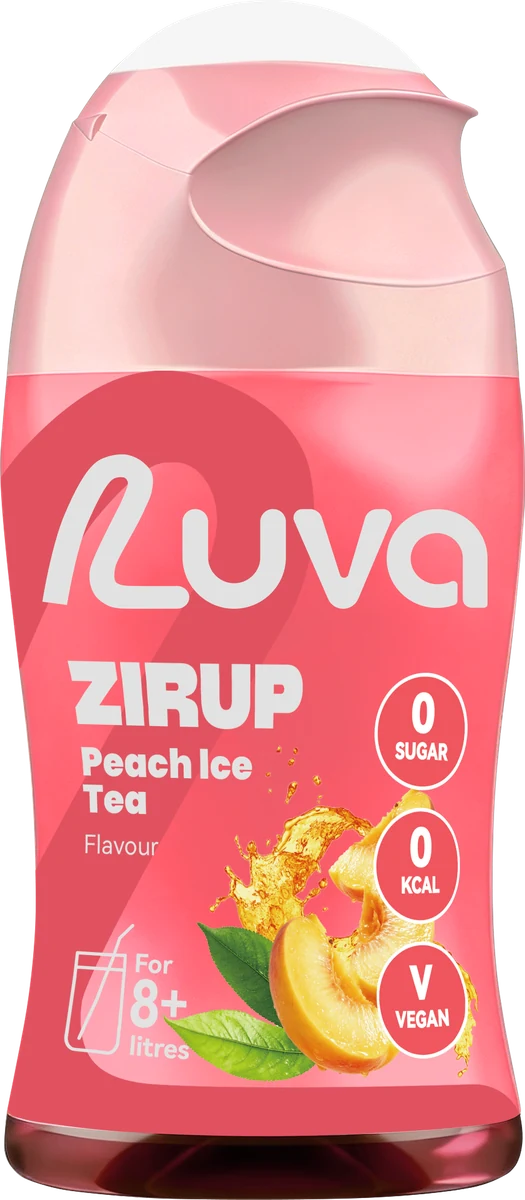
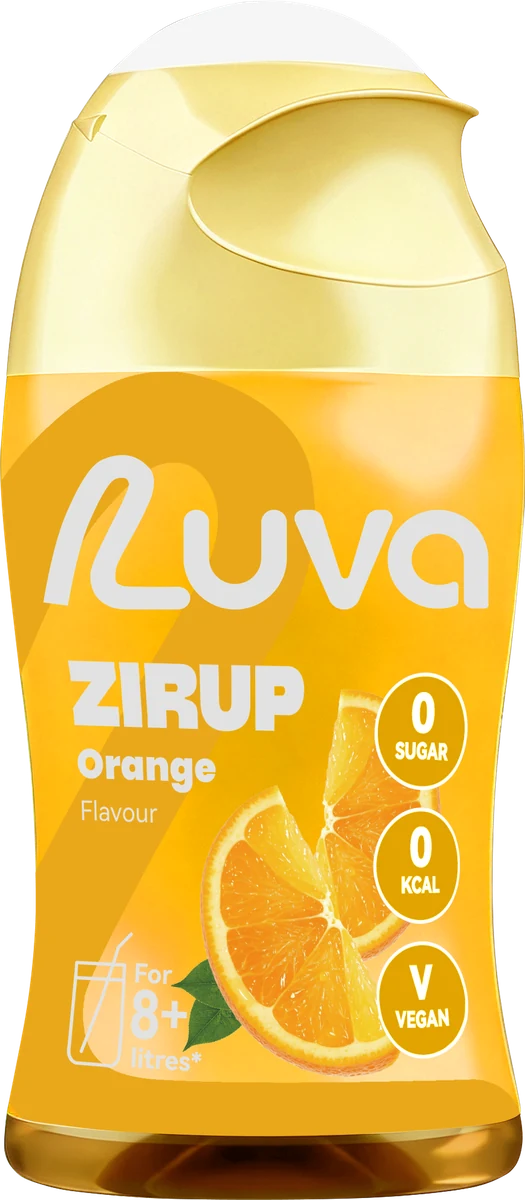
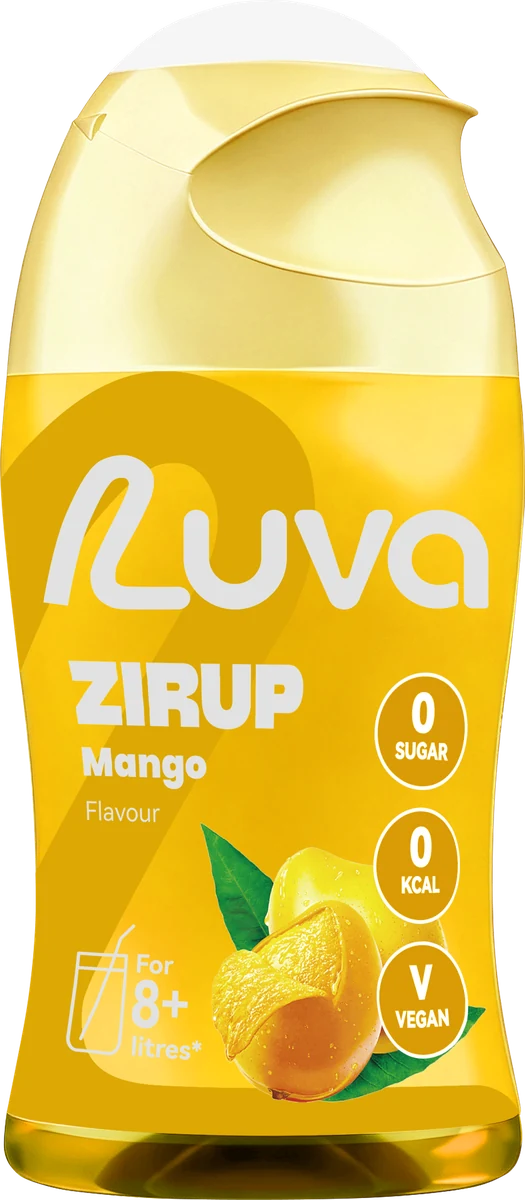
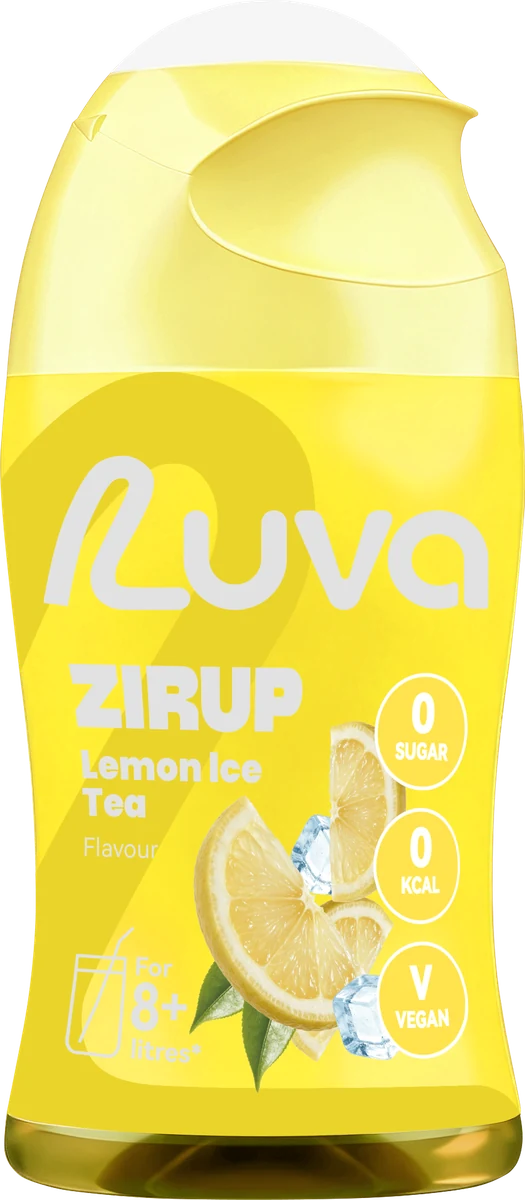
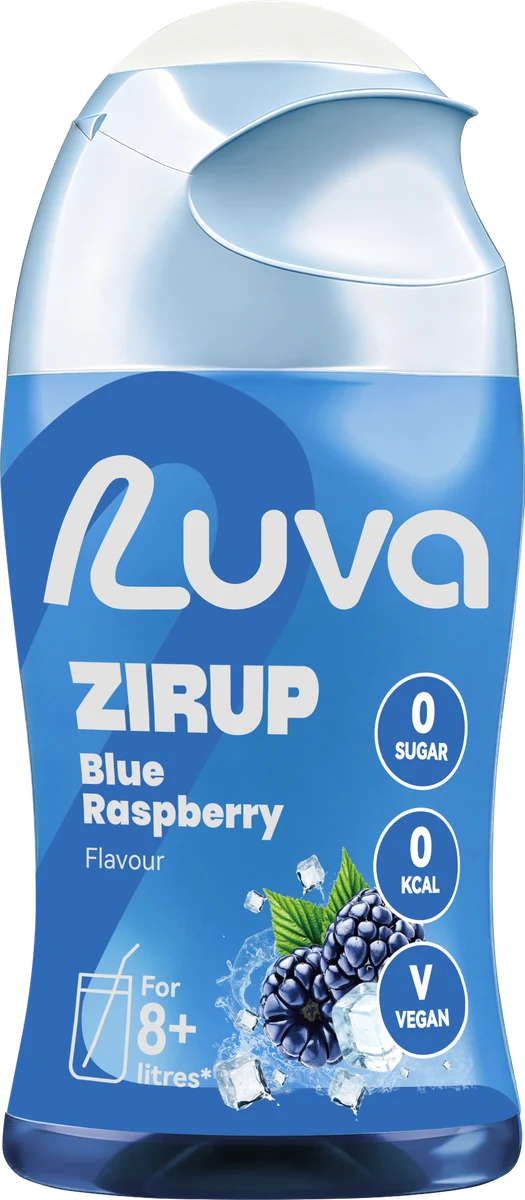
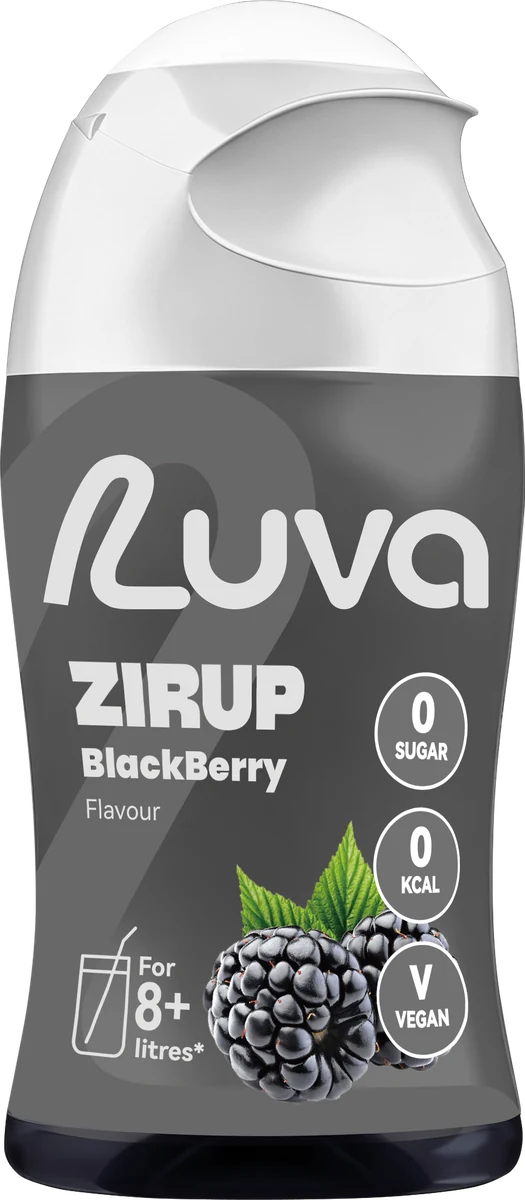
Think of electrolyte drinks as a tool for specific situations, not an everyday requirement. If drinking plain water feels boring, a sugar-free drink syrup like ZERUP can make it more enjoyable without adding sugar or almost no calories, helping you drink enough throughout the day.
When do you actually need electrolytes in the UAE?
Electrolyte drinks make sense in these situations:
- Exercise over 60–90 minutes: If you are running, cycling, playing football or doing any continuous activity for more than an hour, especially outdoors or in a hot gym, an electrolyte drink can help maintain performance and replace sodium lost in sweat. The American College of Sports Medicine recommends beverages containing sodium for sessions longer than about an hour.
- Very sweaty outdoor work: Construction workers, delivery drivers, landscapers and anyone working outdoors in the UAE heat for several hours lose significant sodium and fluid. Sipping an electrolyte drink throughout the shift, along with water and salty snacks or meals, helps prevent heat exhaustion.
- Heavy sweaters: If you soak your shirt in a short workout, notice salt stains on your clothes or cap, or feel dizzy and get headaches after exercise despite drinking water, you may lose more sodium than average. An electrolyte drink during and after exercise can help.
- After vomiting or diarrhoea: Stomach bugs cause rapid fluid and electrolyte loss. Oral rehydration salts (ORS) from a pharmacy are the best choice here; they contain a precise balance of sodium, potassium and glucose to help your gut absorb water quickly. Sports drinks are not a substitute for ORS in illness.
- Very long events: Marathons, triathlons, long hikes or any event lasting several hours require a plan to replace both fluid and sodium. Drinking only plain water during these events can dilute your blood sodium and cause hyponatraemia, which is dangerous.
For a typical 45-minute gym session in an air-conditioned Dubai fitness centre, water is enough. For a two-hour outdoor cycle in July, an electrolyte drink makes sense.

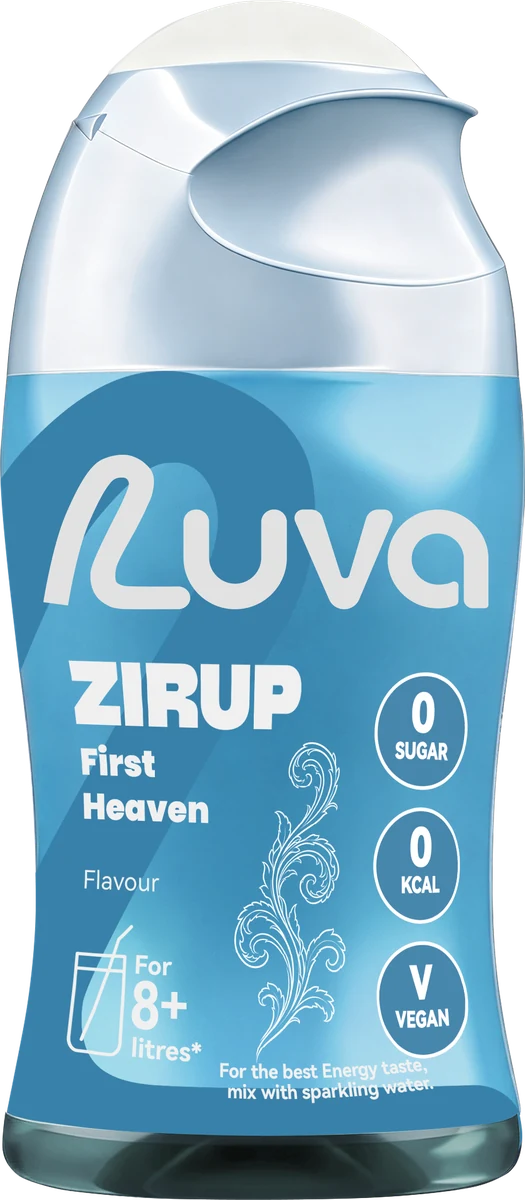
ZERUP First Heaven
Sugar-free syrup for water · 65 ml makes about 16 glasses · halal · AED 19
Electrolytes vs water: what is the difference?
Plain water hydrates you by replacing the fluid you lose through sweat, breathing and urine. It does not contain sodium, potassium or other minerals (tap and bottled water contain tiny amounts, but not enough to matter for hydration). Water is perfect for everyday drinking and short exercise sessions, because your meals provide the electrolytes.
An electrolyte drink contains water plus added sodium (usually 200–500 mg per 500 ml serving), often potassium, and sometimes magnesium and calcium. Many also contain carbohydrates (sugar) to provide energy during exercise—sports drinks typically have about 6% carbohydrate, roughly 30 grams per 500 ml bottle, similar to the sugar in a regular soft drink. The sodium helps your body absorb water faster and hold onto it longer, which is useful during prolonged sweating.
The key difference is sodium. If you are losing a lot of sodium in sweat and drinking only water, you may feel bloated, nauseous or get a headache, and in extreme cases your blood sodium can drop dangerously low. That is when an electrolyte drink helps. For normal daily life, water (plain or flavoured with a sugar-free syrup) does the job.

What to look for on the label: sodium, sugar, caffeine and price
Not all electrolyte drinks are the same. When you are choosing a product in Dubai or anywhere in the UAE, check these four things:
Sodium per serving: This is the most important number. Look for at least 200–300 mg of sodium per 500 ml serving for exercise; some products contain 400–500 mg or more. Products with very low sodium (under 100 mg per serving) will not replace sweat losses effectively. The ingredient list will show sodium chloride (table salt), sodium citrate or another sodium compound.
Sugar content: Many sports drinks contain 25–35 grams of sugar per 500 ml bottle (about 5–6 teaspoons). The sugar provides quick energy during long exercise, but if you are using the drink for everyday hydration or short workouts, that is unnecessary added sugar. Sugar-free electrolyte tablets and powders are widely available in the UAE and contain the same sodium and potassium without the calories. If you want flavour without sugar in your everyday water, a sugar-free drink syrup is a better choice than a sports drink.
Caffeine: Some electrolyte drinks and gels contain caffeine for an energy boost. That can be helpful before a race or long ride, but check the label if you are sensitive to caffeine or drinking it in the evening.
Price: Sports drinks in UAE supermarkets typically cost AED 3–6 per 500 ml bottle. Electrolyte tablets and powders are more economical—one tube of 10–20 tablets costs around AED 20–40 and makes 5–10 litres. Oral rehydration salts from a pharmacy cost about AED 5–15 for a box of sachets. Compare the cost per litre and the sodium content to find the best value.
Electrolyte drink options in Dubai and the UAE
You will find electrolyte products in every supermarket, pharmacy and sports shop across the seven Emirates. Here are the main categories:
Sports drinks: Ready-to-drink bottles (500–750 ml) from well-known brands, available in every Carrefour, Spinneys, Waitrose and petrol station. They contain sodium, potassium, sugar and flavouring. Convenient but more expensive per litre and usually high in sugar.
Electrolyte tablets and powders: Tablets that dissolve in water or powders you mix yourself. Many are sugar-free and contain 300–500 mg sodium per serving. Sold in pharmacies, sports shops and online. More economical than bottled drinks and easy to carry in your gym bag. Follow the mixing instructions on the pack—usually one tablet or scoop per 500 ml of water.
Oral rehydration salts (ORS): Sachets from pharmacies, formulated to World Health Organization standards for treating dehydration from illness. They contain a precise ratio of sodium, potassium, glucose and other salts. Use ORS only when you are unwell with vomiting or diarrhoea, not for everyday hydration or sports. One sachet typically mixes with 200–500 ml of water; follow the pack instructions.
Salty food and drinks: A practical, low-cost option for outdoor workers and long events. A handful of salted nuts, a cheese sandwich, olives, pickles or a packet of crisps provides sodium along with other nutrients. Laban (salted yogurt drink) and tomato juice are traditional salty drinks in the Gulf. Combine these with water or flavoured water throughout the day.

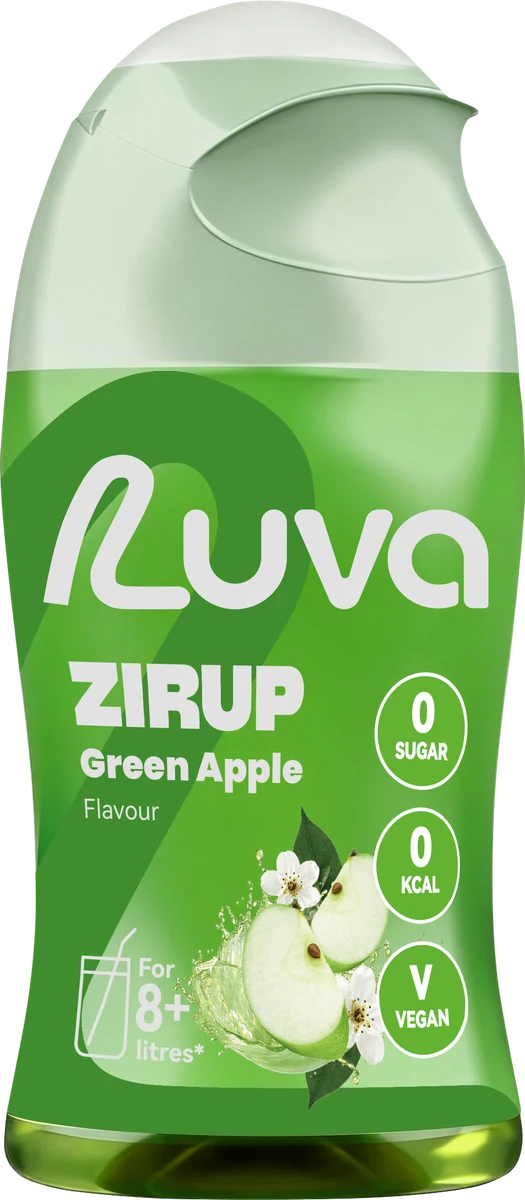
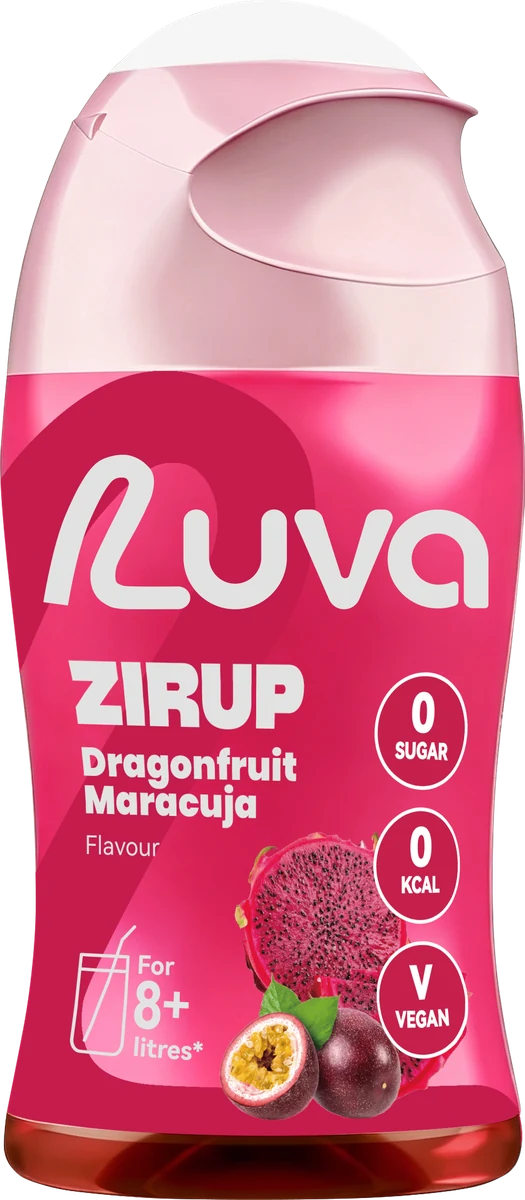
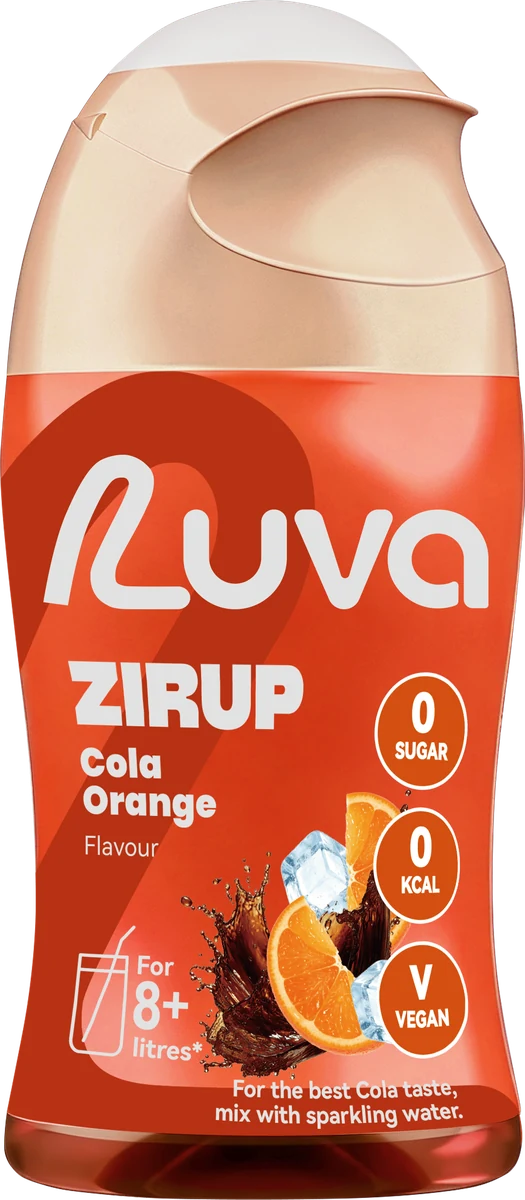
ZERUP by LUVA: 10 sugar-free flavours
Syrup for cold still or sparkling water · 65 ml makes 8+ litres · AED 19, any 3 for AED 49
How to combine water, flavoured water and electrolytes
For most people in the UAE, the best hydration strategy is simple: drink water (plain or flavoured) as your everyday base, and add electrolytes only when you need them. Here is how to combine them:
Everyday hydration: Drink about 2.5–3.5 litres of water spread throughout the day (more if you are very active or spend time outdoors). If you find water boring, a sugar-free drink syrup like ZERUP makes it more enjoyable without adding sugar or almost no calories—about 4 ml of syrup in 500 ml of cold still or sparkling water. One 65 ml bottle makes over 8 litres, about 16 glasses, for AED 19 (or three bottles for AED 49). This is not an electrolyte drink, but it helps you drink enough water every day.
During long or sweaty exercise: Switch to an electrolyte drink (sports drink, tablet or powder mixed with water) for sessions over 60–90 minutes or very sweaty outdoor work. Sip it throughout the session. After you finish, return to plain or flavoured water and eat a meal with some salt.
Combining an electrolyte product with flavoured water: If you want to add an unflavoured electrolyte tablet or powder to flavoured water, follow the electrolyte product's mixing instructions (usually one tablet or scoop per 500 ml). Add your usual amount of ZERUP syrup for flavour—about 4 ml per 500 ml. The syrup does not contain sodium or potassium, so it will not interfere with the electrolyte product. However, most electrolyte tablets and powders already have flavouring, so you may not need extra.
Between iftar and suhoor during Ramadan: During the Ramadan fast, nothing is eaten or drunk from dawn to sunset, so focus on drinking enough between iftar and suhoor. Water, sugar-free flavoured water and electrolyte drinks all count. If you exercise after iftar or do physical work before dawn, an electrolyte drink can help, but for most people water and a balanced iftar meal provide enough fluid and sodium.
Heat illness warning signs
Even with good hydration and electrolytes, the UAE heat can be dangerous. Know the warning signs of heat exhaustion and heat stroke:
- Heat exhaustion: heavy sweating, pale or clammy skin, fast or weak pulse, nausea, dizziness, headache, muscle cramps, feeling faint. Move to a cool place, sip water or an electrolyte drink slowly, loosen tight clothes, and apply cool wet cloths to your skin. If symptoms do not improve within 30 minutes, seek medical help.
- Heat stroke (medical emergency): high body temperature (above 39–40°C), hot and dry skin (sweating may have stopped), confusion, slurred speech, seizures, loss of consciousness. Call 999 or 998 immediately, move the person to shade or air conditioning, and try to cool them with water or ice while waiting for an ambulance.
If you feel unwell during outdoor activity in the heat, stop, get into air conditioning, and drink water. Do not push through dizziness or nausea. For more on staying safe during gym workouts in UAE heat and using creatine in hot conditions, see our related guides.
The bottom line
You do not need electrolytes in every glass of water in Dubai or the UAE. For most people, plain or flavoured water plus regular meals provides enough sodium and potassium for daily life. Electrolyte drinks make sense for exercise over an hour, very sweaty outdoor work, heavy sweaters, or after illness—but they are a tool for specific situations, not an everyday requirement. Check the label for sodium content, sugar and price, and choose the product that fits your needs and budget.
Frequently asked questions
Do I need electrolytes every day in Dubai?
No, most people do not need an electrolyte drink every day. If you spend most of your time in air-conditioned spaces and eat regular meals, plain or flavoured water is enough. Your food provides the sodium and potassium you need for normal daily hydration.
Are electrolyte drinks better than water?
Not for everyday hydration. Water is perfect for normal daily drinking and short exercise sessions. Electrolyte drinks are better for long or very sweaty exercise, outdoor work in heat, or after illness, because they replace the sodium you lose in sweat.
Is ZERUP an electrolyte drink?
No, ZERUP is a sugar-free drink syrup that adds flavour to water, with almost no calories (approx. 2–3 kcal per 100 ml prepared drink). It does not contain sodium, potassium or other electrolytes. It helps you drink more water every day, but it is not a replacement for an electrolyte drink during long exercise or heavy sweating.
When should I use oral rehydration salts?
Use oral rehydration salts (ORS) from a pharmacy only when you are unwell with vomiting or diarrhoea. ORS contains a precise balance of sodium, potassium and glucose to treat dehydration from illness. It is not designed for everyday hydration or sports—use a sports drink or electrolyte tablet for exercise instead.
Can too many electrolytes be bad?
Yes, consuming very high amounts of sodium or potassium can be harmful, especially if you have kidney problems or high blood pressure. Stick to the serving size on the product label, and do not drink electrolyte drinks all day unless you are doing prolonged sweaty activity. For everyday hydration, water is safer and cheaper.
What about electrolytes during Ramadan?
During the Ramadan fast, nothing is eaten or drunk from dawn to sunset, so focus on drinking enough water and electrolyte drinks (if needed) between iftar and suhoor. If you exercise after iftar or do physical work before dawn, an electrolyte drink can help, but for most people water and a balanced iftar meal provide enough fluid and sodium. See our guide on Ramadan hydration for more tips.
How do I know if I am a heavy sweater who needs more sodium?
Signs include soaking your shirt in a short workout, white salt streaks on your clothes or cap after exercise, feeling dizzy or getting headaches despite drinking water, or craving salty food after exercise. If this sounds like you, try an electrolyte drink during and after long or intense sessions and see if you feel better.
Can I make my own electrolyte drink at home?
Yes, a simple homemade version is 500 ml water, a pinch of table salt (about 1/4 teaspoon for roughly 300 mg sodium), a squeeze of lemon or lime, and a teaspoon of honey or sugar if you want some carbohydrate. It is cheaper than shop-bought drinks, though the sodium amount is less precise. For illness, use proper oral rehydration salts from a pharmacy.
Everyday hydration with ZERUP
Sugar-free · Halal · AED 19, any 3 for AED 49 · Delivered within 12 hours across the UAE, free over AED 200
Keep reading
- Gym hydration in UAE heat
- How much water in Dubai
- Why water doesn’t quench thirst
- Creatine in the UAE heat
- Ramadan hydration
Sources
- Sawka MN, Burke LM, Eichner ER, Maughan RJ, Montain SJ, Stachenfeld NS (2007). American College of Sports Medicine position stand: Exercise and fluid replacement. Medicine & Science in Sports & Exercise 39(2):377–390 pubmed.ncbi.nlm.nih.gov
- EFSA Panel on Dietetic Products, Nutrition and Allergies (2010). Scientific Opinion on Dietary Reference Values for water. EFSA Journal 8(3):1459 efsa.onlinelibrary.wiley.com
- World Health Organization (2006). Oral Rehydration Salts: Production of the new ORS. WHO www.who.int
- Casa DJ, Armstrong LE, Hillman SK, et al. (2000). National Athletic Trainers' Association Position Statement: Fluid Replacement for Athletes. Journal of Athletic Training 35(2):212–224 www.ncbi.nlm.nih.gov
- Maughan RJ, Shirreffs SM (2010). Dehydration and rehydration in competitive sport. Scandinavian Journal of Medicine & Science in Sports 20(Suppl 3):40–47 onlinelibrary.wiley.com
This article is general information and does not replace advice from a doctor, dietitian or other qualified professional. Last reviewed: October 2026.