




Quick answer: Air conditioning doesn't pull water from your body, but the cool, dry air in Dubai offices increases water loss through breath and skin while dulling your sense of thirst. Combined with hot commutes, coffee and hours of screen work, many people drink far less than they lose. The result: headaches, tiredness, dry eyes and dark urine by mid-afternoon—all signs of mild dehydration that a simple desk routine can prevent.
You step from a 40°C car park into a 22°C office, and the relief is instant. But over the next eight hours, that same air conditioning quietly works against you. Low humidity, delayed thirst and a coffee-heavy schedule mean most Dubai office workers end the day mildly dehydrated without realising it.
Does air conditioning dehydrate you?
Air conditioning does not drain water directly from your body the way heat does through sweat. What it does is create cool, dry indoor air—often 30–40% relative humidity in UAE offices, compared to 60–80% outdoors in summer. Dry air increases the rate at which moisture evaporates from your breath and skin, a process you don't feel or see.
At the same time, cool air dulls the sensation of heat, so you rarely feel thirsty. You sip less water, even though your body is still losing it steadily. Add a hot commute, three cups of coffee and hours of screen work, and by 3 pm you're running a quiet deficit.
Research suggests that even mild dehydration—losing about 1–2% of body mass as water—can affect mood, concentration and how tired you feel. A 2012 study in young women and a 2011 study in young men both found small but measurable changes in attention and headache frequency when participants were mildly dehydrated. In an office setting, that 1–2% can creep up without a single bead of sweat.

Why office hydration in Dubai is different
Dubai's indoor-outdoor temperature swings are extreme. You might walk 200 metres from your car to the lobby in 42°C heat, losing water fast, then spend eight hours in 21°C air that feels comfortable but keeps evaporating moisture from your airways and skin. Your body never gets a clear signal to drink.
Many offices also have all-day coffee culture. A moderate amount of coffee—up to about three or four cups—still contributes to your fluid intake, but it's easy to replace water entirely with caffeine and assume you're covered. You're not. Plain water (or lightly flavoured water) remains the most reliable way to stay topped up.
Finally, Ramadan office hours shift the challenge: no eating or drinking from dawn to sunset, often in the same dry, air-conditioned environment. Hydration has to happen in a shorter window between iftar and suhoor, and planning becomes essential.
Signs you're dehydrated at work
Mild dehydration rarely announces itself with dramatic thirst. Instead, watch for these everyday signals:
- Headache by mid-afternoon – one of the earliest and most common signs, especially if it lifts after a large glass of water.
- Tiredness and trouble concentrating – that 3 pm slump may be as much about water as it is about lunch.
- Dry eyes – worsened by screen work and low humidity; you blink less when you stare, and dry air does the rest.
- Dry skin and lips – your skin loses moisture faster in air-conditioned spaces.
- Dark yellow urine – pale straw colour is the goal; anything darker suggests you need more fluids.
- Infrequent toilet breaks – if you go four or five hours without needing the toilet, you're likely under-drinking.
If two or three of these sound familiar by the end of a typical workday, a hydration routine will make a noticeable difference within a week.

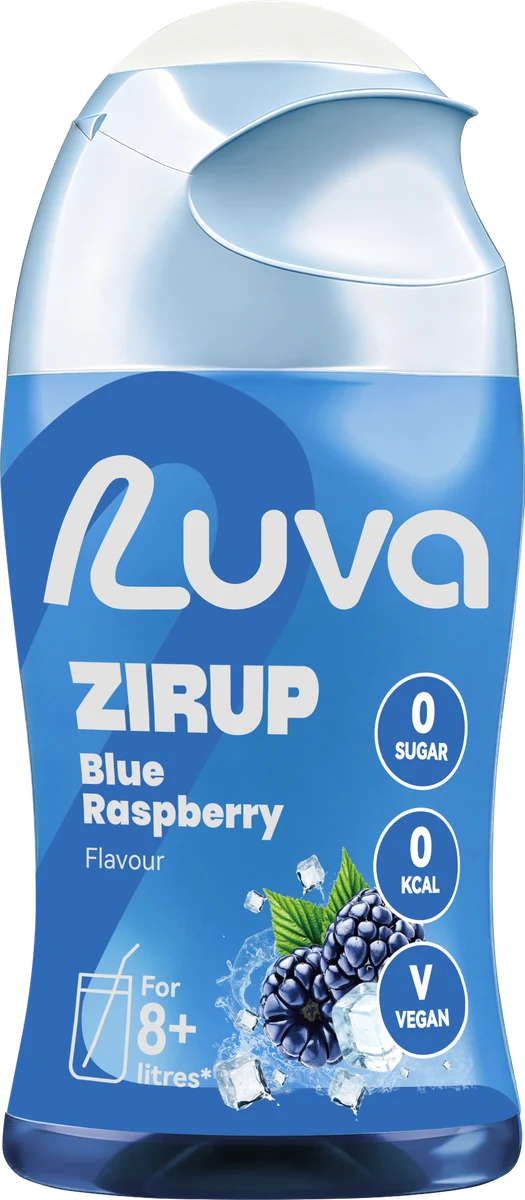
ZERUP Blue Raspberry
Sugar-free syrup for water · 65 ml makes about 16 glasses · halal · AED 19
A simple desk hydration routine for Dubai offices
Consistency beats intensity. You don't need to gulp a litre in one go—small, regular top-ups throughout the day keep you ahead of the curve. This table maps a realistic routine to a standard office day:
| Time | Action | Why |
|---|---|---|
| Arrival (8–9 am) | Drink 250–300 ml (one glass) at your desk | Rehydrate after the commute and overnight; sets the tone for the day |
| Mid-morning (10:30–11 am) | Finish another 250–300 ml | Breaks the coffee-only habit; keeps energy and focus steady |
| Lunch (12:30–1:30 pm) | 300–400 ml with or after your meal | Aids digestion; offsets any salty food; prevents the post-lunch energy dip |
| Afternoon (3–4 pm) | 250–300 ml during the slump | Tackles the headache-and-tiredness window; often the most-skipped drink of the day |
| Before leaving (5–6 pm) | Top up with 200–250 ml | Prepares you for the hot commute home; reduces evening fatigue |
| Commute home | Keep a small bottle in the car | Sip after you park; replaces what you lost in traffic and heat |
That adds up to about 1.5–1.8 litres at work, plus breakfast and evening fluids at home—well within the recommended daily intake for Dubai's climate. Adjust up if you exercise at lunch or down if you work shorter hours, but the rhythm stays the same.

Tools and tricks that actually work
A 1-litre bottle with time marks is the single most effective nudge. Fill it once in the morning, once after lunch, and you're done. No guessing, no counting glasses. Clear bottles let you see progress; insulated steel bottles keep water cool for hours in a warm office.
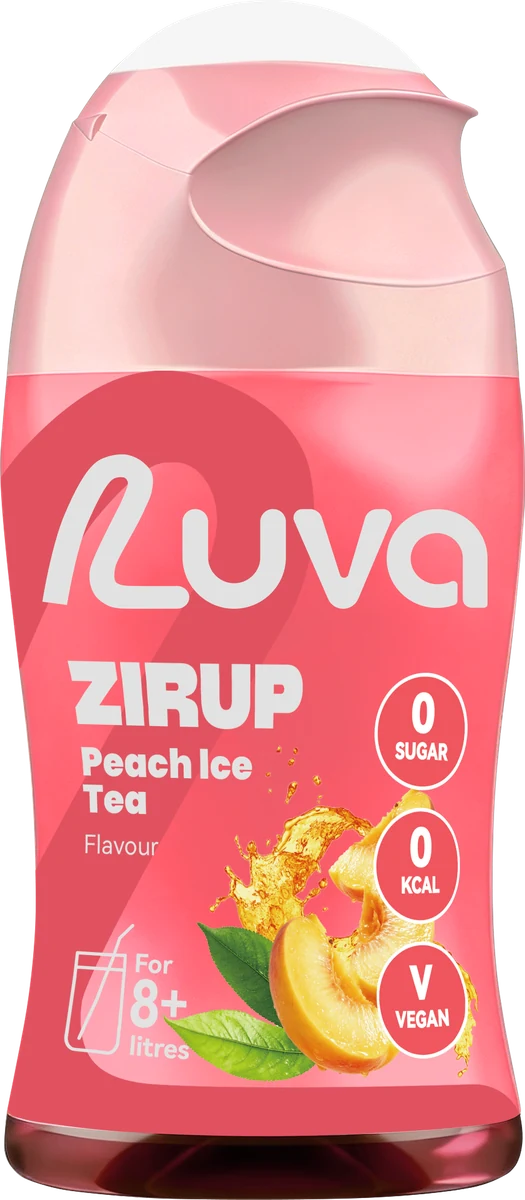
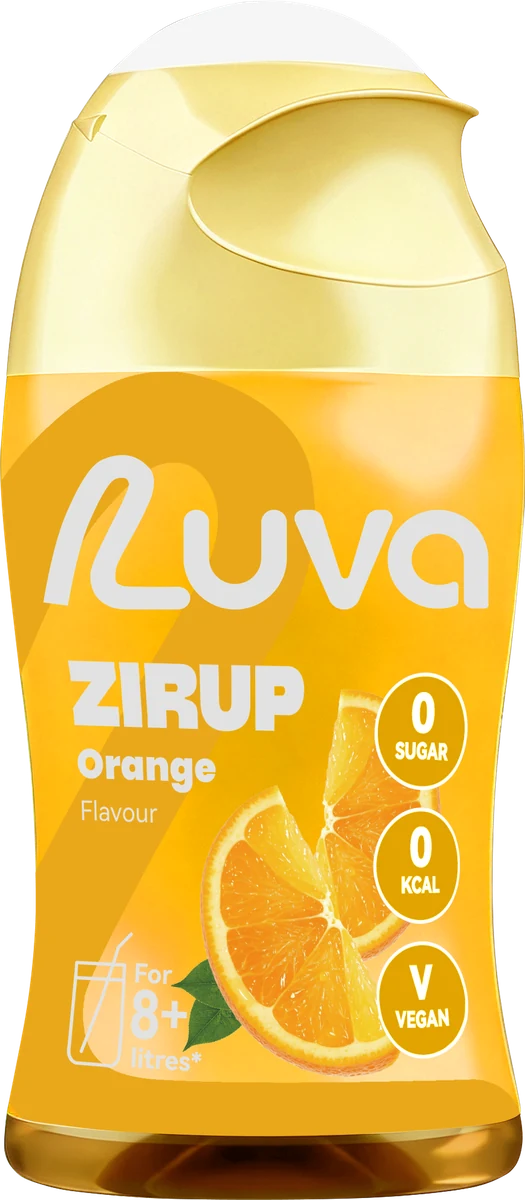
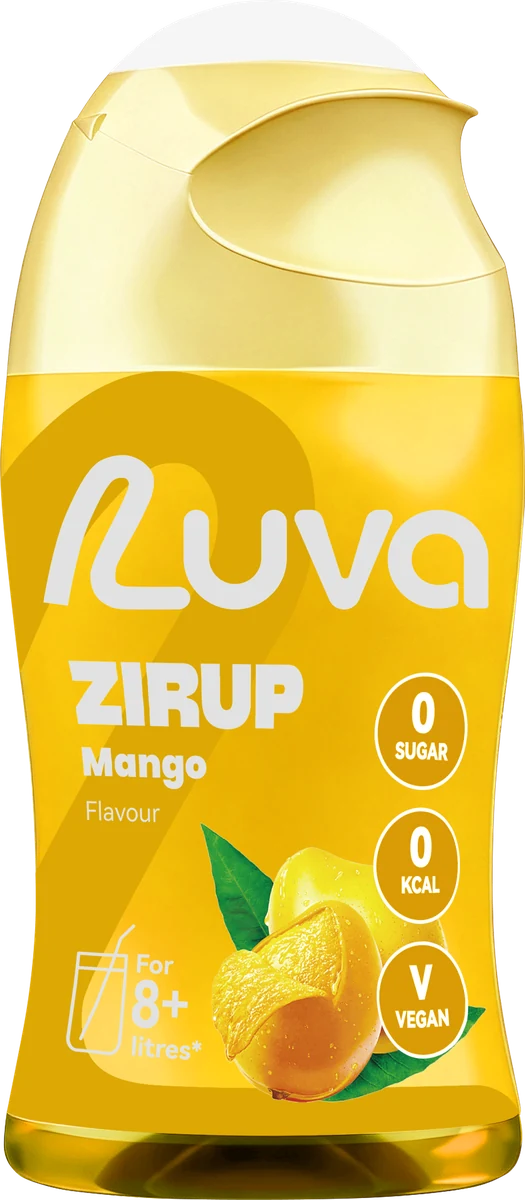
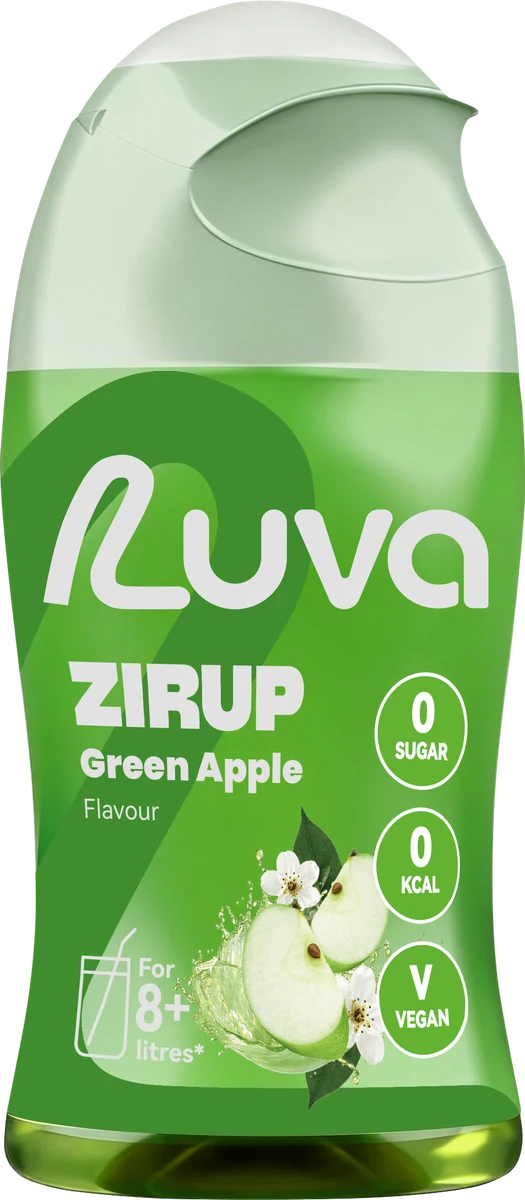
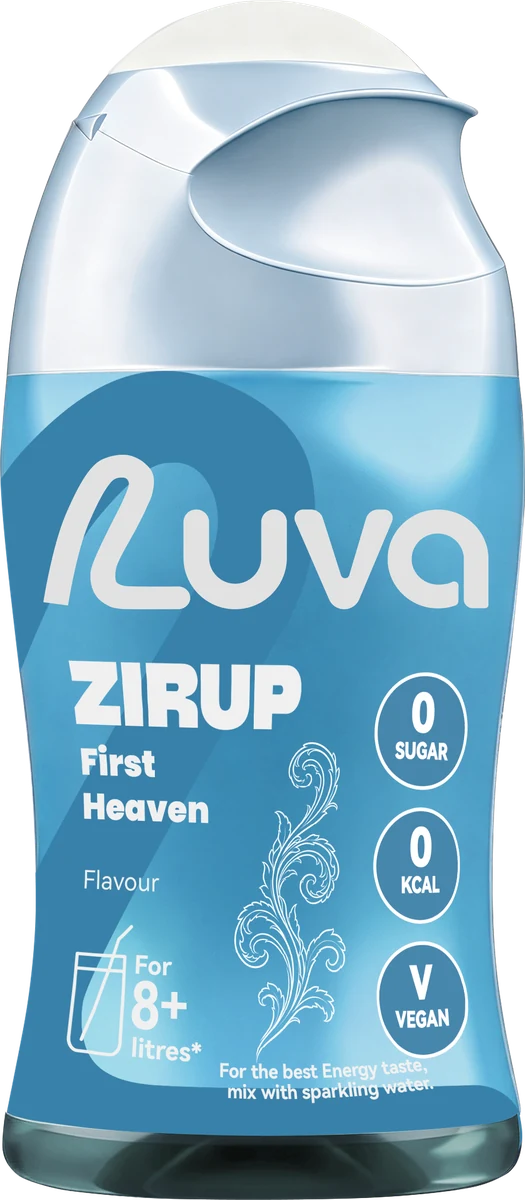
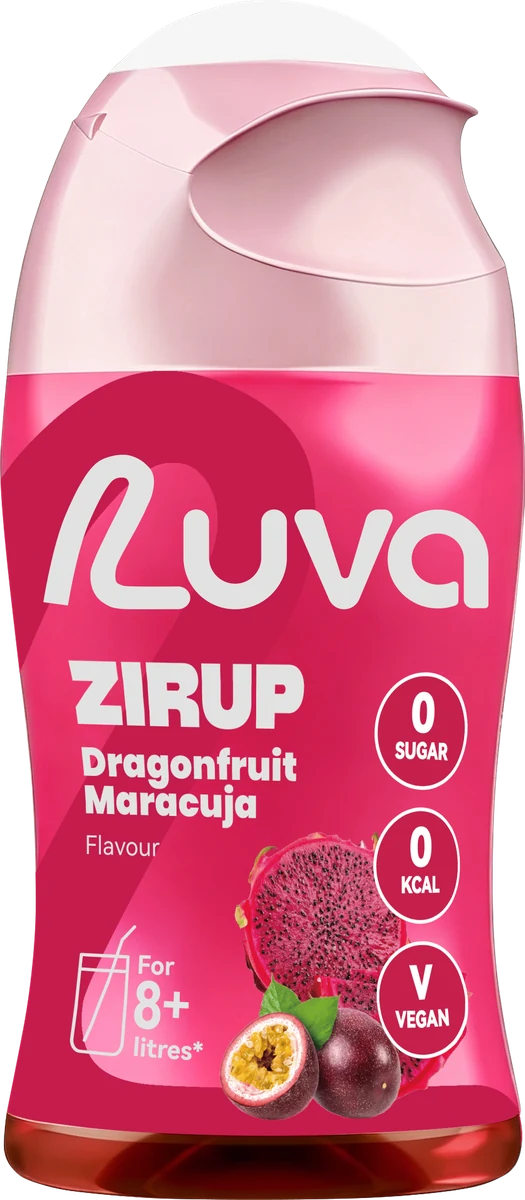
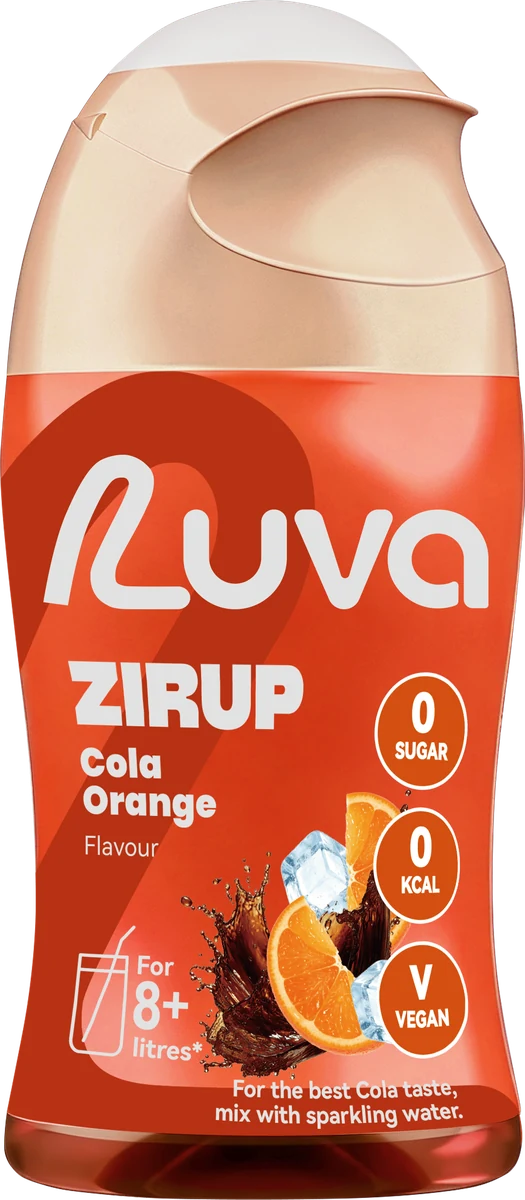
Flavour rotation solves the "water tastes boring" problem without adding sugar or almost any calories. ZERUP sugar-free syrups turn tap or filtered water into peach iced tea, mango, blackberry or any of ten flavours—about 4 ml in a 500 ml bottle, almost no calories (approx. 2–3 kcal per 100 ml prepared drink), and one 65 ml bottle makes over 8 litres. Keep an opened bottle in the office fridge (it keeps three months), and rotate flavours through the week so you never get bored. Many people find they drink 30–50% more when the water tastes good.
A glass of water with every coffee is a simple 1:1 rule. If you have three coffees, you have three glasses of water. It doesn't cancel out the caffeine, but it keeps your overall fluid intake on track and prevents the all-coffee, no-water trap.
Phone or computer reminders work for the first two weeks until the habit sticks. Set them for 10:30 am, 1 pm and 3:30 pm—three key windows when people forget to drink. After a fortnight, your body's own cues take over.
A bottle in every meeting means you're never caught without water for an hour. Long video calls and back-to-back sessions are hydration black holes; a bottle on the desk fixes that.
If plain or lightly flavoured water still doesn't quench your thirst, you may need a pinch of salt or an electrolyte top-up—especially if you train before or after work. Read our guide to electrolytes in the UAE for when and why they help.

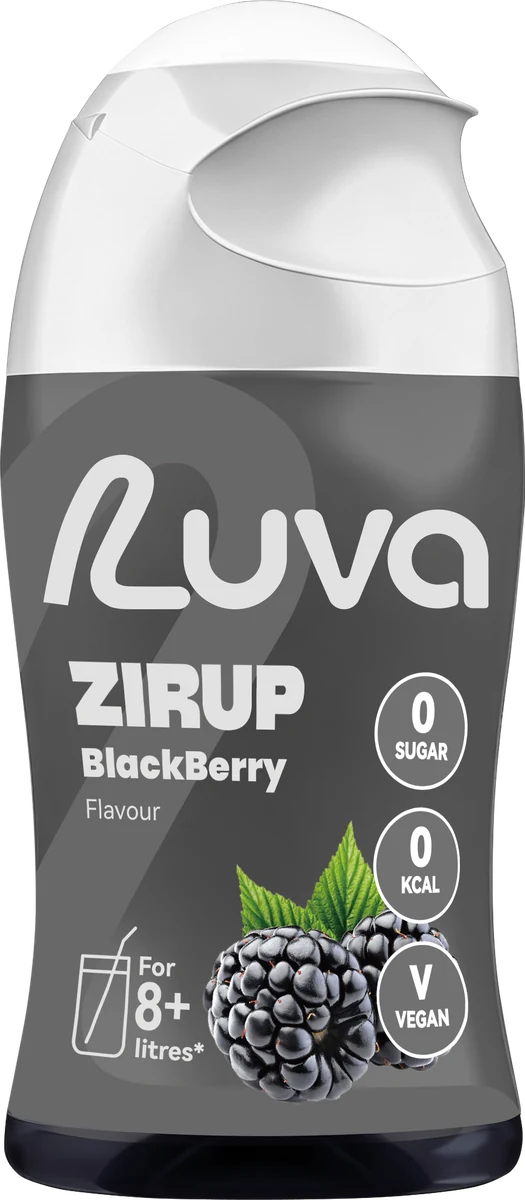
ZERUP by LUVA: 10 sugar-free flavours
Syrup for cold still or sparkling water · 65 ml makes 8+ litres · AED 19, any 3 for AED 49
Dry eyes, dry skin and screen work
Dehydration and low humidity hit your eyes and skin hardest in an office. Computer screens make you blink less—down from about 15–20 blinks per minute to 5–7—so your tear film evaporates faster. Dry air accelerates the process. The result: gritty, tired eyes by late afternoon.
Drinking more water helps from the inside, but you also need breaks. The 20-20-20 rule is simple: every 20 minutes, look at something 20 feet (about 6 metres) away for 20 seconds. It rests your focus muscles and reminds you to blink. If your office allows it, a small desk humidifier can lift the local humidity around your workspace by 10–15 percentage points, which makes a real difference to eyes and skin.
For skin, hydration works in both directions. Drink enough water to keep your cells plump, and use a light moisturiser on your face and hands to lock in moisture against the dry air. The two together beat either one alone.
Hydration and performance at work
The link between mild dehydration and how you feel at work is well documented. A 2012 study published in the Journal of Nutrition found that young women who were mildly dehydrated (about 1.4% body mass loss) reported more headaches, fatigue and difficulty concentrating than when they were well hydrated. A similar 2011 study in the British Journal of Nutrition found the same pattern in young men, with mood and perceived task difficulty both affected at around 1–2% dehydration.
One to two per cent of body mass is small—about 700 ml to 1.4 litres for a 70 kg person—and easy to lose over a morning in a dry office after a hot commute. You won't feel dramatically thirsty, but your brain notices the shortfall. Topping up regularly keeps you sharper, steadier and less likely to reach for a third coffee when what you really need is water.
If you also take creatine gummies for training or general wellness, staying hydrated matters even more: creatine works by drawing water into muscle cells, so your daily fluid intake should match your activity and supplement routine.
Office hydration during Ramadan
Ramadan office hours in the UAE bring a unique hydration challenge: no food or drink from dawn to sunset, often 13–15 hours, in the same air-conditioned environment. You can't sip through the day, so the evening and pre-dawn windows have to cover your full fluid needs.
Focus on these strategies: drink at least 500 ml at iftar, then sip steadily until suhoor—aim for 2–2.5 litres total between sunset and dawn. Choose water-rich foods (cucumber, watermelon, yoghurt, soups) and avoid very salty or sugary dishes that increase thirst the next day. At suhoor, drink another 500 ml and eat something hydrating, not just tea and dates. During office hours, take breaks in a cool, shaded area if you feel lightheaded, and adjust your workload around the hottest part of the day if possible. Read our full Ramadan hydration and iftar drinks guide for meal-by-meal advice.
The bottom line
Air conditioning dehydration is real, but it's quiet—you lose water steadily through dry air and delayed thirst, not through sweat. A simple desk routine, a 1-litre bottle, flavour rotation and a glass of water with every coffee will keep you hydrated, focused and headache-free through a Dubai office day. Small, regular sips beat playing catch-up at 5 pm every time.
Frequently asked questions
Does air conditioning dehydrate you?
Air conditioning creates cool, dry air that increases water loss through your breath and skin, while dulling the sensation of thirst. You lose moisture steadily without sweating, so you drink less than you lose—especially common in Dubai offices with low humidity and hot commutes.
How much water should I drink during an 8-hour office day in Dubai?
Aim for about 1.5–1.8 litres at work, spread across arrival, mid-morning, lunch, mid-afternoon and before you leave. Add breakfast and evening fluids at home, and adjust up if you exercise or down if you work shorter hours—your total daily target in Dubai is usually 2.5–3.5 litres depending on your size and activity.
Why do I get headaches in the office every afternoon?
Afternoon headaches are one of the earliest signs of mild dehydration, especially if they improve after drinking water. Dry air, screen work, skipped water breaks and coffee-heavy mornings all contribute—try drinking a large glass at 3 pm for a week and see if the pattern changes.
Does coffee count towards my daily water intake?
Yes, moderate coffee (up to about three or four cups) still contributes to your fluid intake, but it's easy to replace water entirely with caffeine and fall short. A simple rule: drink one glass of water with every coffee, so your overall fluid intake stays on track.
Is flavoured water OK to drink at work, or does it have to be plain?
Flavoured water is fine as long as it's sugar-free and has almost no calories—it counts fully towards your daily intake and often helps people drink 30–50% more than plain water. ZERUP syrups add flavour with almost no calories (approx. 2–3 kcal per 100 ml prepared drink), and one small bottle kept in the office fridge makes over 8 litres.
Can dehydration make my eyes feel dry and tired at work?
Yes—low humidity and dehydration both reduce your tear film, and screen work makes you blink less, so the problem compounds. Drinking more water helps from the inside; the 20-20-20 rule (every 20 minutes, look 20 feet away for 20 seconds) and a desk humidifier help from the outside.
How do I stay hydrated at work during Ramadan?
You can't drink during office hours, so focus on the evening and pre-dawn windows: at least 2–2.5 litres between iftar and suhoor, sipped steadily, plus water-rich foods like cucumber, watermelon and soups. Drink 500 ml at iftar and another 500 ml at suhoor, and avoid very salty or sugary dishes that increase thirst the next day.
What's the easiest way to remember to drink water at my desk?
A 1-litre bottle with time marks is the simplest tool—fill it once in the morning, once after lunch, and you're done. Set phone reminders for 10:30 am, 1 pm and 3:30 pm for the first two weeks until the habit sticks, and always take a bottle into meetings so you're never caught without water for an hour.
Stock your desk with ZERUP
Sugar-free · Halal · AED 19, any 3 for AED 49 · Delivered within 12 hours across the UAE, free over AED 200
Keep reading
- How to drink more water
- How much water in Dubai
- Why water doesn’t quench thirst
- Electrolytes in the UAE
- Creatine gummies in Dubai
Sources
- Armstrong LE, Ganio MS, Casa DJ, et al. (2012). Mild dehydration affects mood in healthy young women. Journal of Nutrition, 142(2), 382–388 pubmed.ncbi.nlm.nih.gov
- Ganio MS, Armstrong LE, Casa DJ, et al. (2011). Mild dehydration impairs cognitive performance and mood of men. British Journal of Nutrition, 106(10), 1535–1543 pubmed.ncbi.nlm.nih.gov
- European Food Safety Authority (EFSA). Dietary Reference Values for Water www.efsa.europa.eu
- NHS. Water, drinks and your health www.nhs.uk
- American College of Sports Medicine (ACSM). Hydration and Physical Activity www.acsm.org
This article is general information and does not replace advice from a doctor, dietitian or other qualified professional. Last reviewed: October 2026.