




Quick answer: There is no strong clinical evidence that creatine monohydrate causes hair loss. The worry stems mainly from a 2009 study that measured a hormone (DHT), not hair shedding. A 2025 randomised controlled trial using 5 g of creatine daily found no significant changes in DHT or hair measures versus placebo in men. Research in women is limited. If you have pattern hair loss in the family or active shedding, speak to a dermatologist; do not rely on gym myths.
Few creatine rumours travel as far as “it made my hair thin.” Expats in Dubai gyms hear it weekly. Here is what the papers actually measured — and what they did not.
Where the myth started
In 2009, van der Merwe and colleagues studied college-aged rugby players during a creatine loading and maintenance protocol. They reported an increase in dihydrotestosterone (DHT) relative to baseline, with testosterone changes that did not explain everything on their own. DHT can contribute to androgenetic (pattern) hair loss in people who are genetically susceptible because hair follicles in certain scalp zones are sensitive to androgens.
Critical limits of that study for the hair-loss claim:
- It did not count hairs, measure density or photograph scalp thinning.
- The sample was young male rugby players, not a mixed or female cohort.
- Findings on DHT have not been consistently replicated across the creatine literature.
A hormone shift on a blood test is not the same endpoint as clinically meaningful hair loss.

What newer research adds
A 12-week randomised, placebo-controlled trial published in 2025 gave resistance-trained men 5 g per day of creatine monohydrate. Compared with placebo, researchers did not find significant differences in DHT or in the hair-related measures they tracked. That directly pressures the popular leap from “DHT might rise” to “you will go bald.”
The ISSN’s safety and misconception reviews likewise do not treat hair loss as an established adverse effect of recommended creatine use. Absence of evidence is not a lifetime guarantee for every individual, but it is the opposite of a proven side effect.

Women, hormones and hair
Female pattern hair loss exists and often looks different from male baldness (diffuse widening of the parting more than a receding temple line). Drivers include genetics, iron status, thyroid disease, polycystic ovary syndrome, postpartum shifts, stress and harsh styling — a long list that rarely starts with creatine in dermatology textbooks.
Creatine studies in women have focused more on performance, body composition and safety endpoints than on trichograms. So honesty matters: we cannot claim creatine is proven hair-neutral in every woman; we can say there is no good evidence it causes shedding, and the best male RCT to date is reassuring at 5 g/day.
Keratin, biotin and zinc appear in some “beauty” creatine gummies, including LUVA’s. Those nutrients support normal hair physiology when diets are adequate; they are not licensed medicines for baldness and should not be marketed as a cure for alopecia.
What to do if you are worried
- Check the basics with a clinician: ferritin, thyroid, medications, recent illness, crash dieting.
- Look at family history of pattern hair loss — that risk exists with or without supplements.
- Keep the dose ordinary (about 3–5 g/day). Megadoses for months have less practical upside once stores are full and more gut downside.
- Track objectively if you experiment: photos in the same light every four weeks beat daily mirror panic.
- See a dermatologist for sudden clumps, scalp pain or patchy loss — those patterns need diagnosis, not a Reddit thread.
Stopping creatine will not “regrow” hair lost to androgenetic alopecia; that condition has its own medical pathways (which are outside this article’s scope).
Dose, format and the fear cycle
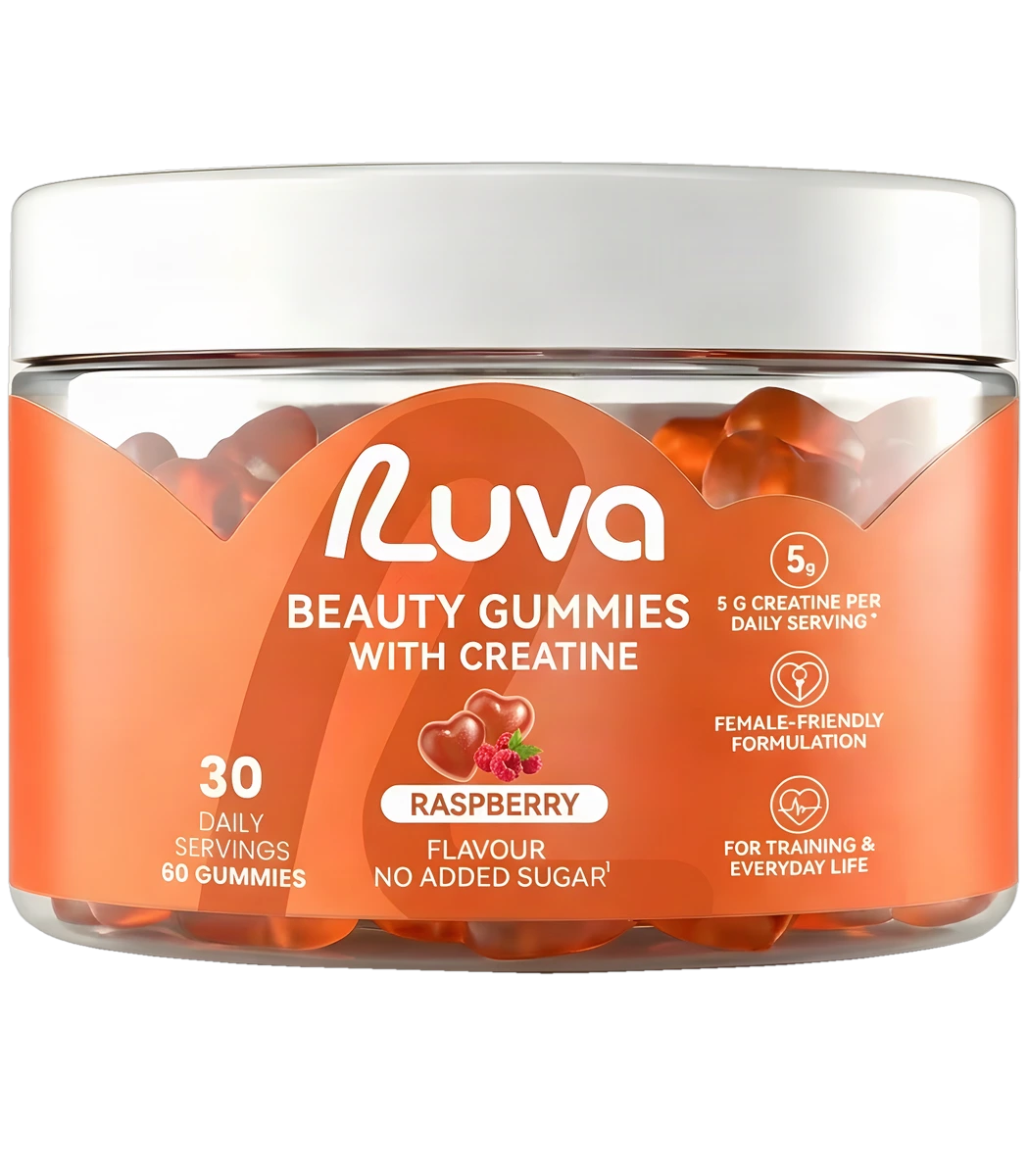
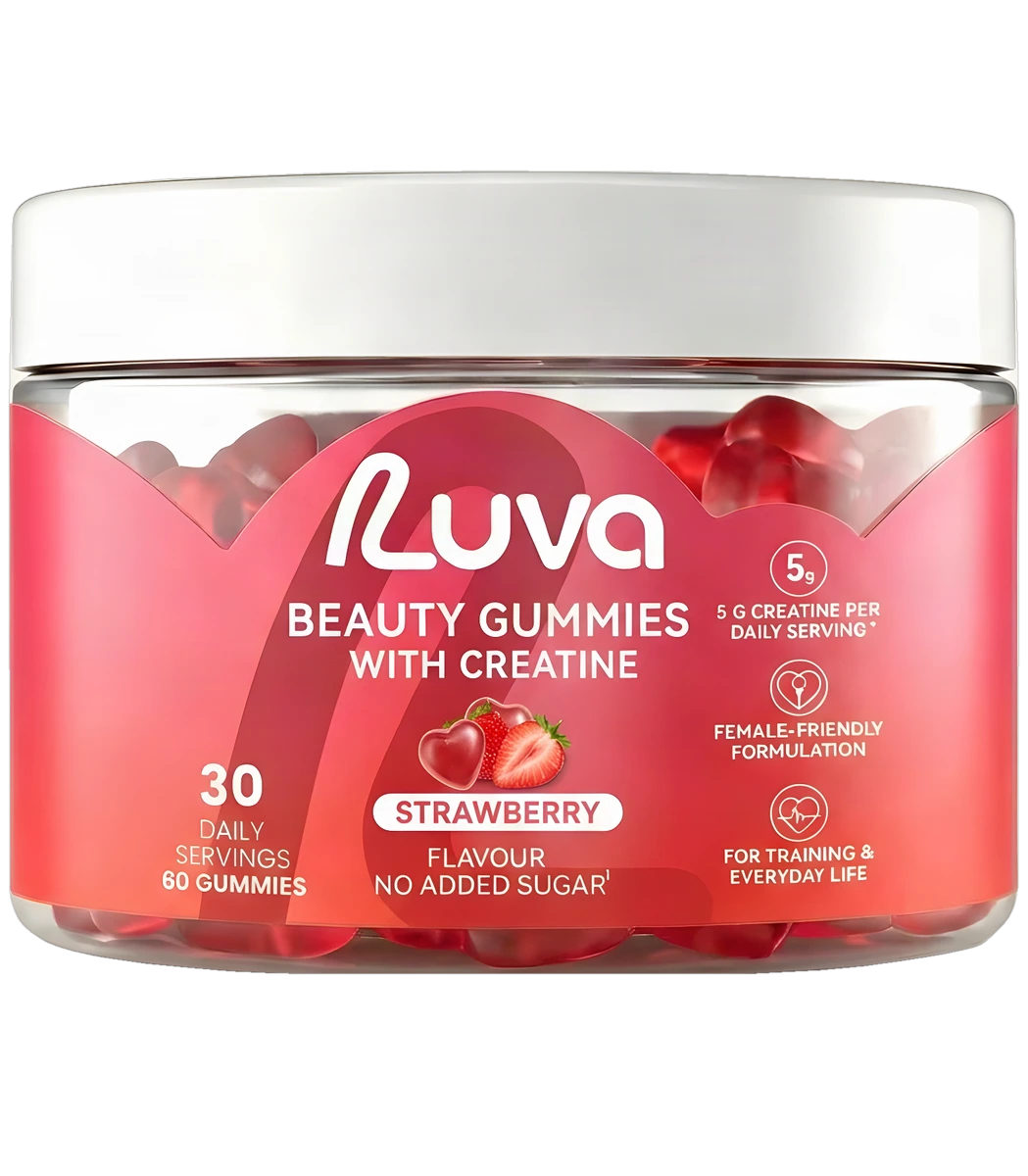
Loading protocols use higher short-term grams. Even if future studies revisited hormones during loading, hair outcomes would still need measuring. Most people do well on a steady 3–5 g daily without loading. LUVA Creatine Gummies supply 5 g creatine monohydrate in two gummies, with keratin, biotin and zinc, no added sugar, halal, 30 daily servings per tin, delivered within 12 hours across the UAE.
Pair the habit with training if performance is your goal — the authorised EU claim for high-intensity repeated efforts sits at 3 g/day for adults who train that way.
Food supplement. Not a substitute for a varied, balanced diet and a healthy lifestyle. Do not exceed the recommended daily serving. Keep out of reach of children. If you are pregnant, breastfeeding, under 18, have a medical condition or take medication, consult your doctor before use. This article is not dermatological diagnosis.
Related reading on side effects
Water retention, stomach comfort and kidney markers are covered in creatine benefits and side effects. Hormone questions beyond hair: creatine and hormones.
The bottom line
Creatine’s hair-loss reputation runs ahead of the data. The DHT study did not prove baldness; the 2025 trial did not find hair or DHT problems at 5 g/day in men. Women deserve more specific trials, but panic is not evidence-based. Fix diet, stress and medical causes of shedding first; use creatine for its performance role if your doctor agrees.
Social media versus study design
Before-and-after selfies rarely control for crash diets, new gels, thyroid flares or postpartum shedding. The 2025 trial’s value is randomisation and placebo control — the tools that separate coincidence from cause. Until similarly rigorous hair-focused trials exist in women, extrapolate cautiously: absence of a proven effect is not the same as a celebrity guarantee.
Creatine, stress and telogen effluvium
Telogen effluvium (diffuse shedding weeks after a physiological stress) is common after illness, surgery or extreme energy deficits. People often start supplements in the same life chapter as a new training plan. If shedding starts eight weeks after a major stressor, creatine may be an innocent bystander. A dermatologist can help sequence the timeline.
Label reading if hair health is your priority
- Confirm creatine grams, not only “beauty blend” marketing.
- Treat biotin/zinc/keratin as supportive nutrients, not alopecia drugs.
- Avoid megadose stacking from multiple bottles that all contain biotin.
- Keep expectations for performance separate from cosmetic promises.
Makeup of a sensible personal experiment
If you still feel anxious, agree a three-month window with ordinary 5 g dosing, unchanged styling chemicals and a clinician-aware baseline photo set. Do not load at 20 g while simultaneously starting a new retinol, crash diet and bleach kit — you will never know what caused shedding.
Living the habit in the Emirates
German expats and other international residents often juggle travel between Emirates, late social dinners and early training. The winning pattern is boring: one visible jar, one daily cue, one researched dose. Delivery within 12 hours and free shipping thresholds above AED 200 make restocking easier than importing unlabelled tubs with unclear storage history.
When you compare products, keep claims inside evidence rails — EFSA-style performance language, ISSN safety summaries and honest limits on beauty or brain marketing. That approach protects trust better than maximalist advertising.
Dose, consistency and stopping
Aim for about 3–5 g of creatine monohydrate daily unless your clinician sets another plan. Loading remains optional. If you stop, stores decline over weeks, not hours. Returning later simply means re-saturating — you do not need punitive “detox gaps” for healthy kidneys according to mainstream sports-nutrition reviews, but medical conditions change the rules.
Where LUVA fits
LUVA Creatine Gummies are built for the daily habit: 5 g creatine monohydrate in two gummies, with keratin, biotin and zinc, no added sugar, raspberry or strawberry flavours, 30 daily servings (60 gummies) per tin, halal certified. We deliver within 12 hours across the UAE, with free delivery over AED 200. Keep the jar closed at room temperature and out of hot cars. Food supplement rules apply: not a medicine, not a substitute for a balanced diet, and not for unsupervised use in pregnancy, breastfeeding, under-18s or relevant disease without medical advice.
Frequently asked questions
Does creatine cause hair loss in women?
There is no good evidence that it does. Dedicated hair trials in women are limited. See a dermatologist for unexplained shedding.
Does creatine increase DHT?
One 2009 study reported a DHT rise in male rugby players during a loading-style protocol. A 2025 RCT at 5 g/day did not find significant DHT changes versus placebo.
Should I avoid creatine if my father is bald?
Genetic pattern hair loss risk exists regardless. Discuss personal risk with a clinician; evidence does not show creatine as a proven trigger.
Will biotin in gummies stop hair loss?
Biotin helps when deficiency exists. It is not a proven treatment for androgenetic alopecia on its own.
Is 5 g a day linked to hair loss?
The 2025 randomised trial used 5 g/day and did not show significant hair-measure or DHT differences versus placebo in men.
Discover LUVA Creatine Gummies
5 g creatine per daily serving (2 gummies) · Halal · No added sugar · Delivered within 12 hours across the UAE, free over AED 200
Keep reading
Sources
- Does creatine cause hair loss? 12-week randomised controlled trial (2025). PMC. pmc.ncbi.nlm.nih.gov
- van der Merwe J. et al. (2009). Three weeks of creatine monohydrate supplementation affects dihydrotestosterone to testosterone ratio in college-aged rugby players. Clin J Sport Med. pubmed.ncbi.nlm.nih.gov
- Antonio J. et al. (2021). Common questions and misconceptions about creatine. JISSN. link.springer.com
- Kreider R.B. et al. (2017). ISSN position stand: creatine. JISSN. pmc.ncbi.nlm.nih.gov
- Commission Regulation (EU) No 432/2012. eur-lex.europa.eu
This article is general information and does not replace advice from a doctor, dietitian or other qualified professional. Last reviewed: October 2026.