




Quick answer: Creatine’s strongest authorised roles remain physical: high-intensity exercise performance (and, for adults over 55, helping resistance training improve strength). Brain research is growing but is not an EFSA authorised “focus” claim. Meta-analyses suggest modest benefits for some memory and processing measures in adults; a 2024 sleep-deprivation experiment used a very high single dose under lab conditions — not a daily gummy routine. Treat cognitive findings as emerging science, not a prescription for burnout.
Dubai professionals know “brain fog”: late nights, early meetings, dry air, skipped meals. Creatine shows up in feeds as a nootropic. Accuracy matters more than hype.
Brain energy in one paragraph
The brain is metabolically greedy. It uses phosphocreatine buffering much like muscle does, though uptake from the blood into the central nervous system is slower and more limited than uptake into muscle. That is why many cognitive protocols last days to weeks rather than relying on a single coffee-sized spike — with interesting exceptions discussed below.
What meta-analyses report
A 2024 systematic review and meta-analysis of randomised trials in adults reported that creatine monohydrate was associated with significant improvements in memory and some attention and processing-speed timing measures, without clear gains for every global cognition or executive-function score. Certainty of evidence varied (often moderate for memory, lower for other domains). Subgroups hinted at larger effects in some clinical or stressed contexts and in mixed-age adult samples — not a blank cheque for every healthy 25-year-old on a rest day.
An earlier meta-analysis focused on memory in healthy people also found an overall benefit, with a stronger signal in older adults in subgroup analysis. Results across trials are heterogeneous: different tests, doses (roughly 2–20 g/day ranges appear in the literature) and durations.
Careful wording: these findings support scientific interest. They do not authorise disease claims (for example treating ADHD, dementia or depression) and they do not replace sleep, daylight, water and medical care.

Sleep deprivation: striking, but not your daily label
In 2024, Gordji-Nejad and colleagues kept healthy adults awake for a prolonged period and tested a high single oral dose of creatine monohydrate (0.35 g per kg body weight — for a 70 kg adult, roughly 24 g). Cognitive performance and brain high-energy phosphate measures looked better on creatine than placebo for hours, peaking around four hours and lasting up to about nine in that protocol.
Takeaways for ordinary users:
- This was an experimental acute high dose under sleep deprivation, not the 3–5 g lifestyle serving.
- High boluses can bother the gut; they are not what food-supplement labels are built around.
- Follow-up work has explored somewhat lower single doses; the field is young.
- Sleep debt still harms health — creatine is not a substitute for rest, especially if you drive or operate machinery.
If your “focus problem” is chronic insomnia or depression, see a clinician.

Who might notice cognitive effects most (research hints)
Literature discussions often flag groups with lower baseline creatine availability or higher metabolic stress: some vegetarians/low-meat eaters, sleep-restricted people in lab tasks, older adults on memory tests and certain clinical populations under study. That is a research pattern, not personal medical advice.
What we can say alongside EFSA physical claims
| Claim type | Status |
|---|---|
| Successive short high-intensity exercise performance at 3 g/day | EU authorised (with conditions) |
| Muscle strength help with resistance training in adults >55 at 3 g/day | EU authorised (with conditions) |
| “Cures brain fog” / “replaces sleep” / treats mental illness | Not authorised; avoid |
LUVA communicates creatine gummies as a convenient way to take a full daily physical-performance-oriented serving, not as a brain drug.
Practical daily approach
- Use a researched daily amount (~3–5 g monohydrate) if you supplement.
- Keep sleep, hydration and meals boringly solid — especially in UAE heat and AC dryness (how much water in Dubai).
- Do not chase 20 g “nootropic bombs” because a sleep-lab paper existed.
- Give any routine several weeks before judging memory anecdotes.
- Stop and seek care for neurological red flags (sudden confusion, severe headache, fainting).
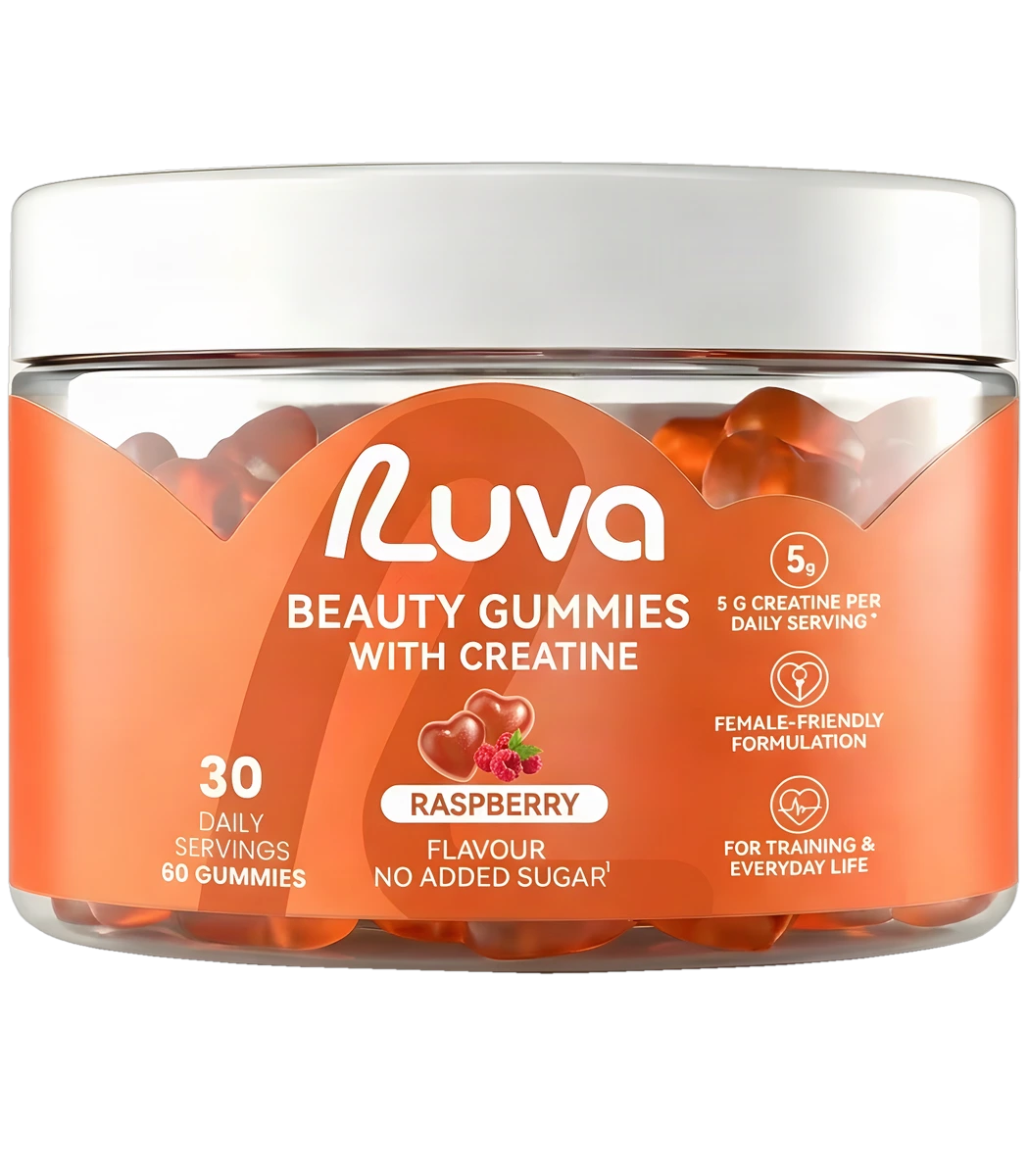
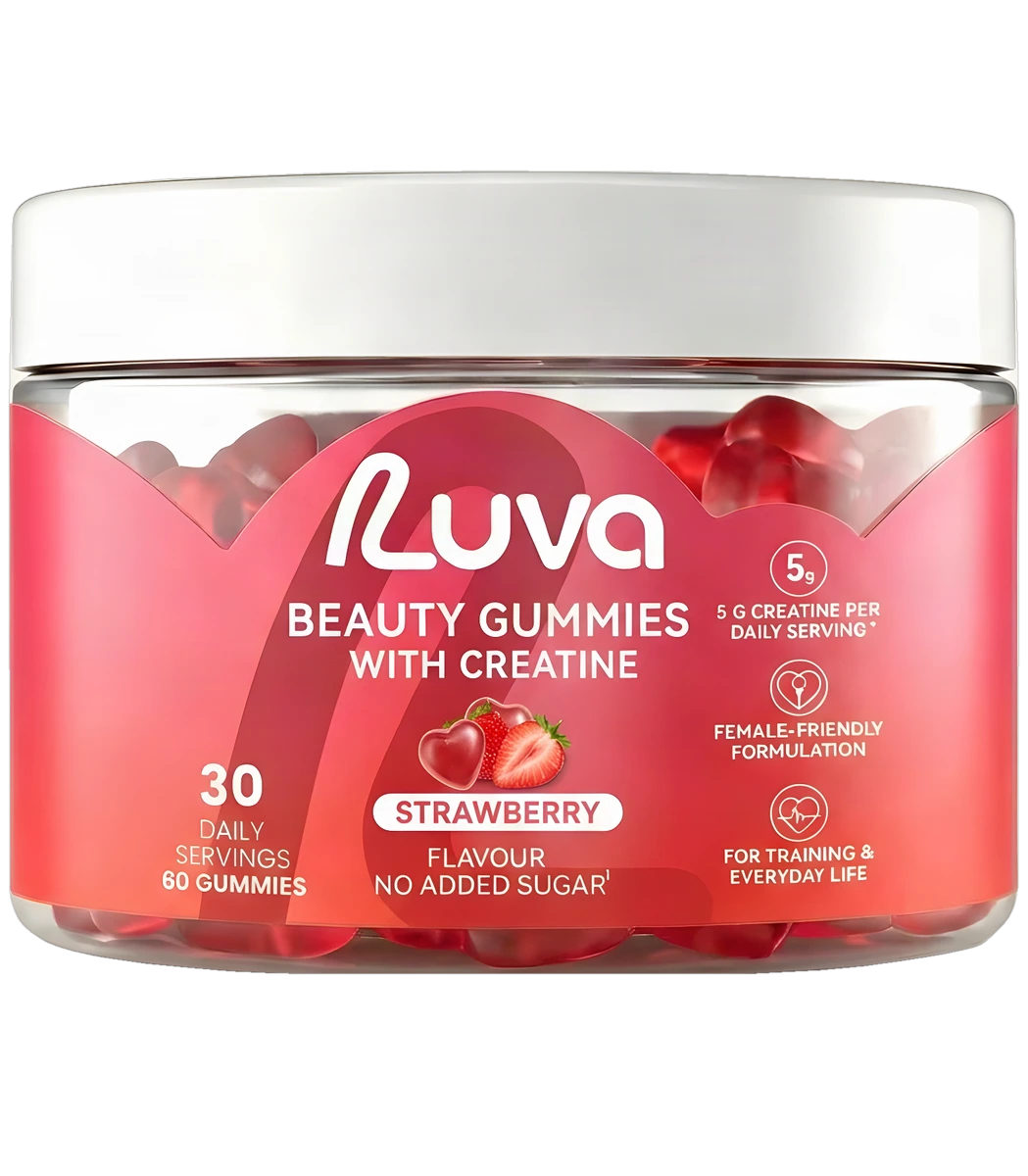
LUVA Creatine Gummies: 2 gummies = 5 g creatine monohydrate, plus keratin, biotin and zinc, no added sugar, halal, 30 daily servings per tin, delivery within 12 hours across the UAE (free over AED 200).
Food supplement. Not a substitute for a varied, balanced diet and a healthy lifestyle. Not a medicine for cognitive disorders. Consult a doctor if pregnant, breastfeeding, under 18, ill or medicated.
The bottom line
Creatine’s brain story is promising and incomplete. Memory meta-analyses are encouraging; sleep-deprivation high-dose data are mechanistic and situational. Keep expectations honest, protect your sleep and use creatine primarily for its better-established training role at ordinary daily grams.
Focus, hormones and life stage
Reviews of creatine in women’s health discuss brain energy as a research frontier across menstrual years and menopause, alongside muscle outcomes. That is a call for more trials, not a green light for unregulated “hormone balancing” claims. If brain fog arrives with hot flushes, heavy periods or depression, medical assessment comes first.
Study hygiene for self-experiments
If you still want to judge subjective focus on 3–5 g/day:
- Keep sleep timing steady for two weeks.
- Avoid launching three other nootropics the same week.
- Note caffeine grams; they dominate acute alertness.
- Use a simple repeated task (same puzzle app score, same typing test) rather than vibes alone.
Workplace safety note
Never use high-dose creatine protocols from sleep-deprivation papers to push another night of driving, site work or clinical shifts. Fatigue impairment is real; lab mitigation is not a licence.
Creatine is not a substitute for mental healthcare
Anxiety, ADHD, bipolar disorder and major depression need evidence-based care. Do not delay those pathways because a creatine paper mentioned processing speed. Food supplements sit beside — never instead of — clinical treatment.
Living the habit in the Emirates
German expats and other international residents often juggle travel between Emirates, late social dinners and early training. The winning pattern is boring: one visible jar, one daily cue, one researched dose. Delivery within 12 hours and free shipping thresholds above AED 200 make restocking easier than importing unlabelled tubs with unclear storage history.
When you compare products, keep claims inside evidence rails — EFSA-style performance language, ISSN safety summaries and honest limits on beauty or brain marketing. That approach protects trust better than maximalist advertising.
Dose, consistency and stopping
Aim for about 3–5 g of creatine monohydrate daily unless your clinician sets another plan. Loading remains optional. If you stop, stores decline over weeks, not hours. Returning later simply means re-saturating — you do not need punitive “detox gaps” for healthy kidneys according to mainstream sports-nutrition reviews, but medical conditions change the rules.
Where LUVA fits
LUVA Creatine Gummies are built for the daily habit: 5 g creatine monohydrate in two gummies, with keratin, biotin and zinc, no added sugar, raspberry or strawberry flavours, 30 daily servings (60 gummies) per tin, halal certified. We deliver within 12 hours across the UAE, with free delivery over AED 200. Keep the jar closed at room temperature and out of hot cars. Food supplement rules apply: not a medicine, not a substitute for a balanced diet, and not for unsupervised use in pregnancy, breastfeeding, under-18s or relevant disease without medical advice.
Frequently asked questions
Does creatine help with brain fog?
Some studies show modest benefits on memory and certain processing measures. “Brain fog” is not a single diagnosis. Emerging evidence is not the same as an authorised medical claim.
Can creatine replace sleep?
No. A lab study used a high single dose during enforced sleep deprivation. That does not make creatine a safe sleep substitute.
How much creatine for cognitive research protocols?
Trials vary widely. Lifestyle supplementation usually stays near 3–5 g/day. High acute research doses are not everyday advice.
How long until I notice mental effects?
If they occur, think in weeks of daily use for standard doses, not minutes. Many people notice nothing obvious while still saturating muscle.
Is LUVA marketed for focus?
LUVA Creatine Gummies are a food supplement providing 5 g creatine monohydrate per daily serving for convenient intake. We do not claim to treat cognitive disease.
Discover LUVA Creatine Gummies
5 g creatine per daily serving (2 gummies) · Halal · No added sugar · Delivered within 12 hours across the UAE, free over AED 200
Keep reading
Sources
- Xu C. et al. (2024). Effects of creatine on cognitive function in adults: systematic review and meta-analysis. Frontiers in Nutrition. www.frontiersin.org
- Gordji-Nejad A. et al. (2024). Single dose creatine improves cognitive performance during sleep deprivation. Scientific Reports. www.nature.com
- Prokopidis K. et al. (2023). Creatine supplementation and memory in healthy individuals: meta-analysis. Nutrition Reviews / PMC. pmc.ncbi.nlm.nih.gov
- Kreider R.B. et al. (2017). ISSN position stand: creatine. JISSN. pmc.ncbi.nlm.nih.gov
- Commission Regulation (EU) No 432/2012; (EU) 2017/672. eur-lex.europa.eu
This article is general information and does not replace advice from a doctor, dietitian or other qualified professional. Last reviewed: October 2026.