




Quick answer: Glycerin (also called glycerol or E422) is a clear, slightly sweet liquid used in some zero syrups as a carrier to give body and help dissolve flavourings. The European Food Safety Authority re-evaluated glycerol in 2017 and found no safety concern at the amounts used in foods. Very large amounts can cause headache, thirst or stomach upset, but the amount in a typical glass of zero syrup is small.
If you have read the ingredient list on a bottle of More Nutrition's Zerup or another zero syrup, you may have noticed glycerin (E422) listed. A Reddit thread on r/FitnessDE asked what glycerin is and whether it is safe. This guide explains what glycerin is, why it is used in some zero syrups, how it differs from sugar alcohols, and what the science says about safety.
What is glycerin (glycerol, E422)?
Glycerin—also called glycerol or E422 on ingredient labels—is a clear, odourless, slightly sweet liquid. It is a type of alcohol chemically (a trihydric alcohol), but it is not the kind of alcohol you drink (ethanol). Glycerin occurs naturally in fats and oils and is produced industrially from plant oils (such as palm, soy or rapeseed) or, less commonly, from animal fat.
In food, glycerin is used as a humectant (it holds moisture), a sweetener (it tastes mildly sweet, about 60% as sweet as sugar) and a carrier or solvent for flavours and colours. It gives body and a smooth mouthfeel to liquids, which is why it appears in many zero-sugar syrups, some soft drinks, cake icings, confectionery and other processed foods.
Why is glycerin used in zero syrup?
Zero syrups are concentrated flavour syrups designed to be mixed with water to make a sugar-free drink. Because they contain no sugar, manufacturers need a liquid carrier to dissolve the flavourings, colours and sweeteners and to give the syrup a pleasant, pourable consistency.
Glycerin is one option for this carrier. According to More Nutrition's German product page (checked October 2026), its Zerup lists glycerin in the ingredients. Glycerin helps the syrup stay smooth and liquid, prevents it from separating, and adds a hint of sweetness without the calories of sugar. (Glycerin does contain some energy—EU nutrition labels count it at 2.4 kcal per gram, the factor for polyols—but because only a tiny amount of syrup is used per glass, the calorie contribution is minimal.)
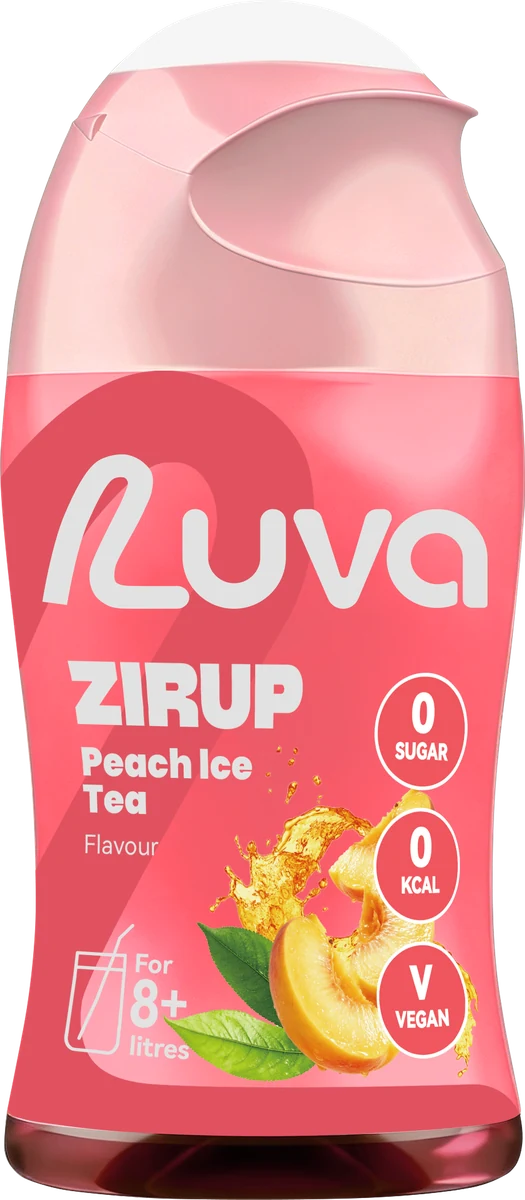
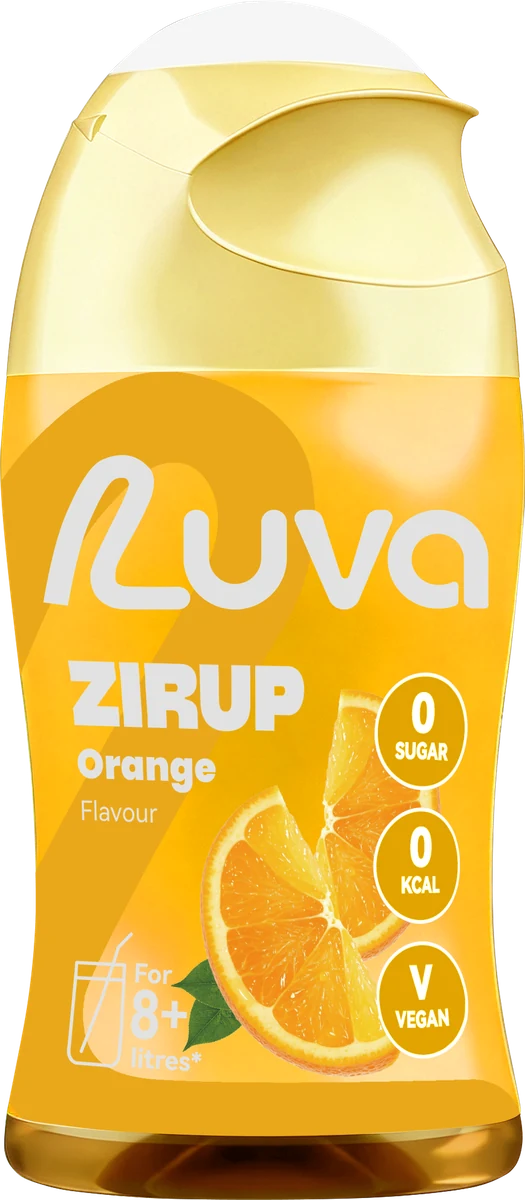
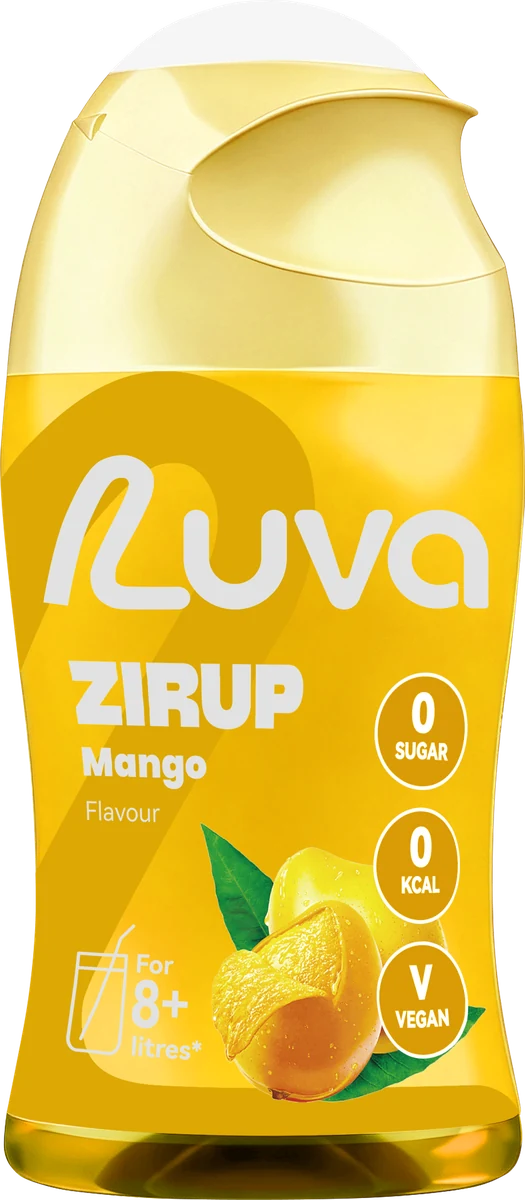
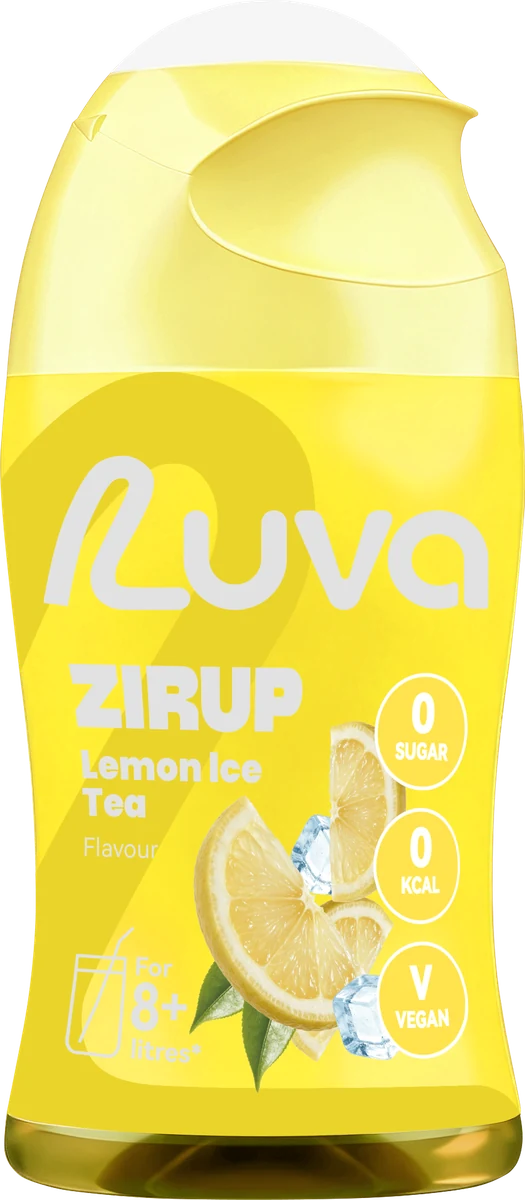
Other zero syrups may use different carriers, such as water, or bulking agents such as sugar alcohols (polyols). Every product is different, so always check the ingredient list on the bottle or product page. ZERUP by LUVA shows the full ingredient list and nutrition information on every bottle and product page, so you know exactly what you are drinking.

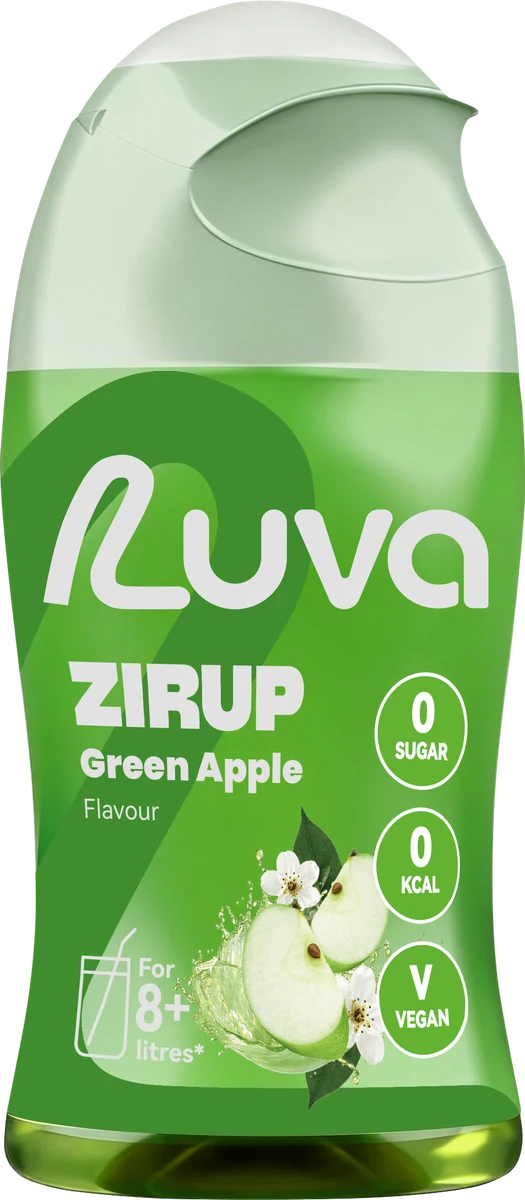
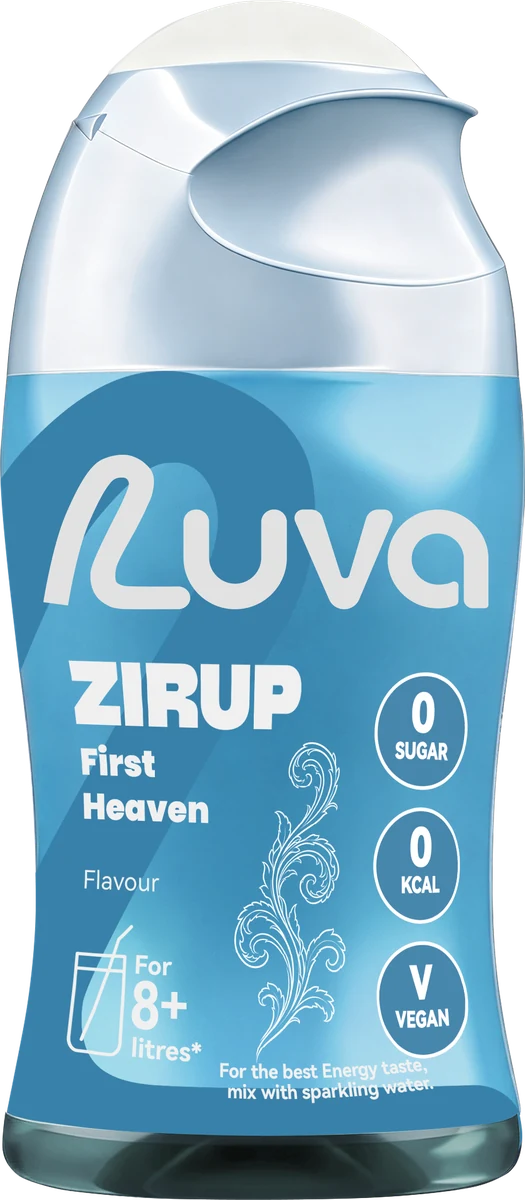
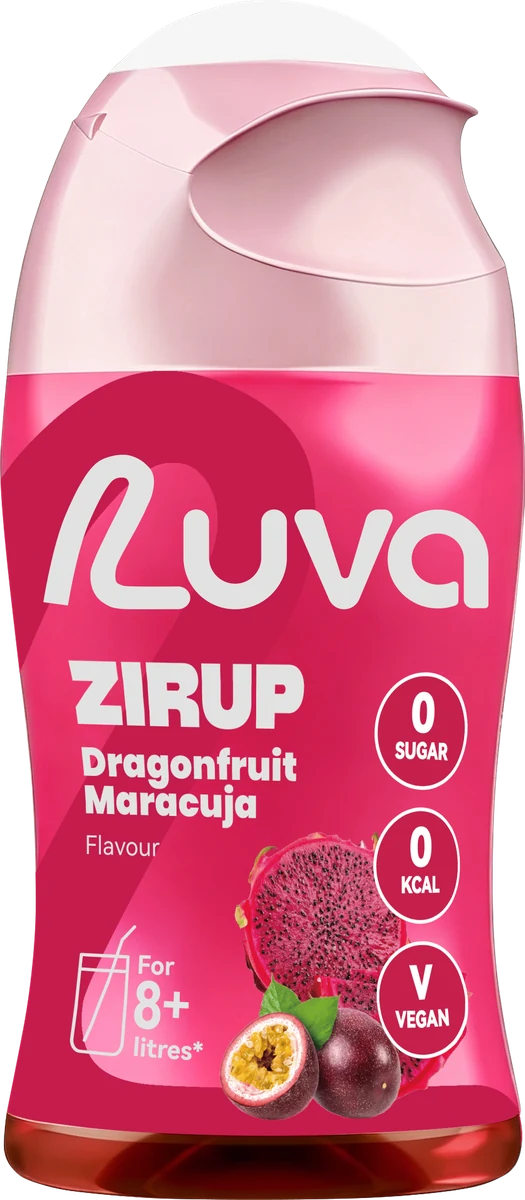
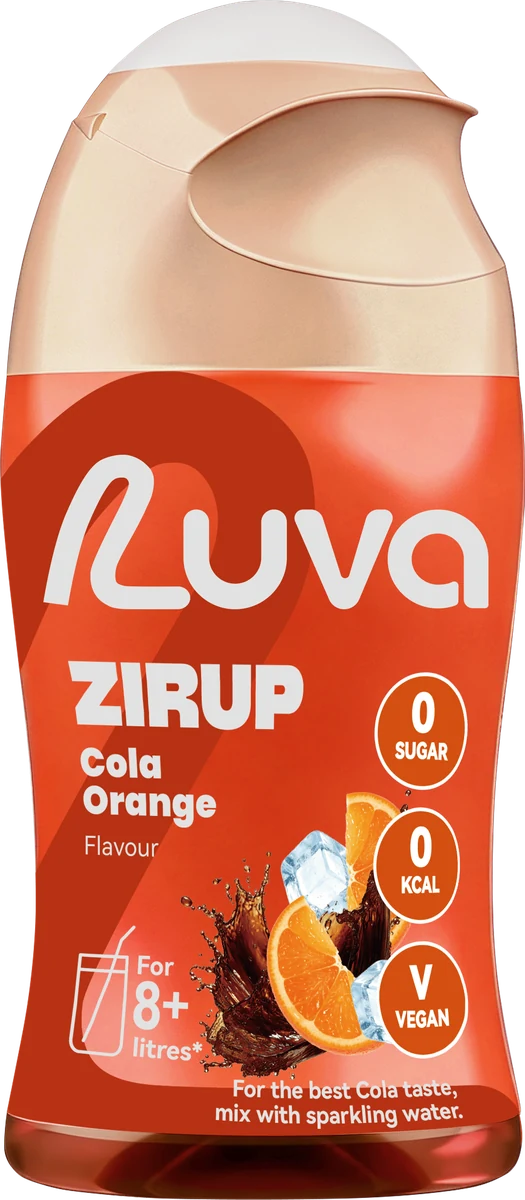
ZERUP by LUVA: 10 sugar-free flavours
Syrup for cold still or sparkling water · 65 ml makes 8+ litres · AED 19, any 3 for AED 49
Is glycerin (E422) safe?
Glycerin is considered safe by EFSA at the amounts used in food. The European Food Safety Authority (EFSA) re-evaluated glycerol (E422) as a food additive in 2017 and concluded that there is no need for a numerical acceptable daily intake (ADI) and no safety concern at the reported uses in food (EFSA Journal 2017;15(3):4720). Glycerin is an approved food additive in the EU and the UK.
That said, very large amounts of glycerin consumed quickly can cause side effects such as headache, thirst, nausea or stomach upset. This is why regulators have looked at products that contain unusually high concentrations. For example, slush ice drinks can contain about 50 grams of glycerol per litre—far more than other foods. In July 2025 the UK Food Standards Agency advised that slush drinks containing glycerol should not be given to children under 7, and children under 10 should have at most one 350 ml slush drink a day, because high amounts in a short time can cause headaches, sickness and, rarely, low blood sugar in young children (FSA, July 2025).
A typical serving of zero syrup uses only a few millilitres of syrup in 500 ml of water, so the amount of glycerin per glass is small—nothing like the amount in a slush drink. For most people, zero syrup is unlikely to cause any stomach or health issues related to glycerin. If you have a sensitive stomach or a medical condition, start with a small amount and see how you feel, and consult your doctor if you have any concerns.
Glycerin vs sugar alcohols (polyols): what is the difference?
You may have seen other zero syrups or sugar-free foods that list sugar alcohols (polyols) such as maltitol, sorbitol, xylitol, erythritol, mannitol or isomalt in the ingredients. These are also used as sweeteners and bulking agents. How do they compare to glycerin?
Chemical family: Glycerin (glycerol) is technically a polyol (a type of alcohol with multiple hydroxyl groups), and EU nutrition labelling counts it as one for energy. The term "sugar alcohols" or "polyols" on a label usually refers to sweetener polyols such as maltitol, sorbitol and erythritol. Glycerol (E422) is not one of the sweetener polyols listed in Annex III of EU Regulation 1169/2011.
Calories: For EU nutrition labels, polyols including glycerol are counted at 2.4 kcal per gram (erythritol at 0). Because zero syrups use only tiny amounts per serving, the calorie difference per glass is negligible.
Sweetness: Polyols range from roughly half as sweet as sugar to about as sweet as sugar, and glycerin is noticeably less sweet than sugar. Products often combine a polyol or glycerin with intense sweeteners (such as sucralose or acesulfame K) to achieve the desired sweetness.
Stomach effects: This is the key difference for many people. Sugar alcohols are not fully absorbed in the small intestine; they pass into the colon, where bacteria ferment them. In large amounts this can cause bloating, gas and a laxative effect (diarrhoea). Under EU law, foods that contain more than 10% added polyols (such as maltitol, sorbitol, mannitol, isomalt, lactitol, xylitol or erythritol) must carry the warning "excessive consumption may produce laxative effects" (EU Regulation 1169/2011 Annex III). Erythritol is generally better tolerated than other polyols because most of it is absorbed before it reaches the colon. Glycerol (E422) is not one of the sweetener polyols that require this warning, and it is largely absorbed in the small intestine.
In practice, a few millilitres of syrup in a glass of water—whether it contains glycerin or a polyol—is unlikely to cause stomach trouble for most people. Problems are more likely if you consume large amounts of a sugar-free product (such as eating a whole pack of sugar-free sweets made with maltitol) in one go.

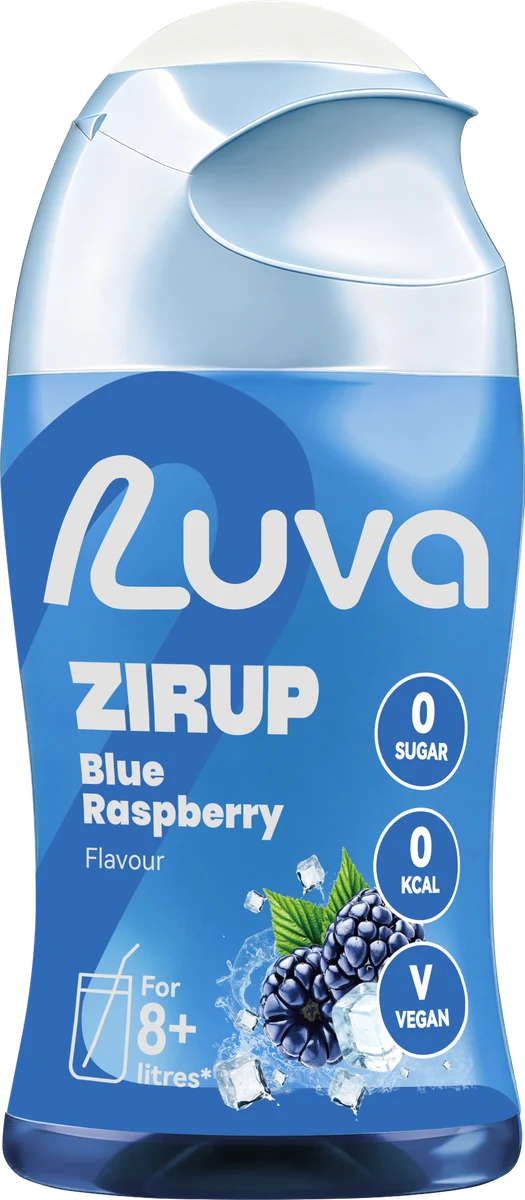
ZERUP Blue Raspberry
Sugar-free syrup for water · 65 ml makes about 16 glasses · halal · AED 19
Does zero syrup cause diarrhoea or stomach upset?
Most people tolerate zero syrups without any stomach issues. Complaints about diarrhoea or stomach upset from zero syrup are rare. In the public reviews of More Nutrition's Zerup that we read in October 2026 (on Amazon.de, Trustpilot and Reddit), we found very few mentions of stomach problems. The only small signal we saw was a handful of digestion comments on one Barista (coffee) syrup page, not the water syrups; overall, stomach complaints were not a common theme.
If you do experience stomach upset, consider these possibilities:
- Amount: Drinking many glasses of zero syrup in a short time, or using much more syrup than recommended, could increase the chance of side effects from any ingredient (glycerin, polyols or sweeteners).
- Sensitivity: Some people are more sensitive to certain sweeteners or to glycerin. If you have irritable bowel syndrome (IBS) or a sensitive stomach, introduce any new food or drink gradually.
- Other ingredients: Zero syrups also contain intense sweeteners (such as sucralose and acesulfame K). While these are considered safe and are not known to cause diarrhoea, individual reactions vary. (Read more in our guide Are sweeteners safe?.)
- Carbonation: If you mix zero syrup with sparkling water, the bubbles themselves can cause bloating or gas in some people, unrelated to the syrup.
If a particular syrup upsets your stomach, try a different brand or flavour (ingredients can vary), use less syrup, or stick to plain or lightly flavoured water. Always check the ingredient list and any warnings on the label.
Is glycerin halal? Is it vegan?
Glycerin can be made from plant oils (such as palm, soy or rapeseed) or from animal fat. The ingredient list on a food product usually just says "glycerin" or "glycerol (E422)" without specifying the source.
- Halal: Plant-derived glycerin is generally considered halal. Animal-derived glycerin may or may not be halal, depending on whether the animal was slaughtered according to Islamic law and the views of the certifying body. If halal certification is important to you, look for a halal logo on the product or contact the manufacturer to ask about the source of the glycerin.
- Vegan: Plant-derived glycerin is vegan; animal-derived glycerin is not. If you follow a vegan diet, check with the brand.
ZERUP by LUVA is halal certified. For More Nutrition's products sold in the UAE, we could not find a halal certification claim on the product information we checked; check the label and ask the seller or brand.
What about ZERUP by LUVA?
ZERUP by LUVA is a sugar-free drink syrup for the UAE market. Every ZERUP product page and bottle shows the full ingredient list and nutrition information, so you can see exactly what is in each flavour. ZERUP is halal certified, contains 0 g sugar and has almost no calories (approximately 2–3 kcal per 100 ml prepared drink). It is sweetened with acesulfame K and sucralose, and it contains no aspartame. All ten ZERUP flavours are caffeine-free.
Ingredients can differ between flavours, so check the ingredient list of the flavour you choose on its product page or bottle. If you have questions about a specific ingredient, contact LUVA Nutrition directly through the website.
ZERUP by LUVA launches on 5 November 2026. One 65 ml bottle costs AED 19, or choose any three flavours for AED 49 (mix and match, saving AED 8). At the recommended mix (about 4 ml per 500 ml of water), one bottle makes over 8 litres—about 16 glasses. That works out to roughly AED 2.40 per litre (single bottle) or about AED 2.04 per litre with the three-for-49 offer. Free delivery across the UAE on orders over AED 200, and delivery within 12 hours in Dubai, Abu Dhabi, Sharjah, Ajman, Umm Al Quwain, Ras Al Khaimah and Fujairah.
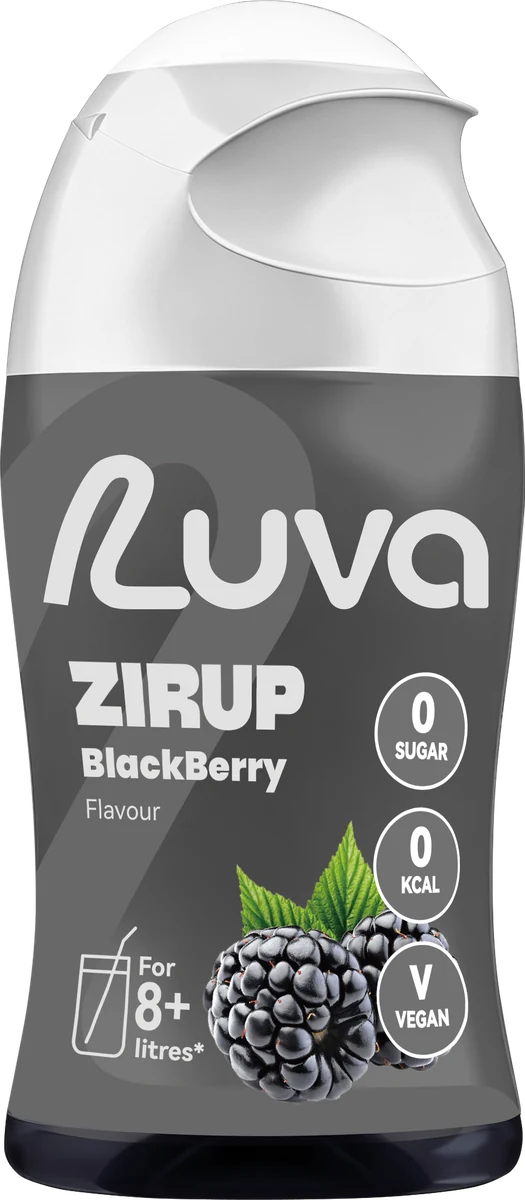
Browse all ten flavours—Peach Iced Tea, Lemon Iced Tea, Mango, Blackberry, Green Apple, Blue Raspberry, Dragonfruit Passionfruit, Orange, Cola Orange and First Heaven—at /collections/zerup. For more on ingredients and calories in other zero syrups, read our guide More Zerup ingredients and calories.
More Nutrition and Zerup are trademarks of their respective owner in Germany and the EU. In the UAE, ZERUP is a registered trademark of LUVA Nutrition. LUVA Nutrition is not affiliated with, endorsed by or a distributor of More Nutrition. Review quotes are from public reviews we read in October 2026, translated where needed, and reflect individual opinions.
The bottom line
Glycerin (glycerol, E422) is a safe, widely used food ingredient that acts as a carrier and adds body to some zero syrups. The European Food Safety Authority found no safety concern at normal food levels, and the small amount in a glass of zero syrup is unlikely to cause any problems for most people. If you have a sensitive stomach or specific dietary requirements (halal, vegan), check the product label and contact the manufacturer if you need details about ingredient sources.
Frequently asked questions
Is glycerin in zero syrup safe?
Yes, glycerin (E422) is considered safe by food safety authorities, including EFSA, at the amounts used in food. Very large amounts can cause headache or stomach upset, but the amount in a typical glass of zero syrup (a few millilitres of syrup in 500 ml of water) is small and unlikely to cause issues for most people.
Is glycerin a sugar?
No, glycerin (glycerol) is not a sugar. It is a type of alcohol (a polyol) that tastes slightly sweet. It is used in foods as a humectant, sweetener and carrier, but it is chemically different from sugars such as sucrose, glucose or fructose.
Does glycerin raise blood sugar?
Glycerol is not completely neutral: the body can convert it into glucose, although the amount in a glass of zero syrup is small. If you have diabetes or need to monitor blood glucose closely, consult your doctor or dietitian before regularly consuming products with glycerin.
Can glycerin upset your stomach?
In normal food amounts, glycerin is well tolerated by most people. Very large amounts consumed quickly (such as in slush ice drinks) can cause nausea, headache or stomach upset, but the small amount in a glass of zero syrup is unlikely to cause problems. If you have a sensitive stomach, start with a small serving.
What is the difference between glycerin and maltitol?
Glycerin (glycerol, E422) is a liquid polyol used as a carrier and humectant; it is largely absorbed in the small intestine. Maltitol is a sugar alcohol (polyol) used as a sweetener and bulking agent; in large amounts it can cause bloating and a laxative effect because it is not fully absorbed in the small intestine.
Is glycerin halal or vegan?
It depends on the source. Glycerin can be made from plant oils (halal and vegan) or from animal fat (not vegan, and halal status depends on slaughter method and certification). The ingredient list usually does not say which. If this matters to you, look for halal or vegan certification on the product or contact the manufacturer.
Should children drink zero syrup with glycerin?
The UK FSA advice on glycerol relates to slush ice drinks (which contain very high amounts) and recommends not giving them to children under 7, and limiting them for children under 10. A glass of zero syrup contains far less glycerin. For children, plain water should be the main drink; if you offer flavoured water, use a lighter mix and ask your paediatrician if you are unsure.
Does zero syrup cause diarrhoea?
For most people, no. Diarrhoea from zero syrup is rare. Some sugar alcohols (polyols such as maltitol or sorbitol) can cause a laxative effect in large amounts, and glycerol is not one of the sweetener polyols that must carry the EU laxative warning. If you experience stomach upset, try using less syrup, a different flavour or brand, or consult a doctor if it persists.
Check every ZERUP ingredient list
Check every ZERUP ingredient list
Sugar-free · Halal · AED 19, any 3 for AED 49 · Delivered within 12 hours across the UAE, free over AED 200
Keep reading
- More Zerup ingredients and calories
- Are sweeteners safe?
- Does zero syrup have 0 calories?
- The WHO sweetener guideline
- All ZERUP flavours
Sources
- European Food Safety Authority (2017). Re-evaluation of glycerol (E 422) as a food additive. EFSA Journal 15(3):4720 www.efsa.europa.eu
- UK Food Standards Agency (2025). Glycerol: advice on consumption of slush ice drinks by children www.gov.uk
- European Union (2011). Regulation (EU) No 1169/2011 on the provision of food information to consumers (Annex III) eur-lex.europa.eu
- Reddit r/FitnessDE. Glycerin in More Nutrition syrup thread www.reddit.com
This article is general information and does not replace advice from a doctor, dietitian or other qualified professional. Last reviewed: October 2026.