
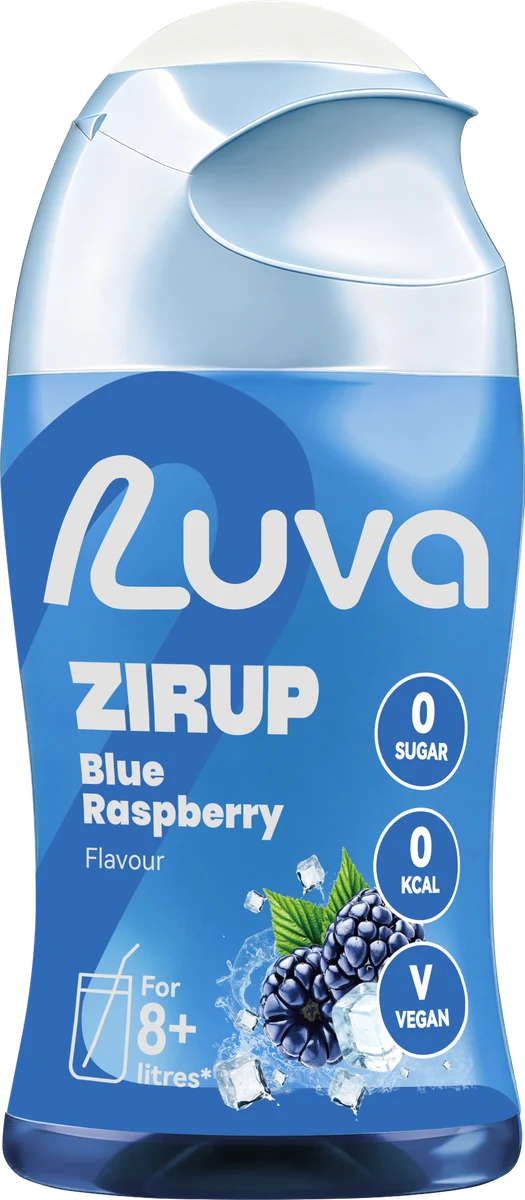
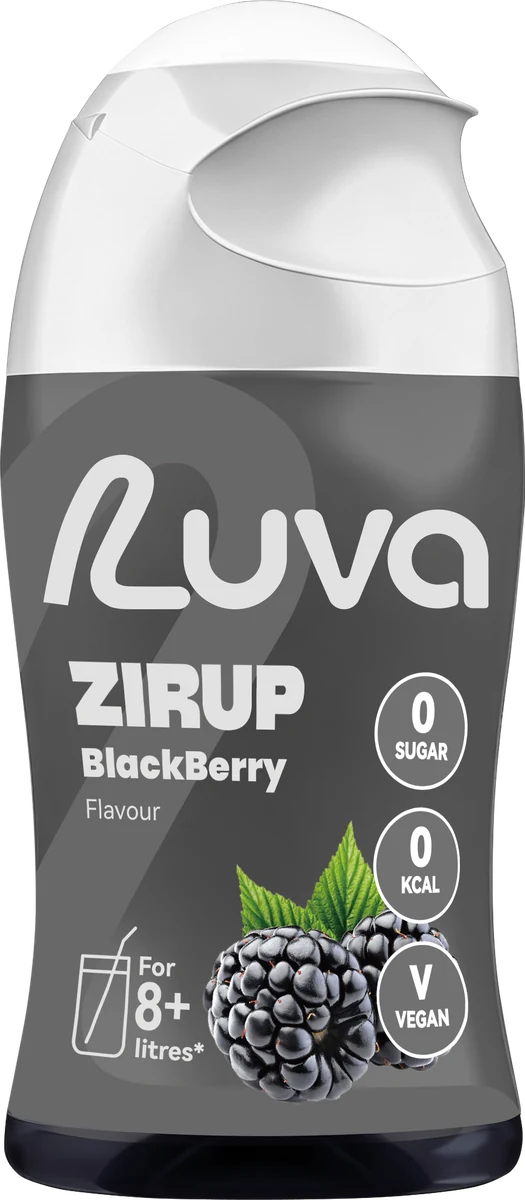




Quick answer: Zero syrups are not literally zero calories—they contain a few kilocalories per glass from the carrier and flavourings—but EU rules allow the claim "energy-free" for drinks with no more than 4 kcal per 100 ml. More Nutrition's Zerup advertises "0% calories" while its nutrition table shows about 1–2 kcal per 100 ml prepared (depending on the flavour). ZERUP by LUVA states "almost no calories, approx. 2–3 kcal per 100 ml prepared drink," which is about 10–15 kcal per 500 ml glass—far less than the roughly 210 kcal and 53 g of sugar in a typical 500 ml cola.
If you have picked up a bottle of zero-sugar drink syrup and seen "0% calories" on the label, you might wonder whether it really means zero. The short answer is that these syrups do contain a small number of calories, but EU labelling law permits an "energy-free" claim when a prepared drink has no more than 4 kcal per 100 ml. In this guide we explain what "0%" on the label actually means, where the few calories come from, how many you get in a glass and whether it matters for your diet, keto plan or fast.
ZERUP by LUVA launches on 5 November 2026.
Does zero syrup really have 0 calories?
No, not literally. Sugar-free drink syrups—whether More Nutrition's Zerup, ZERUP by LUVA or other brands—contain a small amount of energy that comes from the carrier liquid and, to a tiny extent, from flavourings and acids. Because you use only a few millilitres of concentrate per glass, the total calories in the prepared drink are very low—typically 1–3 kcal per 100 ml—but they are not zero.
According to EU Regulation 1924/2006 (the nutrition and health claims regulation), a drink may be labelled "energy-free" if it contains no more than 4 kcal (17 kJ) per 100 ml. This threshold is the background to the "0% calories" wording on the front of More Nutrition's Zerup, while the nutrition table on its product page shows about 1–2 kcal per 100 ml of prepared drink (the exact figure varies by flavour), according to More Nutrition's German website, checked October 2026. On our website we describe ZERUP by LUVA as having "almost no calories", approx. 2–3 kcal per 100 ml prepared drink.
For context, 2–3 kcal per 100 ml is a tiny amount compared with sugary drinks.
Where do the few calories in zero syrup come from?
The tiny energy content comes mainly from the carrier liquid. Many zero syrups use a carrier to dissolve the flavourings and sweeteners. Under EU labelling rules (Regulation 1169/2011), carriers such as glycerol are counted as polyols at 2.4 kcal per gram. Because you use only about 4 ml of syrup per 500 ml of water—and the syrup itself is mostly water and carrier—the total calories per glass remain very low.
Flavourings, acids (such as citric acid) and preservatives also contribute trace amounts of energy, but these are minimal. The intense sweeteners themselves—acesulfame K and sucralose in ZERUP by LUVA and many other zero syrups—provide effectively no calories because they are used in such tiny quantities (a few milligrams per litre of prepared drink).
The principle is the same: a small amount of carrier plus flavourings and acids equals a few kilocalories per glass, not zero, but far fewer than any sugar-sweetened drink. Check the ingredient list on each bottle for the full details.

How many calories in a glass of zero syrup?
Let's do the maths for a typical 500 ml glass. ZERUP by LUVA contains approximately 2–3 kcal per 100 ml of prepared drink, so a 500 ml glass has about 10–15 kcal. More Nutrition's Zerup nutrition table (checked on its German product page in October 2026) shows about 1 kcal per 100 ml for Lemon Iced Tea, which would be about 5 kcal per 500 ml glass; other More flavours may be slightly higher (the label says "about" 1–2 kcal per 100 ml depending on the flavour), according to More Nutrition's German website, checked October 2026.
Compare that to a typical regular cola: about 42 kcal and 10.6 g of sugar per 100 ml, or roughly 210 kcal and 53 g of sugar in a 500 ml glass. Even if you drank a litre of zero syrup (two large glasses), you would get about 20–30 kcal from ZERUP by LUVA or about 10–20 kcal from More Zerup—less than a single teaspoon of sugar (which has about 16 kcal). For most people that difference is not worth worrying about.
If you are curious about the sugar content of other drinks, our guide to sugar in drinks in teaspoons puts the numbers in perspective.
What if I drink the whole bottle of concentrate?
Please don't. The concentrate is designed to be diluted—one 65 ml bottle of ZERUP by LUVA makes about 8 litres (roughly sixteen 500 ml glasses) at the recommended mix of about 4 ml per 500 ml. If you were to drink 65 ml of neat syrup (which would taste unpleasantly intense and very sweet), you would get the total calories from that 65 ml of liquid carrier and flavourings—but that is not how the product is meant to be used.
Spread over 8 litres of water, those few calories become negligible: about 10–15 kcal per glass, as we showed above. The point of a drink syrup is to add flavour to water without adding the sugar and calories of juice or soft drinks, and it does that job well.
Why can a label say "0%" if there are calories?
Because the law sets a threshold, not an absolute zero. EU Regulation 1924/2006 allows the claim "energy-free" only for drinks that contain no more than 4 kcal per 100 ml; that threshold is the background to front-of-pack wording such as "0% calories". The same regulation allows "sugar-free" for drinks with no more than 0.5 g of sugar per 100 ml. These thresholds recognise that many foods and drinks contain trace amounts of energy or nutrients that are too small to matter in practice, and that rounding to zero on a label would be misleading if it implied absolute purity that no real food can achieve.
Whatever the front of a bottle says, the nutrition table gives you the precise figure per 100 ml. The underlying fact is the same for all of these syrups: they add a very small amount of energy to your water.

ZERUP by LUVA: 10 sugar-free flavours
Syrup for cold still or sparkling water · 65 ml makes 8+ litres · AED 19, any 3 for AED 49
Does zero syrup contain carbs, and is it keto-friendly?
Zero syrups contain a very small amount of carbohydrate—mainly from the carrier and any acids—but the amount per glass is typically well under 1 g. More Nutrition's Zerup nutrition table (Lemon Iced Tea, checked October 2026) shows 0 g of carbohydrates per 100 ml prepared drink (rounded under labelling rules), according to More Nutrition's German website, checked October 2026. ZERUP by LUVA's nutrition information is on every bottle and product page; check the label for the exact carbohydrate figure.
For a ketogenic diet, which typically limits net carbs to about 20–50 g per day, a very small amount of carbohydrate per glass of zero syrup is unlikely to matter for most low-carb plans. Many people on keto use sugar-free syrups to make plain water more enjoyable and to replace higher-carb drinks such as juice or regular soft drinks. Our guide to keto drinks covers this in more detail, including tips for electrolytes and hydration in the UAE heat.
One note: some zero syrups may use a carrier that is technically a sugar alcohol (polyol), which some keto trackers count as a carb and others subtract as a "net carb." The amount per glass is so small that it rarely matters in practice. If you are tracking macros very strictly, check the nutrition table on your specific syrup and log the value shown.
Is zero syrup OK if I'm fasting?
That depends on the type of fast and your personal rules. A 500 ml glass of ZERUP by LUVA contains roughly 10–15 kcal, which is enough to break a strict water-only fast (such as some interpretations of intermittent fasting or religious fasts). Some people who practise time-restricted eating are more relaxed about very low-calorie drinks during the fasting window; it depends on the approach you follow.
For Ramadan, during the fasting hours from dawn to sunset nothing is eaten or drunk. Zero syrup is only appropriate between iftar (the evening meal) and suhoor (the pre-dawn meal)—it belongs to the time when you may eat and drink. Our guide does sugar-free syrup break a fast? explores the different fasting contexts in detail, and our Ramadan hydration and iftar drinks guide offers tips for rehydrating after sunset.
If in doubt, follow the guidance of your doctor, nutritionist or religious authority.
Does it matter for weight management?
Replacing a 500 ml regular cola (about 210 kcal and 53 g of sugar) with a 500 ml glass of zero syrup (about 10–15 kcal and 0 g of sugar) saves you roughly 195–200 kcal and all the sugar. If you drink two or three such glasses a day instead of sugary soft drinks, the calorie saving over a week is substantial—without any effort or feeling of deprivation.
We do not make weight-loss claims (ZERUP by LUVA is a drink syrup, not a slimming product). The more important point is that zero syrups help you drink more water, which is essential in the UAE heat. Our guide how to drink more water explains why hydration matters and how flavour can help.
One caution: research on non-sugar sweeteners and weight is mixed. The WHO published a guideline in 2023 with a conditional recommendation not to use non-sugar sweeteners for weight control, based on observational studies that found no consistent long-term benefit and some association with higher body weight in certain populations. That guideline is not a safety warning (the sweeteners remain approved). For a deeper look at the evidence and what it means, see our guide are sweeteners safe?
The bottom line: if zero syrup helps you cut out sugary drinks and stay hydrated, the tiny calorie content is not something to worry about.
Do people complain about the "0%" wording?
In the reviews and forums we read in October 2026—including German Amazon reviews, Trustpilot, Reddit and Gutefrage—we did not find people complaining that More Nutrition's "0% calories" wording is misleading. The nutrition table shows the actual value (about 1–2 kcal per 100 ml prepared, depending on the flavour), according to More Nutrition's German website, checked October 2026.
The most common criticisms of More Zerup in the reviews we read were about price (the 65 ml bottle costs around €6–7 in Germany; listings we saw on Amazon.ae in October 2026 ranged from about AED 33 (Amazon.ae) to about AED 62 (Amazon.ae) per bottle, depending on the flavour and seller; prices change), artificial taste or soapy aftertaste in some flavours (especially elderflower, pink grapefruit and lemon iced tea), excessive sweetness and limited availability of popular flavours. One Reddit user in r/FitnessDE wrote, "6 euros is too much for 65 ml; I feel I mainly pay for the marketing" (Reddit) , and a Trustpilot reviewer (Sebastian, 9 October 2026) complained, "all the good Zerup flavours are constantly sold out or no longer available" (Trustpilot) . Calories, however, were not a point of contention.
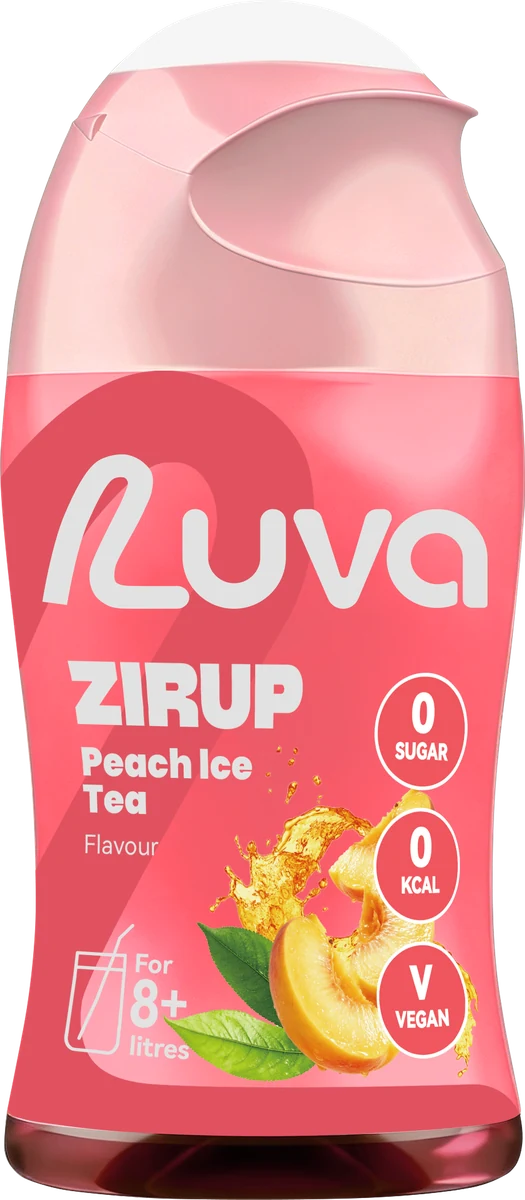
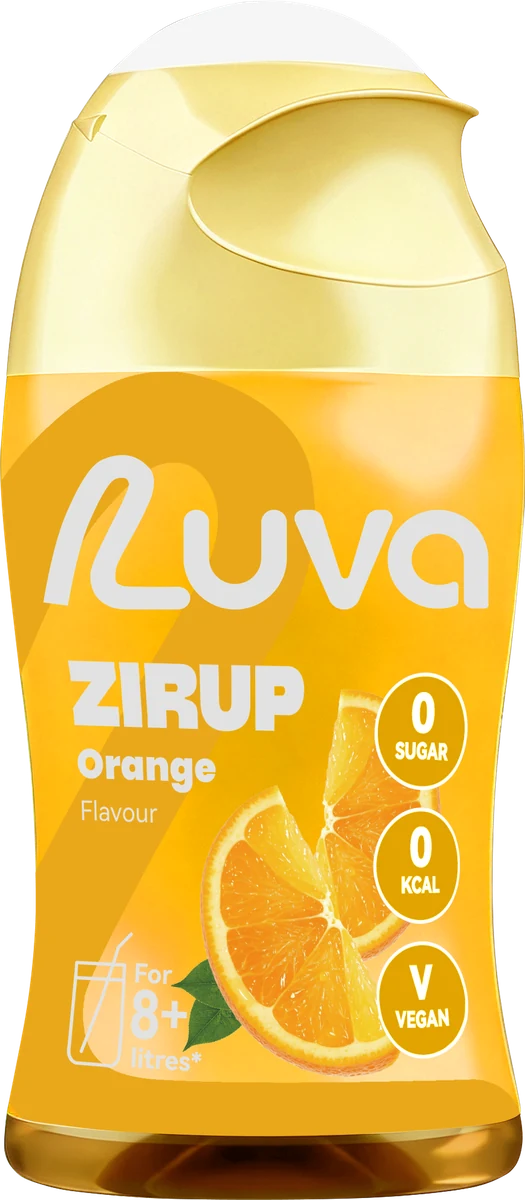
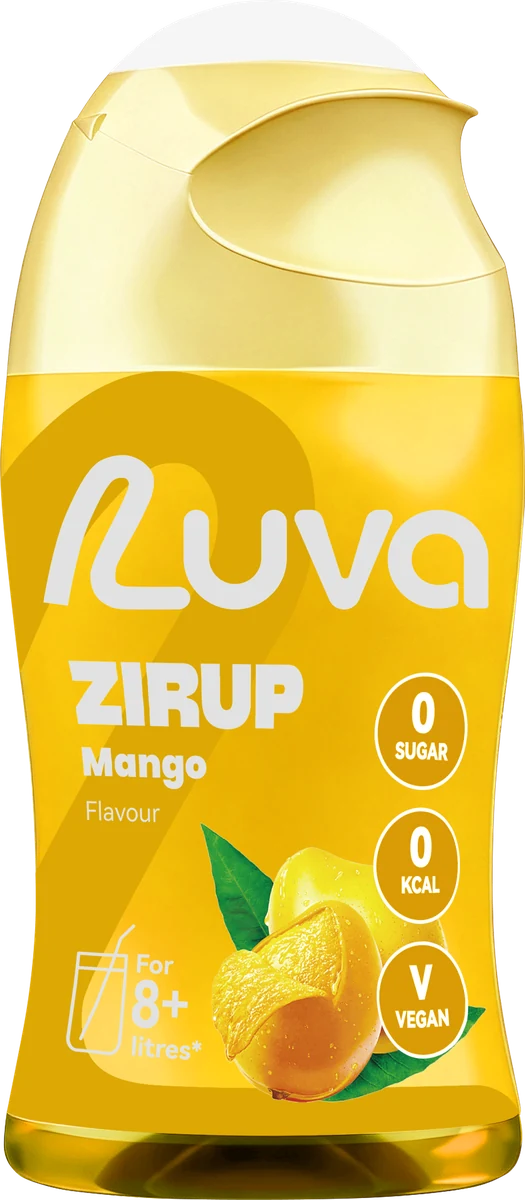
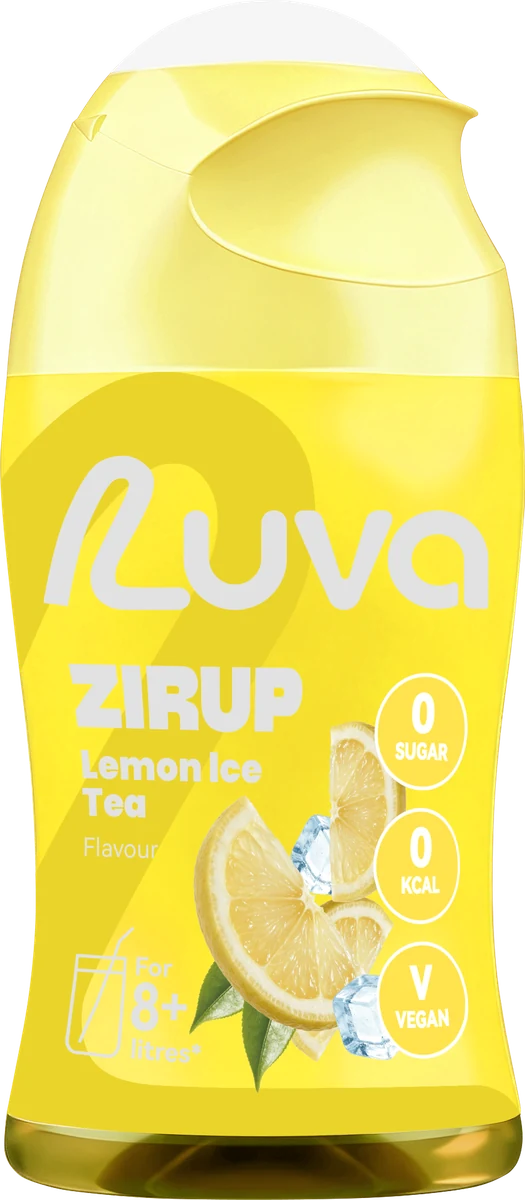
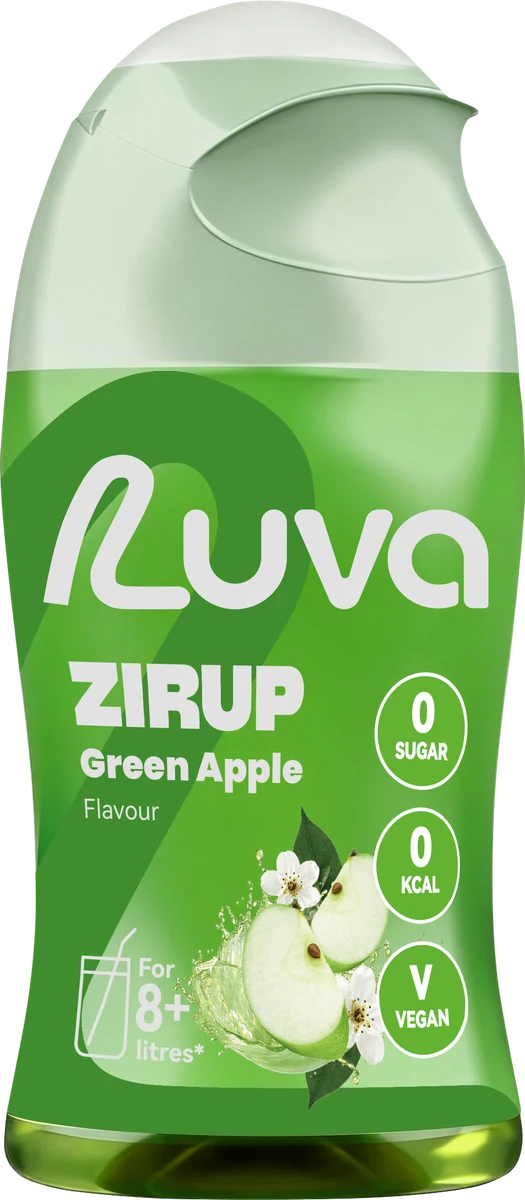
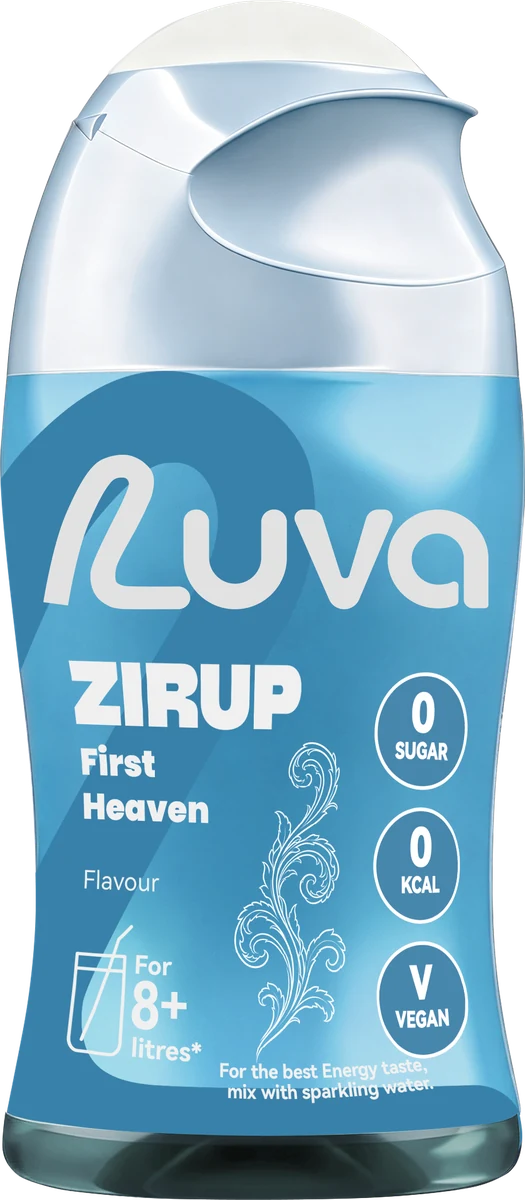
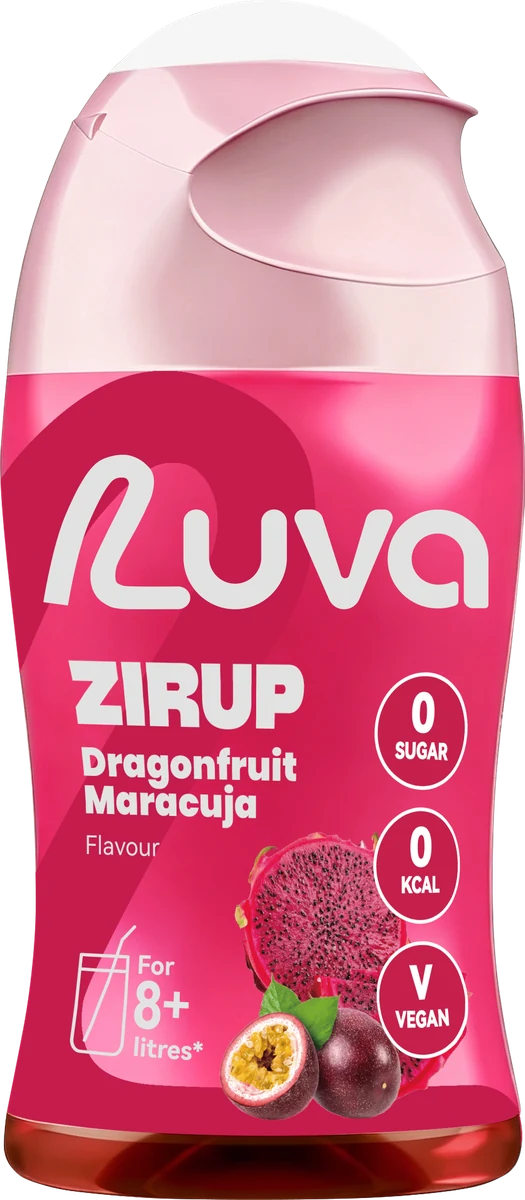
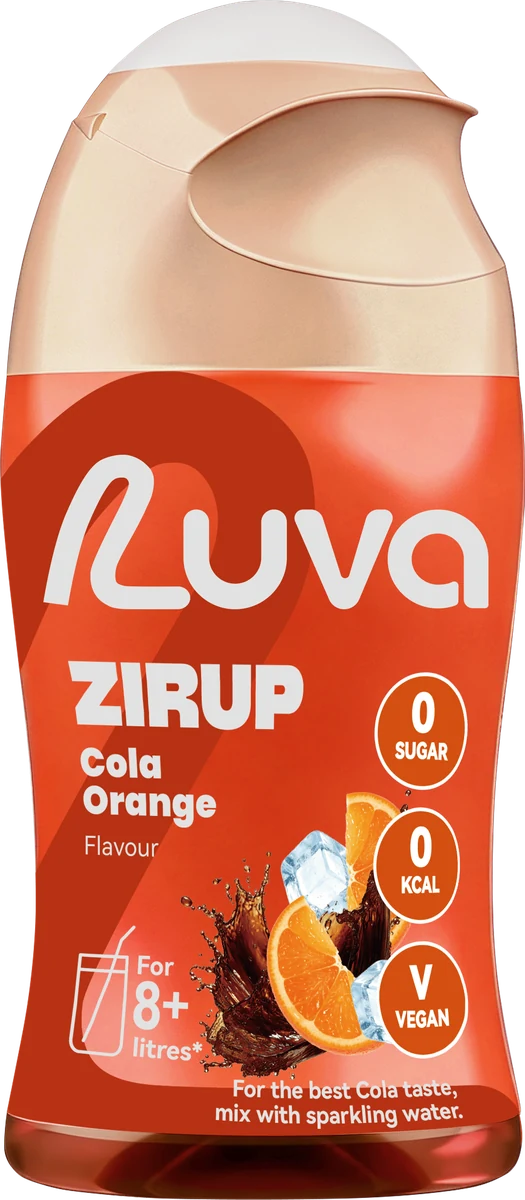
ZERUP by LUVA: almost no calories (approx. 2–3 kcal per 100 ml prepared drink), AED 19 per 65 ml bottle (any three flavours for AED 49, about AED 2.04 per litre), delivery within 12 hours anywhere in the UAE and ten core flavours rather than limited editions. You can explore the full range and read the nutrition information for each flavour at ZERUP by LUVA.
More Nutrition and Zerup are trademarks of their respective owner in Germany and the EU. In the UAE, ZERUP is a registered trademark of LUVA Nutrition. LUVA Nutrition is not affiliated with, endorsed by or a distributor of More Nutrition. Review quotes are from public reviews we read in October 2026, translated where needed, and reflect individual opinions.
The bottom line
Zero-sugar drink syrups are not literally zero calories—they contain a few kilocalories per glass from the carrier and flavourings—but the amount is negligible (roughly 10–15 kcal per 500 ml glass for ZERUP by LUVA, about 5–10 kcal for More Zerup, compared to about 210 kcal in a regular cola). EU rules allow the claim "energy-free" for drinks with no more than 4 kcal per 100 ml, which explains the "0%" wording you see on some bottles. For hydration, keto, general health or simply enjoying flavoured water without sugar, the tiny calorie content of zero syrup is nothing to worry about—what matters is that it helps you drink more water and cut out the sugar and calories of soft drinks and juice.
Frequently asked questions
Is More Zerup really 0 calories?
Not literally—More Nutrition's Zerup contains about 1–2 kcal per 100 ml of prepared drink (depending on the flavour), according to its German product page, checked October 2026. EU rules allow the claim "energy-free" for drinks with no more than 4 kcal per 100 ml. A 500 ml glass of More Zerup has roughly 5–10 kcal, which is negligible compared to sugary drinks.
How many calories in a glass of zero syrup?
A 500 ml glass of ZERUP by LUVA (at the recommended mix of about 4 ml syrup per 500 ml water) contains approximately 10–15 kcal. More Nutrition's Zerup has about 5–10 kcal per 500 ml glass, depending on the flavour. Both are far lower than the roughly 210 kcal and 53 g of sugar in a typical 500 ml regular cola.
Why can a label say "0%" if there are calories?
EU Regulation 1924/2006 allows the claim "energy-free" for drinks that contain no more than 4 kcal per 100 ml, which is the background to front-of-pack wording like "0%". This threshold recognises that trace amounts of energy in real foods are too small to matter in practice. The nutrition table on the back of the bottle shows the actual value (usually 1–3 kcal per 100 ml for zero syrups).
Does zero syrup contain carbs?
Yes, but only a trace amount—typically well under 1 g per 100 ml of prepared drink, mainly from the carrier liquid and acids. Many zero syrups round this to 0 g on the label under rounding rules. The carbohydrate content per glass is very small; check the label if you count carbs closely.
Is zero syrup keto-friendly?
For most people, yes. The calorie content per glass is very low (about 10–15 kcal for ZERUP by LUVA) and the carbohydrate amount is small compared with a ketogenic limit of typically 20–50 g of net carbs per day. Many people on keto use sugar-free syrups to make water more enjoyable and to replace higher-carb drinks. Check the nutrition label on your specific syrup if you track macros strictly.
How many calories does ZERUP by LUVA have?
ZERUP by LUVA contains approximately 2–3 kcal per 100 ml of prepared drink (at the recommended mix of about 4 ml syrup per 500 ml water), which is about 10–15 kcal per 500 ml glass. The full nutrition information is on each bottle and on the product pages.
Will the few calories in zero syrup affect my diet or fast?
For most people, 10–15 kcal per glass is a very small amount. For fasting, it depends: a strict water-only fast would be broken by even a few calories, and for intermittent fasting it depends on the approach you follow. For Ramadan, zero syrup is only appropriate between iftar and suhoor, not during daylight fasting hours. Check our guide "Does sugar-free syrup break a fast?" for details.
Where do the calories in zero syrup come from?
Mainly from the carrier liquid used to dissolve the flavourings and sweeteners, plus trace amounts from flavourings, acids and preservatives. The intense sweeteners themselves (acesulfame K and sucralose in ZERUP by LUVA and many other zero syrups) provide effectively no calories because they are used in such tiny quantities. Because you use only a few millilitres of concentrate per glass, the total energy remains very low.
Sugar-free ZERUP flavours
Sugar-free · Halal · AED 19, any 3 for AED 49 · Delivered within 12 hours across the UAE, free over AED 200
Keep reading
- More Zerup ingredients and calories
- Sugar in drinks in teaspoons
- Keto drinks
- Does sugar-free syrup break a fast?
- Zero syrup dosing table
Sources
- European Union (2006). Regulation (EC) No 1924/2006 on nutrition and health claims made on foods (Annex: nutrition claims). eur-lex.europa.eu
- European Union (2011). Regulation (EU) No 1169/2011 on the provision of food information to consumers (Annex XIV: conversion factors for energy). eur-lex.europa.eu
- World Health Organization (2023). Use of non-sugar sweeteners: WHO guideline. www.who.int
- More Nutrition. Zerup product page (Lemon Iced Tea, checked October 2026). morenutrition.de
- Reddit r/FitnessDE. Zerup-Alternativen thread (price discussion). www.reddit.com
- Trustpilot. More Nutrition reviews (availability and flavour feedback, checked October 2026). de.trustpilot.com
This article is general information and does not replace advice from a doctor, dietitian or other qualified professional. Last reviewed: October 2026.