




Quick answer: Many creatine gummies contain several grams of sugar per serving because they use glucose syrup or sugar as the base—if you take 3-5 gummies daily to reach the recommended creatine dose, that can add up to 6-10 g of sugar every day. Sugar-free creatine gummies replace sugar with sweeteners, polyols or fibres, so you get your 3-5 g of creatine monohydrate without the extra sugar. LUVA Creatine Gummies deliver 5 g of creatine in just 2 gummies with 0 g sugar and no added sugar, halal certified and available across the UAE.
Creatine gummies have become a popular alternative to powder, especially for people who travel, work out on the go or simply prefer a ready-to-eat supplement. But not all gummies are created equal when it comes to sugar content. If you're taking creatine every day—and you should, for consistent results—the sugar in your gummies can quietly add up over weeks and months, affecting your teeth, your macros and your overall nutrition goals.
Why sugar content matters in creatine gummies
Creatine monohydrate is a white, flavourless powder. To turn it into a tasty, chewy gummy, manufacturers need a base—usually a syrup or gel that holds the creatine, gives the gummy its texture and makes it sweet enough to enjoy. Many brands use glucose syrup, sugar or a combination of both as that base.
Here's where the maths matters. Research shows that the effective daily dose of creatine is about 3-5 g for most adults. If a single gummy contains 1 g of creatine and about 2 g of sugar (a typical example for illustrative purposes, not a specific brand), you would need to eat 3-5 gummies to reach your daily creatine target. That means 6-10 g of sugar every single day—about 1.5 to 2.5 teaspoons—just from your creatine supplement.
Over a month, that's 180-300 g of sugar from gummies alone. For context, the World Health Organization recommends limiting free sugars to less than 10% of total energy intake, ideally below 5%, which for many adults means no more than about 25-50 g of added sugar per day from all sources. A sugary creatine gummy habit can take up a significant chunk of that budget before you've even had breakfast.

Sugar-free creatine gummies: what does it mean?
The term "sugar-free" has a specific regulatory meaning in many countries, including the EU (whose definitions are often used as a reference in the UAE). A product labelled sugar-free must contain no more than 0.5 g of sugars per 100 g. That's not quite zero, but it's close enough that a typical serving contributes almost no sugar to your diet.
"No added sugar" is a separate claim. It means the manufacturer has not added any mono- or disaccharides (table sugar, glucose, fructose) or any other ingredient used for its sweetening properties, such as honey or fruit juice concentrate. A product can be labelled "no added sugar" and still contain natural sugars from its ingredients—for example, a fruit gummy might have natural fruit sugars even if no sugar was added during production.
Sugar-free gummies achieve their sweetness by replacing sugar with sweeteners (such as sucralose, acesulfame K or stevia), sugar alcohols (polyols such as erythritol or xylitol) or a combination of both. The gelling agent—usually pectin or gelatine—provides the chewy texture without adding sugar. Always check the ingredients list and the nutrition panel to see exactly what's in your gummies.
Why choose sugar-free creatine gummies?
Daily habit, long-term impact
Creatine works best when taken consistently every day, not just on training days. If you're committed to a daily supplement, you're looking at 365 servings a year. Even a few grams of sugar per serving can add up to kilograms of sugar over a year—sugar you might prefer to spend on foods you actually enjoy, rather than a supplement.
Dental health
Frequent exposure to sugar, especially in chewy or sticky forms that cling to teeth, is a well-known risk factor for tooth decay. If you take your creatine gummies at the same time every day—say, after breakfast or before the gym—you're giving oral bacteria a regular sugar supply. Sugar-free gummies remove that risk.
Cutting sugar for health or weight goals
Many people in the UAE are actively reducing their sugar intake, whether to support their overall health or simply to feel better. If you've already cut soft drinks, sweets and desserts, it makes little sense to reintroduce several grams of sugar through a supplement. Sugar-free creatine gummies let you support your training without compromising your nutrition goals.
Keto and low-carb diets
People following a ketogenic or low-carbohydrate diet typically aim to keep total carbohydrates below 20-50 g per day. A serving of sugary gummies can contain 6-10 g of carbohydrates from sugar alone, which is a significant portion of that daily limit. Sugar-free gummies—especially those sweetened with non-nutritive sweeteners rather than polyols—contribute almost no net carbs, making them a much better fit for keto macros. (Always check the nutrition label: some sugar-free gummies use polyols, which contribute fewer calories than sugar but are still counted as carbohydrates in some countries.)

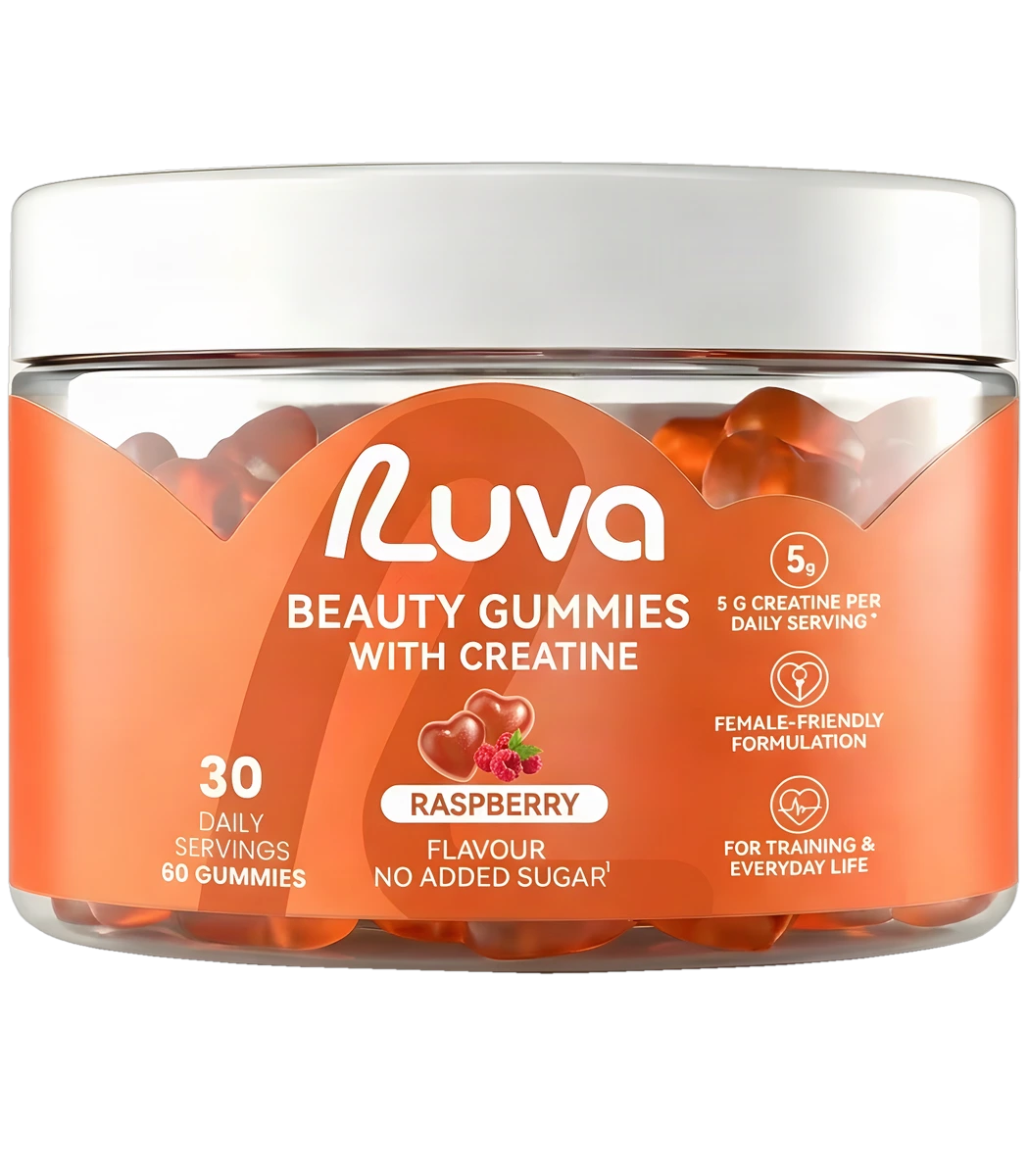
LUVA Creatine Gummies: Raspberry
5 g creatine per 2 gummies · 60 gummies, 30 servings · 0 g sugar · halal · AED 199
Diabetes and blood glucose
People with diabetes need to manage their carbohydrate and sugar intake carefully. While creatine itself does not raise blood glucose, the sugar in gummies does. If you have diabetes or prediabetes, sugar-free creatine gummies may be a more suitable choice—but always discuss any new supplement with your doctor first, especially if you take medication.
LUVA Creatine Gummies: 0 g sugar, 5 g creatine
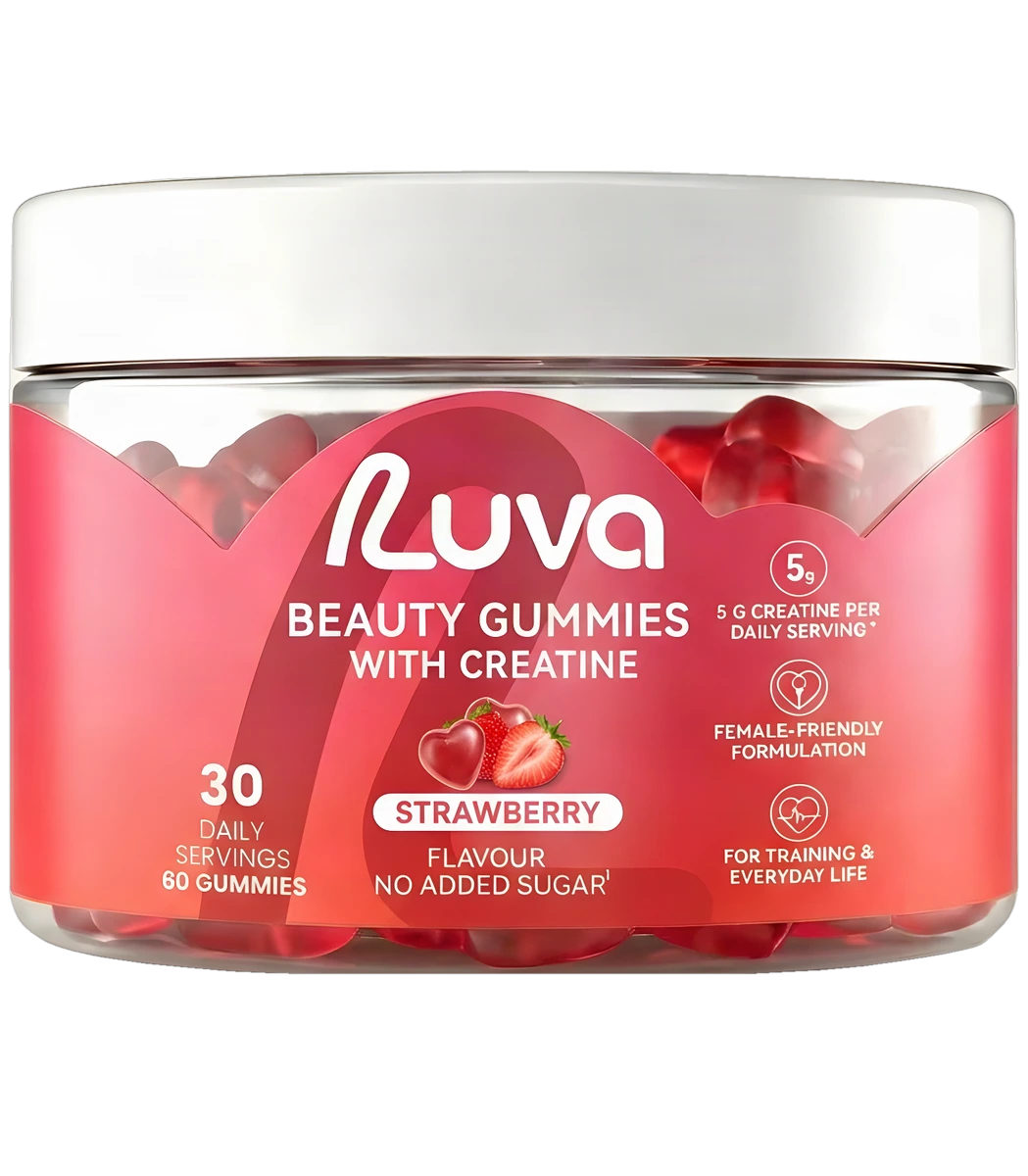
LUVA Creatine Gummies are formulated specifically for people who want the convenience of gummies without the sugar. Each heart-shaped gummy contains creatine monohydrate plus keratin, biotin and zinc. One daily serving is 2 gummies, which deliver exactly 5 g of creatine monohydrate—the dose supported by decades of research—with 0 g sugar and no added sugar.
The gummies are halal certified and come in two flavours: Raspberry (orange tin) and Strawberry (pink tin). Each tin contains 60 gummies, which is 30 daily servings (one month). They're priced at AED 199 per tin, or about AED 6.63 per day, with two- and three-month supplies available and an Autoship option from AED 159 per month. You can find them in the creatine gummies collection or try both flavours in the LUVA Starter Bundle, which also includes all 10 ZERUP flavours at a 35% discount (AED 382.20 instead of AED 588).
LUVA gummies are a food supplement for adults. They are not suitable for anyone under 18, and if you are pregnant, breastfeeding, have a medical condition or take medication, check with your doctor before use. Do not exceed the daily serving of 2 gummies. Store the tin closed at room temperature, and never leave it in a parked car.

How to read a creatine gummy label
When you're comparing creatine gummies—whether in a shop, online or on a marketplace—here's what to look for on the label and product page.
Creatine content per serving
Check how much creatine monohydrate you get in one serving, and how many gummies that serving is. Some products require 4-6 gummies to reach 5 g of creatine, which can be inconvenient and may increase the sugar or calorie load. LUVA gives you 5 g in just 2 gummies.
Sugars and carbohydrates
Look at the nutrition table. The "sugars" line tells you how many grams of sugar are in one serving. If it says 0 g or less than 0.5 g, the product is effectively sugar-free. Also check "carbohydrates": some sugar-free gummies use polyols, which are listed under carbohydrates but contribute fewer calories than sugar. If you're on a strict keto diet, you may want to subtract polyols (often called "net carbs" in some countries) or choose gummies sweetened with non-nutritive sweeteners instead.
Sweeteners
The ingredients list will name the sweeteners used. Common ones include sucralose, acesulfame K, stevia, erythritol and xylitol. Some people find that large amounts of certain polyols (sugar alcohols) can cause digestive discomfort, but a typical 2-gummy serving is unlikely to cause issues for most people. LUVA Creatine Gummies list their sweetener on the label; see the label for details.
Gelling agent and halal status
Gummies are held together by a gelling agent—usually gelatine (from animal sources) or pectin (plant-based). If halal certification is important to you, check for a halal logo or statement. LUVA Creatine Gummies are halal certified. The full ingredient list is on the tin and the product page.
Storage and shelf life
Gummies can melt or stick together in heat. Most labels will say to store in a cool, dry place. In the UAE, that means keeping the tin closed at room temperature indoors, never in a car or direct sunlight. LUVA gummies stay fresh for months when stored properly; the best-before date is printed on the tin.
Sugar-free vs regular gummies: a quick comparison
|---------|-----------------------------------|----------------------------------------|
| Feature | Sugary creatine gummies (example) | Sugar-free creatine gummies (e.g. LUVA) |
|---|---|---|
| Creatine per serving | 3-5 g (often 3-5 gummies) | 5 g (2 gummies) |
| Sugar per serving | 6-10 g | 0 g |
| Suitable for keto | No (high carbs) | Yes (check label for polyols) |
| Dental impact | Higher risk | Minimal |
| Halal | Check product | LUVA: yes, halal certified |
| Monthly sugar from gummies | ~180-300 g | ~0 g |

LUVA Creatine Gummies: Strawberry
5 g creatine per 2 gummies · 60 gummies, 30 servings · 0 g sugar · halal · AED 199
Other ways to cut sugar while taking creatine
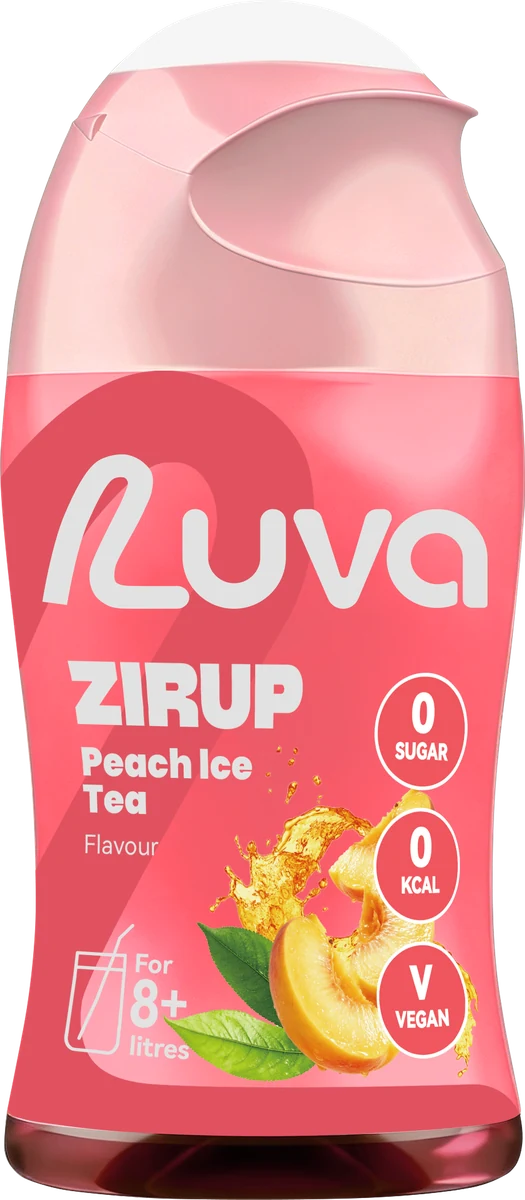
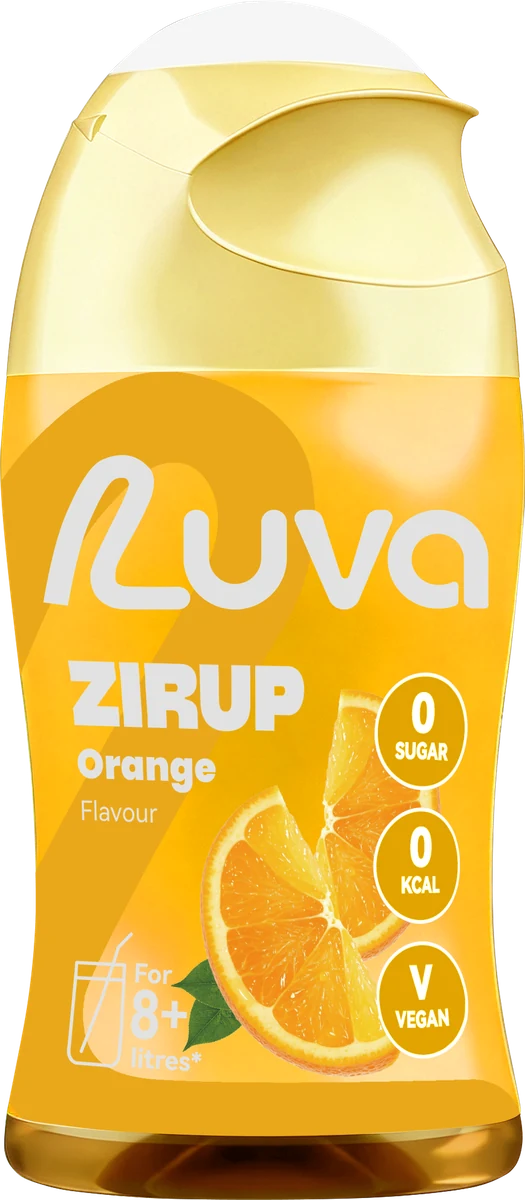
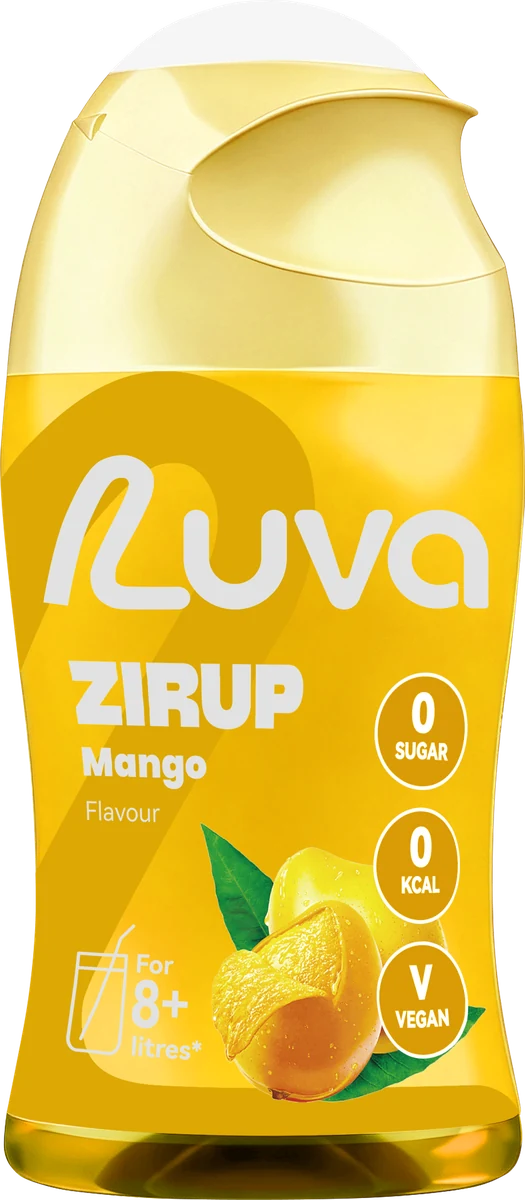
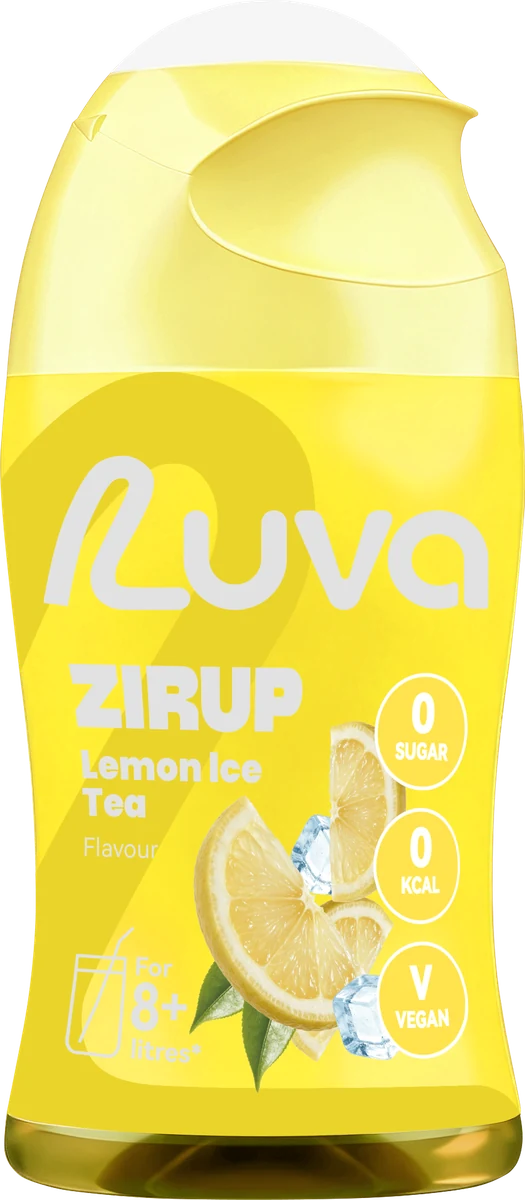
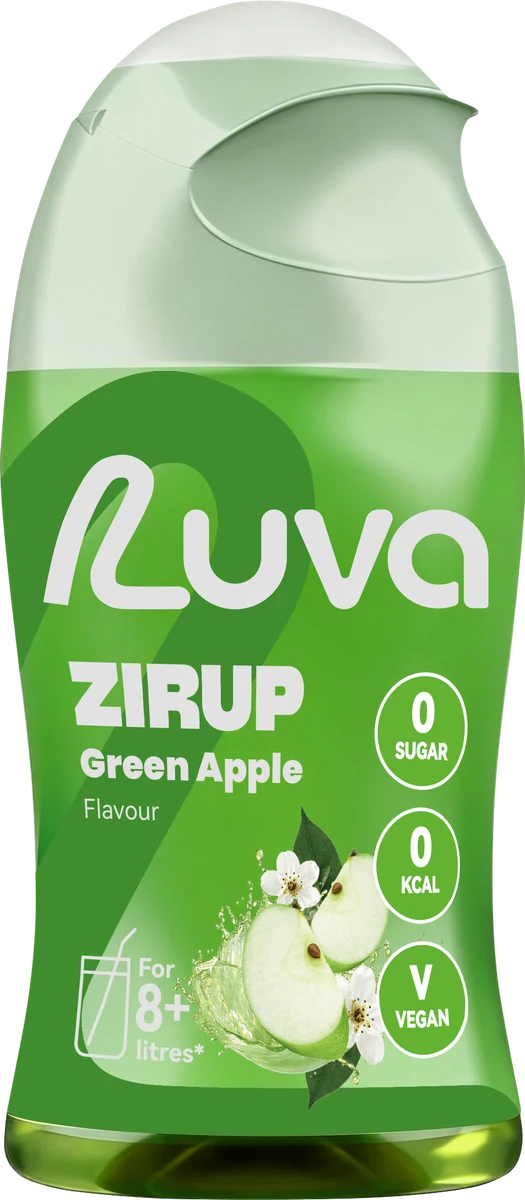
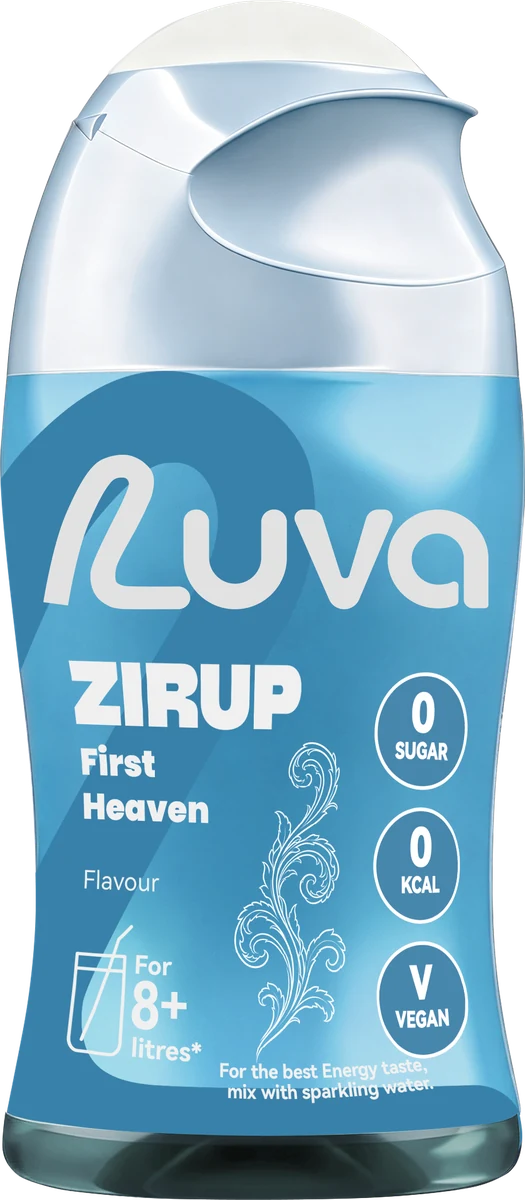
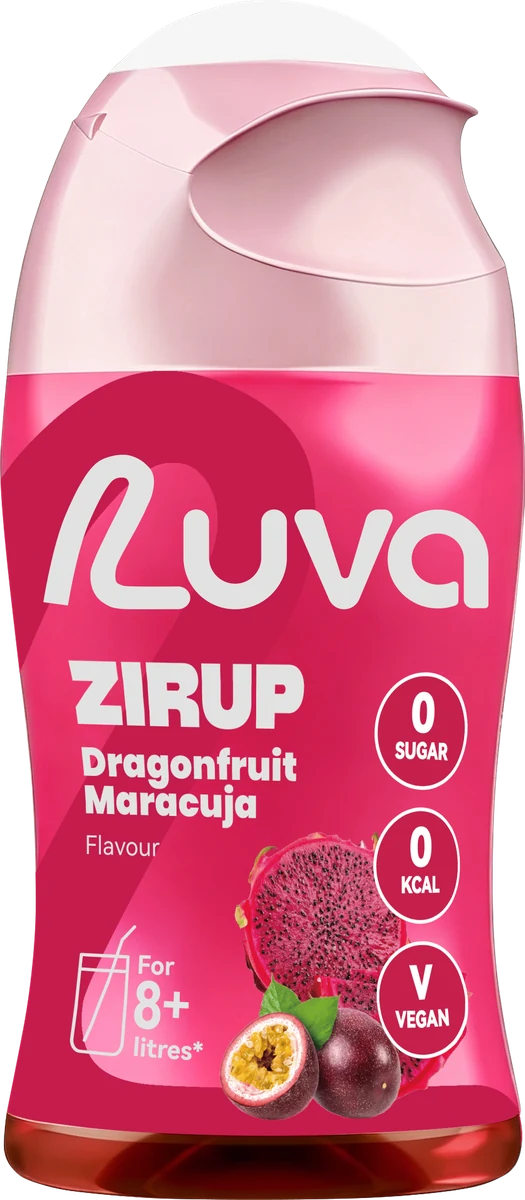
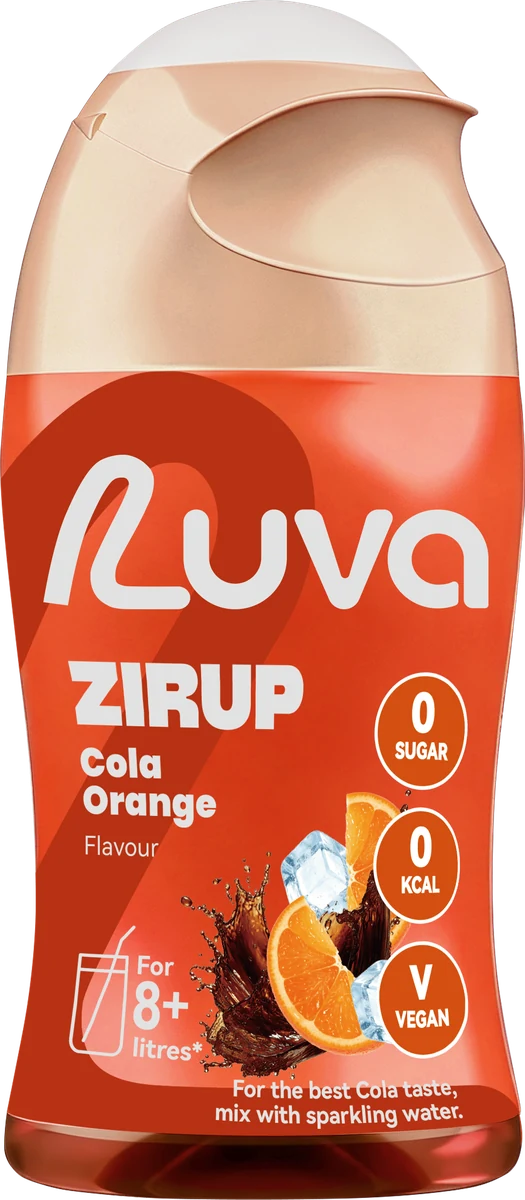
If you prefer creatine powder, you can mix it with water or a sugar-free drink. ZERUP by LUVA is a sugar-free drink syrup with almost no calories (approx. 2-3 kcal per 100 ml prepared drink) and 0 g sugar, available in 10 flavours from Peach Iced Tea to Dragonfruit Passionfruit. A short squeeze (about 4 ml) in 500 ml of water makes a refreshing drink to take with your creatine powder, and one 65 ml bottle makes over 8 litres—about 16 glasses—for just AED 19 (or 3 bottles for AED 49).
For more on choosing between powder and gummies, see our guide on creatine powder vs gummies. If you're new to creatine, start with creatine for beginners, and use the creatine calculator to check your ideal daily dose. Women can find tailored advice in creatine for women, and if you have questions about side effects, read creatine side effects.
Shopping for sugar-free creatine gummies in the UAE
LUVA Creatine Gummies are available online at luvanutrition.ae to all seven Emirates—Dubai, Abu Dhabi, Sharjah, Ajman, Umm Al Quwain, Ras Al Khaimah and Fujairah. Orders over AED 200 ship free, and all prices include 5% VAT. You can order a single tin (one month, AED 199), a two- or three-month supply, or set up an Autoship subscription from AED 159 per month.
Other creatine gummies may appear on international marketplaces or through importers. Always check the label for creatine content, sugar, sweeteners, halal certification (if relevant) and the seller's delivery time and return policy. Prices and availability can vary widely.
The bottom line
Sugar-free creatine gummies let you take your daily 5 g of creatine monohydrate without the 6-10 g of sugar that many regular gummies contain. Over a month or a year, that difference adds up—for your teeth, your macros and your overall health. LUVA Creatine Gummies deliver 5 g of creatine in just 2 heart-shaped gummies with 0 g sugar, no added sugar and halal certification, made for the UAE and available across all Emirates.
LUVA Creatine Gummies are a food supplement for adults and are not intended for under-18s. If you are pregnant, breastfeeding, have a medical condition or take medication, ask your doctor before use. Do not exceed the daily serving of two gummies.
Frequently asked questions
Do all creatine gummies contain sugar?
No. Many creatine gummies use glucose syrup or sugar as the base, which can add several grams of sugar per serving, but sugar-free creatine gummies replace sugar with sweeteners or polyols. Always check the nutrition label: look for "sugars: 0 g" or "no added sugar" to confirm.
Are sugar-free creatine gummies suitable for a keto diet?
Yes, in most cases. Sugar-free gummies contribute almost no net carbs if they use non-nutritive sweeteners like sucralose or stevia. Some sugar-free gummies use polyols (sugar alcohols), which are lower in calories than sugar but still count as carbohydrates on some labels—check the nutrition panel and subtract polyols if your keto plan allows net-carb counting.
What does "no added sugar" mean on a creatine gummy label?
"No added sugar" means the manufacturer has not added any mono- or disaccharides (table sugar, glucose, fructose) or other sweetening ingredients like honey or fruit juice concentrate during production. The product may still contain trace natural sugars from other ingredients, but in creatine gummies this is usually negligible—check the "sugars" line in the nutrition table to be sure.
Can people with diabetes take sugar-free creatine gummies?
Sugar-free creatine gummies do not raise blood glucose the way sugary gummies do, which makes them a more suitable choice for people with diabetes. However, creatine is a supplement, and anyone with diabetes, prediabetes or any medical condition should discuss any new supplement—including creatine—with their doctor before starting, especially if they take medication.
Can sugar-free gummies cause stomach upset?
Some sugar-free gummies use polyols (sugar alcohols such as erythritol or xylitol), and eating large amounts of polyols can cause digestive discomfort—bloating or gas—in some people. A typical serving of 2 gummies is unlikely to cause problems for most people, but if you're sensitive, check the ingredients list and start with a smaller amount to see how you feel.
How many LUVA Creatine Gummies should I take per day?
The recommended daily serving of LUVA Creatine Gummies is 2 gummies, which provide 5 g of creatine monohydrate—the dose supported by research for most adults. Do not exceed 2 gummies per day unless advised by a healthcare professional. LUVA gummies are for adults only; not suitable for anyone under 18 or during pregnancy or breastfeeding without medical advice.
Where can I buy sugar-free creatine gummies in Dubai and the UAE?
LUVA Creatine Gummies (sugar-free, halal certified, 5 g creatine in 2 gummies) are available at luvanutrition.ae to Dubai, Abu Dhabi and all Emirates. Other brands may be available through international marketplaces or importers—always check the label for creatine content, sugar, halal certification and delivery terms before ordering.
See LUVA Creatine Gummies
5 g creatine per daily serving (2 gummies) · Halal · 0 g sugar · Delivered within 12 hours across the UAE, free over AED 200
Keep reading
- How to choose creatine gummies
- Creatine powder vs gummies
- Sugar in drinks in teaspoons
- Keto drinks
- Creatine gummies: 15 questions
Sources
- World Health Organization (2015). Guideline: Sugars intake for adults and children www.who.int
- Kreider, R.B. et al. (2017). International Society of Sports Nutrition position stand: safety and efficacy of creatine supplementation in exercise, sport, and medicine. Journal of the International Society of Sports Nutrition, 14:18 jissn.biomedcentral.com
- European Commission (2012). Regulation (EU) No 1169/2011: nutrition and health claims, Annex on nutrition claims eur-lex.europa.eu
- Antonio, J. et al. (2021). Common questions and misconceptions about creatine supplementation: what does the scientific evidence really show? Journal of the International Society of Sports Nutrition, 18:13 jissn.biomedcentral.com
- NHS (2022). How does sugar in our diet affect our health? www.nhs.uk
This article is general information and does not replace advice from a doctor, pharmacist or other qualified professional. Last reviewed: October 2026.