




Quick answer: Creatine helps regenerate ATP, the cell’s immediate energy currency, via phosphocreatine stores in muscle. Supplementing about 3–5 g of creatine monohydrate daily raises those stores over days to weeks, which can improve performance in successive short, high-intensity efforts — the relationship recognised in an EU authorised health claim at 3 g/day for adults who train that way.
Understanding the mechanism makes dosing and timing debates quieter.
ATP in plain language
Muscle contraction spends ATP (adenosine triphosphate). Stores of free ATP are tiny — seconds of all-out work. Cells refill ATP from several systems. For very short, explosive efforts, phosphocreatine (PCr) donates a phosphate to ADP to remake ATP quickly.
More creatine in the muscle generally means a larger PCr pool and slightly better ability to repeat hard efforts before fatigue mechanisms dominate.

Where body creatine comes from
- Endogenous synthesis from arginine, glycine and methionine
- Dietary creatine in meat and fish
- Supplemental creatine monohydrate
People eating little animal protein often start with lower stores — one reason vegetarian studies sometimes show clearer responses (creatine for vegetarians).
What supplementation changes
Classic loading research (Hultman et al., 1996) showed roughly a 20% rise in muscle total creatine with either ~20 g/day for 6 days or ~3 g/day for 28 days. Maintenance doses keep the new plateau. Stop taking it and levels drift back over weeks.
ISSN position stands summarise performance outcomes: better high-intensity work, training adaptations when programmes demand those efforts and a strong safety record in healthy users at recommended amounts.

Linking mechanism to EFSA wording
The authorised claim is not “creatine gives endless energy.” It is specific: creatine increases physical performance in successive bursts of short-term, high-intensity exercise, with 3 g/day for adults performing such exercise. Another claim covers adults over 55 using creatine with proper resistance training to enhance strength outcomes.
That wording matches the ATP/PCr mechanism more than endurance-only sports — though many mixed athletes still use creatine for the explosive parts of their sport.
What creatine does not do
- Replace carbohydrate for long aerobic efforts
- Act like caffeine
- Build muscle without progressive tension and protein
- Detox anything
Formats and the molecule
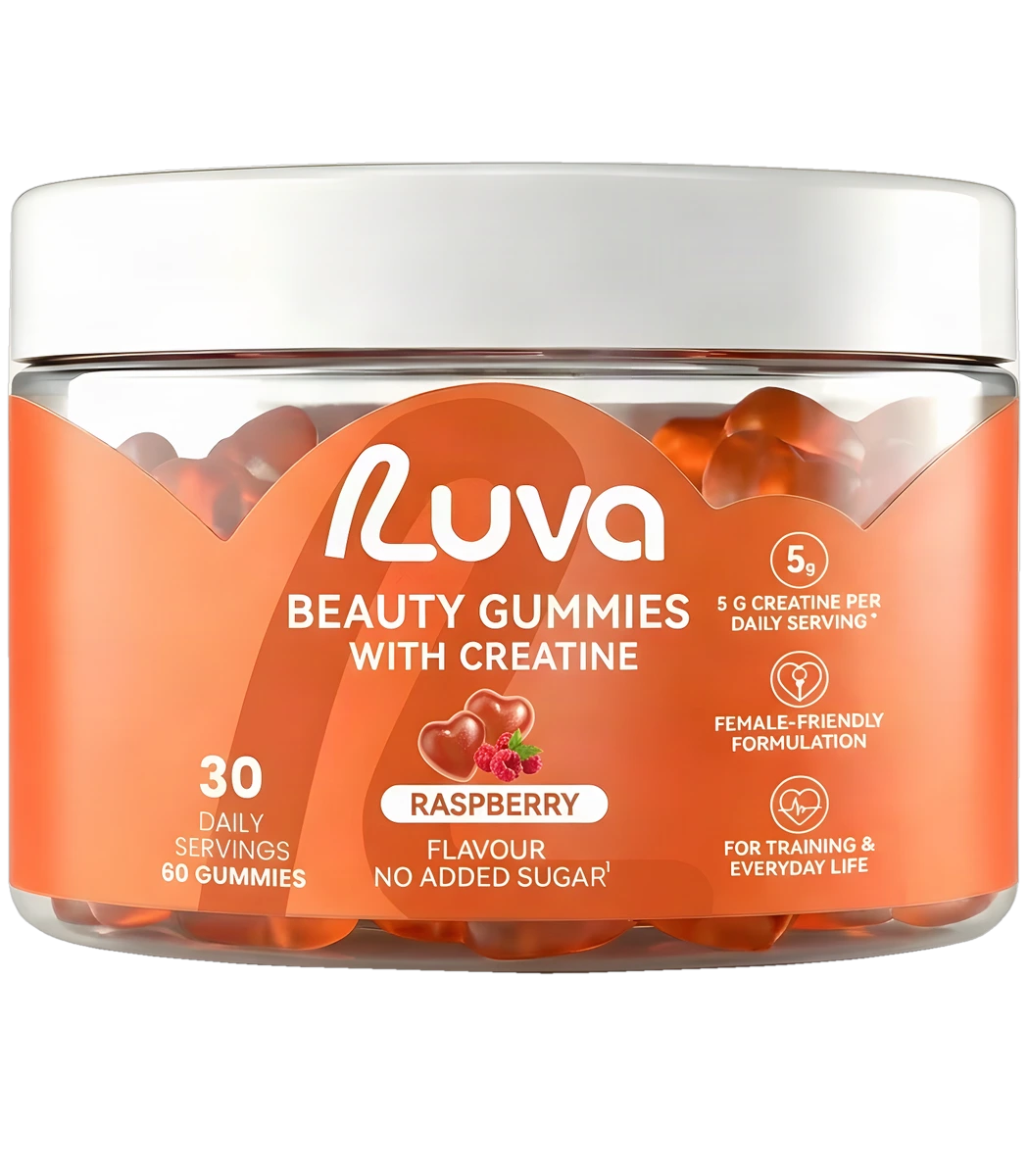
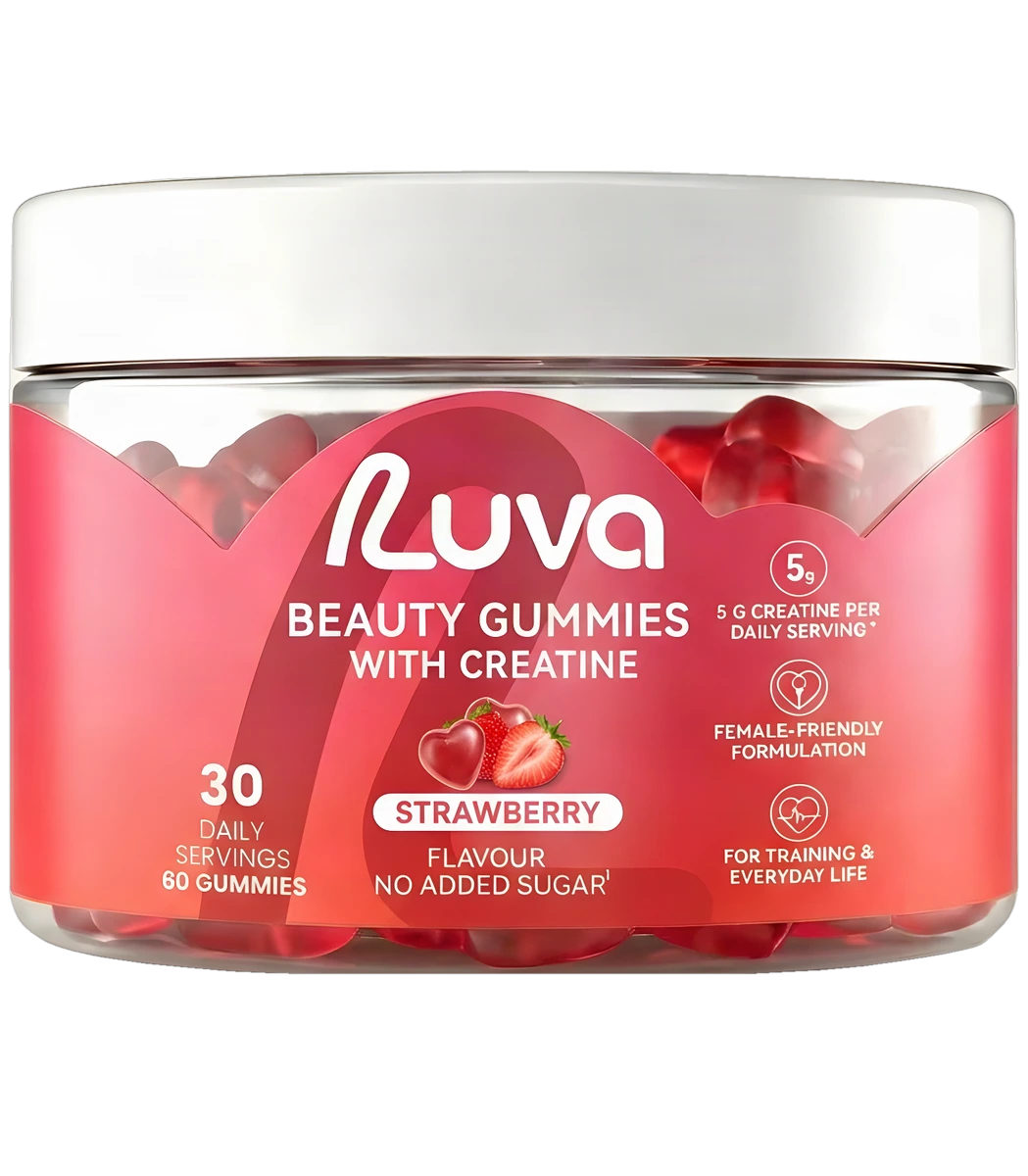
Powder, capsules or gummies can all deliver monohydrate. Effectiveness tracks grams ingested. Powder solubility limits (~14 g/L at 20 °C) explain glass sediment. Gummies need accurate manufacturing — some products fail label tests. LUVA Creatine Gummies provide 5 g of creatine monohydrate in two gummies, plus keratin, biotin and zinc, no added sugar, halal, 30 daily servings per tin, delivered within 12 hours across the UAE (free over AED 200).
Food supplement. Not a substitute for a varied, balanced diet and a healthy lifestyle. Do not exceed the recommended daily serving. Keep out of reach of children. If you are pregnant, breastfeeding, under 18, have a medical condition or take medication, consult your doctor before use.
The bottom line
Creatine works by stocking the phosphate shuttle that refills ATP in short, fierce efforts. Raise stores with daily monohydrate, train in that intensity domain and give physiology a few weeks.
Creatine kinase — a lab name people mix up
Blood tests may list creatine kinase (CK), an enzyme that leaks after hard training or muscle injury. That is not the same molecule as supplemental creatine. High CK after a novel Hyrox or beach sprint session is often training-related; your doctor interprets it in context. Taking creatine monohydrate is not the same as “CK doping.”
Living the habit in the Emirates
German expats and other international residents often juggle travel between Emirates, late social dinners and early training. The winning pattern is boring: one visible jar, one daily cue, one researched dose. Delivery within 12 hours and free shipping thresholds above AED 200 make restocking easier than importing unlabelled tubs with unclear storage history.
When you compare products, keep claims inside evidence rails — EFSA-style performance language, ISSN safety summaries and honest limits on beauty or brain marketing. That approach protects trust better than maximalist advertising.
Dose, consistency and stopping
Aim for about 3–5 g of creatine monohydrate daily unless your clinician sets another plan. Loading remains optional. If you stop, stores decline over weeks, not hours. Returning later simply means re-saturating — you do not need punitive “detox gaps” for healthy kidneys according to mainstream sports-nutrition reviews, but medical conditions change the rules.
Where LUVA fits
LUVA Creatine Gummies are built for the daily habit: 5 g creatine monohydrate in two gummies, with keratin, biotin and zinc, no added sugar, raspberry or strawberry flavours, 30 daily servings (60 gummies) per tin, halal certified. We deliver within 12 hours across the UAE, with free delivery over AED 200. Keep the jar closed at room temperature and out of hot cars. Food supplement rules apply: not a medicine, not a substitute for a balanced diet, and not for unsupervised use in pregnancy, breastfeeding, under-18s or relevant disease without medical advice.
Questions people ask after two weeks
By week two, muscle water shifts settle for many users and the novelty fades. This is when consistency matters: the jar only works on the days you open it. If gym progress stalls, audit weekly hard sets, protein intake near 1.6 g per kg if appropriate for you, and sleep before changing creatine brands again.
Internal links to keep learning
Explore related LUVA guides on creatine for women, powder versus gummies, daily dose, side effects and UAE heat hydration. For drinks beside your training, ZERUP flavours and gym hydration keep fluid habits realistic in the Gulf climate.
Frequently asked questions
How does creatine give energy?
Indirectly: it supports phosphocreatine, which helps regenerate ATP during brief intense work. It is not a stimulant calorie source.
How long does creatine take to work?
Muscle stores rise over days to about four weeks depending on dose strategy.
Is creatine a steroid?
No. It is a naturally occurring compound also found in food.
Why 3 g in the EU claim but 5 g in many products?
Claim conditions use 3 g/day. Many studies and products use ~5 g/day. Both sit in common practice for healthy adults when labelled appropriately.
Does more creatine mean more ATP forever?
Past saturation, extras are excreted. Stick to researched daily amounts.
Can I take creatine while travelling between Dubai and Abu Dhabi?
Yes. Keep your daily serving consistent. Gummies travel easily; protect them from heat in the car.
Does cooking or hot drinks destroy creatine?
Extreme prolonged heat can degrade creatine toward creatinine in solutions. Follow label storage. Do not simmer gummies.
Can I split LUVA’s two gummies across the day?
Yes if that helps comfort or memory. Total daily creatine should still match the labelled serving.
Is creatine allowed in competitive sport?
Creatine is generally permitted by major anti-doping frameworks as a food supplement, but always check your federation’s current rules and avoid contaminated multi-ingredient products.
What if I miss several days?
Resume the normal daily amount. You do not need a full reload for short gaps; longer gaps gradually lower stores.
Should I cycle on and off creatine every month?
Healthy adults do not need monthly forced cycles for kidney “rest” according to mainstream sports-nutrition reviews. Medical conditions follow your doctor’s plan.
Can I take creatine during Ramadan?
Adults who supplement may take their serving in non-fasting hours (for example after iftar). Confirm personal religious and medical guidance. Stay on top of fluids overnight.
Discover LUVA Creatine Gummies
5 g creatine per daily serving (2 gummies) · Halal · No added sugar · Delivered within 12 hours across the UAE, free over AED 200
Keep reading
Sources
- Kreider R.B. et al. (2017). ISSN position stand. JISSN. pmc.ncbi.nlm.nih.gov
- Hultman E. et al. (1996). Muscle creatine loading. J Appl Physiol. pubmed.ncbi.nlm.nih.gov
- Commission Regulation (EU) No 432/2012; (EU) 2017/672. eur-lex.europa.eu
- Kreider R.B., Jäger R., Purpura M. (2022). Creatine compounds review. Nutrients. www.mdpi.com
- Antonio J. et al. (2021). Common questions about creatine. JISSN. link.springer.com
This article is general information and does not replace advice from a doctor, dietitian or other qualified professional. Last reviewed: October 2026.